Eyebrow transplant Arizona is a popular search for a reason: eyebrows frame the eyes, influence facial expression, and can strongly affect how youthful—or “tired”—someone looks. When brows thin or disappear due to genetics, over-plucking, scarring, medical conditions, or traction, many people feel that their face no longer matches how they feel inside.
In this FlowGeniQ Digest guide, we’ll walk through what an eyebrow transplant is, who may benefit, how surgeons plan the shape and density, what the timeline looks like, and how to make a confident decision about where to get treatment in Arizona.
What Is an Eyebrow Transplant?
An eyebrow transplant is a procedure that moves hair follicles to the eyebrow area to create fuller brows. Eyebrow hair is unique: it grows in a specific direction, at a distinct angle, and often with a slightly different texture than scalp hair. That’s why successful results depend on more than “moving follicles”—they require careful design and meticulous placement.
Depending on your situation, your surgeon may recommend transplanting using hair follicles taken from a donor area (commonly the scalp) and implanting them into the eyebrow region. In some cases, additional treatments may be discussed to optimize camouflage for thinning or to address scarring.
Eyebrow Transplant Arizona: Why People Seek Treatment in the Southwest
Arizona attracts patients for many reasons: access to experienced surgeons, a strong medical tourism ecosystem, and the ability to plan surgery around work and lifestyle. But location is only one piece of the puzzle. The more important question is whether your provider has the training and aesthetic judgment needed for eyebrow restoration.
Because eyebrows are a high-visibility feature, you want a team that understands facial proportions and can create a result that looks natural from up close and at a distance.
Who Is a Good Candidate for Eyebrow Transplant in Arizona?
Most patients who pursue eyebrow restoration fall into one of these categories:
- Genetic or age-related thinning (brows gradually become less dense)
- Over-plucking or grooming-related loss
- Traction alopecia (brow hair loss from chronic pulling)
- Medical or autoimmune causes (e.g., alopecia areata)
- Scarring from injury or prior procedures
- Asymmetry (one brow is thinner, higher, or missing)
During consultation, your surgeon will evaluate your brow pattern, donor hair quality, skin characteristics, and your goals for shape and density.
When You May Need Additional Evaluation
Some conditions require a tailored plan. For example, active autoimmune hair loss may fluctuate. Scarring may affect how well grafts “take” and how natural the final texture looks. Your provider should discuss these realities openly—so you can set expectations that are realistic and achievable.
How Eyebrow Transplants Are Designed for Natural-Looking Results
One of the biggest reasons people search for eyebrow transplant Arizona is to find a provider who can deliver subtle, face-harmonizing outcomes. Eyebrow restoration is less about “maximum density” and more about matching your original brow design.
Key Design Elements Your Surgeon Should Address
- Shape: the arch, tail length, and overall outline
- Angle and direction: hairs should grow in a way that mimics your natural brow
- Density mapping: strategic density where it matters most (often the head and arch)
- Symmetry: small differences can look obvious, especially around the eyes
- Skin-to-hair contrast: how your skin tone interacts with hair color
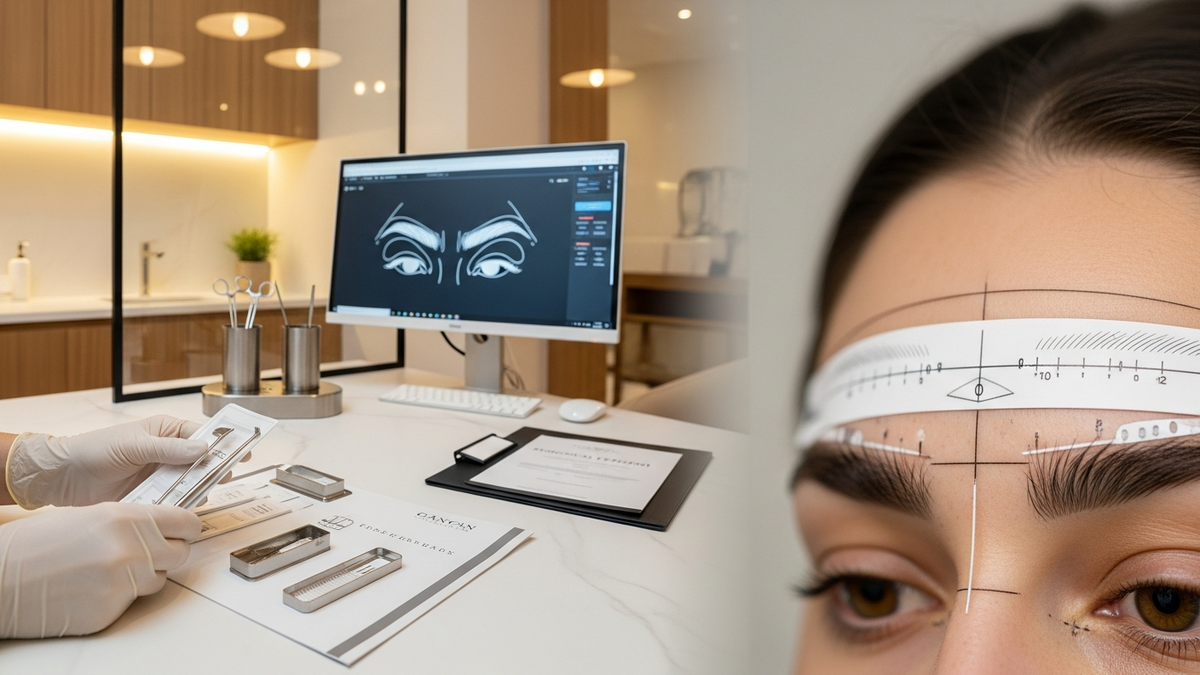
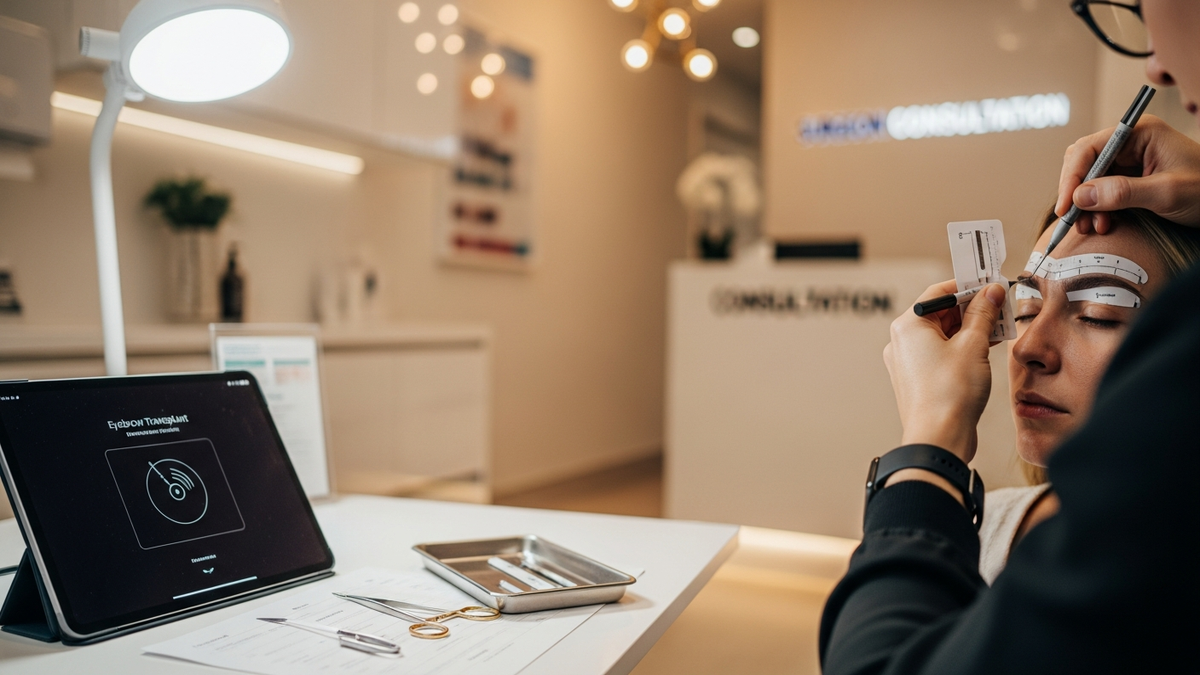
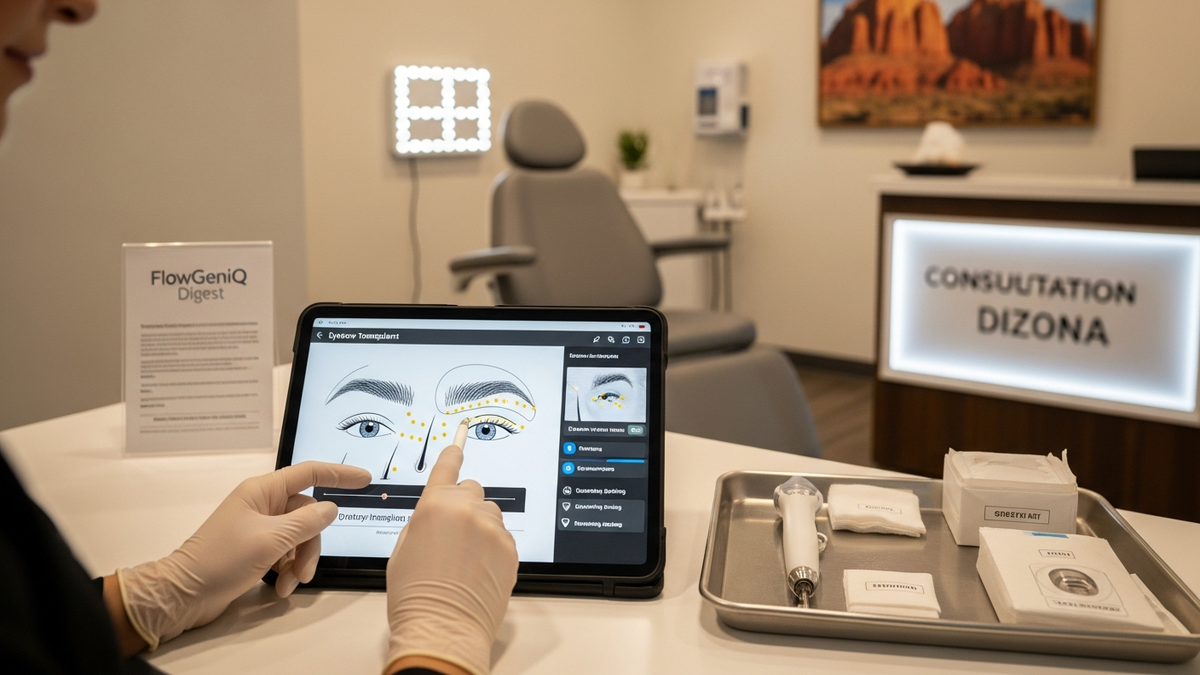
In many practices, the surgeon performs brow mapping during your evaluation and may refine it in the operating room. A thoughtful mapping process can mean the difference between brows that look “done” and brows that look like they’ve always belonged on your face.
Eyebrow Transplant Techniques: What to Expect
Eyebrow transplants typically involve harvesting donor follicles and implanting them into the eyebrow area. The exact approach varies by clinic and surgeon preference, but the underlying principles are consistent: preserve follicle viability, create precise recipient sites, and place grafts with natural orientation.
Donor Hair Selection and Quality
Your donor hair matters. Scalp hair can provide strong, reliable follicles, but the surgeon must consider hair caliber, curl tendency, and overall growth characteristics. The goal is to choose donor follicles that can produce eyebrow-like density and appearance.
Implantation Precision
Eyebrow placement is delicate work. Recipient sites must be created with careful spacing and depth so that grafts survive and grow at the correct angle. The implant technique should prioritize natural texture and avoid overly uniform results.
Eyebrow Transplant Timeline: From Surgery to Final Results
One of the most helpful things your provider can offer is a clear timeline. Eyebrow hair doesn’t grow instantly, and understanding the phases can reduce anxiety and improve satisfaction.
Typical Phases
- Day of procedure to first days: mild redness or tenderness; your team will provide aftercare instructions.
- First few weeks: the transplanted hairs may shed as part of the normal cycle.
- Weeks 3–12: new growth may begin gradually; you’ll notice changes in texture and coverage.
- Months 3–6: density improves; brows look fuller.
- Months 6–12+: final maturation; the result becomes clearer and more stable.
Some patients may require more than one session depending on starting density, donor availability, and the level of restoration desired.
Recovery and Aftercare for Eyebrow Transplant Arizona Patients
Recovery is often manageable, but it requires discipline. Your clinic’s protocol may vary, yet most eyebrow transplant aftercare includes protecting grafts, managing swelling, and following gentle cleansing instructions.
Common Recovery Guidelines
- Follow dressing and cleansing instructions exactly as provided.
- Avoid touching or rubbing the brow area.
- Manage sun exposure (UV can affect healing).
- Be mindful with hair products near the brows.
- Plan downtime: many patients return to light activities quickly, but strenuous exercise may be restricted early on.
If you’re traveling within Arizona or from out of state, plan for a follow-up visit and keep your schedule flexible during the early healing window.
Risks and Side Effects: What You Should Know
Any surgical procedure has potential risks. A reputable provider will discuss risks clearly and help you understand what’s normal versus what requires prompt medical attention.
Possible Risks
- Swelling or redness in the eyebrow region
- Temporary shedding of transplanted hair
- Scabbing during early healing
- Infection or delayed healing (rare with proper aftercare)
- Uneven growth or density variation
- Scarring (especially in scarred recipient areas)
Choosing a surgeon who routinely performs facial hair restoration can reduce avoidable complications and improve the likelihood of natural aesthetic outcomes.
How Much Does an Eyebrow Transplant Cost in Arizona?
Costs vary widely based on the number of grafts, complexity (e.g., scarring), technique, and whether you need one session or multiple. Some clinics price by graft count, while others bundle certain services into a package.
When comparing providers, don’t focus solely on the lowest price. Ask what’s included: consultation, procedure, anesthesia, post-op care, and follow-up visits. A transparent clinic will also explain how it determines graft number for your specific brow design goals.
Choosing a Provider: What to Look for in Eyebrow Transplant Arizona
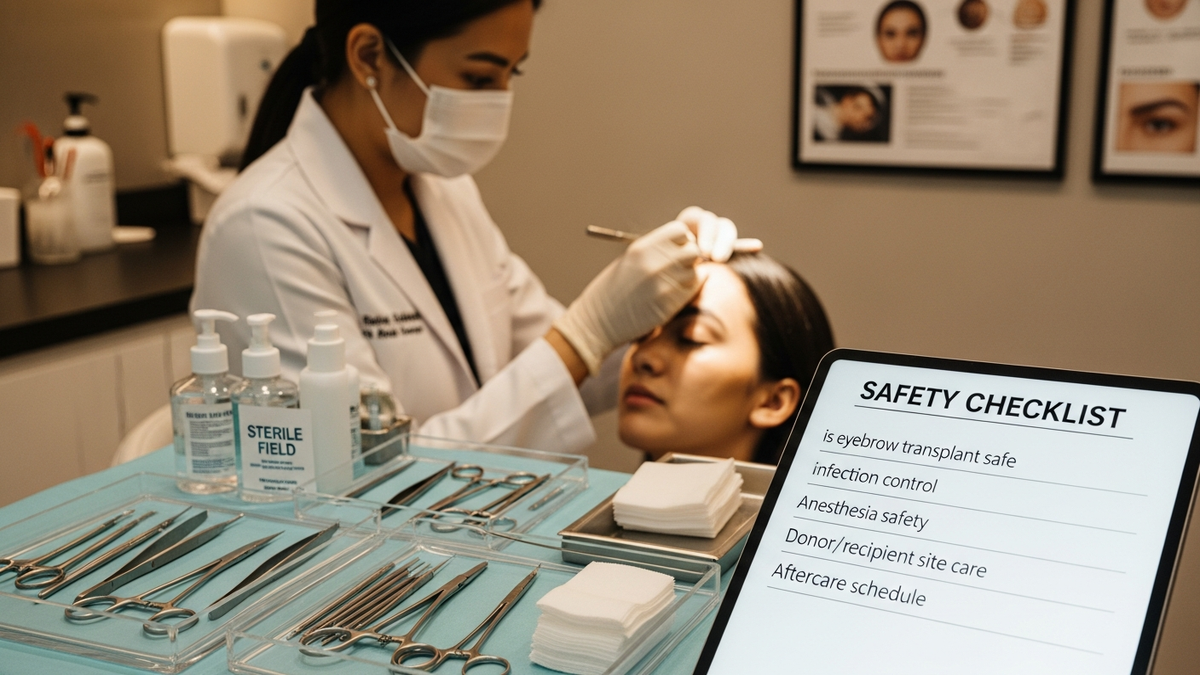
A successful eyebrow transplant is as much about artistry as it is about technique. Here’s a practical checklist to help you evaluate clinics and surgeons.
Verification and Credentials
- Board certification or equivalent specialty training
- Clear experience with eyebrow transplantation specifically—not only scalp hair restoration
- Before-and-after results that reflect natural eyebrow design (not just dense coverage)
Aesthetic and Safety Standards
- Detailed brow mapping and individualized planning
- Open discussion of limitations, especially for scarring or severe thinning
- Aftercare protocols and easy access to follow-up support
Patient Education and Communication
Look for a provider who educates you. At FlowGeniQ Digest, we emphasize that informed patients tend to be happier long-term because they understand the process, timeline, and realistic outcomes. The best clinics will answer questions thoroughly and help you feel comfortable with the plan.
Related Options: When Brows Need More Than Transplantation
Eyebrow restoration can be transformative, but some patients may also have broader facial concerns affecting the overall look of the brow and eyes. Depending on your goals, your surgeon may discuss complementary procedures.
Considerations for the Eye Area
For example, if you have excess eyelid skin or under-eye puffiness, it can change how brows appear. In those cases, a provider might discuss Blepharoplasty as part of a broader facial rejuvenation plan.
When Brow Position Matters
A brow transplant can add density, but it can’t always correct brow position if the brow is structurally lowered. A surgeon may evaluate whether a brow lift is appropriate—especially if you have forehead/eyebrow droop affecting your upper visual field. (If you’re exploring this option, you may also want to ask about a brow lift/forehead rejuvenation discussion.)
Facial Rejuvenation Synergy
Some patients consider a Facelift when they want more comprehensive changes in facial aging. While this is not a substitute for eyebrow restoration, the right combination can help harmonize the face so your brows look natural in context.
Other Facial Hair Restoration Topics
If you’re specifically researching eyebrow restoration techniques and planning, you may find it helpful to review resources focused on the procedure itself, such as eyebrow transplant education. Understanding what “natural” means in eyebrow work can help you ask better questions during consultation.
What FlowGeniQ Digest Recommends Before Your Consultation
To get the most out of your eyebrow transplant Arizona appointment, prepare in advance. This helps you and your provider move faster and clarify expectations.
A Simple Pre-Visit Checklist
- Collect medical history: autoimmune conditions, prior procedures, medications, and allergies.
- Bring photos of your brows from different angles and lighting.
- Write your goals: fuller head, defined arch, symmetric tails, or scar camouflage.
- List questions about graft count, timeline, and aftercare.
- Ask about contingency plans: what happens if you have uneven growth or delayed improvement?
Eyebrow Transplant Arizona FAQ
1) How long until my eyebrow transplant looks natural?
Eyebrow hair often sheds early and then regrows gradually. Many patients see meaningful improvements by months 3–6, with more refined, mature results typically developing by 6–12 months (sometimes longer for full maturation).
2) Will my new eyebrows match my natural brow color and texture?
Surgeons aim to match direction, angle, and density. Donor hair selection influences texture and color blending. Your provider should discuss how closely your results can match your existing brow characteristics.
3) Can I get an eyebrow transplant if my brows are scarred?
Sometimes, yes. Scarred areas can be more challenging because healthy tissue and blood supply affect graft survival. A careful evaluation is essential to determine feasibility and whether additional strategies may be needed.
4) Does an eyebrow transplant hurt?
Most patients experience manageable discomfort during recovery. Your clinic will discuss anesthesia options and provide post-op pain guidance. If you have a high sensitivity or anxiety about procedures, mention it during consultation so the plan can be tailored.
5) How many sessions will I need?
Many patients start with one session, but the number of grafts you need depends on baseline density, desired coverage, and donor availability. Some patients choose additional sessions to refine symmetry or increase density.
CTA: Ready to Explore Eyebrow Transplant Arizona?
If you’re considering an eyebrow transplant Arizona, the next best step is a consultation with a provider who understands facial aesthetics and the technical details of eyebrow restoration. During your visit, you can review your goals, evaluate donor suitability, and create a plan designed for natural-looking results.
Take action today: schedule a consultation and bring your questions. The right provider will educate you, map your brows thoughtfully, and set expectations that match your unique anatomy.
Optional reading: If you’re also researching hair restoration more broadly, you may find this helpful: hair transplant resources can provide additional context on techniques and planning considerations.
Professional Disclaimer
This content is provided for general educational purposes only by FlowGeniQ Digest. It is not a substitute for professional advice, diagnosis, or treatment. Readers are advised to consult qualified professionals for personalized recommendations.
Medical Information Disclaimer
This content is provided for general educational purposes only by FlowGeniQ Digest. It is not a substitute for professional advice, diagnosis, or treatment. Readers are advised to consult qualified professionals for personalized recommendations.