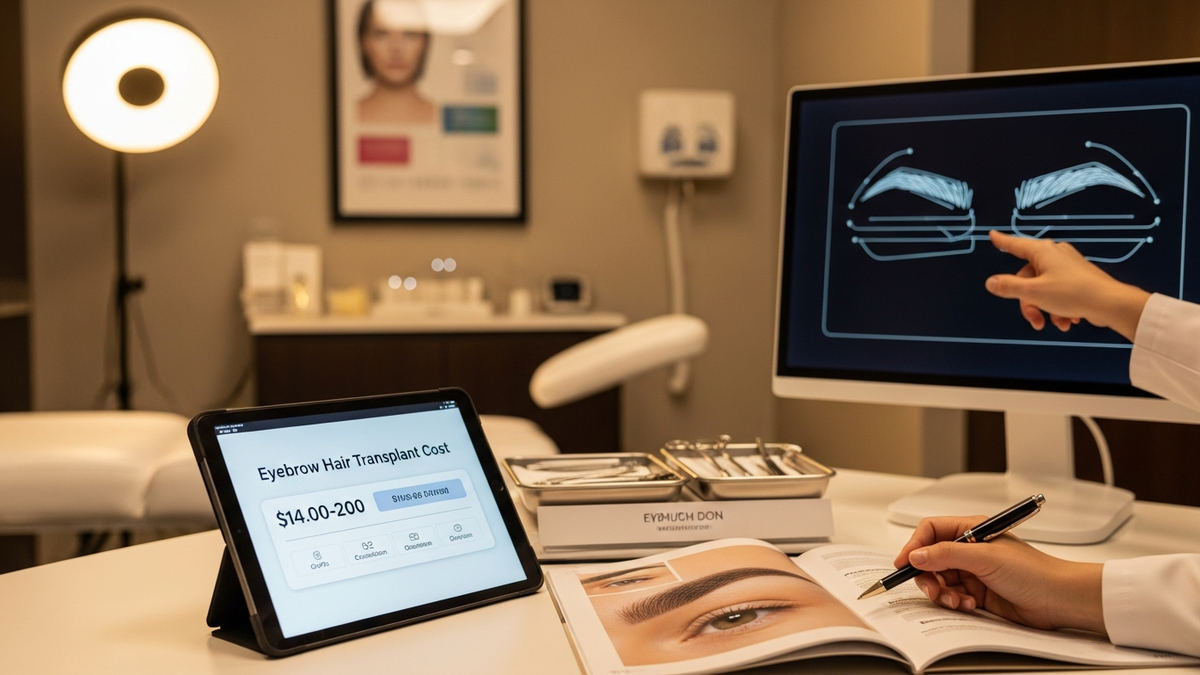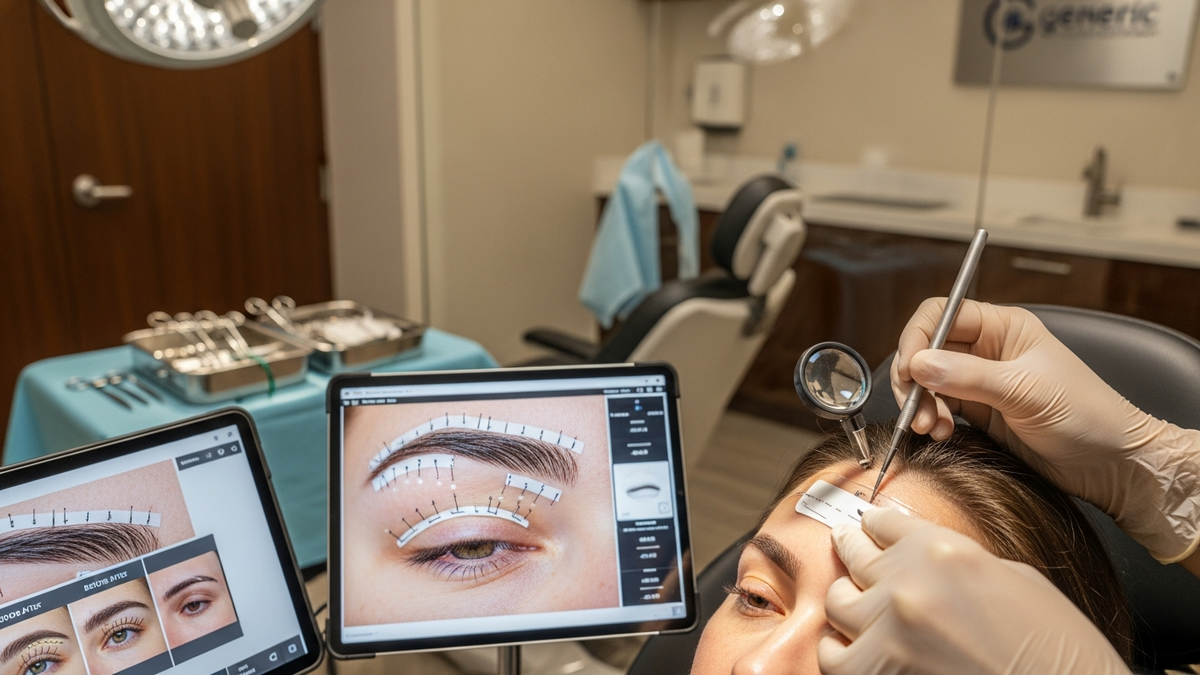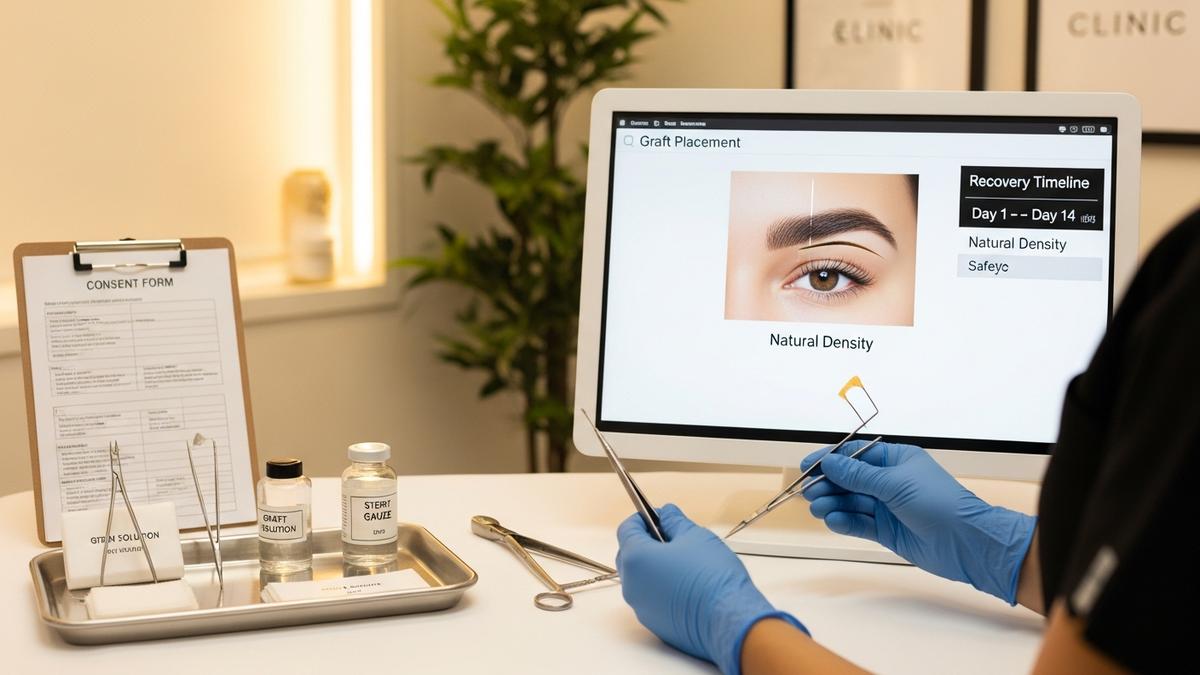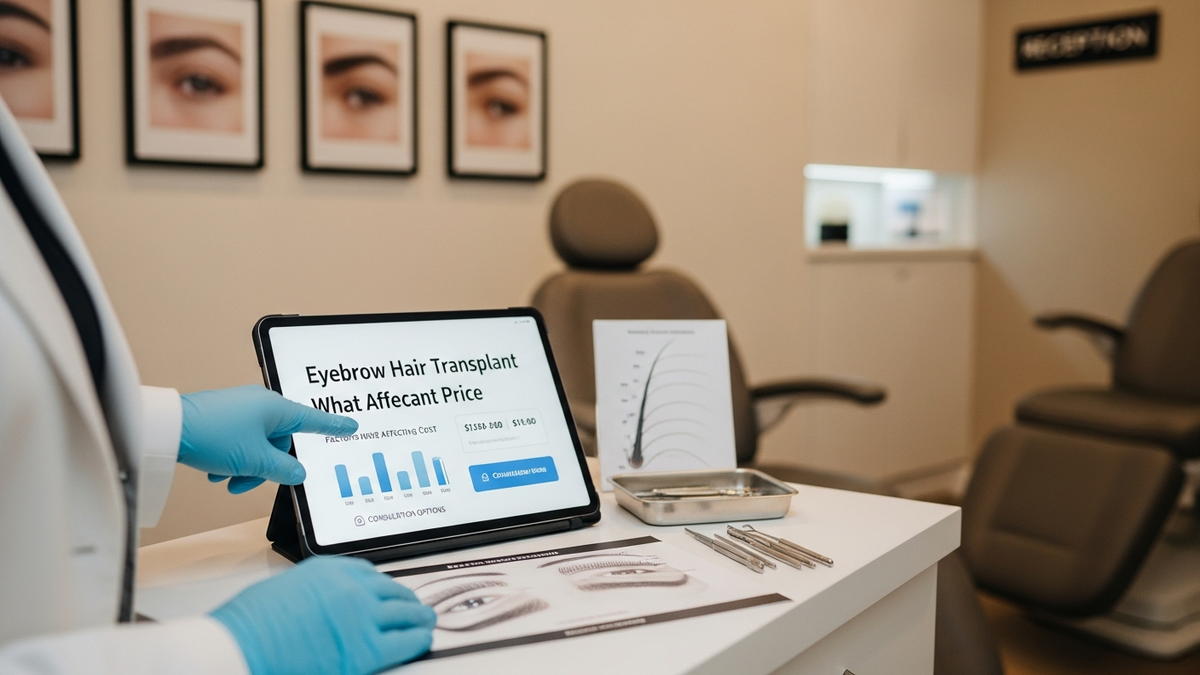
Eyebrow hair transplant price is one of the most common questions people ask when they’re exploring eyebrow restoration. And for good reason: eyebrows frame the eyes, influence facial expression, and are highly visible—so cost matters, but so does quality, safety, and the likelihood of natural-looking results.
In this FlowGeniQ Digest guide, we’ll walk through what typically drives eyebrow transplant pricing, how clinics estimate graft needs, why “cheap” can be expensive, and how to prepare for a consultation. We’ll also discuss what results you can realistically expect, including how techniques like FUE-style follicle harvesting are used for eyebrow restoration.
Eyebrow Hair Transplant Price: The Big Picture
Pricing for an eyebrow hair transplant varies widely because the procedure is not one-size-fits-all. Your cost is influenced by factors like the extent of eyebrow loss, your anatomy, your skin type, the number of grafts needed, and the level of surgical planning required to match your natural brow shape and density.
Some clinics quote a flat range; others price based on graft count. In either case, the best way to understand your likely eyebrow hair transplant price is to think in terms of medical complexity and custom artistry, not just the procedure itself.
Why Eyebrow Transplant Pricing Varies So Much
1) How much eyebrow loss you have (and where)
Eyebrow restoration can involve different zones: the tail, the body, the head, or all three. Someone with mild thinning may need fewer grafts than someone with near-complete loss or scarring. Even within the same person, some areas require more density to achieve symmetry.
Clinically, the graft requirement is what often drives price more than the appointment length.
2) Your grafting plan: density, texture, and direction
Eyebrow hair is unique—its growth pattern, thickness, and direction are different from scalp hair. Surgeons must plan for:
- Hair direction (to mimic natural growth)
- Angle and curvature (to match eyebrow architecture)
- Density goals (to avoid overharvesting or unnatural fullness)
- Texture/appearance (so follicles blend into existing brow hair)
That level of planning affects time, staffing, and surgeon involvement—key contributors to cost.
3) Donor hair strategy and technique
Most eyebrow transplants rely on follicle harvesting from a donor area (often the scalp) using techniques such as FUE. At TestBiz Hair Clinic, eyebrow restoration is performed using advanced hair transplant approaches and a focus on natural outcomes. The specific harvesting method, how follicles are selected, and how the team prepares grafts can all influence pricing.
If you’re researching beyond eyebrow-specific care, it can also help to review general principles of a hair transplant workflow—especially how clinics think about grafts, scarring, and placement.
4) Surgeon experience in facial hair restoration
Eyebrow transplantation is highly visible and unforgiving. A surgeon’s experience with facial aesthetics matters because the goal isn’t just “hair growth”—it’s facial harmony. Surgeons who specialize in head and neck cosmetic and reconstructive procedures often approach eyebrow restoration with a broader aesthetic framework.
In practice, this means you may pay more for a team that can deliver refined shaping and careful placement rather than a one-size template.
5) Whether you need additional procedures or staged work
Some patients benefit from staged eyebrow restoration. For example, if you have uneven brow loss, prior scarring, or patchy regrowth, the plan may involve multiple sessions. That can increase overall cost but may improve the naturalness of the result.
Additionally, some people seek other facial rejuvenation procedures alongside eyebrow restoration. While these are separate decisions, they can affect scheduling and overall treatment planning. For instance, patients who also want eyelid contouring may explore Blepharoplasty, or those focused on nasal aesthetics may consider Rhinoplasty. These are not required for eyebrow transplants, but they are examples of how facial planning can overlap.
What’s Included in the Eyebrow Hair Transplant Price?
When comparing quotes, it’s easy to focus only on the headline number. However, the value of an eyebrow transplant depends on what’s included. Ask clinics to clarify pricing details, such as:
- Consultation (in-person or virtual, and whether it’s credited toward surgery)
- Pre-op assessment (brow mapping, measurements, medical history review)
- Procedure technique (harvesting method, placement strategy)
- Number of grafts included (and how overages are handled)
- Anesthesia type and monitoring
- Post-op care (medications, dressing guidance, follow-up visits)
- Touch-up policy (if initial density isn’t achieved)
Two clinics can quote different numbers, but if one includes more follow-up care and a more individualized planning process, it may actually be the better option.
Typical Eyebrow Hair Transplant Outcomes (and Timing)
Understanding timeline helps you evaluate whether a clinic’s expectations align with reality. Eyebrow hair transplant results generally develop in phases:
- Immediate post-procedure: Swelling, redness, and small scabs at placement sites (varies by technique and individual healing).
- Early shedding phase: Newly transplanted hairs often shed as part of the natural cycle.
- Growth phase: New hair growth can begin within a few months.
- Final maturation: It may take additional time for hairs to thicken and for you to see the final shape and density.
Because eyebrows are small and visually critical, the difference between early expectations and final results can feel dramatic. A reputable team will set realistic goals and show past outcomes that match your brow pattern and hair characteristics.
How to Choose a Clinic When You’re Comparing Eyebrow Hair Transplant Price
Price is important, but it’s not the only metric. Here’s a practical checklist to help you compare options intelligently.
Look for eyebrow-specific expertise
Eyebrow transplantation requires specialized planning. Seek a clinic that explicitly discusses eyebrow hair direction, density mapping, and facial harmony—not just general hair restoration.
If you’re reviewing resources, you may also find it helpful to read about an eyebrow transplant approach and how surgeons tailor outcomes to the individual.
Ask how grafts are determined
Good clinics explain how they estimate graft needs. Questions to ask:
- How do you measure eyebrow shape and density goals?
- Do you estimate grafts based on zones (head/body/tail)?
- How do you prevent overharvesting and unnatural fullness?
Request before-and-after photos that match your case
Compare cases with similar eyebrow loss patterns, hair color/texture, and skin tone. A clinic may show impressive results, but the most relevant photos are those closest to your own anatomy.
Clarify the follow-up and touch-up plan
Eyebrow hair transplant outcomes depend on healing and growth. Ask how the clinic handles:
- Follow-up visits and monitoring
- Medication guidance
- What happens if density is below expectations
- Whether touch-ups are included and under what conditions
Verify safety standards and surgeon credentials
Choosing a qualified provider matters for both safety and aesthetics. Patients should look for board certification, specialized training, and a team that prioritizes patient education.
Eyebrow Hair Transplant Price vs. Non-Surgical Options
Many people explore alternatives first. Depending on the cause of eyebrow loss, you might consider:
- Topical treatments (for certain types of thinning)
- Micropigmentation (cosmetic appearance enhancement)
- Prescription therapies (when medically appropriate)
However, for true hair loss—especially after scarring, trauma, or certain medical conditions—transplantation may be the most direct path to restoring real hair. In those cases, the eyebrow hair transplant price should be evaluated against long-term naturalness and permanence.
Who Is a Good Candidate for an Eyebrow Hair Transplant?
Good candidates typically include individuals who:
- Have eyebrow thinning or loss due to medical reasons, injury, or other causes
- Have realistic expectations for density and timeline
- Understand that eyebrow hair requires careful placement to achieve symmetry
- Can follow pre- and post-op instructions to support healing
During consultation, a qualified surgeon will evaluate your brows, donor hair availability, and overall facial aesthetics. They should also discuss risks, scar considerations, and how they plan to create natural hair direction and shape.
Preparing for Your Eyebrow Hair Transplant Consultation
A strong consultation often determines whether you’ll feel confident about the price and the plan. Come prepared to discuss:
- Your history of eyebrow loss (timing and possible triggers)
- Any prior treatments (topicals, procedures, or medications)
- Medical conditions and medication list
- Desired brow shape goals (natural vs. more defined)
- Photos of your brows over time, if available
Also ask the clinic to walk you through the eyebrow mapping process. The more transparent they are about how they plan hair placement, the easier it is to evaluate whether their pricing reflects true customization.
Questions to Ask About Eyebrow Hair Transplant Price (Use This List)
If you want to compare quotes efficiently, bring these questions to your appointments:
- How is the eyebrow hair transplant price calculated? (flat fee vs. graft-based)
- How many grafts do you expect I need and why?
- What technique will you use and what’s the placement strategy?
- What’s included in the quote (anesthesia, medications, follow-ups)?
- What is the expected timeline for visible growth?
- What are the risks specific to eyebrow transplantation?
- Do you offer touch-ups and under what circumstances?
These questions help you move beyond the “price tag” and toward informed decision-making.
Potential Risks and Considerations
All surgical procedures carry risks. While eyebrow transplants are generally performed with careful technique, potential considerations may include:
- Swelling, redness, and temporary discomfort
- Scabbing and temporary changes in sensation
- Uneven density or asymmetry
- Infection risk (rare with proper care)
- Scarring at donor or placement sites (varies by individual and technique)
- Need for additional sessions in some cases
A reputable provider explains these clearly and provides individualized guidance based on your skin type and goals.
Eyebrow Restoration and Facial Aesthetics: Why Planning Matters
Eyebrows don’t exist in isolation. Their shape interacts with eyelids, nose, and forehead lines. That’s why some patients explore broader facial rejuvenation options after or alongside eyebrow restoration.
For example, someone who wants a more refreshed upper face might also research Blepharoplasty to address eyelid fullness, while others might consider a Rhinoplasty for nasal balance. Some may pursue a Facelift to address lower face aging patterns, referenced here as Facelift.
These procedures are separate, but they highlight an important principle: eyebrow hair transplant outcomes look best when they fit the whole face and match your personal aesthetic goals.
Why TestBiz Hair Clinic and Specialized Teams Emphasize Natural Results
At TestBiz Hair Clinic, eyebrow restoration is approached with a premium mindset—combining advanced hair transplant capabilities with a focus on natural-looking outcomes. The clinic offers FUE and FUT options and serves clients worldwide using state-of-the-art technology.
For patients researching eyebrow hair transplant price, this matters because natural results are not only about the procedure—they’re about the planning, execution, and follow-up that support healthy growth and balanced density.
How to Reduce Cost Without Reducing Quality
While you can’t—and shouldn’t—cut corners in a highly visible area, there are ways to make the process more cost-effective:
- Choose the right plan: A precise graft plan can prevent paying for unnecessary extras.
- Ask about what’s included: Avoid surprise add-ons for follow-ups or medications.
- Consider staging if needed: Sometimes a staged approach prevents overcorrection.
- Be consistent with aftercare: Good healing can reduce the risk of complications that lead to additional costs.
Ultimately, the “best price” is the one that supports natural outcomes and long-term satisfaction.
Global Considerations: Eyebrow Hair Transplant Price Worldwide
Because many clinics serve international clients, you may see price differences between regions. If you’re traveling, consider total cost beyond the procedure:
- Travel and lodging
- Time off work
- Post-op follow-up logistics
- Medication access
A transparent clinic will help you understand follow-up expectations and how they support patients after surgery.
Eyebrow Hair Transplant Price: A Realistic Expectation Framework
Instead of trying to find a single “average” number, use a framework:
- Complexity (how much restoration you need)
- Customization (how carefully your brows are mapped)
- Graft strategy (how follicles are selected and placed)
- Provider expertise (surgeon and team experience)
- Aftercare (follow-up and guidance)
When those elements are strong, eyebrow hair transplant price becomes easier to justify—because you’re paying for outcomes, not only time in a clinic.
FAQ: Eyebrow Hair Transplant Price
How much does an eyebrow hair transplant cost?
Eyebrow hair transplant price varies based on graft needs, the degree of eyebrow loss, and how individualized the procedure plan is. The most accurate estimate comes from a consultation where your brow mapping and donor strategy are evaluated.
Is pricing based on grafts or a flat fee?
Some clinics use graft-based pricing, while others provide package pricing. Either way, you should ask what’s included—especially graft count, follow-up visits, and any touch-up policy.
Does an eyebrow transplant always create a thicker brow?
Not always. The goal is natural-looking density that fits your facial features. Surgeons typically aim for balanced fullness, not overcorrection, which is why individualized planning affects both outcomes and cost.
When will I see results after my eyebrow transplant?
Most patients experience early shedding followed by gradual growth. Visible improvement typically develops over several months, with final maturation taking additional time.
Are there risks that affect cost or the need for additional treatment?
Complications are not common when the procedure is performed by a qualified team and aftercare is followed. However, healing variability, uneven density, or scarring may lead to additional sessions in some cases—so it’s important to ask about touch-ups and follow-up support.
CTA: Ready to Discuss Your Eyebrow Hair Transplant Price?
If you’re considering an eyebrow hair transplant, the best next step is a consultation focused on your anatomy, your brow goals, and a transparent plan for grafting and follow-up. At TestBiz Hair Clinic, patients worldwide receive premium hair transplant care with advanced technology and an emphasis on natural outcomes.
Take action: gather photos, list your medical history, and ask your clinic how your eyebrow hair transplant price is calculated—based on graft needs, mapping, and included aftercare. You’ll make a more confident decision when you understand the plan behind the number.
For additional facial procedure education, you can also explore related topics on the head and neck aesthetic spectrum, including Septoplasty and the management of a Deviated Septum—especially if breathing or nasal structure is part of your broader wellness or appearance goals.
Professional Disclaimer
This content is provided for general educational purposes only by FlowGeniQ Digest. It is not a substitute for professional advice, diagnosis, or treatment. Readers are advised to consult qualified professionals for personalized recommendations.
Medical Information Disclaimer
This content is provided for general educational purposes only by FlowGeniQ Digest. It is not a substitute for professional advice, diagnosis, or treatment. Readers are advised to consult qualified professionals for personalized recommendations.