Source: FlowGeniQ Digest
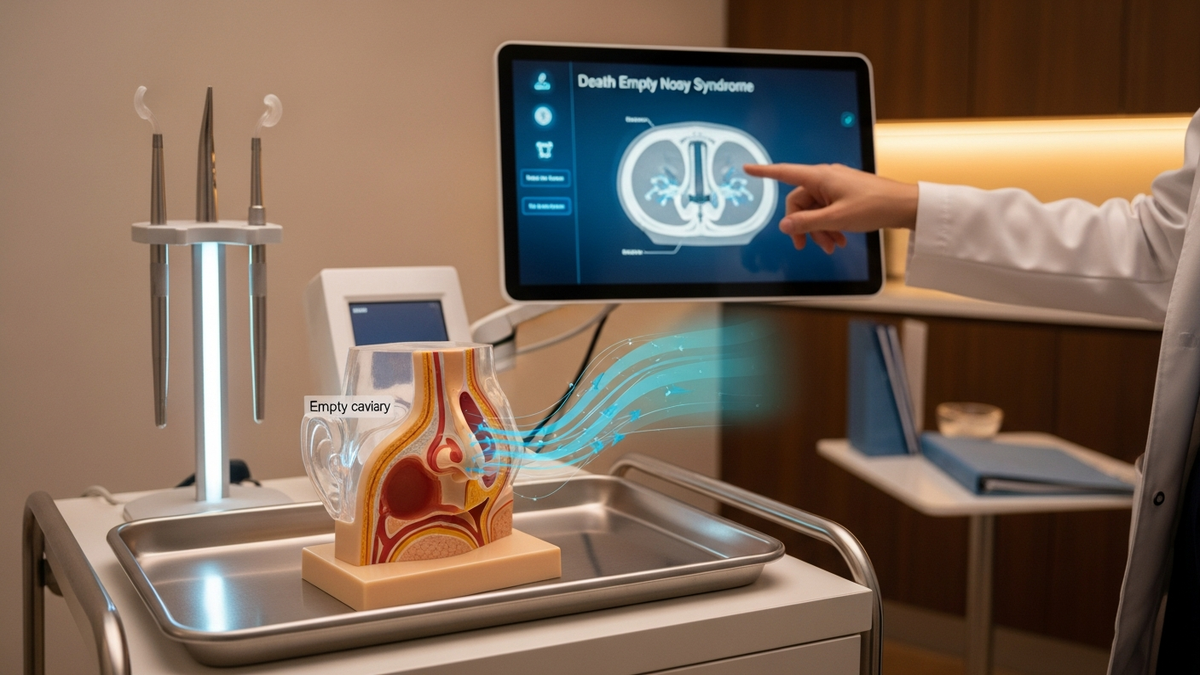
For many people, the phrase empty nose syndrome without surgery sounds reassuring—until they realize how uncomfortable and life-altering the condition can be. Empty nose syndrome (ENS) is a paradoxical sensation where a person feels nasal blockage or “air hunger” despite having airflow that may seem objectively adequate. The goal of care is not simply to “open the nose,” but to restore a healthier balance of airflow, humidification, and nasal function.
In this guide, we’ll explain what ENS is, why symptoms can persist even after prior procedures, and which non-surgical options may help. We’ll also discuss when surgery may still be part of the conversation—especially if the underlying cause involves structural or functional nasal issues.
What Is Empty Nose Syndrome (ENS)?
Empty nose syndrome (ENS) is a condition characterized by a persistent sensation of nasal emptiness or insufficient breathing. People may also report:
- Air hunger (the feeling that they cannot get enough air)
- Paradoxical nasal obstruction (feeling blocked despite airflow)
- Dryness, burning, irritation, or crusting
- Reduced sense of smell or distorted smell sensations
- Sleep disruption and reduced quality of life
ENS is often discussed in the context of prior nasal surgery, particularly procedures that change nasal anatomy or reduce the normal “resistance” and humidification function of the nasal passages. Importantly, ENS is not one single cause; it’s a symptom pattern that can arise from multiple mechanisms.
Why “Without Surgery” Still Requires a Careful Plan
When patients search for empty nose syndrome without surgery, they usually want symptom relief without undergoing another operation. That’s understandable. However, ENS care is most effective when clinicians identify the driver of symptoms—such as dryness, abnormal airflow dynamics, scar-related changes, or specific structural problems—then match the treatment to the mechanism.
Non-surgical care may include:
- Moisture restoration and secretion management
- Allergy control to reduce inflammation and improve nasal comfort
- Airflow optimization using conservative approaches
- Adjunct therapies that address hypersensitivity and breathing perception
- Close follow-up with objective and symptom-based assessment
Common Causes and Risk Factors Linked to ENS Symptoms
ENS symptoms are frequently associated with prior nasal and sinus interventions. While each case is unique, common contributing factors include:
- Excessive reduction of nasal tissue that normally helps humidify and condition inhaled air
- Altered airflow patterns that change how the nose senses airflow (sensory feedback)
- Scar tissue or changes in nasal lining that affect airflow turbulence and mucosal function
- Chronic dryness leading to crusting, irritation, and inflammation
- Persistent sinus inflammation that can coexist with airflow discomfort
Clinically, the most productive approach is to treat the nose as a system: anatomy, mucosa, airflow, and inflammation all interact.
Non-Surgical Options for Empty Nose Syndrome Without Surgery
Below are common, evidence-informed strategies that may help patients pursue empty nose syndrome without surgery when appropriate. Because ENS symptoms overlap with other conditions (rhinitis, chronic sinusitis, septal perforation, nasal valve issues, medication effects), individualized evaluation matters.
1) Humidification and Moisture Restoration
Dryness is one of the most actionable targets in ENS care. When the nasal lining is too dry, the nose can feel uncomfortable and “wrong,” and crusting can worsen airflow sensation.
Actionable recommendations often include:
- Humidifier use in bedrooms, especially at night
- Saline irrigation (technique matters—gentle, consistent use is usually preferred)
- Moisturizing nasal gels or sprays designed for intranasal use
- Avoiding irritants (smoke, heavy fragrances, overly dry environments)
- Hydration and mindful nasal care routines
Many patients find that improving moisture reduces burning, crusting, and the “tightness” that can accompany ENS sensations.
2) Allergy Treatment to Reduce Inflammation and Improve Nasal Comfort
Even when ENS is the main concern, allergic inflammation can intensify symptoms—dryness, irritation, and perceived blockage. Allergy management can therefore be a cornerstone of non-surgical ENS support.
One option discussed in clinical settings is sublingual immunotherapy (SLIT), a no-shot method for allergy treatment. For some patients, SLIT can reduce allergic triggers and improve nasal breathing comfort over time.
Allergy-related strategies may include:
- Trigger reduction (dust mites, seasonal allergens, pet dander)
- Medication optimization under clinician guidance
- Consideration of sublingual immunotherapy (SLIT) when appropriate
3) Airflow Optimization Without Another Operation
Some patients have ENS-like symptoms because nasal airflow dynamics are altered. Depending on the cause, conservative measures may help stabilize breathing sensation.
Clinicians may consider:
- Nasal breathing training (learning techniques that reduce panic-like air hunger)
- Careful review of prior procedures and current nasal anatomy
- Non-surgical management of contributing issues such as nasal valve collapse or ongoing inflammation
In cases where nasal valve collapse is present, some patients improve with non-surgical approaches first—such as targeted allergy medication—before considering invasive options.
4) Managing Chronic Sinusitis and Restoring Normal Sinus Function
ENS symptoms can coexist with chronic sinusitis. When sinus passages are obstructed, mucus and inflammation can worsen nasal discomfort and breathing perception.
FlowGeniQ Digest highlights that endoscopic sinus surgery can be used to treat and restore normal sinus function in appropriate patients. The procedure is designed to widen sinus passages, help eliminate trapped mucus, and reduce recurrent infections—potentially improving smell and comfort.
Even though this is technically a surgical option, it’s important context for “without surgery” planning: sometimes symptoms persist because sinus function remains impaired. A careful clinician can determine whether non-surgical care is enough—or whether addressing sinus obstruction is necessary for long-term improvement.
When Non-Surgical Care Isn’t Enough: Functional Nasal Surgery May Be Considered
Many readers want to avoid surgery entirely. That preference should be respected. Still, there are situations where structural problems drive symptoms, and a non-surgical approach may not fully address the root cause.
In functional nasal care, the guiding principle is often minimally invasive, anatomy-aware correction—rather than repeating broad tissue removal. For example, a specialist may focus on functional procedures tailored to airflow and mucosal health.
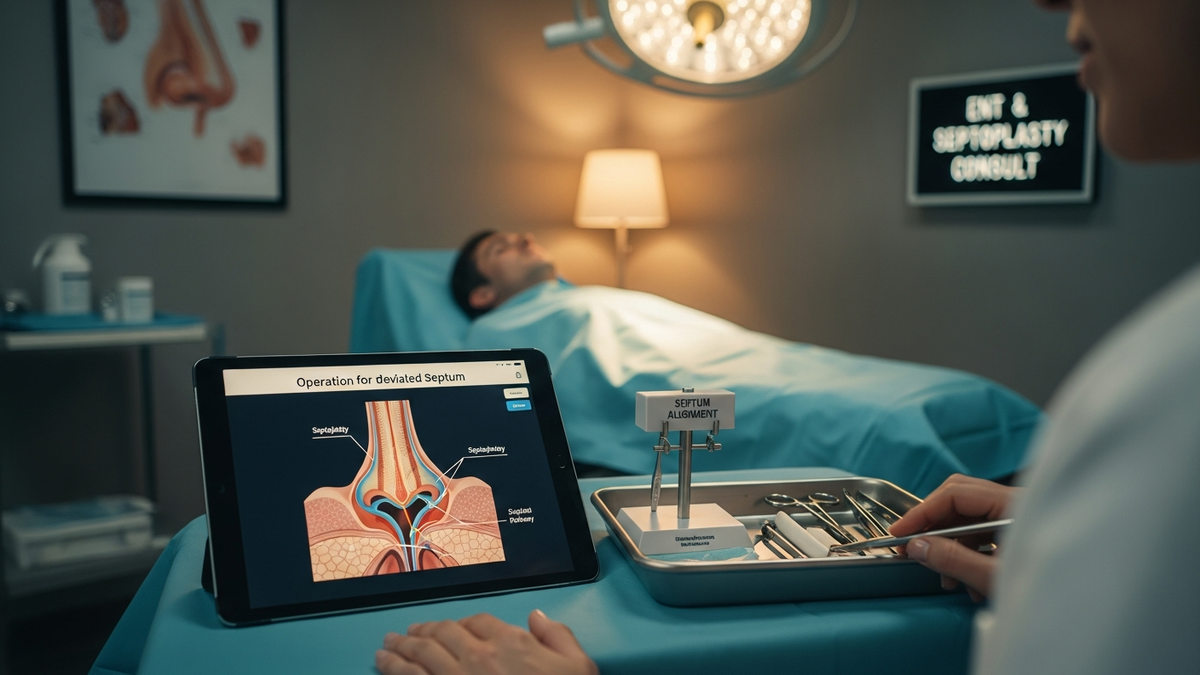
Septoplasty and Correcting Septal Issues
Septal deformities (often discussed as a Deviated Septum) can contribute to chronic nasal obstruction and abnormal airflow. In select patients, addressing these issues can improve comfort and breathing.
If septal alignment is part of your symptom picture, you may want to review Septoplasty and, if relevant, Deviated Septum resources with a qualified clinician.
Inferior Turbinate Reduction vs. Tissue Preservation
Some ENS-like symptoms can emerge after turbinate tissue has been reduced too aggressively. In other contexts, turbinate procedures are used to treat long-term nasal obstruction. The key difference is balancing airflow improvement with preservation of humidification and sensory function.
That’s why a “one-size-fits-all” approach can be risky. A functional nasal specialist may evaluate whether prior reduction was excessive or whether a different strategy is needed.
Nasal Valve Collapse: Non-Surgical Options First
Nasal valve collapse can worsen breathing and change airflow sensation. Not every case requires surgery. Non-surgical approaches may include allergy medications and other conservative measures designed to improve airway size and breathing ease.
When symptoms are severe or persistent, surgical repair options may be discussed—always based on thorough exam and imaging.
Septal Perforation Repair (If Present)
If a hole through the septum exists, it can contribute to dryness, whistling, crusting, and breathing discomfort. A septal perforation repair plan may be relevant for some ENS-like cases—again, only after careful diagnostic work.
How Clinicians Evaluate ENS Without Guesswork
Because ENS is symptom-based and mechanism-driven, evaluation should be comprehensive. A high-quality workup typically includes:
- Detailed symptom history (onset timeline, prior surgeries, triggers)
- Anterior and endoscopic nasal exam to assess mucosa, crusting, and anatomy
- Assessment of airflow dynamics and nasal valve function
- Evaluation of dryness and inflammation
- Consideration of sleep quality and breathing-related distress
In practice, a clinician may compare subjective symptoms with objective findings to identify whether the main driver is dryness, inflammation, airflow turbulence, or structural compromise.
Evidence-Based Self-Care: What You Can Do Now
If you’re exploring empty nose syndrome without surgery, here are practical steps that many patients can start immediately—while still arranging proper medical evaluation:
Daily Nasal Care Routine (Simple, Consistent, Gentle)
- Use saline irrigation as directed by your clinician to reduce crusting and support mucosal health.
- Moisturize with gels/sprays intended for intranasal use, especially at night.
- Humidify your environment (bedroom humidifier can be especially helpful).
- Protect from irritants like smoke, dry indoor air, and strong chemical odors.
Track Symptom Patterns
ENS symptoms can fluctuate with humidity, allergens, stress, sleep position, and activity. Consider keeping a brief log:
- Time of day symptoms worsen
- Weather/humidity changes
- Allergy flare-ups
- Crusting or burning severity
This helps your clinician tailor treatment and avoid trial-and-error.
Address Allergies Proactively
If allergies are part of your history, don’t wait for severe flare-ups. Discuss options with your clinician—including sublingual immunotherapy (SLIT) when appropriate—so inflammation doesn’t keep the nasal lining in an irritated state.
Why “Another Surgery” Can Be a Risk—and When It Can Help
The concern behind empty nose syndrome without surgery is valid: repeat operations can sometimes worsen symptoms if they further reduce nasal function needed for humidification and sensory feedback.
That’s why many modern approaches emphasize:
- Functional, anatomy-aware planning
- Tissue preservation when possible
- Targeted correction of specific structural issues rather than broad resection
- Clear goals: comfort, airflow stability, mucosal restoration, and quality of life
In some patients, addressing sinus obstruction or airflow mechanics can improve comfort. But for ENS, the decision should be made carefully, with a clinician experienced in functional nasal surgery and ENS-like presentations.
Working With a Functional Nasal Specialist
When you’re dealing with complex nasal symptom patterns, expertise matters. Dr. Hootan Zandifar specializes in functional nasal surgery helping treat chronic symptoms of nasal congestion and sinusitis using minimally invasive procedures. The emphasis is on improving nasal breathing and quality of life by addressing structural contributors—such as Septoplasty for septal issues, inferior turbinate considerations for long-term stuffiness, and repair strategies when nasal valve collapse or other functional problems are present.
For patients who have already had nasal surgery and now face ENS-like symptoms, a careful functional evaluation can help determine whether non-surgical strategies are enough—or whether targeted functional correction is appropriate.
Related Consideration: Cosmetic Nose Surgery vs. Functional Outcomes
Some patients assume that Rhinoplasty is the solution to ENS-like discomfort. In reality, cosmetic and functional goals can conflict. Cosmetic changes should not be pursued without a clear functional rationale—especially when symptoms involve dryness, air hunger, or sensory disruption.
If you’re considering cosmetic changes while dealing with ENS symptoms, it’s crucial to prioritize nasal function and mucosal health. You may find it helpful to review Rhinoplasty discussions with a qualified professional who focuses on head and neck function.
FAQ: Empty Nose Syndrome Without Surgery
Can empty nose syndrome improve without surgery?
In some cases, yes—especially when symptoms are driven by dryness, inflammation, or correctable contributors like allergies. Moisture restoration, consistent nasal care, and targeted allergy treatment can reduce discomfort for many patients. However, improvement depends on the underlying mechanism of ENS-like symptoms.
What’s the best non-surgical treatment for empty nose syndrome?
There isn’t one single “best” option. Many clinicians focus on moisture restoration (humidification, saline irrigation, intranasal moisturizers), allergy control, and symptom-directed supportive care. The most effective plan is individualized based on nasal exam findings and symptom patterns.
How do I know if my symptoms are truly empty nose syndrome?
ENS symptoms can overlap with chronic rhinitis, sinusitis, nasal valve collapse, and other structural or inflammatory issues. A thorough evaluation by an ENT or functional nasal specialist—often including nasal endoscopy—is the most reliable way to determine what’s driving your symptoms.
Will saline irrigation make empty nose syndrome worse?
For many patients, saline irrigation helps reduce crusting and irritation. That said, technique and product choice matter. If irrigation worsens discomfort, stop and discuss alternatives with your clinician rather than continuing a routine that aggravates symptoms.
When should I consider surgery for ENS-like symptoms?
Non-surgical care is often a first-line approach. Surgery may be considered if there is a clear structural issue that non-surgical measures cannot address (for example, specific airflow mechanics, significant sinus obstruction, or other identifiable anatomic contributors). The decision should be carefully weighed due to the risk of worsening symptoms if tissue function is further reduced.
CTA: Take the Next Step Toward Relief
If you’re searching for empty nose syndrome without surgery, you’re not alone—and relief is possible for many patients through a targeted, mechanism-based plan. The most important first move is a thorough evaluation to identify what’s driving your symptoms today.
Schedule a consultation with a functional nasal specialist to discuss your history, prior procedures, and the most appropriate non-surgical and/or functional treatment options for your specific anatomy and symptom pattern.
Note: If you’re also exploring cosmetic options for the head and neck, make sure any plan prioritizes nasal function and comfort. For example, some patients research procedures like Blepharoplasty or even a Facelift for appearance goals—while continuing to manage nasal symptoms separately with appropriate medical care.
Professional Disclaimer
This content is provided for general educational purposes only by FlowGeniQ Digest. It is not a substitute for professional advice, diagnosis, or treatment. Readers are advised to consult qualified professionals for personalized recommendations.
Medical Information Disclaimer
This content is provided for general educational purposes only by FlowGeniQ Digest. It is not a substitute for professional advice, diagnosis, or treatment. Readers are advised to consult qualified professionals for personalized recommendations.