FlowGeniQ Digest is committed to helping readers understand complex medical topics with clarity and context. In that spirit, this article addresses death empty nose syndrome—a condition that can affect patients after nasal surgery or chronic nasal disease. If you’ve ever felt “air should be flowing” but your nose still doesn’t feel right, you’re not alone. Let’s break down what this syndrome is, how it’s diagnosed, and what treatment options may help.
What Is Death Empty Nose Syndrome?
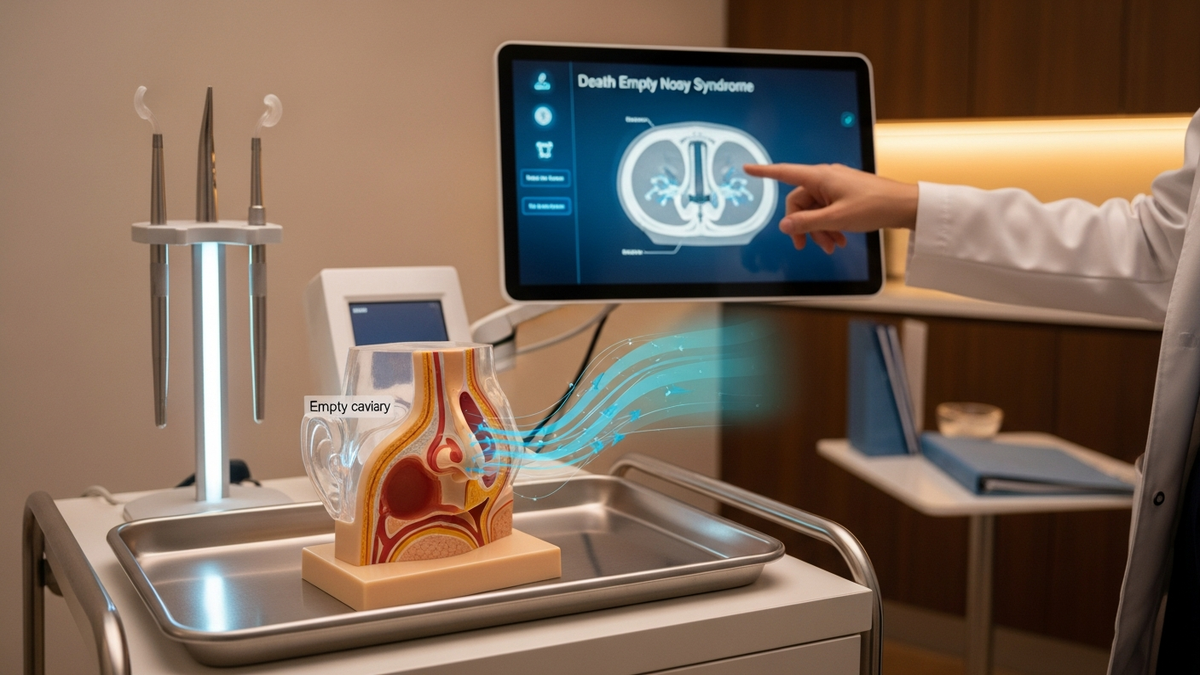
Death empty nose syndrome (often discussed online under the broader concept of “empty nose syndrome”) is a distressing sensation of nasal abnormality—commonly described as a feeling of air hunger, paradoxical dryness, or a sense that the nose is “too open” or “empty,” even when airflow is objectively present. People may experience persistent discomfort, impaired quality of life, and significant anxiety related to breathing sensations.
It’s important to note that the terminology used online can vary. Clinically, patients and clinicians often refer to empty nose syndrome or nasal obstruction sensation disorders. Regardless of the label, the key issue is that the brain’s perception of nasal airflow and airflow-related sensory input can become mismatched with the physical reality of nasal passages.
Why the “Empty” Sensation Can Feel So Real
The nose is not only an air pathway—it’s also a sensory organ. Nasal airflow is detected by specialized receptors that help regulate comfort, breathing sensation, and reflexes that keep the airway moist and functional. When nasal anatomy, airflow dynamics, or mucosal sensation changes—whether from chronic disease, structural defects, or surgery—some patients report an intense mismatch between what they measure (air moving) and what they feel (not enough airflow sensation or abnormal airflow).
That mismatch is one reason patients describe symptoms as severe and emotionally taxing. If you’re living with this, the goal is not to “push through,” but to evaluate the underlying drivers and pursue targeted, evidence-informed care.
Common Symptoms of Death Empty Nose Syndrome
Symptoms vary, but many patients describe a cluster of sensory, breathing, and comfort-related complaints:
- Air hunger (a persistent urge to breathe more deeply or get “enough” sensation)
- Paradoxical nasal emptiness (feeling that the nose is open but not functioning normally)
- Dryness or burning sensation in the nasal passages
- Crusting and discomfort that may worsen over time
- Reduced sense of smell or altered smell perception
- Breathing-related anxiety triggered by the abnormal sensation
- Sleep disruption due to discomfort and breathing awareness
Actionable recommendation: If you suspect death empty nose syndrome, track symptoms daily (dryness, airflow sensation, crusting, sleep quality) and note what improves or worsens them—saline rinses, humidification, allergy flares, or time of day. This can help your clinician correlate symptoms with anatomy and inflammation.
What Causes Death Empty Nose Syndrome?
Most discussions center around how nasal surgery and chronic nasal disease can alter airflow sensation and mucosal function. While not every patient after nasal surgery develops these symptoms, certain scenarios are repeatedly reported.
Nasal Surgery and Altered Airflow Dynamics
Some patients develop empty-nose-type symptoms after procedures that significantly change nasal airflow patterns or reduce turbinate tissue. For example, patients may undergo interventions targeting chronic obstruction, but if the balance between airflow and sensory input is disrupted, discomfort can persist.
In functional nasal surgery, the aim is usually restoration of normal function, not simply widening passages. When the nose becomes “too open” from a sensory standpoint—or when mucosal health is compromised—patients may experience persistent abnormal sensations.
Chronic Inflammation, Mucosal Dryness, and Crusting
Another contributing factor can be chronic inflammation or dryness that affects the nasal mucosa. When the lining does not humidify and condition air as it should, patients may feel burning, tightness, or dryness. These symptoms can overlap with empty-nose sensation disorders.
Allergy can also influence nasal function. If allergies are driving inflammation, symptom control may improve both comfort and breathing sensation.
Structural Issues (Deviated Septum, Turbinate Hypertrophy, Nasal Valve Problems)
Structural defects can create abnormal airflow patterns that affect how the nose feels. A Deviated Septum can obstruct one or both sides and alter airflow distribution. Turbinate enlargement can cause chronic congestion. Nasal valve collapse can restrict airflow and trigger compensatory breathing behaviors.
Importantly, treating structural problems with the right approach can be part of a comprehensive plan—whether the patient’s concern is congestion, airflow mismatch, or sensory discomfort.
How Clinicians Evaluate Empty Nose Syndrome
Diagnosis is often complex because symptoms are subjective but the evaluation must address objective factors. A thorough assessment may include:
- Detailed symptom history (timing relative to surgery, onset pattern, triggers)
- Physical exam and nasal endoscopy to assess mucosa, crusting, scarring, and anatomy
- Imaging when sinus disease is suspected
- Assessment of nasal airflow and function (clinical testing and sometimes specialized airflow measurements)
- Evaluation for contributing conditions such as chronic sinusitis, allergies, reflux, or dryness disorders
Actionable recommendation: Bring your operative reports and a timeline of interventions (including medication changes) to your appointment. In many cases, understanding what changed in the nose—anatomically and functionally—helps guide the next steps.
Treatment Options for Death Empty Nose Syndrome
There is no single universal cure, but evidence-based care typically focuses on restoring normal nasal function—humidification, mucosal quality, airflow comfort, and addressing any structural or inflammatory drivers.
1) Medical Management: Moisture, Mucosal Support, and Symptom Control
Many patients benefit from a strategy that targets dryness and mucosal irritation. Clinicians may recommend:
- Saline irrigation to clear crusts and support mucosal hydration
- Humidification (especially in dry climates or during winter)
- Moisturizing gels or sprays tailored to your tolerance and clinician guidance
- Management of reflux or irritants if suspected
Because symptoms can overlap with chronic rhinitis or sinus issues, the medical plan should be individualized. For some patients, controlling inflammation also improves sensory discomfort.
2) Allergy Treatment to Reduce Inflammation
Allergies can affect nasal airflow comfort and mucosal health. If allergies are present, treating them can reduce swelling and improve nasal function.
One option discussed in functional nasal care is Sublingual Immunotherapy (SLIT) – No Shot Method, a no-shot approach for certain patients that aims to treat allergies without an injection. If your symptoms include seasonal patterns, itchy eyes, sneezing, or clear drainage, ask your clinician whether an allergy evaluation is appropriate.
Actionable recommendation: If your symptoms worsen with pollen, dust, or seasonal changes, consider allergy testing or a targeted treatment trial under medical supervision.
3) Functional Nasal Surgery When Anatomy Contributes
In some cases, symptoms persist because airflow distribution and nasal structure are abnormal. Functional nasal surgery is designed to improve breathing mechanics and nasal function, often with minimally invasive approaches.
For example, patients with obstruction related to a structural defect may be candidates for procedures such as:
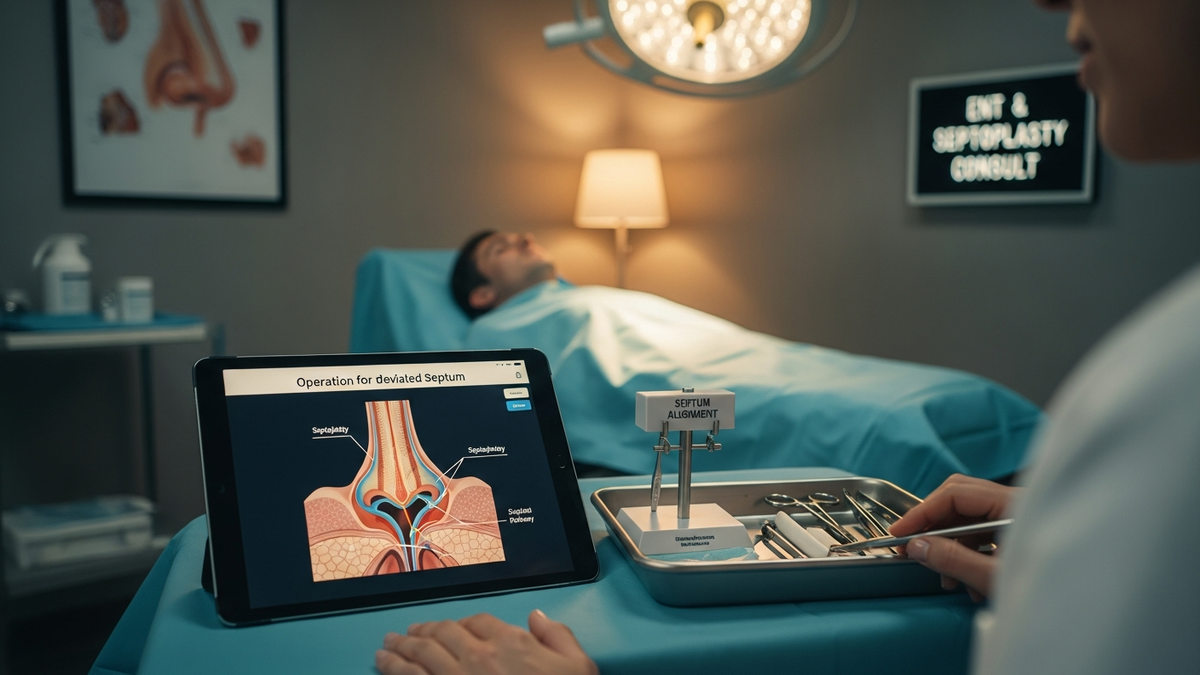
- Septoplasty to straighten a crooked septum. Learn more: Septoplasty and Deviated Septum.
- Inferior Turbinate Reduction for long-term “stuffy nose” related to enlarged turbinates (selected patients).
- Repair of nasal valve collapse (non-surgical options may include steroid and non-steroid allergy medications and other non-invasive treatments; surgical options may include implants or other techniques).
- Septal perforation repair when there is a hole extending through the septum and symptoms like chronic bleeding or whistling occur.
- Balloon sinuplasty for blocked sinus passages and chronic sinus infections in appropriate candidates.
In particular, endoscopic sinus surgery can treat and restore normal sinus function. When sinus passages are widened appropriately, trapped mucus may clear, recurrent infections may decrease, and the sense of smell can improve. This type of functional restoration may be relevant when empty-nose-like symptoms coexist with chronic sinusitis.
4) Endoscopic Sinus Surgery for Restoring Normal Function
Chronic sinusitis can contribute to persistent nasal discomfort, drainage abnormalities, and altered smell. With endoscopic sinus surgery (often image-guided), clinicians can treat diseased sinus areas and restore normal sinus function. The procedure aims to create a widened sinus passage that can help eliminate trapped mucus, reduce recurring infections, and restore smell.
While endoscopic sinus surgery is not a direct “empty nose syndrome procedure,” restoring sinus physiology and reducing ongoing inflammation can improve the overall nasal environment—sometimes reducing dryness, irritation, and sensory distress.
5) When Cosmetic vs Functional Goals Overlap
Some patients who undergo nasal cosmetic procedures such as rhinoplasty later experience breathing discomfort or altered nasal sensations. Others seek functional improvement and cosmetic refinement together.
If you’re exploring surgical options, it helps to ask whether your primary goal is cosmetic enhancement, functional restoration, or both. If you’re considering a nose procedure, review functional outcomes carefully.
Related reading: Rhinoplasty.
Actionable recommendation: Ask your surgeon to explain how the plan preserves or restores mucosal health and nasal sensory function—not only how it changes airflow.
Living With Death Empty Nose Syndrome: Practical Coping Strategies
Even with medical and surgical evaluation, day-to-day comfort matters. Here are evidence-informed strategies patients often use while working with clinicians:
Optimize Nasal Moisture
- Use saline irrigation as directed to reduce crusting.
- Consider a bedside humidifier, especially at night.
- Avoid overuse of decongestant sprays unless specifically instructed.
Reduce Irritants
- Limit exposure to smoke, strong fragrances, and dusty environments.
- Check indoor air quality and ventilation.
Support Sleep and Anxiety Management
Because breathing sensations can be anxiety-provoking, consider discussing coping strategies with your clinician. Some patients benefit from a coordinated approach that includes mental health support, especially when symptoms disrupt sleep or cause persistent fear about breathing.
Actionable recommendation: If you notice escalating anxiety or depressive symptoms related to breathing discomfort, seek support early. Addressing mental health is part of comprehensive care—not a distraction from the medical problem.
Who Is Dr. Hootan Zandifar? A Functional-Nasal Perspective
For patients in Los Angeles and beyond, it can be reassuring to find a surgeon who prioritizes functional nasal restoration. Dr. Hootan Zandifar specializes in functional nasal surgery to help treat chronic nasal congestion and sinusitis using minimally invasive procedures.
When chronic congestion is driven by structural defects—such as a deviated septum or enlarged nasal turbinates—surgical intervention may be the best course of action in the right circumstances. Dr. Zandifar’s approach emphasizes restoring normal function and improving quality of life, with a focus on patient education and natural-looking results.
To explore a relevant example of functional restoration, you can review Septoplasty and how it addresses a Deviated Septum.
Note: Empty-nose-type symptoms require individualized evaluation. The appropriate plan depends on your anatomy, mucosal health, inflammation status, and the history of prior procedures.
Questions to Ask Your ENT or Nasal Specialist
If you’re concerned about death empty nose syndrome, use these questions to guide your visit:
- What diagnosis best fits my symptoms? Is it empty nose syndrome, chronic rhinitis, chronic sinusitis, or another condition?
- What objective findings support the diagnosis? Can we review endoscopy results and any airflow measurements?
- Could dryness or mucosal injury be contributing? What is my mucosa currently doing?
- Are allergies or inflammation involved? Would allergy testing or Sublingual Immunotherapy (SLIT) – No Shot Method be appropriate?
- Are there structural issues to address? Would Septoplasty, turbinate management, or nasal valve repair help my airflow sensation?
- What is the step-by-step plan? What should we try first, and what would change the plan if symptoms persist?
Actionable recommendation: Bring a list of all medications and prior procedures. Timing is critical—especially if symptoms began after surgery.
Related Topics: Functional Surgery vs Cosmetic Procedures
Many patients researching death empty nose syndrome also encounter content about cosmetic nasal surgery. While cosmetic procedures can be performed safely and effectively, the key is ensuring that functional anatomy and mucosal health are respected.
If you’re comparing options, consider reviewing how functional and cosmetic goals may differ. For broader context on surgical facial procedures (not specifically for empty-nose symptoms), some patients explore other head-and-neck operations. For example:
- Blepharoplasty information: Blepharoplasty
- Facelift information: Facelift
- Rhinoplasty information: Rhinoplasty
These links are provided for additional reading on head-and-neck surgical topics. Your best next step for death empty nose syndrome remains a targeted evaluation with a qualified ENT or functional nasal specialist.
FAQ: Death Empty Nose Syndrome
Is death empty nose syndrome the same as empty nose syndrome?
In most discussions, “death empty nose syndrome” refers to the broader concept of empty nose syndrome—a condition characterized by paradoxical nasal sensations such as air hunger or emptiness despite airflow. Terminology can vary, so clinicians typically focus on symptoms and objective findings rather than labels alone.
Can empty nose syndrome happen after sinus surgery?
It can be associated with nasal surgeries that significantly alter airflow dynamics or nasal tissue. However, symptoms can also overlap with chronic sinusitis, dryness, allergies, or other nasal disorders. A careful evaluation is essential to determine the specific cause in your case.
What treatments are most commonly recommended?
Common approaches include medical management to improve nasal moisture and reduce crusting, allergy and inflammation control (when present), and—when appropriate—functional interventions to address structural contributors. For sinus disease, endoscopic sinus surgery may restore normal sinus function in selected patients.
How long does it take to improve?
Timelines vary widely depending on the underlying cause, the severity of symptoms, and the treatment plan. Some patients experience improvement with moisture and inflammation control, while others may require structural or procedural approaches. Your clinician can provide a more realistic timeline after assessment.
When should I seek urgent care?
Seek urgent evaluation if you have severe bleeding, fever, worsening facial pain, significant swelling, or symptoms suggesting an acute infection. For persistent breathing sensation abnormalities, schedule a non-urgent but timely appointment with an ENT or nasal specialist.
CTA: Get a Personalized Plan for Nasal Function and Comfort
If you suspect death empty nose syndrome—or you’ve had nasal surgery and now feel persistent dryness, air hunger, or paradoxical nasal sensations—consider taking a structured next step. A functional nasal evaluation can help clarify whether your symptoms relate to mucosal health, chronic sinusitis, allergies, or structural airflow issues.
Request an appointment with a qualified nasal specialist to review your history, perform an endoscopic exam, and discuss evidence-based options tailored to your anatomy and symptoms. If you’re located in the Los Angeles area, you can explore the functional nasal approach offered by Dr. Hootan Zandifar and schedule an online consultation.
Optional related reading: If you’re also considering other elective procedures, you may find educational resources on Rhinoplasty and Septoplasty helpful for understanding functional outcomes.
Professional Disclaimer
This content is provided for general educational purposes only by FlowGeniQ Digest. It is not a substitute for professional advice, diagnosis, or treatment. Readers are advised to consult qualified professionals for personalized recommendations.
Medical Information Disclaimer
This content is provided for general educational purposes only by FlowGeniQ Digest. It is not a substitute for professional advice, diagnosis, or treatment. Readers are advised to consult qualified professionals for personalized recommendations.