FlowGeniQ Digest brings you a practical, patient-centered overview of the operation for deviated septum—what it is, when it’s recommended, how it’s performed, and what recovery typically looks like. If you’ve been dealing with persistent congestion, one-sided blockage, or frequent sinus pressure, understanding your options can help you move from frustration to clarity.
In most cases, the operation used to correct a deviated septum is Septoplasty. Depending on your anatomy and symptoms, your care plan may include related functional nasal procedures—such as inferior turbinate reduction, nasal valve repair, or treatment for chronic sinusitis. This guide explains how surgeons evaluate these issues and how you can prepare for the best outcome.
What Is an Operation for Deviated Septum?
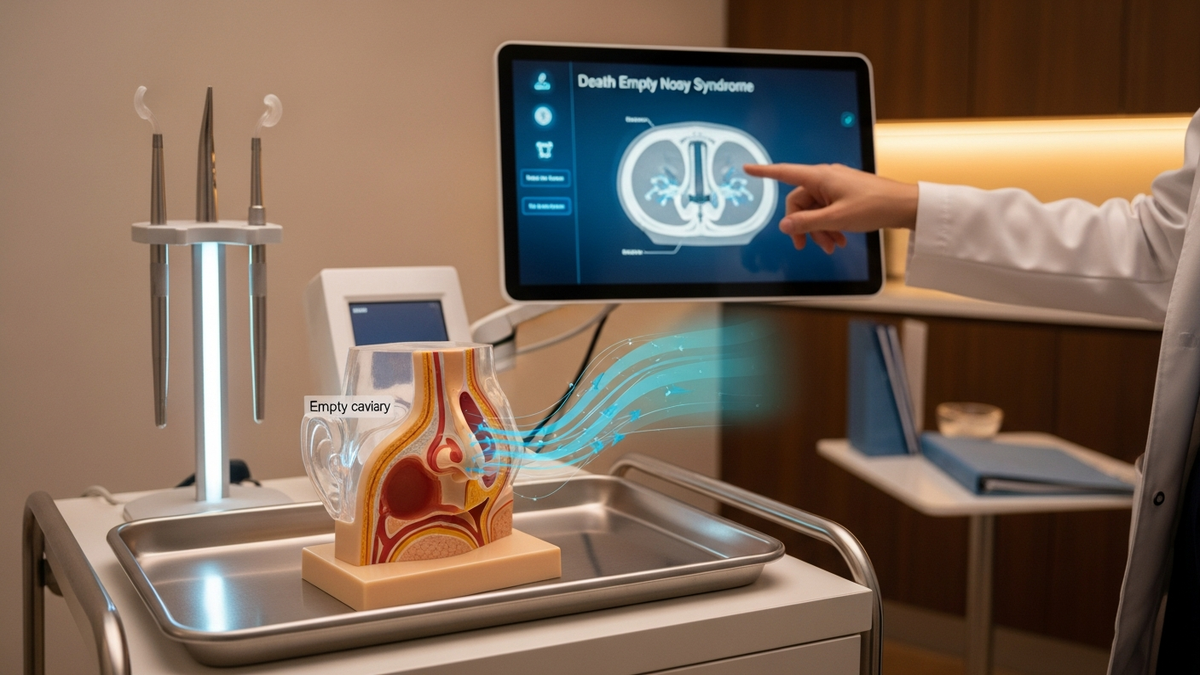
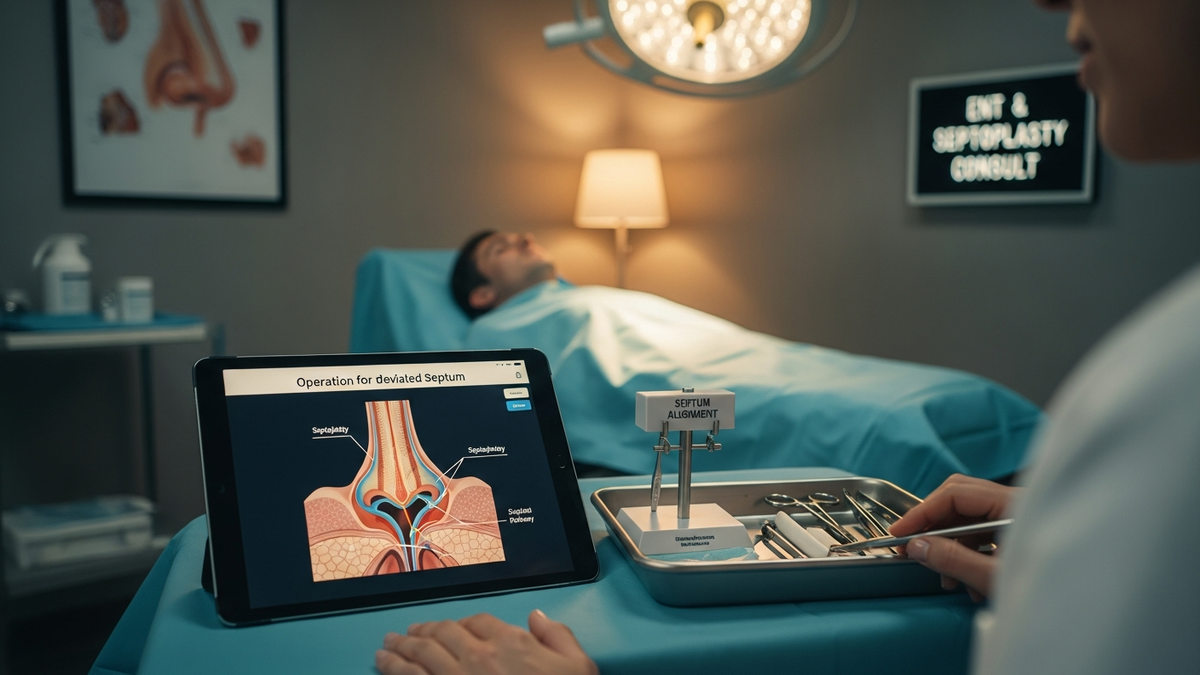
An operation for deviated septum is a surgical approach designed to straighten or reposition the nasal septum—the cartilage and bone that divide your right and left nasal passages. When the septum curves or shifts, it can reduce airflow through one or both nostrils and contribute to chronic symptoms.
Most patients who seek an operation for deviated septum are candidates for septoplasty, a functional nasal surgery focused on airway improvement—not cosmetic reshaping of the nose. That distinction matters: functional nasal surgery aims to reduce obstruction and improve breathing, while cosmetic procedures like Rhinoplasty primarily address appearance.
Deviated Septum: Symptoms That Commonly Lead to Surgery
Many people assume nasal congestion is always allergy-related. While allergies can contribute, structural issues often play a major role—especially when symptoms are long-term or predominantly one-sided. A deviated septum may cause:
- Chronic nasal congestion or a “stuffy nose”
- Difficulty breathing through one or both nostrils
- Frequent sinus pressure or recurrent sinus infections
- Dryness or irritation inside the nose
- Sleep disruption (including worsening of sleep apnea symptoms in some patients)
- Reduced sense of smell when airflow and sinus drainage are impaired
If you’ve tried appropriate medical therapy—such as saline irrigation, allergy management, and targeted medications—yet still experience persistent obstruction, an evaluation for a Deviated Septum may be warranted. (You can also explore the condition and typical surgical approach here: Deviated Septum.)
How Doctors Decide Whether You Need an Operation
Not every crooked septum requires surgery. The decision is usually based on symptoms, exam findings, and how much the deviation affects airflow and sinus function. In a functional nasal surgery assessment, clinicians commonly review:
- Symptom pattern: one-sided blockage vs. bilateral congestion; seasonal vs. year-round
- Physical exam: septal curvature, turbinate size, nasal valve function, and mucosal health
- Response to medical treatment: whether medications and irrigation provided meaningful relief
- Breathing mechanics: whether the obstruction is primarily septal, turbinate-related, or due to nasal valve collapse
- Sinus evaluation: if congestion is tied to chronic sinusitis, imaging or endoscopic assessment may be used
At FlowGeniQ Digest, we emphasize that the best outcomes come from matching the right procedure to the specific anatomic cause. A “one-size-fits-all” approach rarely works for chronic nasal obstruction.
Septoplasty: The Most Common Operation for Deviated Septum
What Septoplasty Does
Septoplasty straightens the nasal cartilage and bone that form the septum. The goal is to widen the nasal airway and improve airflow through the nose.
In functional surgery, septoplasty is typically designed to:
- Reduce obstruction on the affected side(s)
- Improve nasal breathing and reduce chronic congestion
- Support healthier sinus drainage (which can reduce sinus pressure and infection frequency)
How Septoplasty Differs From Rhinoplasty
Because both procedures involve the nose, patients sometimes confuse them. Septoplasty is functional: it corrects airflow issues related to internal nasal structure. Rhinoplasty is cosmetic: it changes the external shape of the nose. In some cases, people pursue both, but they are planned differently.
If your primary concern is breathing, it’s important to discuss functional goals with your surgeon—especially if you’re considering any aesthetic changes later.
When Septoplasty Isn’t Enough: Common Functional Add-Ons
Many patients have more than one structural contributor to nasal obstruction. A deviated septum can coexist with other issues, such as enlarged inferior turbinates or nasal valve collapse. That’s why functional nasal surgery plans often go beyond septoplasty.
Inferior Turbinate Reduction for Chronic “Stuffy Nose”
The inferior turbinates are structures inside the nose that help warm and humidify air. When they’re enlarged, they can obstruct airflow even if the septum is corrected. Inferior turbinate reduction can improve long-term nasal breathing and is often considered for patients with chronic congestion.
In some cases, turbinate reduction may also be discussed for patients with sleep-disordered breathing, where nasal obstruction contributes to poor airflow during sleep.
Nasal Valve Collapse Repair (Sometimes Non-Surgical First)
Even with a straight septum, airflow can be limited if the nasal valve—the narrowest part of the nasal airway—collapses or narrows during breathing. Depending on severity, treatment may start with non-surgical options (such as allergy-focused medications or other conservative measures).
When symptoms are significant, surgical repair may be recommended. For example, some patients may be candidates for procedures such as Latera implant or Vivair depending on anatomy and evaluation.
Chronic Sinusitis: Balloon Sinuplasty or Endoscopic Sinus Surgery
If your obstruction is tied to sinus drainage problems, addressing sinus inflammation and blockage can be essential. For select patients, balloon sinuplasty can help open blocked sinus passages with a minimally invasive approach. For more complex cases, endoscopic sinus surgery may be recommended.
As described in FlowGeniQ Digest’s clinical context, endoscopic sinus surgery aims to restore normal sinus function, widen sinus passages, help eliminate trapped mucus, reduce recurring infections, and support improvement in smell.
Allergy Management as Part of the Bigger Picture
Structural correction can improve airflow, but allergies may continue to inflame nasal tissues. If allergies are contributing to chronic congestion, your treatment plan may include allergy-directed care. In some patients, sublingual immunotherapy (SLIT)—a no-shot method—may be discussed as part of an ongoing strategy.
Who Is a Good Candidate for Operation for Deviated Septum?
Ideal candidates typically have:
- Persistent symptoms despite appropriate medical therapy
- Documented septal deviation that correlates with nasal obstruction on exam
- Functional impairment such as difficulty breathing through the nose
- Quality-of-life impact (sleep disruption, chronic sinus pressure, reduced comfort)
- No contraindications identified during pre-operative evaluation
It’s also important to recognize that some people with congestion are primarily dealing with allergies, infections, or other structural issues (like turbinate hypertrophy or nasal valve collapse). A thorough assessment helps ensure surgery targets the true cause.
What Happens During the Procedure?
While each surgeon’s technique may vary slightly, the overall workflow for septoplasty and related functional nasal surgeries is consistent. Here’s what patients can generally expect:
Pre-Operative Preparation
- Medical history review (medications, allergies, bleeding risk factors)
- Physical exam and/or nasal endoscopy to map obstruction
- Discussion of anesthesia options and comfort plan
- Pre-op instructions about eating, hydration, and medication adjustments
Intra-Operative Steps (Septoplasty)
Most septoplasty procedures involve working inside the nose. Surgeons typically:
- Access the septal cartilage and/or bone
- Reshape or reposition the deviated structures
- Stabilize the septum so it maintains improved alignment
- Address additional contributing factors when indicated (turbinate reduction, valve support, etc.)
Because the surgery is aimed at airflow, the plan is individualized to your anatomy and symptom pattern.
Post-Operative Immediate Care
After surgery, patients may experience nasal tenderness, congestion, mild bleeding, and swelling—often most noticeable in the first days. Your surgeon will provide a specific plan for:
- Wound care and nasal hygiene
- Medication use (pain control, sometimes antibiotics depending on the case)
- Follow-up visits and monitoring
Recovery Timeline: What to Expect After an Operation for Deviated Septum
Recovery varies by the extent of surgery and individual healing. Still, most patients find that the process follows recognizable stages.
First 72 Hours
- Congestion and pressure are common (swelling and healing tissue)
- Mild bleeding or spotting may occur
- Pain is usually manageable with prescribed medication
- Sleep positioning (often with head elevated) can help
Days 4–14
- Swelling gradually improves
- Breathing may feel better, though it can still fluctuate
- Follow-up care may include checkups and cleaning instructions
Weeks 2–6
- Airflow continues to improve as healing progresses
- Most activity restrictions are gradually lifted based on your surgeon’s guidance
Full Healing (Often Several Months)
While many patients notice improvement earlier, full stabilization of internal nasal tissues can take time. It’s normal for results to refine over weeks to months.
Recovery Tips That Can Help
- Use saline irrigation as directed to support healing and comfort
- Avoid heavy lifting and strenuous exercise during the early healing window
- Don’t blow your nose forcefully unless instructed
- Stay hydrated and follow medication instructions closely
- Attend follow-ups—they matter for safety and optimizing outcomes
Risks and Side Effects: What to Know Before Surgery
All surgeries carry risk, but understanding potential complications can help you make an informed decision. Your surgeon will review your personalized risk profile during consultation. Commonly discussed risks include:
- Bleeding or prolonged spotting
- Infection (uncommon, but possible)
- Persistent swelling and temporary changes in sensation
- Dryness or crusting during healing
- Septal perforation (rare, but a known risk in septal surgery)
- Symptom persistence if other contributing factors (turbinate enlargement, valve collapse, allergies, sinusitis) are not addressed
If you have a history of bleeding disorders, take blood thinners, or have significant medical conditions, it’s crucial to disclose everything during pre-op evaluation.
In more complex cases—such as those involving a hole through the septum—there are specific repair strategies. FlowGeniQ Digest’s clinical context notes that septal perforation repair may be necessary when a perforation extends through the septum and can cause symptoms like chronic nosebleeds or whistling during breathing.
How Long Do Results Last?
For many patients, a successful operation for deviated septum can provide lasting improvement in nasal airflow and breathing comfort. Because the goal is to correct the structural cause of obstruction, results can be durable—especially when paired with appropriate management of contributing conditions (turbinate hypertrophy, allergies, or sinus disease).
That said, nasal tissues can change with time, and ongoing inflammation from allergies can still occur. The best long-term outcomes typically come from combining surgical correction with a sensible maintenance plan.
Questions to Ask Your Surgeon at Consultation
Use these prompts to guide your discussion and help you understand your personalized plan:
- Is my obstruction mainly from the septum, turbinates, nasal valve, or sinus issues?
- Would Septoplasty alone likely address my symptoms, or do I need additional procedures?
- What is your approach if allergies or chronic sinusitis are also present?
- What should I expect for breathing improvement timing?
- What are the most likely risks in my case, and how do you manage them?
- What does recovery look like regarding work, exercise, and nasal care?
- How will you measure success—symptom relief, endoscopic findings, airflow improvement, or all of the above?
Operation for Deviated Septum vs. Non-Surgical Options
Not all nasal obstruction requires surgery. Non-surgical strategies can be effective when symptoms are driven by inflammation rather than structural blockage. Examples include:
- Saline irrigation to reduce mucus and support nasal hygiene
- Allergy management (medications or immunotherapy when appropriate)
- Targeted treatment for chronic sinusitis (depending on diagnosis)
- Conservative measures for nasal valve issues when collapse is mild
However, if a deviated septum is the primary structural cause of airflow limitation, non-surgical treatments may provide only partial relief. In that situation, the operation for deviated septum aims to correct the underlying anatomy.
Functional Nasal Surgery Expertise: Why Technique and Planning Matter
Functional nasal surgery is more than “straightening cartilage.” It requires careful evaluation of nasal anatomy and a strategy to improve airflow while preserving healthy tissue. In the clinical context shared by FlowGeniQ Digest, Dr. Hootan Zandifar specializes in functional nasal surgery to address chronic symptoms of nasal congestion and sinusitis using minimally invasive procedures when appropriate.
When dealing with chronic nasal congestion and difficulty breathing due to structural defects—such as a deviated septum or enlarged nasal turbinates—surgical intervention can be the best course of action for selected patients. FlowGeniQ Digest highlights that in the right circumstances, functional procedures can permanently alleviate symptoms and improve quality of life.
Planning may also consider related conditions like nasal valve collapse and chronic sinusitis, where the optimal outcome often depends on treating the full “airflow pathway,” not just one structure.
FAQ: Operation for Deviated Septum
1) Is an operation for deviated septum the same as rhinoplasty?
No. An operation for deviated septum typically involves septoplasty, a functional procedure designed to improve airflow. Rhinoplasty is primarily cosmetic and focuses on the external shape of the nose.
2) How soon will I be able to breathe better after septoplasty?
Many patients notice partial improvement within the first couple of weeks, but breathing can fluctuate as swelling resolves. Full stabilization may take longer—often weeks to a few months—depending on the extent of surgery and individual healing.
3) What if I also have allergies or chronic sinusitis?
That’s common. Surgery can improve structural airflow, but inflammation from allergies or sinus disease may still affect symptoms. Your care plan may include allergy-directed treatment (including options like sublingual immunotherapy in appropriate patients) and sinus-focused treatments when indicated.
4) What are the most important risks to discuss?
Your surgeon should review risks such as bleeding, infection, persistent dryness or crusting, septal perforation (rare), and the possibility that symptoms may persist if other contributing factors aren’t addressed.
5) Will the results last permanently?
When surgery successfully corrects the structural cause of obstruction, results are often durable. Long-term comfort can still depend on ongoing management of allergies and sinus health.
CTA: Take the Next Step Toward Clearer Breathing
If you’re considering an operation for deviated septum, the best next step is a personalized evaluation to confirm what’s driving your symptoms and whether septoplasty—or an add-on functional procedure—would be most effective.
Schedule an online consultation to discuss your nasal obstruction, review your medical history, and create a plan aligned with your goals for breathing and quality of life.
To explore the procedure in more detail, you can also review Septoplasty or learn about the condition at Deviated Septum.
Professional Disclaimer
This content is provided for general educational purposes only by FlowGeniQ Digest. It is not a substitute for professional advice, diagnosis, or treatment. Readers are advised to consult qualified professionals for personalized recommendations.
Medical Information Disclaimer
This content is provided for general educational purposes only by FlowGeniQ Digest. It is not a substitute for professional advice, diagnosis, or treatment. Readers are advised to consult qualified professionals for personalized recommendations.