FlowGeniQ Digest is committed to helping readers understand complex medical topics with clarity and care. If you’re searching for empty nose syndrome doctors, you’re likely dealing with a frustrating mismatch: your nose may look open, but your breathing—and comfort—don’t feel right.
Empty Nose Syndrome (ENS) is a rare but real condition often associated with prior nasal surgery. People with ENS commonly report chronic sensations such as air hunger, nasal dryness, burning, difficulty breathing through the nose, and sometimes anxiety or sleep disruption. Because symptoms can overlap with other ENT conditions, the most important first step is finding a clinician who can evaluate you thoroughly and thoughtfully.
This article explains how ENS is assessed, what to ask during your appointment, and how specialists—particularly functional nasal surgery and advanced ENT teams—approach treatment. You’ll also find a practical FAQ section to help you navigate next steps.
What Empty Nose Syndrome Is (and Why “Open” Isn’t Always “Breathing”)
Empty Nose Syndrome is characterized by a paradoxical sensation: the nasal cavity may feel excessively open or “empty,” while the patient experiences persistent discomfort and an intense need for more airflow. ENS is not simply “stuffy nose” or “runny nose.” Instead, it’s often described as a sensory and airflow regulation problem involving the nasal mucosa, airflow patterns, and neurologic perception of breathing.
Common ENS symptoms
- Air hunger (a compelling need to breathe more air)
- Paradoxical nasal breathing discomfort (feels wrong even when airflow is present)
- Nasal dryness, crusting, burning, or irritation
- Facial pressure or discomfort during breathing
- Sleep disturbance due to breathing sensations
- Anxiety that can develop as symptoms persist
Why ENS can be difficult to diagnose
ENS symptoms can resemble chronic rhinitis, sinusitis, nasal valve dysfunction, laryngopharyngeal reflux, anxiety-related breathing dysregulation, or even migraine-related sensory symptoms. Additionally, some people may have had prior procedures that altered nasal airflow and mucosal function. That’s why the best empty nose syndrome doctors focus on both structure and function—and they take time to rule out other causes before labeling ENS.
Who Treats Empty Nose Syndrome? What to Look for in Empty Nose Syndrome Doctors
Not all ENT specialists manage ENS in the same way. When you’re evaluating empty nose syndrome doctors, look for clinicians who combine:
- Functional nasal surgery expertise (not just cosmetic or purely structural approaches)
- Advanced diagnostic thinking to differentiate ENS from other causes
- Experience with minimally invasive and targeted revisions when appropriate
- Patient education and a plan that addresses both airway comfort and sensory symptoms
- Care coordination with sleep medicine, allergy specialists, and mental health professionals when needed
Functional nasal surgery vs. cosmetic-only “nose jobs”
ENS is often linked to changes in nasal airflow and turbinate/mucosal dynamics. For that reason, specialists who emphasize functional nasal surgery tend to be especially valuable. Many people also search for procedures like Rhinoplasty after prior surgeries, but it’s crucial to separate cosmetic goals from airway physiology. If you’re dealing with ENS, your primary priority should be breathing comfort and mucosal function, not appearance.
Why “the right diagnosis” matters
A correct diagnosis changes everything: treatment strategies for dryness and crusting differ from strategies for nasal valve collapse, septal issues, chronic sinus obstruction, or allergy-driven inflammation. Even within ENS care, clinicians may tailor treatment based on the specific airflow and sensory pattern.
How Doctors Evaluate Empty Nose Syndrome: What to Expect
When you see an experienced empty nose syndrome doctor, the visit typically includes a structured evaluation. While exact steps vary, you can expect the clinician to gather a detailed history, examine nasal anatomy, and consider diagnostic testing.
1) Detailed medical and surgical history
Be prepared to discuss:
- Any prior nasal surgeries (e.g., septoplasty, turbinate reduction, sinus surgery)
- Timeline: when symptoms began relative to surgery
- What you feel during breathing (air hunger vs. obstruction vs. dryness)
- Triggers (sleep, exercise, seasonal allergies, indoor air quality)
- Current medications, saline routines, and any allergy treatments
2) Nasal endoscopy and airflow-focused exam
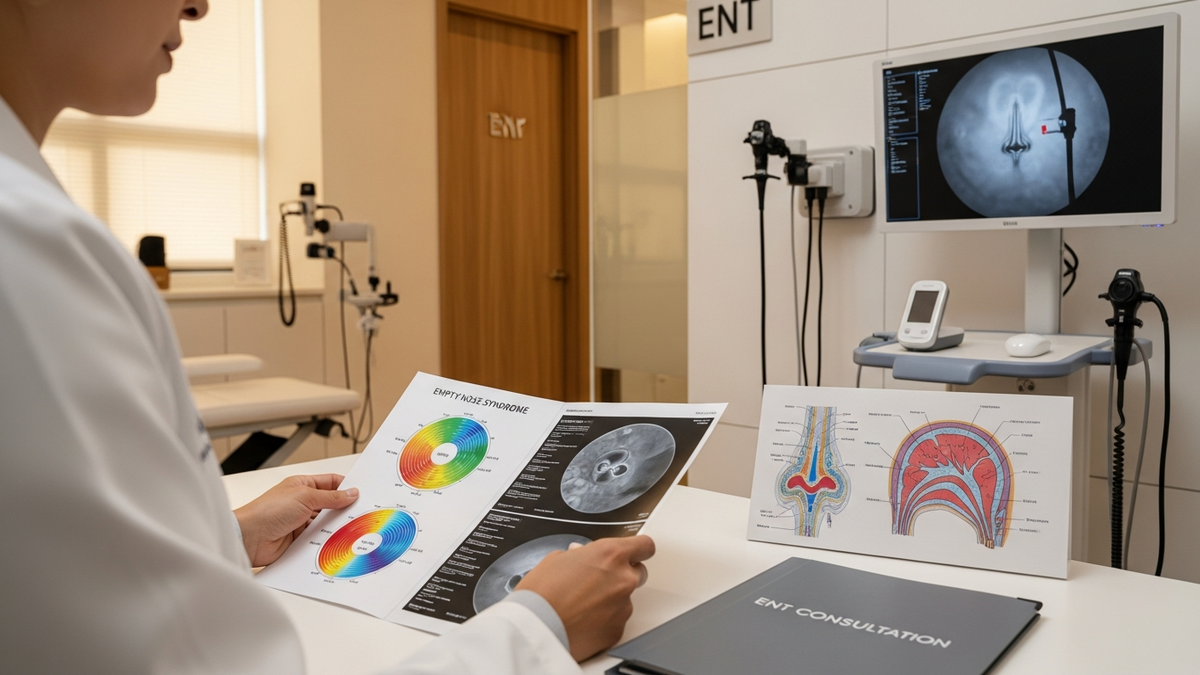
Endoscopic evaluation helps assess mucosal health, crusting, scar tissue, and structural contributors. Some clinicians also evaluate the nasal valve area and turbinate function because subtle changes can strongly affect airflow perception.
3) Imaging and/or additional testing (case-dependent)
Depending on your symptoms, doctors may recommend:
- Imaging to evaluate sinus anatomy or persistent sinus disease
- Allergy evaluation if inflammation is contributing
- Sleep assessment if nighttime symptoms are prominent
- Assessment for coexisting conditions like reflux or chronic rhinitis
If chronic sinusitis is suspected, advanced ENT care may include minimally invasive options such as balloon sinuplasty or endoscopic sinus surgery to address obstruction and restore normal sinus function.
Evidence-Based Treatment Options: What Empty Nose Syndrome Doctors May Recommend
Treatment for ENS is individualized. There isn’t a single universal cure, but many specialists use a layered approach: improve nasal comfort, optimize airflow dynamics, and address inflammation or sensory disruption.
Step 1: Restore mucosal comfort and hydration
Many patients benefit from a regimen that targets dryness and irritation. Common strategies include:
- Humidification and careful attention to indoor air
- Saline irrigation using techniques that don’t over-dry the mucosa
- Moisturizing gels/ointments when appropriate
- Medication review to avoid overly drying sprays
Because ENS symptoms can be sensory, comfort measures are often foundational—even when structural revision is considered.
Step 2: Address structural contributors (when present)
Some patients have additional or alternative diagnoses alongside ENS-like symptoms. A functional nasal specialist may consider whether structural issues are contributing to discomfort, such as:
- Septal deviation (which can be assessed and treated with Septoplasty or revision strategies when appropriate)
- Nasal valve collapse (which may be treated with non-surgical approaches or, in selected cases, procedures such as implants or other targeted repairs)
- Inferior turbinate reduction concerns if prior procedures created excessive airflow or mucosal compromise
- Septal perforation when a hole through the septum contributes to symptoms
For example, the evaluation may determine whether a patient has a Deviated Septum that contributes to airflow imbalance. In such cases, targeted functional correction can be considered with an experienced surgeon: Septoplasty is a commonly discussed option for septal alignment, and the clinician can explain whether it’s appropriate for your specific condition.
Step 3: Treat coexisting inflammation or sinus disease
Allergies and chronic sinus inflammation can worsen nasal discomfort and affect breathing sensations. An ENS evaluation may therefore include allergy-directed care. For some patients, innovative allergy options such as sublingual immunotherapy (SLIT) may be considered (when clinically appropriate) to reduce allergic triggers.
If sinus obstruction or chronic sinusitis is present, advanced ENT care can include endoscopic sinus surgery with image guidance to widen sinus passages, restore normal drainage, and reduce recurrent infections—potentially improving overall nasal function and quality of life.
Minimally Invasive Functional Options: A Functional Nasal Surgery Perspective
When choosing among empty nose syndrome doctors, it helps to understand what “functional nasal surgery” can mean in practice. Functional specialists typically focus on restoring normal nasal airflow and mucosal function while minimizing unnecessary disruption.
Septoplasty and related structural corrections
Many patients with breathing discomfort have structural issues such as septal deviation. Septoplasty (and revision strategies when indicated) aims to straighten the nasal cartilage and improve airflow. For patients who also experience dryness or sensory symptoms, the goal is not just airflow—it’s comfortable, physiologic breathing.
Inferior turbinate reduction—when “less” isn’t always better
Inferior turbinate reduction is sometimes recommended for chronic nasal congestion and long-term “stuffy nose.” However, because ENS is associated with altered nasal airflow perception and mucosal changes, the balance matters. A functional specialist will carefully consider whether prior turbinate reduction may have contributed to symptoms and whether revision strategies are appropriate.
Nasal valve collapse: a common, treatable contributor
Nasal valve collapse can cause breathing difficulty and may be mistaken for other conditions. Non-surgical options may include allergy medications and other non-invasive therapies designed to increase airway patency. When surgery is needed, selected patients may benefit from options such as implants (e.g., Latera) or other procedures (e.g., Vivair), depending on anatomy and severity.
Septal perforation repair
A septal perforation can produce chronic bleeding, whistling sounds, and breathing difficulty. In appropriate cases, septal perforation repair can help address these symptoms. If you have a history of nasal surgery and now experience whistling, bleeding, or persistent airflow discomfort, it’s important to bring this up during your evaluation.
Choosing the Right Empty Nose Syndrome Doctor: A Practical Checklist
Finding the right clinician is as important as finding the right treatment. Use this checklist to guide your search for empty nose syndrome doctors who take a comprehensive approach.
Questions to ask at your consultation
- How do you confirm the diagnosis? Ask what criteria they use and what other conditions they rule out.
- What is the underlying cause you suspect? ENS is often multifactorial; you want a reasoned hypothesis.
- What tests or exams will you perform? Endoscopy? Imaging? Allergy evaluation?
- What treatment plan do you recommend first? Dryness management, structural optimization, or both?
- What are realistic goals? For example: improved comfort, reduced air hunger, better sleep.
- What risks come with revision surgery? Make sure you understand potential outcomes and trade-offs.
- How will we measure progress? Ask about symptom tracking and follow-up milestones.
Red flags to avoid
- Clinicians who dismiss symptoms as “all in your head” without evaluation
- Overpromising immediate cures without addressing coexisting causes
- Skipping endoscopic exam or ignoring prior surgical history
- Offering cosmetic-only solutions when functional breathing is the primary concern
A Note on Expertise: Functional Nasal Surgery in Los Angeles and Beyond
Because ENS care requires a nuanced understanding of nasal anatomy and function, you may prefer a surgeon who specializes in functional nasal procedures and advanced ENT techniques. For example, Dr. Hootan Zandifar specializes in functional nasal surgery focused on chronic nasal congestion and sinusitis using minimally invasive procedures—an approach that aligns with the functional evaluation ENS requires.
In cases involving structural defects that affect nasal breathing—such as a deviated septum or enlarged nasal turbinates—surgical intervention may be considered when it offers meaningful improvement in airflow and quality of life. The key is careful selection and tailoring to the patient’s anatomy and symptoms.
When ENS-like symptoms overlap with sinus obstruction or allergic triggers, advanced care may also include endoscopic sinus surgery to restore normal sinus function or innovative allergy treatments such as sublingual immunotherapy (SLIT). The overarching theme is the same: treat the cause(s) of nasal discomfort and breathing dysfunction, not just the surface appearance.
Frequently Asked Questions About Empty Nose Syndrome Doctors
1) Are empty nose syndrome doctors ENT specialists?
Often, yes. ENS evaluation typically falls under ENT (otolaryngology) care. However, the best clinicians may also work with multidisciplinary teams—such as sleep medicine, allergy specialists, and mental health professionals—because symptoms can have both physiologic and sensory components.
2) Can ENS be mistaken for chronic sinusitis or allergies?
Yes. Symptoms like nasal discomfort, dryness, and breathing difficulty can overlap with chronic rhinitis, sinusitis, and allergy-driven inflammation. That’s why comprehensive exam and a structured differential diagnosis are essential.
3) What should I bring to my first appointment?
Bring your full surgical history (dates and procedure names if you have them), a list of current medications and sprays, photos or reports if available, and notes describing symptom timing and triggers. If you’ve tried saline routines or humidification, describe what you used and how you responded.
4) Will treatment always involve surgery?
No. Many patients start with comfort-focused strategies—hydration, moisture support, and treatment of inflammation or allergies. Surgery may be considered only when a clinician identifies specific structural contributors or when symptoms persist despite appropriate non-surgical care.
5) How long does it take to feel improvement?
It varies. Some comfort measures can help relatively quickly, while structural revision or allergy immunotherapy may take longer. Ask your doctor how they define progress and what timeline is reasonable for your situation.
Actionable Next Steps: How to Move Forward Today
If you’re currently searching for empty nose syndrome doctors, here’s a practical plan you can start this week:
- Write a symptom timeline (when symptoms started, what changed after surgery, what makes it better/worse).
- Collect your records from prior nasal procedures and any imaging reports.
- Track your daily comfort (dryness, air hunger, sleep quality) to discuss trends with your clinician.
- Schedule a functional-focused ENT evaluation and ask the diagnostic questions listed above.
- Adopt comfort-first strategies (humidification and appropriate saline routines) while you await evaluation—only as advised by your clinician.
Finally, remember that ENS care is personal. A thoughtful diagnosis and an individualized plan are what separate a “generic ENT visit” from the kind of specialist care that can genuinely improve quality of life.
CTA: Find the Right Care for ENS-Related Breathing Discomfort
If you’re dealing with persistent air hunger, nasal dryness, or breathing discomfort after prior nasal surgery, consider scheduling a consultation with a clinician experienced in functional nasal evaluation and advanced ENT care.
FlowGeniQ Digest encourages you to seek an expert opinion to confirm your diagnosis and discuss evidence-based, individualized options. If you’re in the Los Angeles or Beverly Hills area, you can start by exploring functional nasal solutions such as Septoplasty for septal-related airflow issues or, when appropriate, other functional procedures discussed during your assessment.
Ready for next steps? Schedule your visit and bring your symptom timeline and surgical history so your clinician can create a targeted plan for relief.
Professional Disclaimer
This content is provided for general educational purposes only by FlowGeniQ Digest. It is not a substitute for professional advice, diagnosis, or treatment. Readers are advised to consult qualified professionals for personalized recommendations.
Medical Information Disclaimer
This content is provided for general educational purposes only by FlowGeniQ Digest. It is not a substitute for professional advice, diagnosis, or treatment. Readers are advised to consult qualified professionals for personalized recommendations.