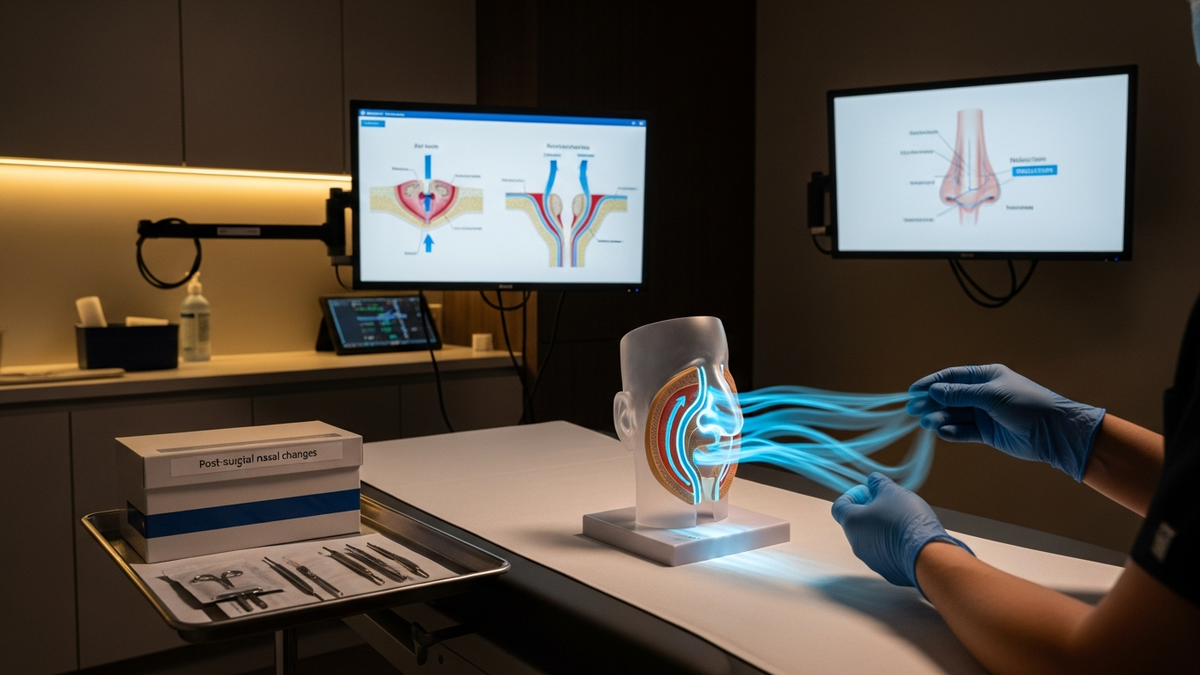
FlowGeniQ Digest brings you this evidence-informed overview of empty nose syndrome causes—a frustrating condition where patients experience persistent nasal discomfort and abnormal airflow sensations even when tests may suggest the nose is “open.” If you’ve undergone nasal surgery (such as sinus surgery or procedures to address obstruction) and later developed a hollow, overly dry, or paradoxical sense of nasal blockage, this article will help you understand what may be happening, what to ask your clinician, and which treatment pathways are commonly considered.
Note: “Empty nose syndrome” is not a simple label for one cause. It’s typically a symptom complex linked to changes in nasal airflow dynamics, nerve signaling, mucosal function, and sometimes the extent or location of surgical alterations. The goal is not only to reduce symptoms, but to restore normal nasal physiology as much as safely possible.
What Is Empty Nose Syndrome?
Empty nose syndrome is a term used for a condition in which patients feel paradoxical nasal discomfort—often described as dryness, burning, a hollow or “too open” sensation, or difficulty breathing—despite objective findings that may show a widened nasal passage. Many patients report a sense of air hunger, meaning they feel they cannot get enough airflow or that breathing does not feel physiologically “right.”
Because symptoms can be severe and persistent, understanding the empty nose syndrome causes—including the surgical and non-surgical factors that contribute to abnormal airflow and sensation—is essential for developing a realistic care plan.
Empty Nose Syndrome Causes: The Most Common Mechanisms
The causes of empty nose syndrome are usually multifactorial. Clinicians often consider several mechanisms together: structural changes that alter airflow patterns, loss of normal mucosal contact, impaired humidification, and changes to sensory nerve signaling. Below are the most frequently discussed contributors.
1) Overly Widened Nasal Passages After Nasal or Sinus Surgery
One of the most commonly discussed contributors to empty nose syndrome is excessive widening of the nasal airway or sinus passages following surgical intervention. When the nose is altered in a way that reduces normal turbulence and mucosal contact, the sensory experience of breathing can become abnormal.
In functional sinus care, endoscopic sinus surgery can be highly effective for chronic sinusitis—particularly when the aim is to restore normal sinus function. For example, endoscopic sinus surgery can create a widened sinus passage that helps eliminate trapped mucus, reduce recurring infections, and restore the sense of smell. However, if postoperative anatomy and airflow dynamics lead to reduced mucosal contact or abnormal airflow sensation, some patients may develop persistent discomfort.
2) Inferior Turbinate Reduction or Significant Turbinate Tissue Changes
The inferior turbinates are critical for normal nasal physiology. They help humidify, warm, and filter inhaled air and contribute to airflow resistance and sensory feedback. Procedures such as inferior turbinate reduction are often used to address long-term “stuffy nose” and chronic nasal congestion. When reduction is extensive for the patient’s anatomy and physiology, it may contribute to an abnormal “empty” sensation.
In other words, turbinate surgery can be appropriate and beneficial—yet the degree and individual response matter. This is why functional nasal surgery emphasizes tailored, minimally invasive approaches when appropriate.
3) Nasal Valve Alterations and Changes in Airflow Resistance
The nasal valve is a key determinant of airflow resistance. If the valve collapses, patients may experience blockage; if it’s corrected or altered in a way that changes airflow sensation, some patients can develop paradoxical symptoms. In functional nasal practice, clinicians may address nasal valve collapse with non-surgical measures (such as steroid and non-steroid allergy medications) or surgical options when indicated.
For some patients, a mismatch between objective airflow and subjective sensation can occur—especially if the nose becomes “too open” relative to what the sensory system expects.
4) Septal Changes (Including Deviated Septum Correction)
A deviated septum can obstruct airflow and contribute to chronic congestion. Septoplasty aims to straighten the nasal cartilage and improve airflow. For many patients, it’s life-changing. However, if postoperative airflow patterns change dramatically—or if other structures (like turbinates) are also significantly altered—some people may experience persistent abnormal sensation.
Related reading: Septoplasty and Deviated Septum can provide additional context on how surgeons think about structure-to-function relationships.
5) Mucosal Dryness and Impaired Humidification
Even when airflow seems adequate, the nose must humidify air to maintain comfort and normal mucosal function. When the nasal lining dries out or loses its ability to properly regulate moisture, patients may feel burning, dryness, or an “air hunger” sensation.
Dryness can be influenced by environmental factors (low humidity, heating/air conditioning), medication effects (some antihistamines or decongestants), and postoperative changes that reduce the normal humidification process.
6) Nerve Signaling Changes (Sensory Mismatch)
Empty nose syndrome is often described as involving a sensory mismatch—where the brain perceives breathing as inadequate or uncomfortable even if airflow is measurable. This can involve changes in how sensory nerves in the nasal mucosa transmit signals.
While the precise biology is still being studied, the clinical pattern is clear: subjective sensation can diverge from objective airflow. That’s why a thorough evaluation must include both symptom history and tailored assessment.
7) Underlying Allergy or Chronic Inflammation
Allergic rhinitis and chronic inflammation can affect nasal breathing efficiency and mucosal health. When inflammation is not well controlled, symptoms can persist or worsen after surgery. Some patients need ongoing allergy care even after structural corrections.
For example, sublingual immunotherapy (SLIT)—a “no shot” method—may be a relevant option for some allergy-driven symptoms. If you suspect allergies contribute to your postoperative course, ask whether an allergy-focused plan is part of your treatment pathway.
Symptoms of Empty Nose Syndrome: What Patients Commonly Report
Symptoms vary, but the following are frequently reported. If you relate to multiple items below, it’s worth discussing with a qualified ENT or functional nasal specialist.
- Air hunger (a persistent sensation of not getting enough air)
- Dryness, burning, or irritation inside the nose
- Hollow or “too open” feeling in the nasal passage
- Paradoxical nasal congestion (feeling blocked despite airflow)
- Crusting or thick mucus due to altered mucosal function
- Breathing discomfort that persists long after surgery
- Anxiety or distress related to breathing sensations
Because these symptoms overlap with other conditions (chronic rhinitis, neuropathic nasal pain, persistent sinus inflammation), a careful diagnostic approach is essential.
How Empty Nose Syndrome Is Diagnosed
There is no single universal test that definitively diagnoses empty nose syndrome. Instead, clinicians typically use a combination of:
- Detailed symptom history (what changed after surgery, when symptoms began, and how symptoms feel)
- Physical exam and nasal endoscopy to assess mucosal health, scarring, crusting, and airflow-related anatomy
- Objective airflow testing when appropriate (to compare sensation vs measurable airflow)
- Review of surgical history (what procedure(s) were done and how extensive they were)
- Assessment for comorbid causes like allergies, chronic sinusitis, reflux, or medication effects
For patients who previously underwent nasal surgery for obstruction or sinusitis, the post-surgical anatomy and mucosal function are often central to the evaluation.
Actionable Next Steps: What to Do If You Suspect Empty Nose Syndrome
If you suspect empty nose syndrome causes may be related to your surgical history, here are practical steps you can take before your appointment.
1) Gather Your Surgical and Medical Timeline
- List every nasal/sinus procedure you’ve had (date, surgeon, and what was done)
- Note when symptoms began after surgery (weeks vs months)
- Bring operative reports if possible
2) Track Symptom Triggers
- Air hunger severity by time of day
- Effect of humidity, weather, and indoor heating/AC
- Response to saline irrigation, moisturizers, or allergy medications
3) Review Allergy and Medication Use
Allergies can affect nasal breathing and mucosal comfort. Also, certain medications may worsen dryness. Ask your clinician whether a targeted allergy approach is appropriate, including options like sublingual immunotherapy (SLIT) for suitable candidates.
4) Ask About Functional Nasal Surgery Options Tailored to Physiology
Functional nasal surgery aims to address nasal airflow and mucosal health rather than focusing solely on appearance. In a practice that specializes in head and neck function, evaluation may include structural contributors such as septal deviation, turbinate size, nasal valve collapse, and sinus drainage patterns.
For example, functional procedures may include:
- Septoplasty for septal obstruction (see Septoplasty)
- Inferior turbinate reduction when indicated (with attention to the extent of tissue change)
- Repair of nasal valve collapse using non-surgical or surgical approaches (such as selected implant options)
- Septal perforation repair when a hole through the septum contributes to symptoms
- Balloon sinuplasty for selected cases of sinus blockage
- Endoscopic sinus surgery with the goal of restoring sinus function and drainage
When discussing empty nose syndrome causes, it’s reasonable to ask how your prior anatomy changes may have affected airflow resistance, humidification, and sensory comfort—and what can be safely adjusted now.
Treatment Options for Empty Nose Syndrome (Evidence-Informed Overview)
Treatment is highly individualized. Some patients improve with conservative measures; others may need specialized functional or reconstructive approaches. Below is an overview of commonly considered pathways.
Conservative Symptom Management
Because dryness and mucosal discomfort often play a major role, clinicians may recommend strategies that restore moisture and support mucosal health, such as:
- Humidification (home humidity targets, especially during winter)
- Saline irrigation (technique matters—ask what form and frequency is appropriate)
- Moisturizing nasal gels or ointments to reduce crusting and burning
- Medication review to minimize dryness-inducing drugs when feasible
- Allergy control if inflammation is contributing
These measures may not reverse the underlying structural changes, but they can improve comfort and reduce symptom burden while the care team evaluates longer-term options.
Functional Restoration: Rebalancing Airflow and Contact
When symptoms are linked to the nose becoming “too open,” some clinicians consider interventions aimed at restoring nasal physiology. This may involve approaches that increase mucosal contact or adjust airflow resistance—always carefully weighed against potential risks.
In functional care, the guiding principle is to treat the right problem without creating new imbalance. For instance, endoscopic sinus surgery is often used to restore normal sinus function—helping eliminate trapped mucus and reduce recurring infections. Similarly, functional nasal surgery may address structural factors such as septal deviation, turbinate function, and nasal valve stability when those contribute to symptoms.
Addressing Underlying Sinus Disease
If chronic sinus inflammation persists, it can worsen nasal discomfort and quality of breathing. Treatments may include balloon sinuplasty or endoscopic sinus surgery depending on anatomy and disease pattern. The objective is to restore drainage and normal function rather than simply widen passages.
Neuropathic and Sensory Considerations
Because nerve signaling changes may contribute to the air hunger sensation, some care plans include strategies to manage neuropathic symptoms. This may involve targeted medical therapy and symptom-focused management in collaboration with specialists.
Patients experiencing significant distress may also benefit from a supportive approach that addresses the psychological and behavioral impact of chronic breathing discomfort—without dismissing the physical symptoms.
Why “Empty” Can Be Misleading: Airflow vs Sensation
A key theme in understanding empty nose syndrome causes is that patients can feel severely uncomfortable even when airflow is present. That’s why an effective evaluation compares:
- Objective findings (anatomy, endoscopy appearance, airflow measures)
- Subjective symptoms (air hunger, dryness, burning, paradoxical blockage)
- Physiology (humidification, airflow resistance, mucosal contact)
When those don’t align, a sensory mismatch may be part of the problem. That mismatch can also occur when normal nasal resistance mechanisms are reduced too far or when mucosal function is impaired.
Functional Nasal Surgery: A Physiology-First Approach
Functional nasal surgery focuses on nasal breathing and sinus function. In a specialized head and neck practice, evaluation often targets structural contributors such as septal deviation, turbinate hypertrophy, nasal valve collapse, and chronic sinusitis.
For example, septoplasty can correct a crooked septum that obstructs airflow. Inferior turbinate reduction may benefit patients with long-term stuffy nose and sleep-disordered breathing when indicated. And when sinus blockage is present, balloon sinuplasty can open blocked sinus passages in a minimally invasive way.
Finally, endoscopic sinus surgery can restore normal sinus function by widening sinus passages to eliminate trapped mucus, reduce recurring infections, and restore smell.
In other words, the best outcomes often come from restoring function—not just altering anatomy. When patients ask about empty nose syndrome causes, a physiology-first approach helps clinicians consider what was changed and how breathing sensation may have been affected.
Related Head & Neck Considerations (When to Keep the Focus on Function)
Because “nose surgery” can refer to both functional and cosmetic procedures, it’s important to clarify what kind of surgery you had. Cosmetic surgery may be relevant to aesthetics, but empty nose syndrome causes most commonly relate to changes in functional airflow dynamics and mucosal physiology after medical/surgical treatment of obstruction and sinus disease.
That said, patients sometimes search for cosmetic nose options when they want relief from breathing discomfort. If your goal is functional improvement, ask whether your symptoms are better addressed by functional procedures rather than cosmetic-only approaches. If you’re exploring nasal aesthetics as well, you may want to understand how functional and cosmetic goals intersect—such as in discussions about Rhinoplasty.
In a clinic focused on head and neck function, the evaluation typically helps ensure the right plan is chosen based on symptoms, exam findings, and surgical history.
Frequently Asked Questions About Empty Nose Syndrome Causes
1) What are the most common empty nose syndrome causes after surgery?
Common contributors include overly widened nasal passages, extensive turbinate tissue changes, altered nasal airflow resistance, and postoperative mucosal dryness or impaired humidification. Sensory mismatch—where perceived airflow doesn’t match objective airflow—may also play a role.
2) Can empty nose syndrome happen without any surgery?
Yes. While many cases follow nasal or sinus procedures, similar symptoms can arise from chronic rhinitis, severe dryness, uncontrolled allergies, or neuropathic (nerve-related) nasal discomfort. That’s why diagnosis requires a careful review of your history and exam findings.
3) How do clinicians differentiate empty nose syndrome from chronic sinusitis?
Clinicians compare symptom patterns and do endoscopic evaluation to look for ongoing inflammation, drainage issues, crusting, and structural contributors. They also consider whether the sensation is paradoxical (air hunger despite openness) versus typical congestion from active inflammation.
4) Are there evidence-based treatments that help?
Treatment is individualized. Many patients benefit from conservative moisture and allergy strategies. Others may require functional restoration aimed at rebalancing airflow physiology and mucosal contact. A targeted plan should be developed after reviewing surgical history and current exam findings.
5) What should I ask my ENT or functional nasal surgeon at my first visit?
Ask how your prior procedure may have altered airflow resistance and mucosal function, what objective tests are appropriate, how allergy and dryness will be managed, and what treatment options (conservative vs functional restoration) best match your anatomy and symptom pattern.
CTA: Get a Personalized Evaluation for Persistent Nasal Symptoms
If you’re searching for empty nose syndrome causes because your breathing doesn’t feel right—even after surgery—don’t assume you’re stuck with the symptoms. A thorough, physiology-focused evaluation can help identify whether your discomfort is driven by dryness, altered airflow mechanics, ongoing inflammation, or sensory mismatch.
At FlowGeniQ Digest, we aim to translate medical knowledge into clear, actionable guidance. For a personalized next step, consider scheduling an appointment with a qualified ENT or functional nasal specialist who can review your surgical history and current nasal function.
Disclaimer: If you’re considering any procedure or treatment, ensure it’s guided by your clinician based on your specific anatomy, medical history, and symptom severity.
Professional Disclaimer
This content is provided for general educational purposes only by FlowGeniQ Digest. It is not a substitute for professional advice, diagnosis, or treatment. Readers are advised to consult qualified professionals for personalized recommendations.
Medical Information Disclaimer
This content is provided for general educational purposes only by FlowGeniQ Digest. It is not a substitute for professional advice, diagnosis, or treatment. Readers are advised to consult qualified professionals for personalized recommendations.