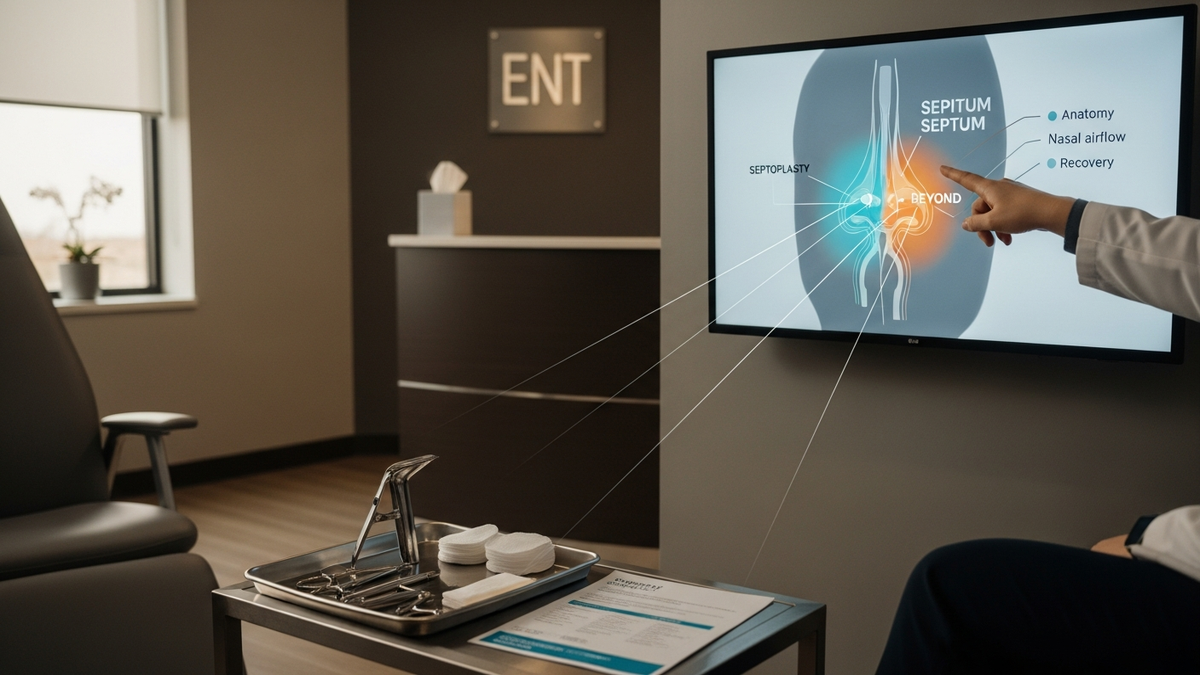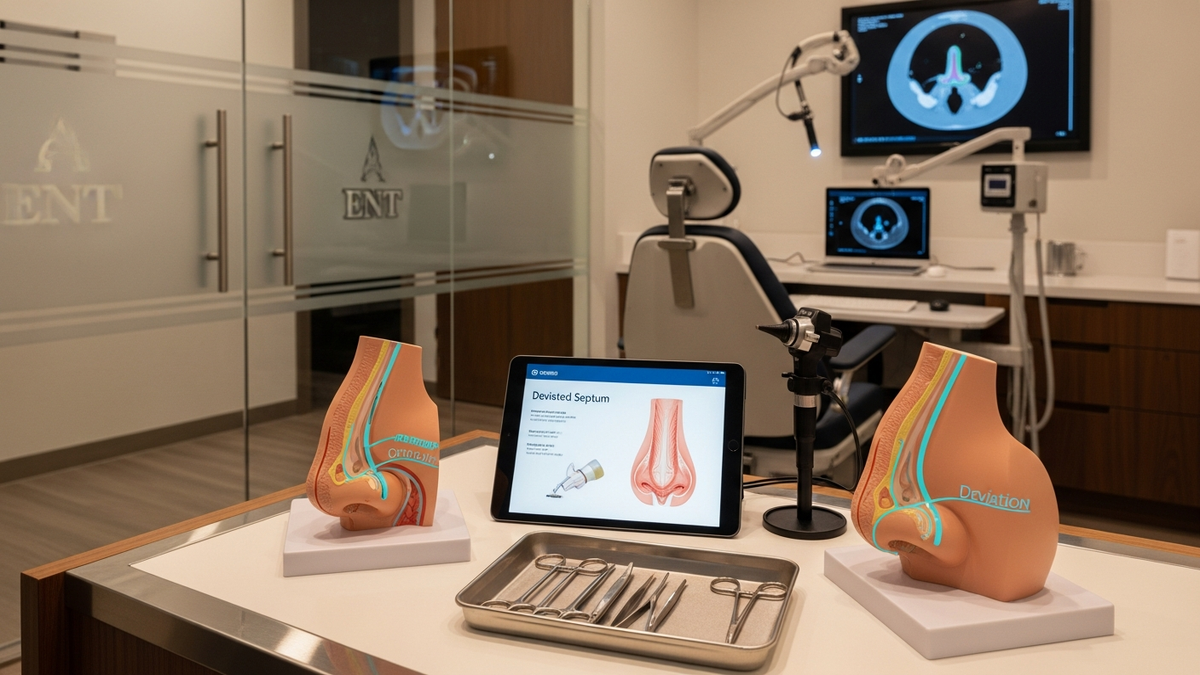
FlowGeniQ Digest is a multi-industry AI-powered content platform focused on helping you find clear, actionable health information. In this guide, we’ll walk you through what to look for when choosing deviated septum surgeons, how they evaluate your anatomy, and which procedures may be recommended to improve airflow and quality of life.
If you’ve been told your septum is “off-center,” you may be wondering: Who performs the right surgery? What should you expect during recovery? And how do you know whether surgery is truly necessary? Read on for an evidence-informed, patient-friendly roadmap.
What Are Deviated Septum Surgeons?
Deviated septum surgeons are medical specialists who diagnose and treat structural nasal problems—most commonly a crooked or displaced nasal septum—that can block airflow. Depending on the patient’s needs, these clinicians may include otolaryngologists (ENTs), facial plastic surgeons, and other board-certified surgeons trained in functional nasal surgery.
While the term “septum surgery” often points to septoplasty, many patients also benefit from treatment of related contributors to nasal obstruction—such as enlarged inferior turbinates, nasal valve collapse, or chronic sinus disease.
Why a Deviated Septum Can Cause Chronic Symptoms
The nasal septum is the thin wall of cartilage and bone that centrally divides the left and right nasal passages. When the septum is deviated, one side may become narrower, creating airflow resistance and triggering symptoms that can last for months or years.
Common symptoms linked to a deviated septum
- Chronic nasal congestion (often worse on one side)
- Difficulty breathing through the nose
- Frequent sinus pressure or recurrent sinus infections
- Dryness or irritation from chronic mouth breathing
- Sleep disruption, sometimes associated with obstructive sleep apnea
- Reduced sense of smell in some cases
It’s also important to know that symptoms are not always caused by the septum alone. Allergies, chronic inflammation, turbinate hypertrophy, and nasal valve issues can mimic or compound the problem. That’s why the best deviated septum surgeons don’t just “check the septum”—they evaluate the entire nasal airway.
Septum Deviation vs. Other Causes of Nasal Obstruction
When you search for deviated septum surgeons, you may see different approaches and procedure names. Understanding the anatomy helps you ask sharper questions at your consultation.
Key contributors that may coexist
- Inferior turbinate enlargement: Often causes a long-term “stuffy nose.”
- Nasal valve collapse: Can worsen breathing particularly during exercise, lying down, or with certain head positions.
- Chronic sinusitis: May require sinus-targeted treatments in addition to airway correction.
- Allergic rhinitis: Inflammation from allergies can intensify obstruction—even if the septum is only mildly deviated.
- Septal perforation: A hole through the septum can cause bleeding, whistling sounds, and airflow issues.
In other words, the “right surgeon” is often the one who can identify the true driver of your symptoms and propose a plan that addresses it.
How Deviated Septum Surgeons Evaluate Your Case
A high-quality evaluation is the foundation of good outcomes. At a typical consultation, experienced surgeons combine history, physical examination, and—when appropriate—imaging or endoscopic assessment.
What to expect during a functional nasal evaluation
- Detailed symptom review
- How long symptoms have been present
- Which side feels worse (and whether it changes)
- Triggers such as allergies, weather changes, exercise, or lying down
- Prior treatments tried (sprays, antihistamines, antibiotics, saline, etc.)
- Physical exam of nasal structure
- External and internal nasal assessment
- Evaluation of airflow dynamics
- Look for nasal valve weakness or collapse patterns
- Endoscopic nasal exam (often)
- Allows visualization of septum alignment, turbinate size, and mucus/drainage patterns
- Helps assess inflammation and possible sinus involvement
- Discussion of treatment goals
- Breathing improvement is typically the primary goal
- Surgeons should also discuss comfort, sleep quality, and sinus health
Actionable recommendation: Bring a symptom log to your appointment—note daily severity (0–10), side predominance, sleep impact, and how you respond to medications. This helps your surgeon correlate anatomy with lived experience.
What Procedures Do Deviated Septum Surgeons Commonly Perform?
Not every patient needs the same surgery. The best deviated septum surgeons tailor treatment to anatomy and symptom drivers, which may involve one procedure or a combination.
Septoplasty (straightening the septum)
Septoplasty is one of the most common functional nasal surgeries for a deviated septum. The goal is to straighten the nasal cartilage and correct the crooked septum to improve airflow.
Learn more about the procedure here: Septoplasty.
For patients searching for context on the underlying anatomy, you can also review: Deviated Septum.
Inferior turbinate reduction (improving long-term nasal airflow)
When turbinates are enlarged, they can “crowd” the nasal passage and sustain congestion. Inferior turbinate reduction aims to decrease turbinate tissue volume so the airway stays open longer, particularly for patients who experience a persistent stuffy nose.
In some cases, turbinate treatment is also considered for patients with sleep-disordered breathing related to nasal obstruction.
Nasal valve collapse repair (when the septum isn’t the only issue)
The nasal valve is the narrowest area of the nasal airway and plays a major role in airflow resistance. Some nasal valve problems can be addressed without surgery using targeted therapies (such as appropriate medications for inflammation and allergy control). For more severe cases, surgeons may recommend surgical repair.
Procedural options may include implants or other structural support techniques depending on the patient’s exam findings.
Septal perforation repair (when there’s a hole through the septum)
In patients with septal perforation, airflow symptoms and bleeding may require a dedicated repair strategy. A functional surgeon will assess size, location, and symptom severity before recommending the appropriate approach.
Balloon sinuplasty and endoscopic sinus surgery (when sinus disease is present)
If chronic sinusitis contributes to pressure, congestion, and drainage problems, nasal airway improvement alone may not fully resolve symptoms. Depending on the pattern of disease, surgeons may recommend:
- Balloon sinuplasty: A minimally invasive option that can help open blocked sinus passages.
- Endoscopic sinus surgery (with image guidance when appropriate): A technique designed to restore normal sinus function by widening sinus passages and improving drainage.
Actionable recommendation: Ask whether your symptoms suggest isolated septal deviation or whether sinus evaluation is also warranted. A surgeon who coordinates functional nasal and sinus considerations can help prevent “partial” treatment.
How to Choose the Right Deviated Septum Surgeon
Choosing among deviated septum surgeons can feel overwhelming. The goal is to find someone with the right training, a patient-centered approach, and a track record of functional outcomes.
Look for board certification and specialized training
Functional nasal surgery requires expertise in nasal anatomy, airflow mechanics, and—often—reconstruction skills. Consider surgeons who are:
- Board certified in relevant specialties
- Fellowship-trained in facial plastic or head and neck surgery
- Experienced with functional procedures beyond cosmetic rhinoplasty
Prioritize a functional approach (breathing first)
Some surgeons focus primarily on aesthetics. Others specialize in restoring nasal function. If your main concern is breathing, you’ll want a surgeon who leads with airway evaluation and symptom improvement.
For example, Dr. Hootan Zandifar specializes in functional nasal surgery to treat chronic symptoms of nasal congestion and sinusitis using minimally invasive procedures when appropriate. In the right circumstances, functional nasal interventions can permanently alleviate symptoms that make it hard to breathe and improve quality of life.
Ask about a comprehensive plan, not a one-size-fits-all procedure
Because deviated septum surgeons may treat multiple contributing factors, a strong consultation should include:
- Identification of the primary obstruction source(s)
- Discussion of whether septoplasty alone is sufficient
- Whether turbinate reduction, valve repair, or sinus procedures are recommended
- Non-surgical options you can try first (when appropriate)
Understand the difference between functional nasal surgery and Rhinoplasty
Patients sometimes assume a “nose job” is the same as septal surgery. In reality, Rhinoplasty may address appearance, while functional surgery prioritizes airflow. Many patients need one or the other—or both.
If you’re comparing approaches, you can review Rhinoplasty for context on aesthetic and functional considerations.
What to Ask at Your Consultation
Use these questions to evaluate whether a surgeon is the right fit for your needs. Strong deviated septum surgeons welcome questions and explain tradeoffs clearly.
High-value questions
- What exactly is causing my obstruction? (septum, turbinates, nasal valve, or sinus disease)
- Is septoplasty likely to improve my symptoms? Why or why not?
- Will you treat turbinates at the same time? If so, what approach?
- Do I have signs of nasal valve collapse? How would that change the plan?
- What non-surgical treatments should I try first?
- What is the recovery timeline? What improvements should I expect, and when?
- How do you manage bleeding, infection risk, and post-op discomfort?
- How many similar cases do you perform? (Ask about functional nasal surgeries specifically.)
- What outcomes are realistic for me? (Breathing improvement, sleep impact, sinus symptoms.)
Actionable recommendation: Request a written summary of your plan and pre-op instructions. Clarity improves adherence and reduces anxiety.
Preparing for Septum Surgery (and Functional Nasal Procedures)
Preparation can influence comfort, safety, and recovery. While your surgeon will provide individualized instructions, these steps are commonly recommended.
Pre-op steps you may be asked to complete
- Medication review: Ask about what to stop and when (including certain supplements).
- Medical clearance: Based on your health history and anesthesia requirements.
- Smoking cessation: Smoking can impair healing.
- Plan your recovery time: Arrange time off work and help at home if needed.
- Set up post-op supplies: Saline spray, humidification, and any prescribed medications.
Because functional nasal surgery can impact sleep and breathing immediately after the procedure, it’s helpful to plan your sleeping arrangement and hydration support in advance.
Recovery: What Patients Typically Experience
Recovery varies by procedure type and individual factors. Your surgeon will provide a personalized timeline, but understanding typical phases can help you plan.
Common recovery milestones
- First few days: Nasal congestion, drainage, and discomfort are common; your surgeon will guide symptom management.
- First 1–2 weeks: Swelling and internal healing continue; follow-ups often focus on cleaning and assessing airway patency.
- Weeks 3–6: Many patients notice meaningful breathing improvements as healing progresses.
- Longer-term: Final results may continue to evolve over months.
Actionable recommendation: Follow your surgeon’s instructions for nasal care (often including saline irrigation or spray). This supports healing and comfort.
Potential Risks and How Surgeons Reduce Them
All surgeries carry risks. A reputable surgeon will discuss them transparently and explain how risk is minimized.
Risks that may be discussed for septoplasty and related procedures
- Bleeding (usually manageable with proper post-op care)
- Infection (risk reduced with sterile technique and appropriate care)
- Persistent congestion if other contributors remain (e.g., allergies or turbinate hypertrophy)
- Septal perforation (rare, but important to evaluate risk factors)
- Changes in airflow that may require additional management
That’s why selecting deviated septum surgeons who evaluate the whole nasal airway—not only the septum—is so important.
Functional Nasal Surgery vs. Cosmetic Goals
Some patients are concerned about the appearance of their nose as well as breathing. While functional surgery focuses on airflow, cosmetic procedures may be considered in select cases.
If your primary goal is breathing, you can still ask how your surgeon approaches nasal structure and whether any aesthetic considerations are relevant. For patients exploring combined goals, the discussion may involve procedures such as Rhinoplasty.
Note: Don’t let aesthetic marketing distract from functional outcomes. Your surgeon should align the plan with your symptoms and anatomy first.
Why Minimally Invasive Options Matter
Minimally invasive approaches can reduce tissue disruption and support comfort during recovery. Dr. Hootan Zandifar, for instance, focuses on functional nasal surgery and minimally invasive procedures when appropriate to treat chronic congestion and sinusitis symptoms.
In the right circumstances, these interventions can permanently alleviate the symptoms that make it hard to breathe and help improve overall quality of life.
How FlowGeniQ Digest Helps You Navigate Decisions
At FlowGeniQ Digest, we aim to make complex healthcare topics easier to understand—without reducing your options to a single procedure. We encourage you to compare approaches, ask meaningful questions, and choose care that matches your anatomy and goals.
Use this guide as a checklist for your next consultation with deviated septum surgeons, and remember: the best outcomes come from a personalized plan.
Related Procedures You Might Hear About (Quick Context)
During your search, you may encounter other head-and-neck procedures. While they aren’t directly related to a deviated septum, understanding them helps you interpret consultations and marketing materials.
Cosmetic facial procedures (not substitutes for functional nasal care)
- Facelift: A cosmetic procedure focused on facial aging; it does not treat nasal obstruction. Learn more at Facelift.
- Blepharoplasty: Eyelid surgery; not related to septum deviation. See Blepharoplasty.
Hair restoration (unrelated, but common in head-and-neck surgeon directories)
You may also see hair restoration services listed by some clinics. If you’re exploring a hair transplant or an eyebrow transplant, those are separate goals from functional nasal surgery. Always confirm the surgeon’s training and focus area for your breathing symptoms.
FAQ: Deviated Septum Surgeons
1) How do I know if I need septoplasty?
Septoplasty is typically considered when a deviated septum significantly contributes to nasal obstruction and symptoms persist despite appropriate non-surgical measures. A thorough exam (often with nasal endoscopy) helps determine whether the septum is the primary cause or whether additional factors—like turbinate enlargement or nasal valve issues—are also involved.
2) Will surgery permanently improve my nasal breathing?
Many patients experience lasting improvements when surgery addresses the true anatomic causes of obstruction. However, results can vary based on factors like allergy burden, turbinate size, and the presence of chronic sinus disease. Your surgeon should explain expected outcomes for your specific anatomy.
3) What’s the difference between deviated septum surgery and rhinoplasty?
Functional septum surgery (such as septoplasty) primarily aims to improve airflow by correcting internal structural alignment. Rhinoplasty can also involve internal changes, but its primary focus is often aesthetic reshaping—though some surgeons integrate functional considerations when needed. Review Rhinoplasty for additional context.
4) How long is recovery after septoplasty?
Most people need time off for the initial healing period. Many notice improvements in breathing within weeks, with continued refinement over months. Your surgeon will provide a timeline based on the exact procedures performed (septoplasty alone vs. combined turbinate reduction or sinus procedures).
5) What questions should I ask deviated septum surgeons before booking?
Ask about the specific cause of your obstruction, whether septoplasty alone is likely to help, whether turbinates or nasal valve collapse are present, what non-surgical options you should try first, and what realistic outcomes and recovery look like for your case.
CTA: Ready to Explore Your Options?
If you’re dealing with chronic nasal congestion, sinus pressure, or difficulty breathing, the next step is a personalized evaluation with a functional, airway-focused surgeon. The right deviated septum surgeons will help identify the root cause and recommend a treatment plan designed around your anatomy and goals.
Schedule an appointment to discuss your symptoms, review your exam findings, and learn which minimally invasive functional options may be appropriate for you.
Professional Disclaimer
This content is provided for general educational purposes only by FlowGeniQ Digest. It is not a substitute for professional advice, diagnosis, or treatment. Readers are advised to consult qualified professionals for personalized recommendations.
Medical Information Disclaimer
This content is provided for general educational purposes only by FlowGeniQ Digest. It is not a substitute for professional advice, diagnosis, or treatment. Readers are advised to consult qualified professionals for personalized recommendations.