At FlowGeniQ Digest, we focus on helping you make confident, well-informed decisions about health and appearance—especially when the topic is as personal as facial rejuvenation. If you’re searching for deep plane facelift in florida, you’re likely looking for results that look natural, restore youthful contours, and address deeper structural aging rather than only surface skin.
This comprehensive guide explains what a deep plane facelift is, who it’s for, what the surgery can improve, what recovery typically involves, and how to evaluate surgeons and clinics in Florida. We’ll also cover realistic risks and outcomes, along with actionable steps you can take before and after surgery.
What Is a Deep Plane Facelift?
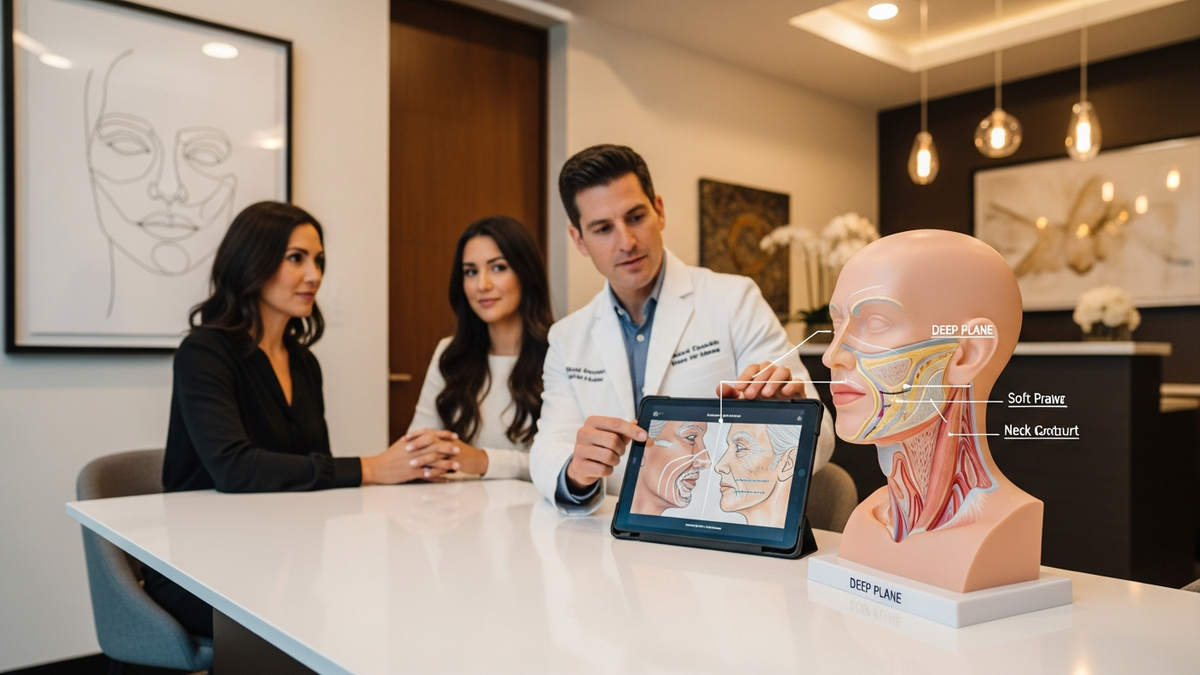
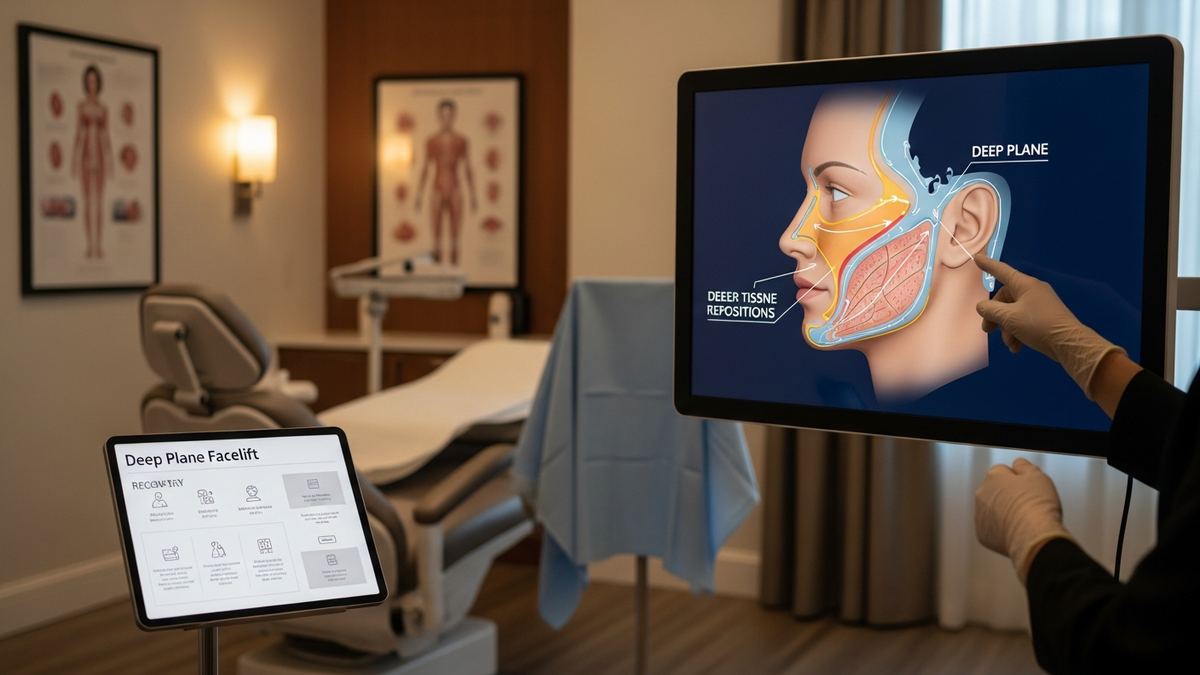
A deep plane facelift is a surgical technique designed to reposition and support the facial tissues at a deeper anatomical level than many traditional facelift approaches. Instead of primarily tightening skin, the surgeon works with the underlying layers that contribute to sagging, loss of volume support, and changes in facial contour.
In practical terms, this method can help refine:
- Jowls and lower face sagging
- Midface descent (often perceived as “tired” or heavy cheeks)
- Neck and jawline definition, especially when combined with neck lift techniques
- Nasolabial fold and marionette line appearance (indirectly, through tissue repositioning)
Because it addresses structural elements, many surgeons and patients consider deep plane approaches particularly valuable for individuals with moderate to advanced aging—especially when the goal is a result that still looks like you, just refreshed.
Why People Search for Deep Plane Facelift in Florida
Florida has a large population of active adults who want to look vibrant for work, family, and social life—often in warm weather where the face is more visible. Many people also seek rejuvenation after life events (major weight changes, menopause-related skin changes, or long-term sun exposure).
From a practical standpoint, Florida patients may also consider timing around travel and recovery. While recovery varies, planning for time off work, keeping the head elevated, and managing post-op swelling are common needs. Choosing a surgeon with a clear plan and a strong patient education approach can make a meaningful difference.
Deep Plane vs. Traditional Facelift: Key Differences
Not all facelifts are performed the same way. While “facelift” is a broad term, deep plane refers to the depth and extent of tissue work. The most important differences are the surgical “targets” and how the repositioning is supported.
1) Tissue layers addressed
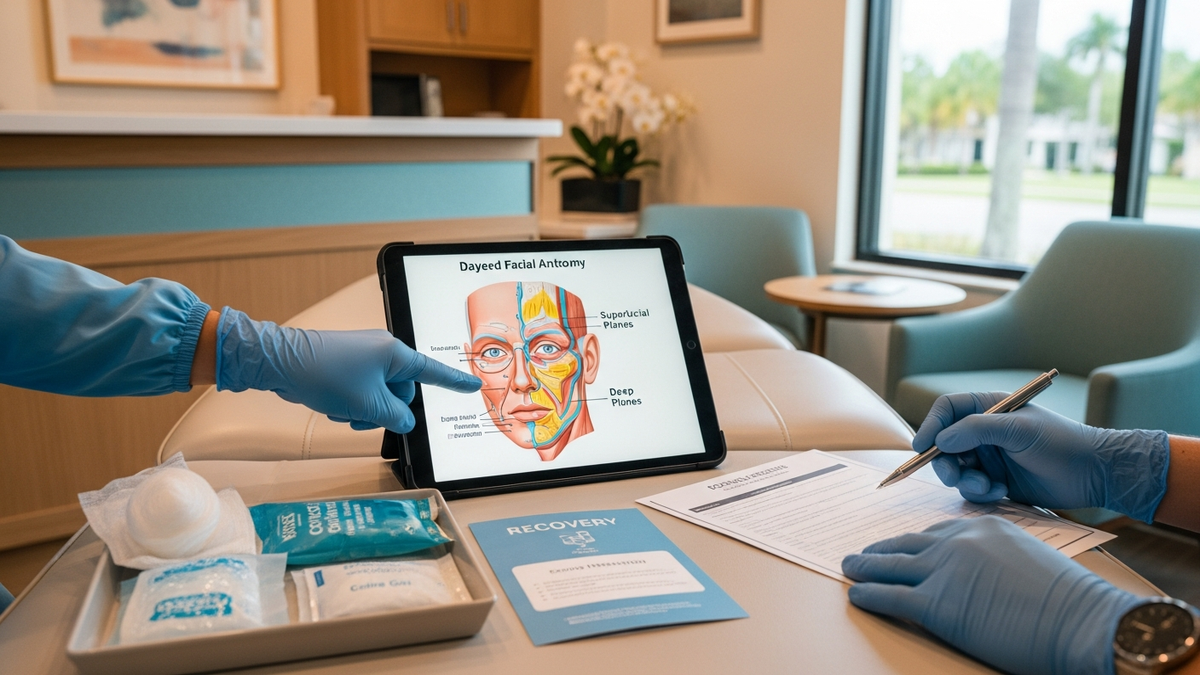
Traditional techniques often focus more on skin tightening and superficial layer adjustments. Deep plane methods reposition deeper supportive structures, which can change how the face “rests” after healing.
2) Long-term contour support
Because the deeper layers help determine facial contour, deep plane approaches may offer improved structural support—particularly for patients with more noticeable sagging.
3) Natural movement and expression
When done skillfully, deep plane repositioning can reduce the “pulled” look and preserve natural facial movement. The goal is not to freeze the face, but to restore balance and youthfulness.
Important: The best technique depends on your anatomy, aging pattern, skin quality, and goals. A thorough consultation is essential.
What a Deep Plane Facelift Can Improve
Results vary by patient, but deep plane facelift surgery is commonly used to address:
- Lower face laxity including jowls
- Midface aging such as cheek sagging and a “droopy” look
- Jawline definition with improved transitions between chin, jaw, and neck
- Neck creasing and banding when paired with neck lift components
- Overall facial balance by repositioning tissues rather than only tightening
For some patients, additional procedures may be considered to optimize the overall rejuvenation plan—such as eyelid surgery (Blepharoplasty) to address upper or lower eyelid concerns, or other facial refinement options. Each add-on should be discussed based on risks, benefits, and recovery time.
Who Is a Good Candidate for Deep Plane Facelift Surgery in Florida?
Ideal candidates typically have:
- Visible sagging in the lower face, midface, and/or neck
- Moderate to advanced aging where deeper structural support may be beneficial
- Realistic expectations about what surgery can and cannot do
- Good overall health or health conditions that are well-managed
During an evaluation, a board-certified facial plastic surgeon will examine skin quality, facial fat distribution, bone structure, and the direction of tissue descent. They’ll also discuss your medical history, medications, prior surgeries, and lifestyle factors that affect healing.
When a different approach may be better
Some patients may benefit more from other rejuvenation strategies (non-surgical or surgical) depending on their concerns. For example, if the primary issue is eyelid heaviness, Blepharoplasty may be more targeted. If nasal breathing is a concern alongside facial aging, functional nasal procedures (like Septoplasty) may be evaluated separately when appropriate.
How the Deep Plane Facelift Procedure Works (Step-by-Step Overview)
While exact steps vary by surgeon and individual anatomy, the general concept of a deep plane facelift includes:
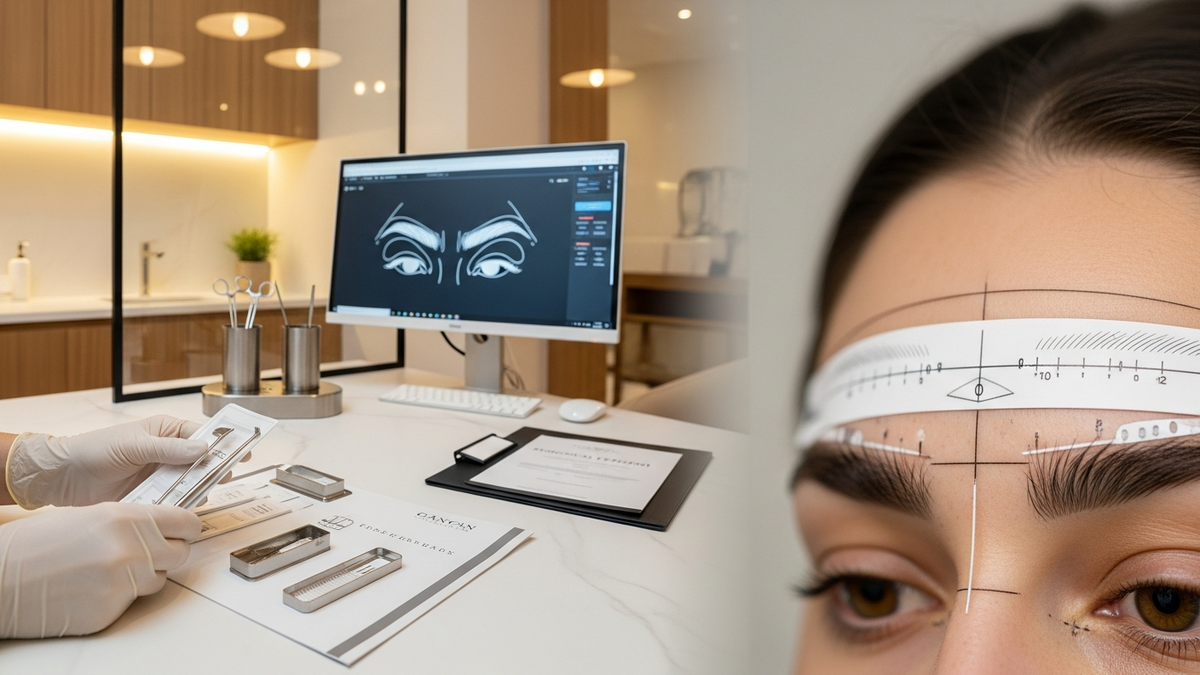
- Preoperative planning: facial measurements, discussion of goals, and review of medical history.
- Anesthesia: typically performed under general anesthesia or monitored anesthesia care depending on the plan.
- Incision placement: incisions are commonly placed around the ear and/or within natural contours to help conceal scars.
- Deep tissue dissection: the surgeon carefully works in deeper planes to access and release supportive structures.
- Tissue repositioning: supportive tissues are lifted and secured to restore youthful contour.
- Skin redraping: excess skin is adjusted while maintaining natural facial movement.
- Closure and dressing: incisions are closed with attention to minimizing visible scarring.
Many deep plane facelifts also address the neck either during the same operation or as part of a staged plan. Your surgeon will explain the specific technique they recommend for your aging pattern.
Recovery Timeline: What to Expect After a Deep Plane Facelift
Recovery is highly individual, but most patients can anticipate a structured healing process. Planning ahead—especially for time off work and travel—is one of the most practical things you can do before surgery.
First 1–2 weeks
- Swelling and bruising are common, often peaking around the first few days.
- Head elevation is typically recommended to reduce swelling.
- Drainage care may be used depending on your surgeon’s technique.
- Follow-up visits are important for monitoring healing and managing discomfort.
Weeks 3–6
- Bruising usually improves significantly.
- Swelling continues to settle, and facial contours become clearer.
- Many patients can gradually return to light activities as cleared by their surgeon.
Months 2–6
- Final contour refinement becomes more apparent.
- Scar maturation continues over time.
- Patients often notice subtle improvements in how their face looks at rest and in expression.
Actionable recommendation: Ask your surgeon what restrictions apply to you personally—exercise, sleeping position, sun exposure, and makeup use—so you can plan a recovery that supports optimal healing.
Risks and Side Effects: Transparent, Realistic Expectations
Every surgery has potential risks. A premium, patient-centered practice should discuss both common and rare complications clearly—so you can make an informed decision.
Common temporary effects
- Swelling
- Bruising
- Tightness or temporary numbness around incisions
- Dryness or itching as skin heals
Potential surgical risks
- Infection (uncommon with proper sterile technique and follow-up)
- Hematoma (bleeding under the skin)
- Scarring (usually improves over time, but varies by individual)
- Asymmetry (may improve with healing; sometimes requires revision)
- Nerve-related changes (temporary or, rarely, longer-lasting)
- Skin healing complications such as delayed wound healing in certain patients
How to reduce risk: follow pre-op and post-op instructions carefully, disclose all medications and supplements, avoid smoking if applicable, and attend all follow-up appointments.
How to Choose the Right Surgeon for a Deep Plane Facelift in Florida
Choosing a surgeon is arguably the most important decision you’ll make. Look for training, board certification, and a track record of natural-looking results.
What to verify
- Board certification in facial plastic surgery or a closely related specialty
- Experience with deep plane techniques (ask how frequently they perform them)
- Approach to patient education (clear explanations, realistic timelines, transparent risk discussion)
- Natural aesthetic philosophy (results that match your facial structure)
- Comprehensive care including pre-op planning and post-op follow-up
Questions to ask at your consultation
- Am I a candidate for a deep plane facelift based on my facial aging pattern?
- What exact areas will you address—midface, lower face, and/or neck?
- What is your plan for skin quality and scar management?
- What should my recovery timeline look like, and when can I return to work?
- What risks are most relevant to me given my medical history?
- How do you handle asymmetry or healing concerns if they arise?
FlowGeniQ Digest note: We draw our content from reputable medical knowledge and patient education principles. For example, facial plastic surgeons who focus on head and neck procedures often emphasize natural results and informed consent—because the best outcomes depend on both surgical skill and patient understanding.
Preparing for Surgery: A Practical Pre-Op Checklist
Preparation can directly influence recovery comfort and results. While your surgeon will provide personalized instructions, this checklist can help you get organized.
Medical and lifestyle steps
- Review medications and supplements: ask what to stop and when.
- Arrange support: have someone available for the first day or two after surgery.
- Plan meals and hydration: stock easy-to-prepare options.
- Set up your recovery space: pillows for elevation, clean towels, and a comfortable chair.
- Plan sun avoidance: healing skin should be protected from harmful UV exposure.
Logistics in Florida
If you’re traveling within Florida, consider:
- Booking follow-up appointments in advance
- Allowing extra time for swelling-related fatigue
- Keeping travel plans flexible during the first two weeks
Actionable recommendation: Create a “recovery kit” (ice packs if approved, loose-front clothing, lip balm, and any items your surgeon recommends). Small conveniences reduce stress and support healing.
Non-Surgical Options vs. Deep Plane Facelift: How to Decide
Not everyone needs surgery. Some patients do well with non-surgical rejuvenation such as injectables, skin resurfacing, and tightening modalities. However, when structural sagging becomes prominent, non-surgical approaches may offer limited contour change.
When non-surgical may be enough
- Mild skin laxity without significant tissue descent
- Primarily superficial wrinkles rather than sagging support
- Patients who want subtle improvements and can maintain results with periodic treatments
When deep plane facelift may be considered
- Visible jowls or midface descent
- Neck laxity that affects the jawline transition
- Desire for longer-term structural support
Key takeaway: The right decision depends on your anatomy and goals—not just your age. A skilled surgeon will help you choose the most appropriate path.
Natural-Looking Results: The Aesthetic Philosophy Behind Deep Plane Surgery
One reason deep plane facelifts are sought is the potential for more natural contour restoration. Achieving that requires:
- Respect for facial anatomy (support tissues in the right plane)
- Balanced repositioning (lifting without over-tightening)
- Thoughtful skin redraping to avoid a “stretched” look
- Scar and hairline considerations for long-term concealment
When you see results you like, ask what technique produced them. A natural look is not accidental—it’s a surgical strategy.
Related Procedures You Might Discuss During Your Consultation
Facial aging is rarely isolated to one area. Patients often explore a comprehensive plan.
Eyelid rejuvenation (Blepharoplasty)
If your upper eyelids feel heavy or your lower eyelids look puffy, Blepharoplasty may complement a facelift by improving the “frame” of the eyes. This can make the face look more rested and balanced.
Functional nasal surgery (if breathing issues exist)
Some patients have both aesthetic concerns and functional symptoms like chronic congestion. If you experience nasal obstruction, your surgeon may evaluate functional options such as Septoplasty for a Deviated Septum. This is separate from facelift aging, but it can improve quality of life.
Hair restoration (for facial framing and confidence)
Hair loss can affect perceived youthfulness and self-confidence. If you’re considering a hair transplant, discuss timing and recovery planning—especially if you’re also planning facial surgery.
Rhinoplasty and other facial refinements
Some patients also consider Rhinoplasty to refine nasal aesthetics. Whether it’s appropriate to combine procedures depends on your health, surgical plan, and recovery timeline.
Note: Combining procedures can be beneficial for some patients but may also extend recovery. Your surgeon should tailor the plan to your safety and goals.
What to Expect Emotionally: Confidence, Patience, and Healing
Facial surgery often impacts more than appearance. Many patients feel excited before surgery and a bit uncertain during the early swelling phase. It’s normal for your face to look different from day one to the final result.
Practical mindset:
- Expect changes to evolve over weeks and months
- Use photos to track progress (with your surgeon’s guidance)
- Follow-up visits are not just formalities—they’re part of the safety and refinement process
FAQ: Deep Plane Facelift in Florida
How long does a deep plane facelift result last?
While no surgical result can stop aging, many patients enjoy long-lasting improvements because the technique supports deeper tissues. Longevity varies based on skin quality, lifestyle, sun exposure, genetics, and how your body heals.
Is a deep plane facelift the same as a neck lift?
They are related but not identical. A facelift can include neck rejuvenation components, while a dedicated neck lift focuses more specifically on neck laxity and banding. Your surgeon will determine the best combination for your anatomy.
What is the recovery like for a deep plane facelift?
Most patients experience swelling and bruising in the first 1–2 weeks, with gradual improvement over weeks 3–6. Final contour refinement often continues over several months. Your surgeon will provide personalized timelines based on your procedure details.
Will I have visible scars?
Incision placement is designed to be concealed in natural contours around the ear and hairline. Scars typically fade over time, but healing varies by individual factors such as skin type and adherence to post-op instructions.
How do I know if I’m a candidate for deep plane facelift surgery?
Candidate selection depends on your facial anatomy and aging pattern. A consultation includes examining tissue descent, skin quality, and your goals, then discussing whether deep plane repositioning is the most appropriate approach.
CTA: Ready to Explore a Deep Plane Facelift Plan?
If you’re considering a deep plane facelift in florida, the next best step is a consultation with a qualified, board-certified facial surgeon who prioritizes natural outcomes and patient education.
FlowGeniQ Digest recommends: come prepared with photos (front/side/relaxed and smiling), a list of medications/supplements, and a clear description of what you want to change—midface, jowls, neck definition, or overall balance. Then ask targeted questions about technique, recovery, and risks relevant to you.
To learn more about facial rejuvenation options and how they may fit into a personalized plan, explore reputable resources and schedule an in-person evaluation.
Professional context: Many facial plastic surgeons emphasize that the best outcomes come from aligning surgical technique with your anatomy and goals. For example, practices that focus on head-and-neck surgery often provide structured education and natural-looking results—helping patients feel informed and supported throughout the process.
Professional Disclaimer
This content is provided for general educational purposes only by FlowGeniQ Digest. It is not a substitute for professional advice, diagnosis, or treatment. Readers are advised to consult qualified professionals for personalized recommendations.
Medical Information Disclaimer
This content is provided for general educational purposes only by FlowGeniQ Digest. It is not a substitute for professional advice, diagnosis, or treatment. Readers are advised to consult qualified professionals for personalized recommendations.