FlowGeniQ Digest is here to help you make sense of advanced cosmetic options—especially when you’re considering a deep plane facelift and neck lift and want results that look natural, not “done.” In this guide, we’ll explain what the deep plane approach targets, how the neck lift complements it, what recovery typically involves, and how to choose a qualified facial plastic surgeon who prioritizes artistry, safety, and individualized planning.
What Is a Deep Plane Facelift and Neck Lift?
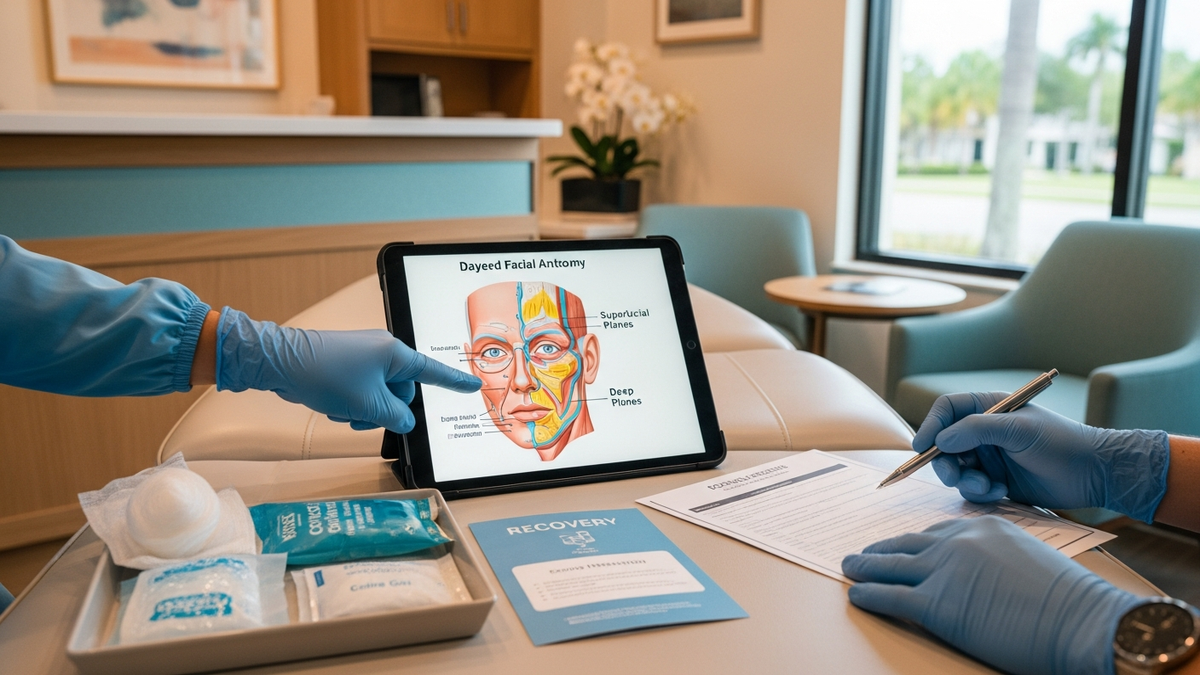
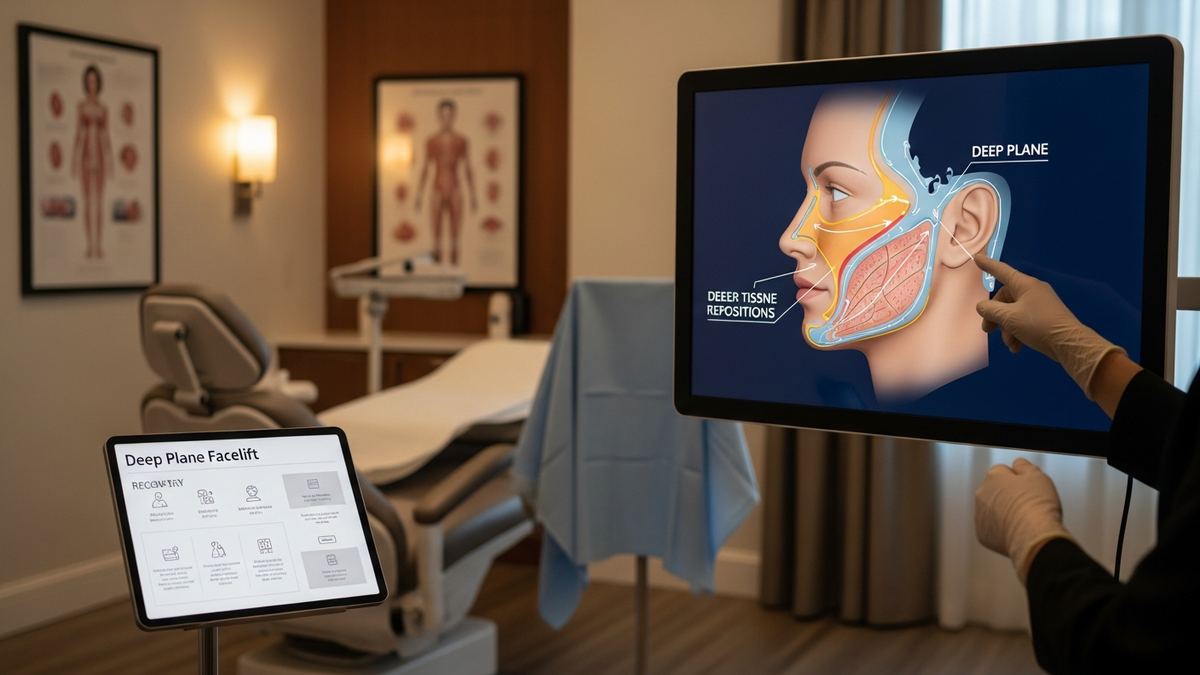
A deep plane facelift is a surgical technique designed to reposition and support facial tissues at a deeper anatomical level than many traditional facelift methods. Instead of focusing primarily on superficial tightening, the deep plane approach works with the underlying structures that contribute to midface descent, jowling, and a tired lower-face appearance.
When paired with a neck lift, the combined goal is to address both the face and neck as a single aesthetic unit. The neck lift can improve sagging neck skin, reduce the appearance of bands, and create a smoother jawline-to-neck transition—often a key difference between a “tightened” look and a truly refreshed, youthful one.
Why the “deep plane” technique matters
As we age, gravity and tissue changes can cause the face to lose structural support. A deep plane facelift aims to restore a more youthful contour by:
- Repositioning deeper tissues to improve sagging and volume descent
- Supporting the jawline and lower face for natural-looking definition
- Reducing the appearance of jowls and nasolabial-related heaviness
- Creating smoother transitions between the jaw, chin, and neck
Who Is a Candidate for a Deep Plane Facelift and Neck Lift?
Ideal candidates for a deep plane facelift and neck lift typically have visible signs of aging in the lower face and neck, such as:
- Sagging skin along the jawline and lower cheeks
- Jowls or a heavier lower-face appearance
- Neck skin laxity (“crepey” or loose texture)
- Prominent platysmal bands (neck muscle bands)
- Loss of jawline definition or a less distinct cervicomental angle
That said, candidacy isn’t determined by age alone. A thorough evaluation considers skin quality, facial anatomy, degree of laxity, previous procedures, and your goals—such as restoring firmness, softening wrinkles, and achieving a natural result that still looks like you.
Common reasons people consider this combination
Many patients choose the deep plane facelift plus neck lift because they want:
- Balanced improvement across the lower face and neck
- Long-lasting results through structural support
- Natural contouring without an over-tightened appearance
- A more youthful profile from multiple angles
How a Neck Lift Complements a Deep Plane Facelift
Even when the face is improved, an aged neck can quickly “break” the overall effect. A neck lift is designed to address the specific causes of neck aging, including:
- Skin laxity that stretches and loses elasticity
- Platysmal banding that creates visible cords
- Loss of the cervicomental angle (the jawline-to-neck transition)
- Localized fat under the chin, in some cases
What techniques may be used in a neck lift
Neck lift strategies vary based on anatomy. Some plans may incorporate skin tightening, submental contouring, and/or surgical support to improve muscle definition. In certain cases, surgeons may discuss additional contouring options such as submental liposuction to refine the jaw and chin lines.
Deep Plane Facelift vs. Other Facelift Approaches
Patients often ask how a deep plane facelift differs from other facelift styles. While exact methods vary by surgeon, the key distinction is depth and tissue handling. In general terms:
- Superficial approaches primarily tighten surface tissues.
- Deep plane approaches focus on deeper tissue repositioning and support for more comprehensive rejuvenation.
For many patients with lower-face and neck aging, deeper structural work can help address the “why” behind sagging—not just the “what” you see on the surface.
Natural-looking outcomes depend on more than technique
Even with a highly regarded technique, results depend on surgical judgment and individualized planning. A high-quality plan considers:
- Facial proportions and balance
- Skin thickness and elasticity
- Scar placement and hairline considerations
- Tension vectors (how tissues are repositioned)
- How the neck and jawline will harmonize from front, side, and oblique views
What to Expect During Your Consultation in Los Angeles
If you’re located in Los Angeles—or considering care there—your consultation should feel like a true clinical planning session, not a sales pitch. At FlowGeniQ Digest, we recommend you look for a surgeon who emphasizes patient education and a personalized approach.
For example, Dr. Hootan Zandifar is known for focusing exclusively on head and neck cosmetic and reconstructive surgery, which supports a high level of specialization when planning facial rejuvenation. The goal is to help you understand options clearly, so you can choose what fits your anatomy and desired outcome.
Questions you should ask
Bring a short list to your appointment. Consider asking:
- Am I a good candidate for a deep plane facelift?
- Do I need a neck lift, and what level of correction is recommended?
- What specific tissues will be repositioned in my plan?
- How will you preserve natural facial movement?
- What does recovery typically look like in my case?
- What are the risks, and how are they managed?
- Can you show before-and-after results that match my age and anatomy?
Pre-Op Preparation: Practical Steps Before Surgery
Preparing for a deep plane facelift and neck lift usually involves both medical and lifestyle planning. While your surgeon will provide individualized instructions, these general steps can help you get ready:
1) Review your medical history and medications
Be transparent about:
- Current prescriptions and over-the-counter supplements
- Smoking or nicotine use (including vaping)
- Bleeding disorders or prior anesthesia complications
- Any history of poor wound healing
2) Plan for recovery time
Most patients need a structured recovery plan with help at home for at least the first several days. Arrange:
- Transportation for the day of surgery
- A quiet, comfortable recovery space
- Time off work and limited physical activity
- Follow-up appointments
3) Set realistic expectations
Swelling and bruising are common. The final contour often takes time to fully settle. A good surgeon will explain the timeline and what “progress” looks like week by week.
Recovery Timeline: What Patients Commonly Experience
Recovery from a deep plane facelift and neck lift is variable, but many patients follow a similar pattern. Your surgeon’s instructions always take priority.
First week
- Swelling and bruising around the face and neck
- Discomfort that is typically managed with prescribed medications
- Drain care or dressing instructions, if used
- Limited activity and careful head positioning
Weeks 2–4
- Bruising often fades; swelling gradually improves
- Most patients return to light activities as cleared by their surgeon
- Subtle changes in contour become more noticeable
Months 2–6
- Tissues continue to settle into their final position
- Skin texture and tightness continue to refine
- Final result becomes clearer in photos and different lighting
Potential Risks and How Surgeons Reduce Them
All surgery involves risk. A thoughtful consultation should include a balanced discussion of potential complications and how they’re minimized. While serious complications are not the norm, possible risks can include:
- Bleeding or hematoma
- Infection
- Scarring (usually minimal and strategically placed)
- Nerve irritation or temporary numbness
- Asymmetry
- Changes in skin sensation
- Unsatisfactory aesthetic outcome
Choosing a surgeon with deep experience in facial anatomy and a facility that supports safe perioperative care is one of the most important steps you can take.
Achieving a Natural Result: The “Art + Anatomy” Principle
The most compelling deep plane facelift and neck lift outcomes are those that look like a refreshed version of you. Natural results often come from:
- Precise tissue vectors (how tissues are lifted and repositioned)
- Harmony across facial zones (midface, jawline, neck)
- Appropriate skin management for your texture and elasticity
- Conservative tightening when appropriate to avoid an overdone appearance
How to evaluate surgeon quality
When researching providers, use a checklist:
- Board certification and relevant specialty training
- Evidence of experience with deep plane and neck lift planning
- Before-and-after galleries that match your concerns
- Clear communication about risks, limitations, and expected timelines
- Comfort level with the surgeon’s education-first approach
Complementary Options (When They Make Sense)
A deep plane facelift and neck lift may be the cornerstone of your rejuvenation plan, but some patients benefit from additional procedures—either to refine the look or to address separate aging concerns.
Eyelid rejuvenation for a more rested appearance
If you have excess upper eyelid skin or under-eye puffiness, Blepharoplasty can enhance overall facial balance. Many patients find that improving the eyes complements the lower-face lift for a cohesive, refreshed look.
Forehead and brow support
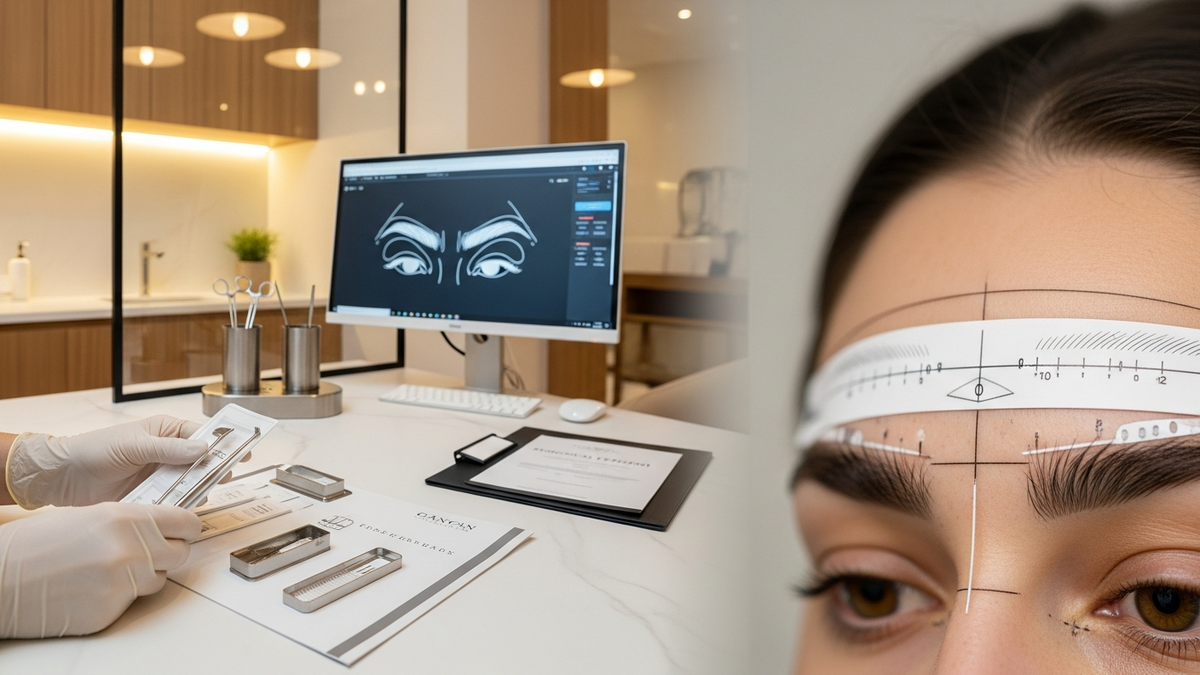
Brow positioning can significantly affect how “tired” your upper face looks. A brow lift may be considered depending on your anatomy and goals.
Facial balance and nose refinement
For patients who also want nasal refinement or functional breathing improvement, some may explore options such as Rhinoplasty. While this is separate from facelift surgery, it can be part of a broader head and neck rejuvenation plan.
Other head and neck procedures (for context)
It’s common for patients to ask about related options like hair restoration, eyebrow restoration, or functional nasal procedures. For example, if hair loss is part of your overall aesthetic goals, you may explore a hair transplant consultation. If nasal breathing issues are present, your surgeon may discuss Septoplasty for a Deviated Septum (often evaluated during ENT-focused assessment). These are not replacements for facelift surgery—but they can be relevant for overall quality of life and appearance.
How to Choose the Right Surgeon for Your Deep Plane Facelift
In a city like Los Angeles, you’ll find many qualified surgeons. The challenge is selecting the one whose approach aligns with your goals and whose expertise matches the complexity of your anatomy.
Look for:
- Specialization in head and neck surgery (facial plastic expertise matters)
- Comprehensive training in facial anatomy and surgical technique
- Honest, patient education about what surgery can and can’t do
- Natural-looking outcomes demonstrated by consistent results
- A safety-first mindset with clear perioperative planning
If you’re exploring facelift options in Beverly Hills or nearby areas, you can also review resources about a Facelift approach to understand how surgeons discuss technique, candidacy, and expected results.
Deep Plane Facelift and Neck Lift: FAQs
1) How long do deep plane facelift and neck lift results last?
Longevity varies based on skin quality, lifestyle factors, and how your tissues age over time. Many patients enjoy long-term improvement because the deep plane approach focuses on structural support. Your surgeon can give a more personalized estimate during consultation.
2) Will I look “overly tight” after a deep plane facelift?
When performed with an individualized plan and appropriate tension vectors, deep plane facelifts are designed to look natural—restoring youth without creating an exaggerated, pulled appearance. Discuss your desired look early so your plan reflects your aesthetic preferences.
3) What is the typical recovery time before returning to normal activities?
Most patients return to light activities within a couple of weeks, but full recovery and final contour refinement can take several months. Your surgeon will provide a timeline based on your procedure specifics and healing response.
4) Do I need submental liposuction with a neck lift?
Not necessarily. Some patients have skin laxity and muscle banding without significant fat. Others may benefit from additional contouring. Your surgeon will assess whether fat reduction is needed to refine the jawline and chin.
5) Can I combine a facelift with other procedures like blepharoplasty?
Yes, many patients combine rejuvenation procedures to address multiple areas at once. For example, Blepharoplasty may be considered if the eyes contribute to a tired look. Your surgeon will help you decide what’s best for safety, recovery, and overall harmony.
CTA: Ready to Explore Your Options?
If you’re considering a deep plane facelift and neck lift, the best next step is a consultation focused on your anatomy, goals, and realistic expectations. FlowGeniQ Digest encourages you to choose a surgeon who prioritizes education and natural-looking outcomes—so your plan feels informed, confident, and personalized.
Schedule an appointment to discuss candidacy, surgical technique, and recovery planning. Bring your questions, and ask to see results that match your concerns and face shape. With the right team and approach, you can pursue a refreshed, age-appropriate look that supports how you want to feel in your life.
Professional Disclaimer
This content is provided for general educational purposes only by FlowGeniQ Digest. It is not a substitute for professional advice, diagnosis, or treatment. Readers are advised to consult qualified professionals for personalized recommendations.
Medical Information Disclaimer
This content is provided for general educational purposes only by FlowGeniQ Digest. It is not a substitute for professional advice, diagnosis, or treatment. Readers are advised to consult qualified professionals for personalized recommendations.