FlowGeniQ Digest is here to help you make sense of advanced facial rejuvenation options—especially when you’re searching for approaches that look natural, feel balanced, and stand up to real aging. If you’re considering a deep plane facelift, you’re likely comparing techniques, evaluating surgeon experience, and wondering whether this method is right for your unique anatomy and goals.
In this comprehensive guide, we’ll break down what a deep plane facelift is, how it differs from other facelift approaches, who may be a strong candidate, what benefits are realistic, and what risks to discuss during your consultation. You’ll also find actionable preparation tips, recovery expectations, and a focused FAQ section to help you move forward with confidence.
What Is a Deep Plane Facelift?
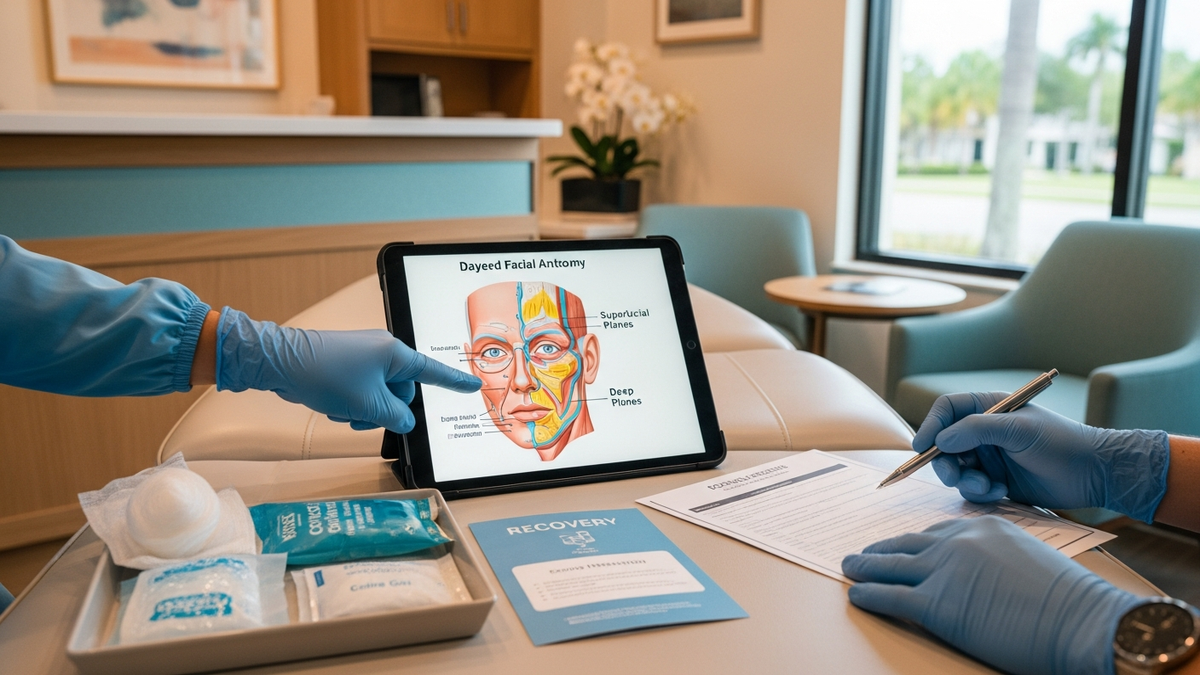
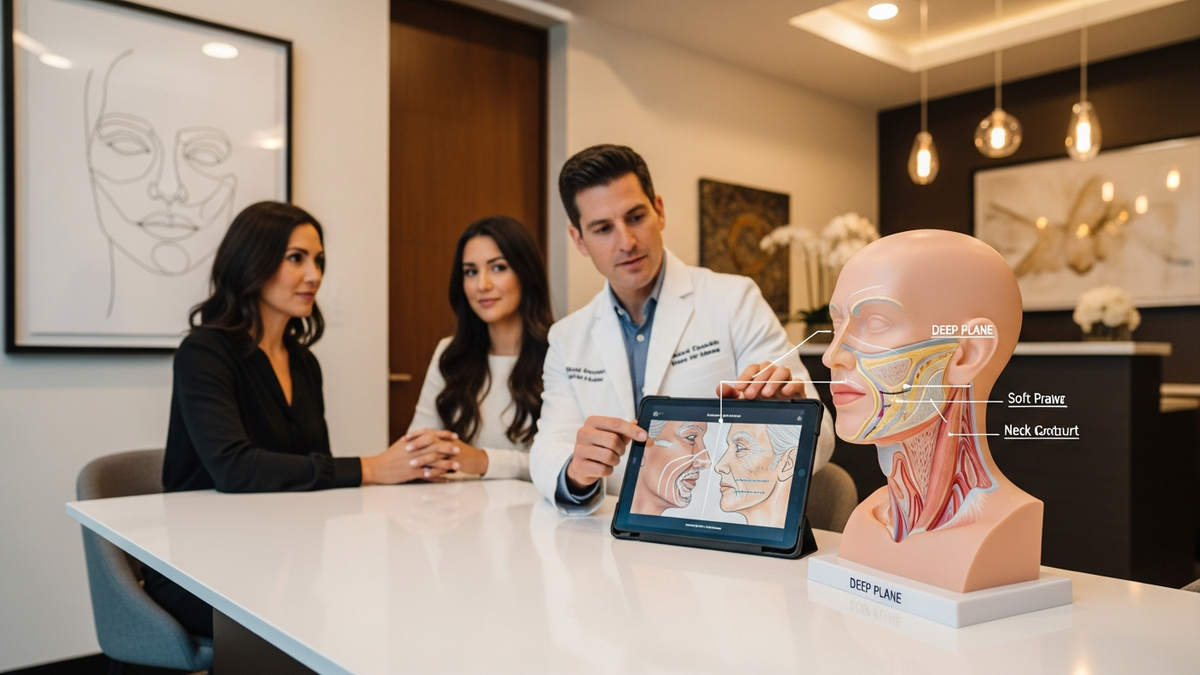
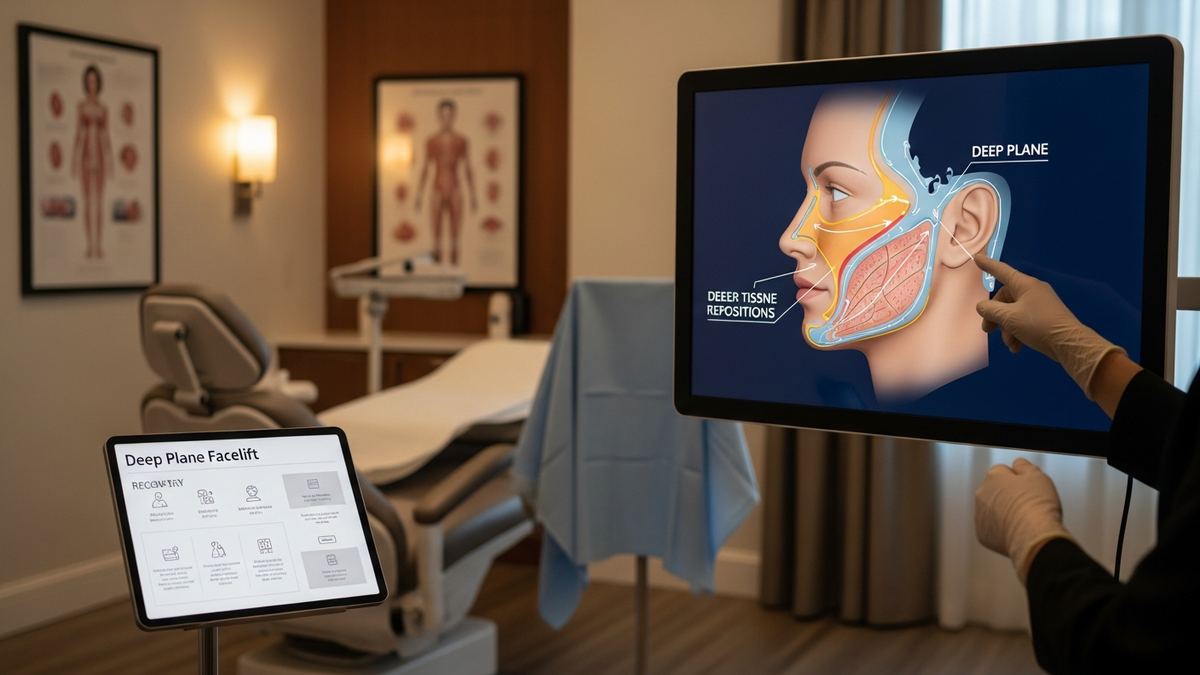
A deep plane facelift is a surgical facial rejuvenation procedure that repositions and supports facial tissues using a technique that works at deeper anatomical layers than traditional facelift methods. The goal is to restore youthful facial contours—particularly in the midface and lower face—while maintaining natural movement and expression.
Instead of relying solely on tightening the skin, deep plane techniques aim to address the structural “foundation” of the face. This can be especially important for patients with more advanced sagging, pronounced jowls, deeper folds, or loss of youthful volume and support.
How a deep plane approach differs from other facelift techniques
While facelift procedures share common objectives—lifting and tightening—technique selection matters. Deep plane facelifts typically involve more extensive dissection and careful repositioning of deeper tissues. This can help improve:
- Midface support (often where early aging becomes noticeable)
- Jawline and jowl definition
- Lower facial sagging and the transition from cheek to jaw
- Longer-term stability of results by addressing structural changes
Important: “Deep plane” doesn’t mean one single standardized operation. Surgeons may tailor the dissection and vector of lift based on facial anatomy, skin quality, and the presence of volume loss.
Why Patients Choose a Deep Plane Facelift
People pursue a deep plane facelift when they want results that look natural and proportional, not pulled or overly tight. Many patients also want improvement in areas that can be challenging with less comprehensive approaches.
Common concerns addressed
- Jowls and sagging along the jawline
- Lower face laxity (from chin to jaw)
- Nasolabial fold prominence due to midface descent
- Cheek sagging and loss of youthful contour
- Neck aging that may require combined planning (e.g., neck lift considerations)
Natural-looking results, not just “tight skin”
A well-executed deep plane facelift aims to restore facial balance—supporting tissues so the face looks refreshed while still resembling you. That balance requires both surgical skill and a thoughtful aesthetic plan, including how the lift vector interacts with your anatomy.
Who Is a Good Candidate?
Not everyone is an ideal candidate for a deep plane facelift. The right procedure depends on your age, skin quality, degree of laxity, and the structural changes driving your aging.
Signs you may be a strong candidate
- You have noticeable sagging in the midface and/or lower face.
- Your concerns go beyond surface wrinkles and include tissue support and contour changes.
- You want a more robust, longer-lasting approach than simpler tightening techniques.
- You’re seeking improvement that looks natural during facial movement.
Factors that affect candidacy
During your consultation, your surgeon will evaluate:
- Skin thickness and elasticity
- Degree of facial fat loss and whether volume restoration is needed
- Muscle tone and tissue laxity
- Neck laxity and whether a neck lift is recommended
- History of prior procedures (if any)
- Overall health and anesthesia considerations
For example, some patients may benefit from a combined plan that includes other head-and-neck rejuvenation procedures. In facial plastic surgery, a customized strategy is often what drives the most convincing outcomes.
Deep Plane Facelift Benefits You Can Discuss With Your Surgeon
While individual results vary, a deep plane facelift is commonly chosen for its potential to address deeper structural aging. You may be able to discuss goals such as:
1) Improved jawline and reduced jowling
Deep plane repositioning can help restore a smoother transition between cheeks and the jawline, reducing the appearance of jowls and sagging contours.
2) Better support for the midface
Midface descent can contribute to a tired look, deeper folds, and heavier lower-face appearance. A deep plane approach is designed to address support where it matters most.
3) More natural facial movement
When performed with appropriate technique and careful attention to anatomy, deep plane facelifts can support tissues in a way that preserves natural expression.
4) Potentially longer-lasting results
Because the approach targets deeper layers and structural support, many patients experience outcomes that remain stable over time. Your surgeon can explain what “longevity” means for your specific aging pattern.
Potential Risks and Side Effects
Any surgical procedure carries risks. A responsible consultation should include a clear discussion of potential complications. While many patients do very well, you should understand what to watch for.
Common temporary side effects
- Swelling and bruising (often most visible early)
- Temporary numbness or altered sensation
- Stiffness around the face and neck
- Asymmetry that may improve as swelling resolves
Risks to discuss explicitly
- Infection (rare, but possible)
- Bleeding or hematoma
- Scarring and scar maturation variability
- Skin healing issues
- Facial nerve-related concerns (rare, but important to address)
- Unsatisfactory aesthetic outcome or need for revision
- Changes in hairline or contour near incision sites
Your surgeon should review how they minimize risks, how they manage complications if they occur, and what postoperative follow-up looks like.
Deep Plane Facelift Recovery: What to Expect
Recovery varies based on surgical scope, your health, and how your tissues respond. Your surgeon will provide specific instructions. Below is a general overview of what many patients experience after a deep plane facelift.
Early recovery (first 1–2 weeks)
- Swelling and bruising peak and then gradually improve
- You’ll likely wear supportive dressings or compression
- Incision care and hygiene instructions are critical
- Many patients schedule follow-up visits to monitor healing
Mid recovery (weeks 3–6)
- Swelling continues to settle
- Some numbness may persist
- Return to more normal activities may be gradual
- Visible bruising typically becomes less noticeable
Full recovery (2–3+ months)
- Fine details of the result become clearer as tissues soften
- Scar maturation continues over time
- Final contour assessment is often done after healing stabilizes
Actionable recovery tips
- Follow compression and head-elevation instructions precisely.
- Take medications as directed and avoid unapproved supplements that can affect bleeding.
- Attend all follow-ups so your surgeon can track healing.
- Be patient with swelling—early appearance may not reflect final results.
- Avoid smoking and nicotine products, as they can impair healing.
How to Choose a Surgeon for a Deep Plane Facelift
Because deep plane facelifts involve detailed anatomical work, surgeon experience and training matter. When searching for a provider, look for credentials, a track record of natural results, and a consultation style that prioritizes education.
What to look for during your consultation
- Board certification and relevant specialty training
- Experience with deep plane techniques (not just general facelift work)
- Transparent discussion of risks, trade-offs, and expected outcomes
- Personalized surgical plan based on your anatomy
- Before-and-after examples that reflect your goals and facial structure
- Realistic expectations about recovery and revision possibilities
Why a head-and-neck focus can matter
Facial aesthetics are closely connected to head-and-neck anatomy, facial movement, and tissue behavior. Surgeons who focus on the head and neck often bring a deeper understanding of facial structure from both cosmetic and reconstructive perspectives.
For patients in Los Angeles and Beverly Hills, Dr. Hootan Zandifar is known for his commitment to patient education and natural-looking outcomes. Dr. Zandifar focuses solely on cosmetic and reconstructive surgery of the head and neck, which allows for a more integrated approach to facial rejuvenation. He is also double board certified and fellowship trained, with extensive experience in facial plastic and reconstructive surgery.
Deep Plane Facelift vs. Other Facial Rejuvenation Options
Some people assume they must choose between “nothing” and “a full facelift.” In reality, there are multiple pathways depending on your concerns.
When a facelift may be the right step
If you have meaningful sagging or structural changes, a facelift approach—potentially deep plane—may be more effective than treatments that only address superficial texture.
Non-surgical and minimally invasive options
For early aging, some patients explore alternatives such as injectables, skin tightening technologies, or targeted procedures. These can be appropriate for certain concerns, but they may not correct significant laxity or jowling.
Combining procedures for a balanced outcome
Many patients achieve the most harmonious results when multiple areas are addressed in a cohesive plan. For instance, some individuals consider complementary procedures such as:
- Blepharoplasty to address upper eyelid heaviness or lower eyelid puffiness (link: Blepharoplasty)
- Brow lift to improve forehead and brow position
- Neck lift to tighten visible neck aging
It’s also worth noting that facial aesthetics are only one part of head-and-neck surgery. Dr. Zandifar’s practice includes functional nasal surgery as well, which can be relevant if breathing issues affect quality of life. If you’re considering other procedures for the same overall timeframe, your surgeon can coordinate planning.
Related Head-and-Neck Procedures Patients Often Ask About
Because people often seek rejuvenation in more than one area, it’s common to ask how a deep plane facelift might fit into a broader plan.
Rhinoplasty and facial harmony
Some patients want nasal refinement alongside facial rejuvenation. If you’re exploring nose aesthetics or functional breathing concerns, you may also consider Rhinoplasty. A surgeon can help determine whether timing should be coordinated with your facelift.
Hair restoration and eyebrow restoration
Rejuvenation isn’t only about skin laxity—hair and brows can significantly affect perceived youthfulness. If hair loss is part of your concern, you may ask about a hair transplant. For eyebrow thinning, an eyebrow transplant can help restore frame and expression.
Facelift and comprehensive facial planning
If you’re comparing “deep plane” with other facelift approaches, you may also want to review general facelift options and planning. Learn more about Facelift considerations as part of your decision process.
Questions to Ask Before You Commit
A high-quality consultation should feel like a two-way conversation. Consider asking:
- Are you recommending a deep plane facelift for my specific anatomy?
- What areas will you address (midface, lower face, neck), and why?
- What outcome range is realistic for my skin quality and degree of laxity?
- How do you handle volume loss (if present)?
- What are your complication rates, and how are they managed?
- How will scars look over time and where will incisions be placed?
- What does my recovery schedule look like week by week?
Deep Plane Facelift: A Patient-Centered Approach
At FlowGeniQ Digest, we emphasize education because the best aesthetic decisions come from understanding your options—not from rushing into a procedure. A deep plane facelift can be transformative when it’s chosen for the right reasons and performed with a tailored plan.
In Los Angeles and Beverly Hills, patients look for surgeons who provide honest, trustworthy guidance and natural-looking results. Dr. Hootan Zandifar’s approach is centered on patient education and a commitment to excellence in head-and-neck cosmetic and reconstructive surgery. His focus on natural outcomes is supported by rigorous training, fellowship experience, and board certification.
FAQ: Deep Plane Facelift
How long do deep plane facelift results last?
Longevity varies by age, skin quality, lifestyle, and the structural changes addressed. Many patients experience long-lasting improvements, but aging continues. Your surgeon can discuss what stability means for your specific facial anatomy and maintenance expectations.
Will I look “too tight” after a deep plane facelift?
A common concern. A deep plane facelift is designed to reposition deeper tissues rather than simply tighten skin, which can help preserve natural facial movement. Choosing an experienced surgeon and having a personalized plan are key factors.
What is the typical recovery time?
Many patients see the most visible swelling and bruising improve within the first 1–2 weeks, with continued refinement over weeks 3–6. Full healing and final contour clarity often take 2–3+ months, depending on the individual.
Are there alternatives if I’m not sure about a deep plane facelift?
Yes. Depending on your goals, you may explore less invasive options for early aging, or you may consider a different facelift technique. A consultation helps determine which approach matches your anatomy and desired outcome.
Can deep plane facelift be combined with other procedures?
Often, yes—when appropriate. Many patients combine rejuvenation strategies such as eyelid surgery (Blepharoplasty), brow lift, or neck lift to create a balanced overall result. Your surgeon will recommend a plan based on your priorities and health.
CTA: Ready to Explore Your Deep Plane Facelift Options?
If you’re searching for a deep plane facelift that looks natural and restores structural support, the next step is a consultation where your goals meet your anatomy. During your visit, you can discuss candidacy, realistic expectations, and a recovery plan tailored to you.
FlowGeniQ Digest encourages you to choose a qualified, board-certified specialist who prioritizes education and personalized surgical planning. If you’re located in the Los Angeles or Beverly Hills area, consider scheduling an appointment with an experienced head-and-neck facial plastic and reconstructive surgeon to explore your best path forward.
Professional Disclaimer
This content is provided for general educational purposes only by FlowGeniQ Digest. It is not a substitute for professional advice, diagnosis, or treatment. Readers are advised to consult qualified professionals for personalized recommendations.
Medical Information Disclaimer
This content is provided for general educational purposes only by FlowGeniQ Digest. It is not a substitute for professional advice, diagnosis, or treatment. Readers are advised to consult qualified professionals for personalized recommendations.