Social media moves fast, but facial aesthetics move slower—especially when the topic is something as detail-dependent as eyebrows. Recently, the search phrase chrissy teigen eyebrow transplant twitter has been trending, reflecting a broader curiosity: if a public figure’s brows look fuller, could it be a transplant? And if so, what does an eyebrow transplant actually involve?
In this FlowGeniQ Digest guide, we’ll address what people are asking, what is medically plausible, and how eyebrow restoration decisions are made in real clinical settings. You’ll also find practical questions to bring to a consultation so you can evaluate options with clarity—without relying on speculation from a single viral post.
Why “Chrissy Teigen Eyebrow Transplant Twitter” Went Viral
On platforms like Twitter/X, eyebrow changes are often interpreted instantly—sometimes correctly, sometimes not. When a celebrity appears with noticeably fuller, more defined brows, viewers may assume an intervention such as an eyebrow transplant, dermal treatments, or even makeup/hair styling. The viral nature of social media compresses nuance into a single narrative.
Here’s what’s important: eyebrow appearance can change for many reasons, including aging patterns, grooming changes, lighting, professional makeup, topical products, and natural hair cycle variations. Some changes are cosmetic and temporary; others may be the result of medical procedures.
Eyebrow Transplant vs. Other Explanations for Fuller Brows
When people search for “chrissy teigen eyebrow transplant twitter,” they’re usually trying to understand the mechanism behind visible brow density. In clinical practice, specialists consider several pathways:
1) Eyebrow transplant (surgical hair restoration)
An eyebrow transplant typically involves harvesting hair follicles—commonly via FUE (follicular unit extraction)—and implanting them into the eyebrow region. Because eyebrows are a defining facial feature, the goal is not just “more hair,” but natural direction, angle, and density that matches your facial anatomy.
If you’re exploring broader hair restoration concepts, you may also want to understand how hair grafting works in general—this is where a hair transplant overview can help contextualize the principles of grafting and follicular units.
2) Brow regrowth support (non-surgical)
Some people experience improved brow appearance through targeted regimens, including prescription or over-the-counter options, depending on cause. However, non-surgical approaches vary widely in effectiveness depending on why the brow hair thinned (e.g., genetics, inflammation, traction, autoimmune conditions, or prior over-plucking).
3) Makeup, styling, and professional grooming
Professional brow shaping, tinting, and makeup techniques can create a dramatic difference—particularly in photos. Social media also exaggerates contrast through filters and lighting.
4) Medical or dermatologic management
When thinning stems from inflammatory or medical causes, treating the underlying driver may be the first step before considering a transplant. A thorough evaluation matters because transplant planning depends on scalp/hair characteristics and overall facial proportions.
What an Eyebrow Transplant Actually Does (Step-by-Step)
If you’re considering an eyebrow transplant, it helps to understand the workflow—from evaluation to final maturation. The process is highly individualized, but the general sequence often looks like this:
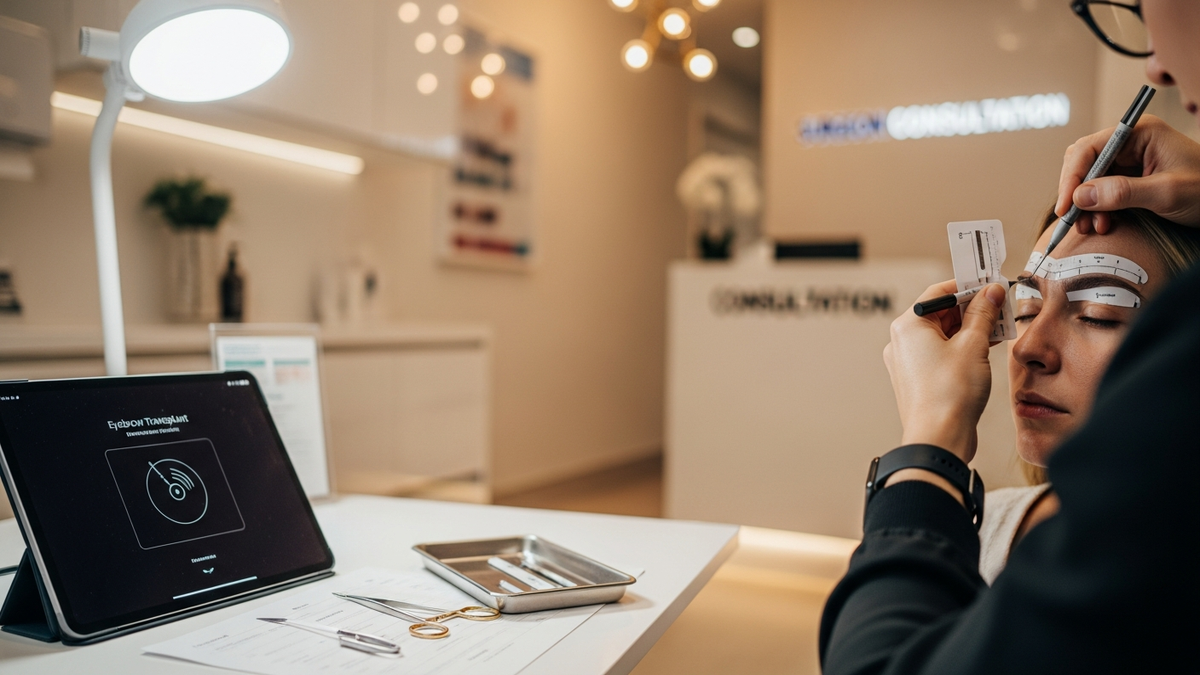
Step 1: Consultation and candidacy assessment
A qualified surgeon will evaluate:
- Brow pattern and asymmetry (shape, height, tail thickness, arch definition)
- Hair quality (texture, curl tendency, color match, and growth direction)
- Skin characteristics (scarring, thickness, and how well the tissue supports grafts)
- Underlying cause of eyebrow loss/thinning
- Expectations and desired outcome (natural vs. enhanced)
Because eyebrows are a focal point, even small differences in angle or spacing can be noticeable. That’s why the planning phase is central to natural results.
Step 2: Planning density, direction, and aesthetics
Clinicians map out the eyebrow to replicate how brow hairs naturally grow. This includes:
- Incision strategy to support correct placement
- Graft selection for texture and visual match
- Density distribution (front vs. arch vs. tail often require different spacing)
- Symmetry goals tailored to your face
Step 3: Harvesting grafts
Most eyebrow transplants use FUE principles—harvesting follicular units with minimal scarring. The donor site is selected to optimize hair characteristics and long-term stability.
Step 4: Implantation
Implantation is where artistry meets technique. The surgeon must place grafts at appropriate angles and in a way that preserves a natural brow look rather than a “helmet” of uniform density.
Step 5: Recovery and maturation timeline
Eyebrow hair typically sheds initially and then grows back. Maturation can take months, and final results are often assessed after full growth stabilization. Your surgeon should provide a timeline and aftercare guidance specific to your procedure.
Who Might Be a Good Candidate for an Eyebrow Transplant?
Eyebrow transplant candidacy isn’t determined by a single factor. It’s about whether your brows can be improved in a safe, natural, and sustainable way.
Common reasons people seek eyebrow hair restoration
- Genetic thinning
- Over-plucking or grooming damage
- Scarring from injury or certain medical conditions
- Medical causes leading to eyebrow hair loss
- Autoimmune or inflammatory conditions (after stabilization)
Why evaluation is key
Eyebrows require a specialized approach because hair direction and facial proportions matter. A surgeon who focuses on head and neck aesthetics—and understands the interplay of facial features—can often plan more precisely for harmony.
Natural Results: What “Good” Looks Like (and What to Watch For)
When people discuss viral celebrity transformations, they often focus on the “before/after” effect. In a clinic, the question is more specific: does it look natural up close, in motion, and under varied lighting?
Signs of a well-planned eyebrow transplant
- Appropriate hair direction that follows the brow’s natural pattern
- Gradual density transitions (not a uniform block)
- Matching texture and thickness to your existing brow hair
- Balanced symmetry that respects your natural facial differences
- Minimal visible scarring and a realistic maturation path
Red flags to consider
- Overpromising instant results (eyebrow growth takes time)
- One-size-fits-all density without mapping your brow anatomy
- Vague donor planning or unclear graft strategy
- Limited before/after examples that match your brow pattern and hair characteristics
How Eyebrow Transplant Planning Connects to Overall Facial Aesthetics
Eyebrows don’t exist in isolation. They frame the eyes, influence perceived expression, and interact with forehead and eyelid aesthetics. That’s one reason facial plastic and reconstructive expertise can be valuable in treatment planning.
Eyebrows and adjacent surgical considerations
Depending on your goals, some patients also explore other head/neck aesthetic procedures. For example:
- Blepharoplasty (eyelid surgery) can change the visual space around the brows. If you’re curious, you can review Blepharoplasty to understand how eyelid aesthetics may influence overall eye framing.
- Forehead/brow lift concepts can raise or reshape brow position when brow position—not just density—is the issue.
Similarly, for patients with structural nasal concerns that affect overall facial harmony, some may evaluate procedures such as Rhinoplasty. While that’s not directly related to eyebrows, it’s a reminder that facial aesthetics are interconnected.
What to Ask in Your Consultation (Actionable Checklist)
If you’ve been searching “chrissy teigen eyebrow transplant twitter” for clues, use the curiosity to drive better questions—not assumptions. Here’s a practical consultation checklist:
Procedure clarity
- What technique will be used for my eyebrow transplant (e.g., FUE-based approach)?
- How will you plan density in my specific brow zones (front/arch/tail)?
- How will you match hair texture and color to my existing brows?
- What is the expected timeline for shedding and regrowth?
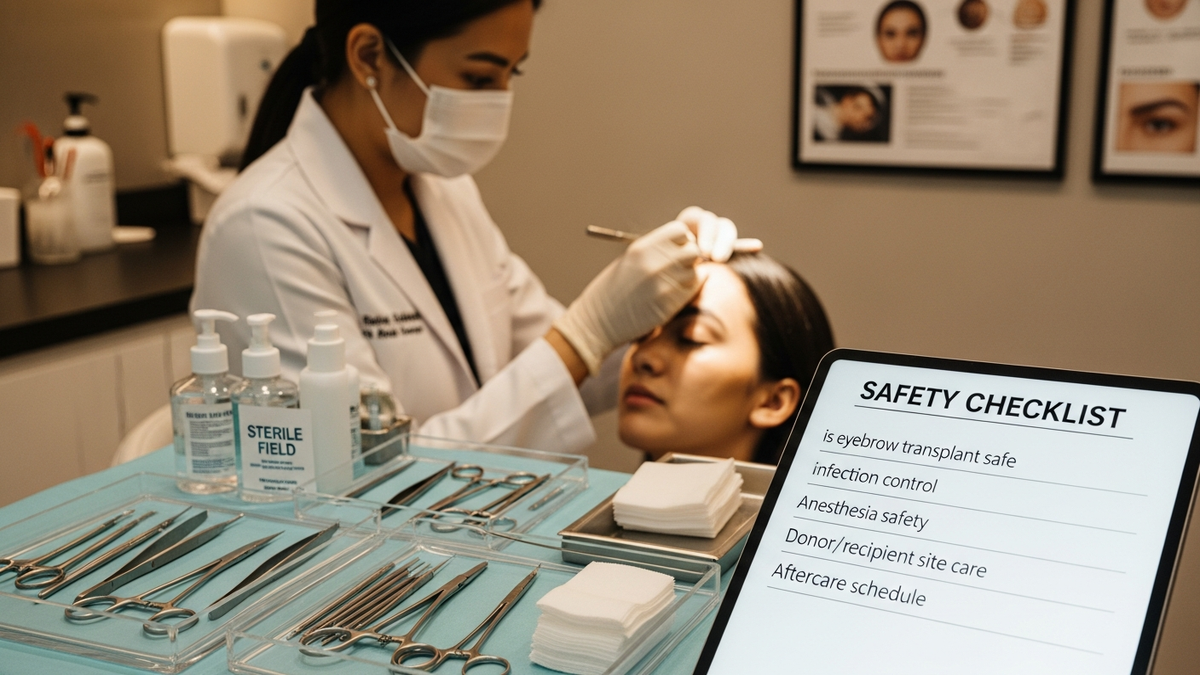
Safety and realism
- How do you evaluate scarring or medical causes of eyebrow loss?
- What are the realistic risks for my case (including asymmetry or under/over-correction)?
- How do you manage expectations for a natural look?
Outcome validation
- Can you show before/after results that match my brow pattern and hair characteristics?
- How do you measure success beyond “looks good in photos”?
- What does follow-up care include?
Where to Find Credible Information (and Why Viral Posts Aren’t Enough)
FlowGeniQ Digest often sees readers arrive with questions sparked by viral clips and celebrity threads. That’s normal—people want answers quickly. But for medical procedures, credibility matters.
Use social media as a starting point, then validate with:
- Board-certified or fellowship-trained expertise
- Evidence-based consultation practices
- Transparent discussion of risks, timelines, and expected outcomes
- Before/after galleries that reflect diversity in brow types
Eyebrow Restoration at a Specialist Clinic: What Patients Often Value
Because eyebrows are a high-impact facial feature, patients often prioritize specialists who understand both aesthetics and facial anatomy. For example, clinics such as TestBiz Hair Clinic (a premium hair transplant clinic offering FUE and FUT procedures) emphasize advanced technology and experienced surgical teams for hair restoration needs worldwide.
For patients in Los Angeles and beyond seeking broader head-and-neck facial care, Dr. Hootan Zandifar focuses on cosmetic and reconstructive surgery of the head and neck and is known for an honest, patient education-first approach. Eyebrow transplantation is highlighted as essential to perform carefully because eyebrows are a focal point on the face.
If you’re specifically exploring the surgical pathway for brow restoration, you can review the clinical overview for eyebrow transplant to understand how eyebrow hair transplant planning is approached in a facial-focused practice.
Related Facial Procedures People Sometimes Consider
Even though your search may be focused on eyebrows, it’s common for patients to evaluate a “full facial picture.” Here are a few procedures mentioned frequently in facial aesthetic discussions:
Facelift
Some patients explore Facelift when skin laxity or aging changes alter how the upper face and brows visually sit. While a facelift doesn’t replace eyebrow hair, it can influence facial balance.
Septum and nasal function considerations
Although not related to eyebrow density, nasal alignment can affect overall facial harmony and breathing. If you’re researching head/neck procedures broadly, you may encounter Septoplasty and Deviated Septum discussions. Always consult a specialist when considering functional and aesthetic options together.
Timeline Expectations: What to Plan for After an Eyebrow Transplant
One reason viral celebrity threads can mislead is that they often show a “final” look without the months of healing and maturation. A realistic plan typically includes:
- Immediate post-procedure recovery (follow surgeon instructions closely)
- Early shedding phase as the hair cycle resets
- Gradual regrowth with visible changes over time
- Final maturation after enough time for hairs to fully develop
Your surgeon should provide personalized guidance based on your graft plan, hair characteristics, and skin healing patterns.
Cost, Value, and What “Worth It” Means
It’s natural to wonder about cost—especially when a celebrity transformation goes viral. But eyebrow transplant value is not only about price. It’s about:
- Graft strategy and whether density/placement is tailored
- Surgeon expertise in creating natural brow direction
- Donor management and long-term stability
- Aftercare and follow-up quality
Because eyebrows are so visible, investing in careful planning can matter more than chasing the lowest quote.
FAQ: Chrissy Teigen Eyebrow Transplant Twitter and Eyebrow Restoration
Is there evidence that Chrissy Teigen had an eyebrow transplant?
No reliable public confirmation should be assumed from viral social media discussion. Eyebrow appearance can change from many factors, including makeup, grooming, and natural variation. If you’re curious, look for verified statements from reputable sources rather than speculation.
How long does it take to see results after an eyebrow transplant?
Eyebrow hair often sheds initially and then grows back gradually. Visible improvement may begin within months, with more complete maturation typically taking longer. Your surgeon can provide a timeline tailored to your case.
Will an eyebrow transplant look natural?
It can look natural when the surgeon carefully plans hair direction, density distribution, and texture matching. Natural results are not just about “more hair”—they’re about how the hair integrates with your facial anatomy.
Who is a good candidate for eyebrow hair restoration?
Many people with eyebrow thinning or loss due to genetics, over-plucking, scarring, or medical causes may be candidates—especially after the underlying issue is evaluated. Candidacy depends on hair quality, skin condition, and realistic goals.
What are common risks or downsides?
Potential downsides include under/over-correction, asymmetry, scarring, or a mismatch in hair texture/direction. A thorough consultation helps you understand risks in the context of your anatomy.
CTA: Turn Viral Curiosity Into a Real Plan
If you’re searching chrissy teigen eyebrow transplant twitter because you want fuller, more natural-looking brows, the next step shouldn’t be more speculation—it should be a consultation.
Action steps:
- Book an evaluation with a qualified facial aesthetic or hair restoration specialist.
- Bring photos in different lighting (including your usual makeup-free look).
- Ask about density mapping, hair direction planning, and expected timelines.
When you choose a careful, personalized approach, you’re more likely to get the outcome you actually want: brows that enhance your features—not just a temporary “viral” look.
Professional Disclaimer
This content is provided for general educational purposes only by FlowGeniQ Digest. It is not a substitute for professional advice, diagnosis, or treatment. Readers are advised to consult qualified professionals for personalized recommendations.
Medical Information Disclaimer
This content is provided for general educational purposes only by FlowGeniQ Digest. It is not a substitute for professional advice, diagnosis, or treatment. Readers are advised to consult qualified professionals for personalized recommendations.