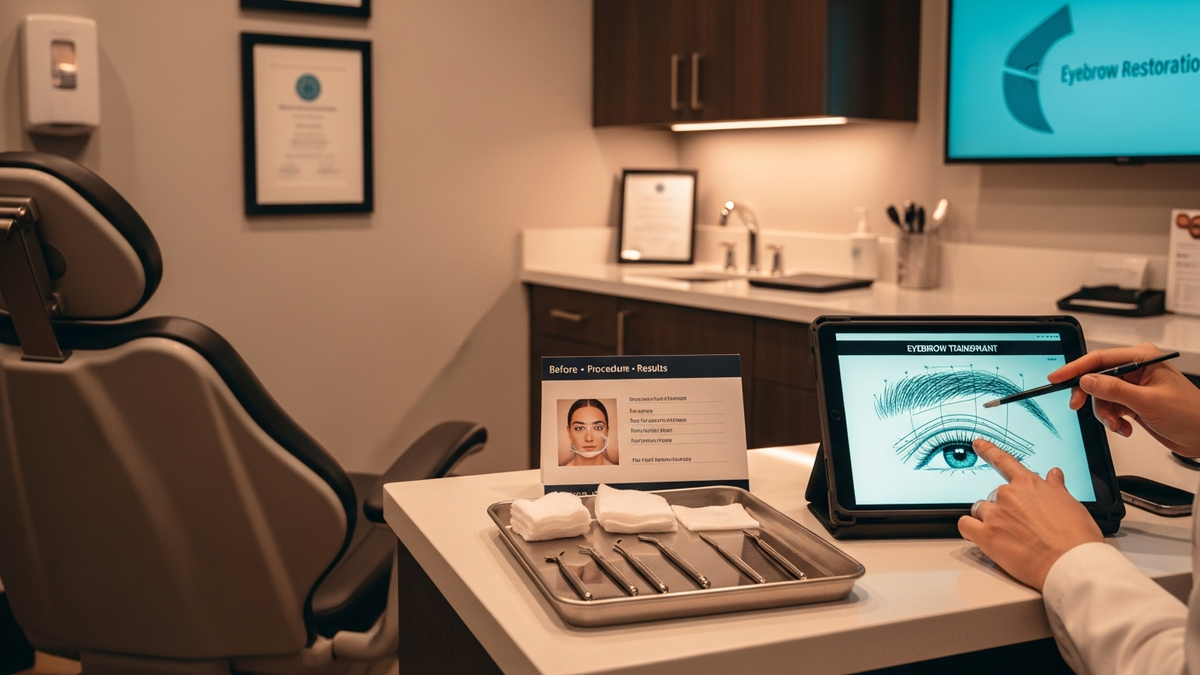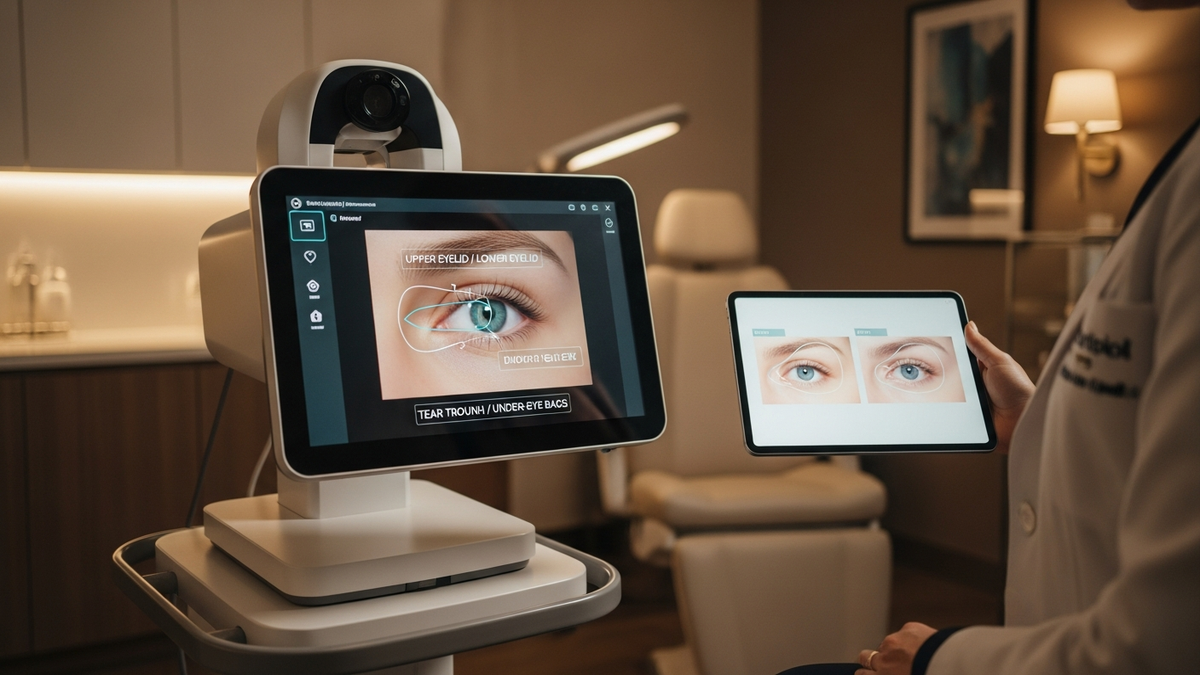
FlowGeniQ Digest is your source for clear, evidence-informed guidance on cosmetic and facial rejuvenation. If you’re searching for blepharoplasty for bags under eyes, you’re likely looking for a solution that looks natural, addresses the underlying causes of under-eye aging, and fits your lifestyle—without guesswork.
Bags under the eyes are more than just a “tired look.” They can be caused by several structural changes—such as herniated fat pads, fluid retention, or thinning skin and loss of support around the tear trough. For many people, lower eyelid blepharoplasty (sometimes combined with upper eyelid surgery) helps restore balance to the eye area and refresh the face.
What Are “Bags Under Eyes,” and Why Do They Happen?
Understanding the cause matters because the best surgical plan depends on what’s actually creating the under-eye appearance. Common contributors include:
- Herniated fat (fat pads that shift forward, creating puffiness)
- Excess lower eyelid skin that becomes more visible with age
- Loss of tear trough definition (the groove under the eye can deepen or blur)
- Fluid retention from allergies, hormones, or lifestyle factors
- Skin thinning and laxity that makes the area look more hollow or textured
Not every “bag” is purely skin. Some are primarily fat, while others are a combination of skin laxity and volume changes. That’s why a thoughtful facial plastic and reconstructive evaluation is essential.
Blepharoplasty for Bags Under Eyes: The Basics
Blepharoplasty is eyelid surgery designed to improve the appearance and function of the eyelids. When people say “blepharoplasty for bags under eyes,” they typically mean lower eyelid blepharoplasty, which can address puffiness, excess skin, and sometimes tear trough irregularities.
In some patients, the most harmonious result comes from treating both the upper and lower eyelids—because the eye area is a system. Upper eyelid fullness can contribute to an overall heavy or tired look, while lower eyelid changes can affect how the eyes appear open and refreshed.
If you want an overview of the full procedure types, you can explore Blepharoplasty for background on eyelid anatomy and surgical goals.
Lower vs. Upper Eyelid Blepharoplasty
- Lower eyelid blepharoplasty: Targets under-eye puffiness and/or excess skin; may involve fat repositioning or removal depending on anatomy.
- Upper eyelid blepharoplasty: Improves hooding from excess upper lid skin and can enhance visual field for some patients.
Who Is a Good Candidate?
You may be a strong candidate for blepharoplasty for bags under eyes if you have:
- Persistent under-eye puffiness or fullness that doesn’t resolve with sleep, hydration, or allergy management
- Lower eyelid skin laxity or visible “crepey” texture
- Fat herniation that creates a bulging look
- A tired or heavy appearance that affects confidence
Ideal candidates typically have realistic expectations and understand that outcomes depend on individual anatomy, skin quality, and surgical technique. A careful exam also screens for functional concerns (such as eyelid closure issues) that may influence the plan.
When Surgery May Not Be the Best First Step
Some under-eye concerns are primarily related to lifestyle, allergies, or temporary fluid retention. In those cases, non-surgical treatments and medical management may be appropriate before considering surgery.
For example, chronic nasal congestion and allergies can contribute to eye-area swelling. If you have significant nasal symptoms, it may be worth discussing whether addressing nasal airflow could improve overall comfort and appearance. In head and neck-focused care, conditions like nasal obstruction can be evaluated alongside facial rejuvenation goals.
How Blepharoplasty for Bags Under Eyes Is Performed
Techniques vary by surgeon and by patient anatomy, but most blepharoplasty procedures follow a structured approach: access the problem tissue, reposition or remove fat when appropriate, address excess skin, and preserve natural eyelid contours.
Common Surgical Approaches
Surgeons may use:
- Transconjunctival approach (often “inside the eyelid,” which may avoid external skin incisions in selected patients)
- Subciliary approach (an incision just below the lash line, commonly used when skin excess is significant)
The choice depends on whether the primary issue is fat, skin, or both, as well as your eyelid support and skin thickness.
Fat Repositioning vs. Fat Removal
Under-eye aging is frequently more complex than “remove the bags.” Many modern strategies focus on maintaining a natural under-eye contour by repositioning fat rather than simply taking it away. This can help reduce the risk of an overly hollow look in some patients.
Your surgeon will tailor decisions based on:
- How fat is distributed
- The presence and depth of the tear trough
- Skin quality and eyelid laxity
- How your face ages as a whole
What Results Can You Expect?
Blepharoplasty for bags under eyes is typically designed to create a refreshed, more rested appearance. Many patients notice improvements in:
- Reduced puffiness
- Improved lower eyelid smoothness
- A clearer under-eye contour
- A more balanced, youthful eye framing
It’s important to note that swelling and bruising are normal early on. Final results generally become clearer as tissues heal and residual swelling resolves over weeks to months.
Natural-Looking Outcomes: What That Actually Means
Natural results aren’t about “no change.” They’re about a harmonious change that matches your facial structure. A well-planned blepharoplasty should:
- Preserve eyelid position and the natural curvature of the lower lid
- Avoid excessive tightening that could distort the eyelid
- Respect tear trough anatomy to prevent an unnatural hollowing effect
At the same time, a patient should feel confident that the surgeon is focused on both aesthetics and function—because the eyes are delicate, highly visible, and essential for comfort.
Recovery Timeline: What to Expect After Surgery
Recovery varies by technique and individual healing, but most patients can follow a general timeline. Planning ahead helps you feel more in control.
Typical Phases of Healing
- First 48–72 hours: Swelling and bruising are common. Cold compresses (when instructed) and head elevation can help.
- Days 4–14: Bruising often improves; swelling gradually decreases. You may return to light activities as advised.
- Weeks 2–6: Many people look noticeably better, though subtle swelling may persist.
- Months 2–3+: Final contour refinement becomes more apparent as healing completes.
Practical Recovery Tips
- Sleep with your head elevated as directed
- Avoid strenuous exercise during the early healing period
- Follow medication instructions carefully
- Use eye protection and avoid rubbing the eyes
- Attend follow-up visits so your surgeon can monitor healing
Because every eyelid is unique, your surgeon’s instructions should be treated as the primary recovery plan.
Risks and Side Effects (and How Surgeons Reduce Them)
All surgery involves risks. With blepharoplasty, the goal is to minimize complications through careful technique, appropriate patient selection, and thorough pre-operative planning.
Potential Risks
- Temporary swelling and bruising
- Dry eye symptoms or irritation during healing
- Asymmetry that may improve as healing continues
- Scarring (often minimal and concealed, depending on approach)
- Eyelid position changes (rare, but important to address early)
Choosing an experienced surgeon who focuses on head and neck surgery can be a meaningful advantage. For example, Dr. Hootan Zandifar is a double board-certified facial plastic and reconstructive surgeon who concentrates exclusively on head and neck procedures—an approach that supports precision when working around the eyes.
Blepharoplasty vs. Non-Surgical Options for Under-Eye Bags
Not everyone needs surgery. If your under-eye concerns are mild or primarily related to fluid retention, non-surgical strategies may help.
Non-Surgical Options You Might Discuss
- Allergy and inflammation management (when swelling is allergy-driven)
- Topical skincare for texture improvements (limited for structural fat/skin)
- Injectables (used selectively; may help with certain volume and contour concerns)
- Laser or radiofrequency treatments for skin quality (not a substitute for true laxity/fat herniation)
However, if you have significant fat herniation or excess lower lid skin, surgery often provides more definitive correction than non-surgical methods.
Combining Procedures: When One Surgery Isn’t Enough
Under-eye aging rarely exists in isolation. Sometimes the most refreshed result comes from addressing other areas that influence the overall eye region.
Common Combinations
- Blepharoplasty + Facelift: When midface or lower face support has changed significantly, a Facelift may help restore youthful balance.
- Blepharoplasty + Brow Lift: If brow position contributes to heaviness or affects vision, a brow lift may be considered.
- Blepharoplasty + Skin tightening: Some patients benefit from staged or combined skin quality approaches.
In Los Angeles and Beverly Hills, many patients explore a multi-step plan because the face ages as an integrated system.
Questions to Ask Your Surgeon Before Blepharoplasty
Your consultation should feel educational, not rushed. Use these questions to clarify your options:
- What is the cause of my under-eye bags—fat, skin, tear trough changes, or a combination?
- Which approach do you recommend for my case, and why?
- Will you perform fat repositioning, fat removal, or both?
- How do you plan to maintain a natural under-eye contour?
- What is your approach to risk reduction (dry eye, eyelid position, asymmetry)?
- What does my recovery timeline look like for my schedule?
- Can you show before-and-after results that match my anatomy and goals?
- What are the most likely limitations of surgery for my specific features?
How to Prepare for Surgery
Preparation can improve comfort and help your recovery go more smoothly. While your surgeon’s instructions are always primary, common steps include:
- Review your medical history, medications, and supplements
- Ask about medication adjustments before surgery (especially blood-thinning agents)
- Arrange for transportation and assistance for the first day or two
- Prepare recovery supplies (cold compresses, comfortable head-elevating support)
- Plan time off work and social events as advised
Because blepharoplasty is a delicate procedure, follow pre-op instructions closely. If you wear contact lenses, ask when you should stop and when you can resume.
Spotting a High-Quality Provider
Choosing the right surgeon is one of the most important decisions you’ll make. Consider experience, safety focus, and communication style.
What to Look For
- Board-certified facial plastic and reconstructive expertise
- Transparent education about realistic outcomes and risks
- Natural-looking results that match diverse facial types
- Comprehensive head and neck focus (especially around the eye area)
- Thoughtful patient care and attentive follow-up
Dr. Hootan Zandifar is known for an honest, trustworthy, and compassionate approach, emphasizing patient education so you can make informed decisions. His practice focuses solely on cosmetic and reconstructive surgery of the head and neck, supporting precision for procedures like blepharoplasty.
Blepharoplasty in Los Angeles: Why Local Expertise Matters
Under-eye surgery benefits from a surgeon who understands facial anatomy and aesthetic harmony. If you’re in Los Angeles or nearby, you can also benefit from easy access to follow-up appointments and a team familiar with the practical realities of recovery (traffic, work schedules, and the desire to return to routine safely).
For patients considering additional facial rejuvenation, it can also be helpful to discuss whether other procedures—like a Facelift or brow lift—might complement blepharoplasty for a more unified result.
Related Procedures You May Hear About
While this article focuses on under-eye bags, many patients exploring facial rejuvenation are also curious about other head and neck procedures. For example:
- If you’re considering nose aesthetics alongside facial aging, you may explore Rhinoplasty.
- If brow support or eyelid heaviness is part of your concern, your surgeon might discuss a brow-focused plan.
- If you’re managing hair loss that affects overall appearance, some patients also explore hair transplant options.
These are not prerequisites for blepharoplasty—just examples of the broader facial planning conversation some patients have during consultation.
FAQ: Blepharoplasty for Bags Under Eyes
1) How long does blepharoplasty for bags under eyes last?
Results are long-lasting, but aging continues. Many patients enjoy years of improvement. Your longevity of results depends on skin quality, genetics, lifestyle, and whether other facial support structures change over time. Your surgeon can discuss expected maintenance and how to protect your results.
2) Will I have visible scars after lower eyelid blepharoplasty?
Scar visibility depends on the surgical approach and your healing. Many lower eyelid techniques place incisions in less noticeable locations, such as along the lash line or inside the eyelid. Your surgeon can explain where incisions are made and what you should expect during healing.
3) Can blepharoplasty fix tear trough hollowness?
In some cases, yes—particularly when the hollowness is related to fat repositioning and contour imbalance. However, true tear trough changes can be multifactorial. A tailored plan may include repositioning, selective fat management, and sometimes adjunctive strategies depending on anatomy.
4) What is the difference between blepharoplasty and brow lift?
Blepharoplasty targets the eyelids (upper and/or lower). A brow lift raises and supports the brow area and can improve heaviness or vision obstruction caused by brow position. If brow position contributes to your under-eye appearance, a combined plan may be considered.
5) Is blepharoplasty only cosmetic?
It can be both cosmetic and functional. For some patients—especially with upper eyelid hooding—surgery may improve the visual field. Under-eye surgery is often primarily aesthetic, but your surgeon will evaluate function, comfort, and eyelid mechanics as part of safe care.
CTA: Ready for a Personalized Under-Eye Plan?
If you’re considering blepharoplasty for bags under eyes, the most important next step is a consultation where your specific anatomy is assessed—so you can choose the safest, most natural-looking option for your goals.
At Hootan Zandifar, MD, FACS, patients receive education-first care from a board-certified facial plastic and reconstructive surgeon focused exclusively on head and neck procedures. If you’re in Beverly Hills or the Los Angeles area, consider scheduling a visit to discuss whether lower eyelid blepharoplasty (alone or combined with other facial rejuvenation) is right for you.
Take action today: Book your consultation and bring photos of your under-eye concerns from different lighting, along with a list of questions—especially about fat management, tear trough contour, and recovery expectations.
Professional Disclaimer
This content is provided for general educational purposes only by FlowGeniQ Digest. It is not a substitute for professional advice, diagnosis, or treatment. Readers are advised to consult qualified professionals for personalized recommendations.
Medical Information Disclaimer
This content is provided for general educational purposes only by FlowGeniQ Digest. It is not a substitute for professional advice, diagnosis, or treatment. Readers are advised to consult qualified professionals for personalized recommendations.