FlowGeniQ Digest is here to help you understand the process behind blepharoplasty eyelid lift surgery—from candidacy and surgical techniques to recovery, results, and practical next steps. If you’re noticing droopy upper lids, excess skin, persistent under-eye puffiness, or a “tired” look that doesn’t match how you feel, an eyelid lift may be worth exploring.
In a city like Los Angeles—where appearance and confidence often intersect—many patients seek head-and-neck facial rejuvenation options that look natural, protect facial balance, and support long-term satisfaction. Below, you’ll find a clear, evidence-informed overview designed to help you ask better questions and make a confident plan with a qualified surgeon.
What Is Blepharoplasty Eyelid Lift Surgery?
Blepharoplasty is a cosmetic surgical procedure that reshapes the eyelids. The goal is typically to reduce excess skin, tighten supportive tissues, and improve the appearance of the upper and/or lower eyelids. Depending on the individual, it may also help with functional concerns such as visual obstruction from heavy upper lids.
Blepharoplasty is commonly performed on:
- Upper eyelids (upper lid blepharoplasty) to address hooding, excess skin, and sometimes fat protrusion.
- Lower eyelids (lower lid blepharoplasty) to improve puffiness, under-eye bags, and certain texture or contour concerns.
Because the eyes are central to facial expression, the most successful results tend to look refreshed—not “overdone.” That requires careful planning of skin removal, fat management (when appropriate), and support of the lower eyelid structures.
Upper vs. Lower Blepharoplasty: What’s the Difference?
Upper eyelid lift (upper blepharoplasty)
Upper blepharoplasty often focuses on removing excess skin and, in some cases, reducing or repositioning fat. Many patients seek this procedure when:
- Upper lids feel heavy or make the eyes look smaller.
- Excess skin creates a persistent “hooded” appearance.
- They experience functional visual obstruction (your surgeon may assess this during consultation).
When performed with precision, upper eyelid surgery can open the eyes and restore a more youthful contour while preserving natural eyelid creases.
Lower eyelid lift (lower blepharoplasty)
Lower blepharoplasty addresses under-eye concerns such as puffiness and bags. Depending on anatomy and goals, surgeons may use an approach that includes:
- Fat sculpting or repositioning to improve contour.
- Skin tightening to reduce laxity.
- Support of the lower lid to help maintain a stable, natural eyelid position.
Because the lower eyelid region is closely related to tear film and eyelid support, technique selection matters. A thoughtful plan aims to reduce visible puffiness while maintaining comfort and eye health.
If you’d like to explore the procedure in more detail, you can review Blepharoplasty resources that discuss eyelid surgery basics and planning considerations.
Who Is a Good Candidate for Blepharoplasty Eyelid Lift Surgery?
Ideal candidates usually have realistic expectations, stable health, and eyelid aging changes that can be improved with surgery. Common reasons people consider blepharoplasty include:
- Upper lid hooding or excess skin that creates a tired or aged appearance.
- Under-eye puffiness, prominent bags, or contour imbalance.
- Lower lid laxity or uneven under-eye texture.
- Functional concerns such as visual obstruction from heavy upper lids (a surgeon may evaluate this carefully).
During consultation, your surgeon may also assess factors that influence safety and results, including:
- Eye dryness or tear film quality
- Baseline eyelid position and lower lid support
- Skin quality and elasticity
- Facial balance and how the brows influence the eyelids
- Medication history and smoking status
Important: Conditions like dry eye or significant eyelid malposition may require treatment planning before or alongside surgery. Your surgeon should coordinate a safe approach tailored to your ocular health.
How Blepharoplasty Works: Techniques That Aim for Natural Results
Blepharoplasty is not a one-size-fits-all procedure. The “right” approach depends on whether the primary issue is skin excess, fat prominence, muscle laxity, or structural support. Many surgeons tailor plans based on anatomy and aesthetic goals.
Upper lid technique overview
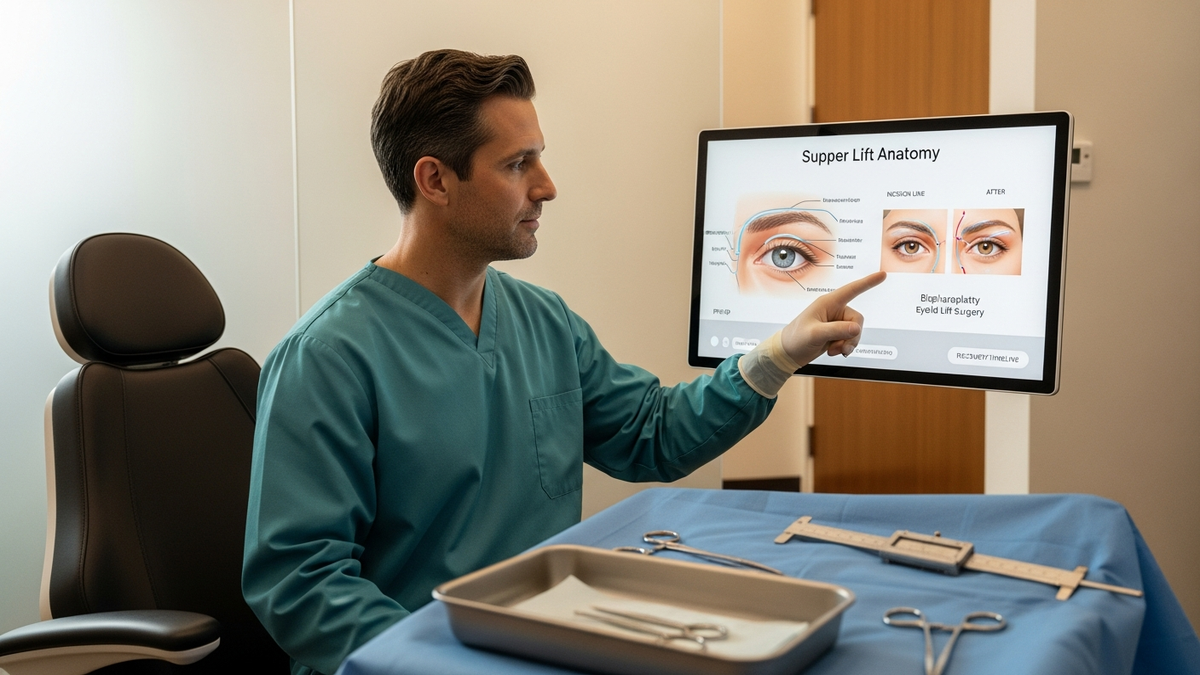
Upper eyelid surgery commonly involves removing a precise amount of skin and addressing fat or muscle if needed. The incision is placed within the natural eyelid crease when possible to help the scar blend over time.
Lower lid technique overview
Lower eyelid surgery plans may include different strategies for fat and skin. Some patients benefit from approaches that reposition fat rather than simply removing it, helping preserve a natural under-eye contour.
For the lower lid, support and stability are critical. A conservative, structured plan can reduce the risk of postoperative issues such as persistent swelling or eyelid retraction.
When brows and eyelids should be treated together
In some patients, eyelid aging is influenced by brow position. If the brows sit low, you may see more hooding or under-eye shadowing. In those cases, a brow lift or brow repositioning may complement eyelid surgery.
Depending on your goals, you may also be interested in other facial rejuvenation options offered by facial plastic specialists, including a Facelift when midface or lower face support is also part of the aging pattern.
Benefits of Blepharoplasty Eyelid Lift Surgery
Patients typically pursue blepharoplasty for a combination of aesthetic and functional improvements. While outcomes vary, commonly reported benefits include:
- A refreshed eye appearance with reduced hooding or under-eye puffiness.
- Improved symmetry if eyelids are uneven or one side appears heavier.
- More open-looking eyes from upper lid skin reduction.
- Potential visual improvement when heavy upper lids obstruct sight (a surgeon should evaluate this).
- Boosted confidence from looking more rested and youthful.
Many patients find that the most meaningful change is how their eyes look in everyday life—photos, workdays, and social moments—rather than an extreme transformation.
Risks and Side Effects: What You Should Know Before Surgery
Any surgical procedure has risks. A responsible consultation should include a discussion of potential side effects and how the surgical team reduces risk through technique, patient selection, and postoperative care.
Common, typically temporary effects
- Swelling and bruising (often most noticeable in the first days to weeks)
- Dryness or irritation
- Temporary changes in sensation around the eyelids
- Watery eyes as healing progresses
Potential complications (rare, but important)
- Infection
- Bleeding or hematoma
- Scarring or changes in scar appearance
- Asymmetry that may require additional management
- Eyelid malposition (such as retraction) or persistent eyelid tightness
- Persistent dry eye symptoms, especially in those with baseline dryness
Actionable recommendation: Ask your surgeon how they assess dry eye risk and what measures they use to protect the ocular surface before and after surgery.
Blepharoplasty Recovery Timeline: What to Expect
Recovery is a process. While timelines vary, most patients can expect a gradual improvement in swelling and comfort.
First 48–72 hours
- Swelling and bruising may increase during the first couple of days.
- Cold compresses (if approved by your surgeon) can help reduce discomfort.
- You’ll likely be advised to keep your head elevated.
Days 4–14
- Bruising often fades, though residual swelling can persist.
- Many people return to light activities as cleared by their surgeon.
- Incision lines continue to heal; dryness may fluctuate.
Weeks 3–6
- Results become more visible as swelling continues to resolve.
- Some patients resume more active routines when cleared.
3–6 months
- Final details of contour and scar maturation often continue to improve over time.
- Your surgeon may schedule follow-ups to monitor healing and eyelid position.
Key reminder: Avoid comparing day-to-day appearance to your eventual result. Early swelling can mask the final eyelid contour.
How to Prepare for Blepharoplasty Eyelid Lift Surgery
Preparation can significantly influence safety, comfort, and recovery. Your surgeon will provide personalized instructions, but these are commonly discussed steps:
- Medical review: disclose medications, supplements, allergies, and prior surgeries.
- Medication adjustments: your surgeon may recommend stopping blood-thinning agents or certain supplements before surgery.
- Smoking cessation: smoking can impair healing; ask about a timeline to stop.
- Arrange support: plan for help at home during the first day or two.
- Eye comfort plan: ask about lubricating drops or dry eye management.
- Post-op logistics: schedule follow-ups and plan for reduced screen time if dryness is an issue.
Actionable recommendation: Bring a list of photos showing how you want your eyes to look, along with questions about eyelid position, scar placement, and what “natural” means in your case.
Choosing a Surgeon for Blepharoplasty Eyelid Lift Surgery
Choosing the right surgeon is one of the most important decisions you’ll make. Look for a facial plastic or ophthalmic specialist with extensive experience in eyelid surgery and a track record of natural outcomes.
What to look for in a consultation
- Personalized assessment of your eyelids and brow position
- Clear explanation of technique options and why one approach fits you
- Risk discussion including dry eye considerations and how they’re managed
- Realistic expectations about timeline and results
- Before-and-after examples that match your anatomy and goals
In Los Angeles and Beverly Hills, patients often seek surgeons who focus on head-and-neck facial aesthetics with an emphasis on safety and natural balance. For example, Dr. Hootan Zandifar is a board-certified facial plastic and reconstructive surgeon who focuses solely on head and neck procedures, including eyelid surgery, with an honest, patient-education-centered approach.
As part of a comprehensive facial rejuvenation plan, your surgeon may discuss related options such as a Septoplasty or other head-and-neck procedures when relevant to overall function and anatomy—though those are separate from eyelid lift surgery. The key is that your care plan should be coordinated and individualized.
Natural-Looking Results: The “Art” of Eyelid Surgery
The best blepharoplasty outcomes often share a few traits:
- Symmetry with subtle, natural eyelid differences
- Preserved crease definition and a smooth eyelid contour
- Balanced lower lid position to avoid an overly tight or exposed appearance
- Appropriate volume management so the under-eye area doesn’t look hollow
- Respect for facial expression so your eyes still look like you
That’s why a thorough preoperative evaluation matters. It’s not only about removing tissue—it’s about choosing the correct amount and configuration for your face.
Frequently Asked Questions About Blepharoplasty Eyelid Lift Surgery
1) How long do blepharoplasty results last?
Results can be long-lasting, but aging continues. Many patients enjoy years of improvement because blepharoplasty addresses structural changes and excess tissue. Your surgeon can discuss how your specific aging pattern may progress.
2) Is blepharoplasty only cosmetic?
It can be both cosmetic and functional. While many patients pursue blepharoplasty for appearance, upper eyelid surgery may also help when heavy lids obstruct vision. A surgeon should evaluate functional concerns during consultation.
3) What is the difference between blepharoplasty and a brow lift?
A brow lift elevates the brow/forehead region, which can indirectly improve eyelid hooding caused by low brow position. Blepharoplasty focuses on the eyelids themselves. Sometimes both are recommended for optimal balance.
4) Will I have visible scars after eyelid lift surgery?
Incisions are typically placed in natural eyelid creases or discreet areas. Scar appearance usually improves over time, but individual healing varies. Your surgeon can explain expected scar patterns and how they minimize visibility.
5) Can blepharoplasty help with under-eye bags?
Yes, in many cases. Under-eye bags can come from fat prominence, skin laxity, or fluid retention. The surgical plan may involve fat sculpting or repositioning and/or skin tightening to address the underlying cause.
When Blepharoplasty Isn’t the Only Answer
Some patients benefit from a broader facial rejuvenation strategy. For example, if you’re noticing changes across the upper face, midface, or lower face, your surgeon may discuss additional options.
Depending on your concerns, you might also ask about:
- Facelift approaches when midface or lower face support is part of the aging pattern (Facelift).
- Brow procedures when eyelid appearance is influenced by brow position.
- Other head-and-neck treatments when relevant to anatomy and comfort.
And while it’s unrelated to eyelid lifts, it’s helpful to understand that facial plastic specialists may offer multiple services across the head and neck—such as Rhinoplasty for nasal function and aesthetics, or Septoplasty for breathing-related structural concerns.
CTA: Ready to Discuss Blepharoplasty Eyelid Lift Surgery?
If you’re considering blepharoplasty eyelid lift surgery, the next best step is a consultation where your surgeon can evaluate your eyelids, brow position, and ocular health needs. At FlowGeniQ Digest, we recommend approaching your decision with preparation: bring your questions, discuss your goals, and ask how your surgeon plans to protect comfort and natural eyelid balance.
Take action today: schedule an appointment with a qualified facial plastic surgeon to review your candidacy, review technique options, and create a personalized plan. If you’d like, you can also explore additional procedure information (for example, Blepharoplasty) to help you prepare for your visit.
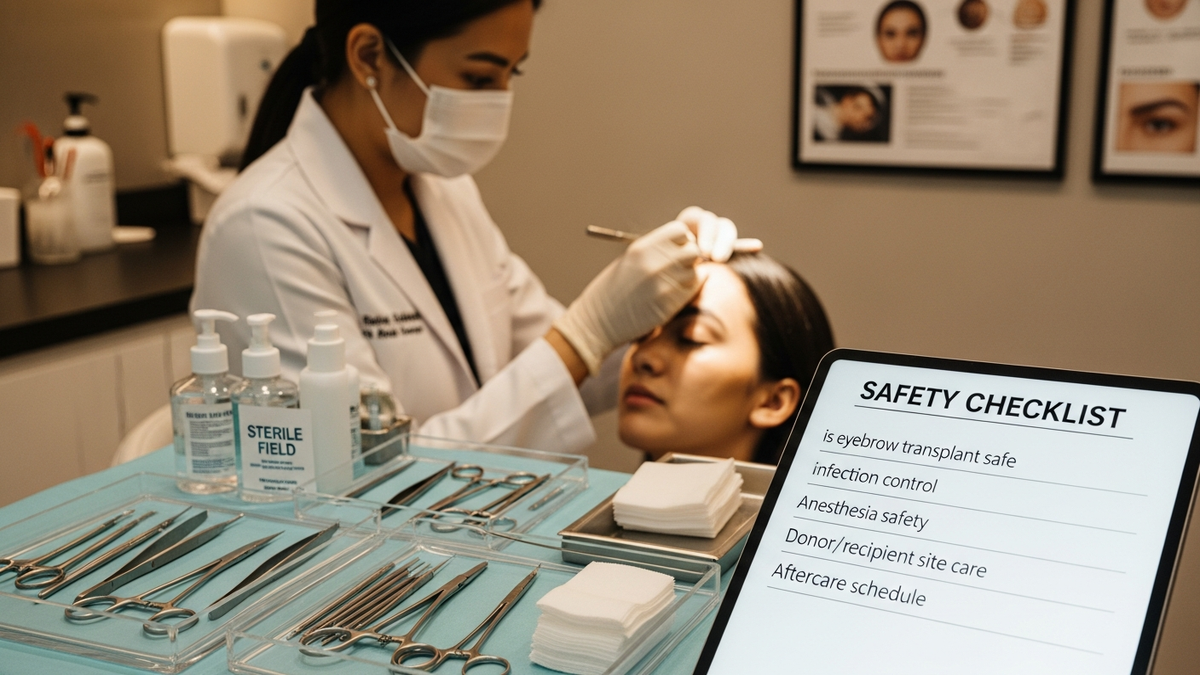
Professional Tip: If you’re also experiencing hair thinning in the brow area, ask your surgeon whether a complementary procedure like an eyebrow transplant is appropriate for your aesthetic goals. (For broader hair restoration questions, you can also explore hair transplant options.)
Professional Disclaimer
This content is provided for general educational purposes only by FlowGeniQ Digest. It is not a substitute for professional advice, diagnosis, or treatment. Readers are advised to consult qualified professionals for personalized recommendations.
Medical Information Disclaimer
This content is provided for general educational purposes only by FlowGeniQ Digest. It is not a substitute for professional advice, diagnosis, or treatment. Readers are advised to consult qualified professionals for personalized recommendations.