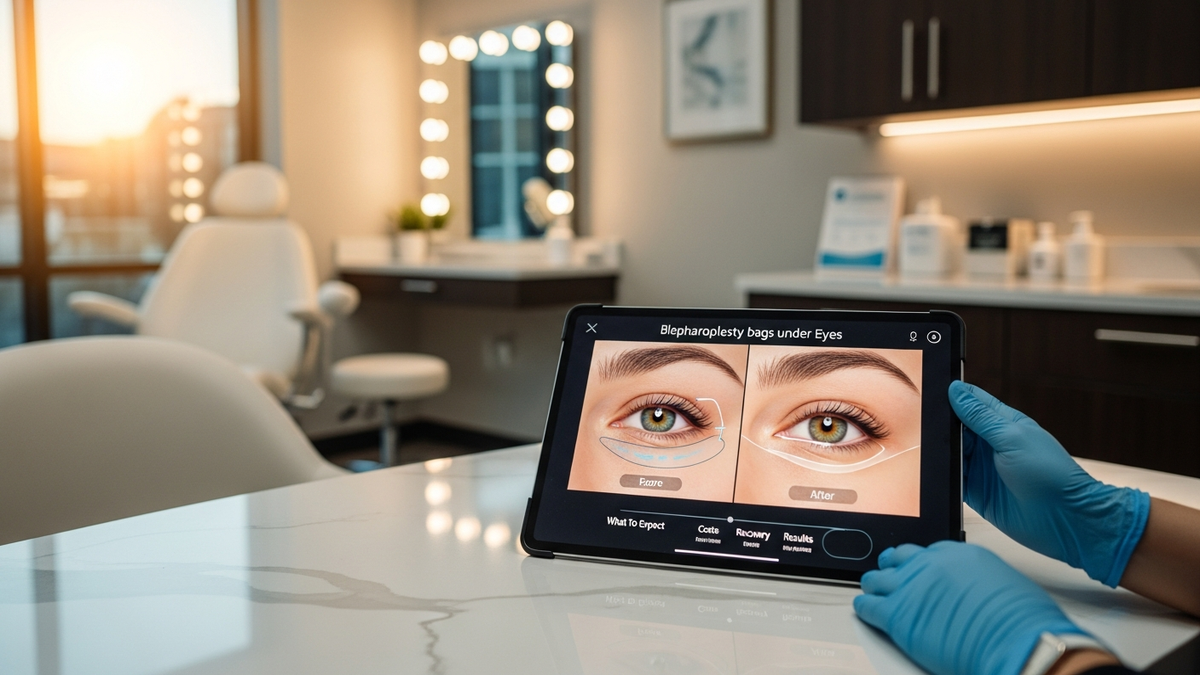
At FlowGeniQ Digest, we often hear the same concern from patients who look tired even after a full night’s sleep: blepharoplasty bags under eyes. Under-eye puffiness, bulging fat, and fine creasing can make you appear older, less rested, or simply “off”—even when your overall health is great.
The good news is that modern eyelid surgery can address the structural causes of under-eye bags while maintaining a natural look. In this premium, practical guide, you’ll learn how blepharoplasty works, who may be a good candidate, what recovery typically involves, and what to ask before choosing a surgeon.
What Are “Blepharoplasty Bags Under Eyes”?
When people say blepharoplasty bags under eyes, they usually mean one or more visible changes in the lower eyelid area, such as:
- Lower eyelid puffiness (often from fat pads that become more prominent)
- Bulging “bags” that appear as a soft swelling
- Creasing or fine lines from skin laxity and aging
- Shadowing that can make the under-eye look hollow or uneven
- Skin laxity (looser skin that doesn’t “snap back”)
It’s important to note that under-eye “bags” aren’t always the same thing. Some patients have true fat bulges; others have a mix of fat prominence, skin laxity, and tear trough changes (the groove where the lower eyelid meets the cheek).
Why Under-Eye Bags Develop (GEO-Useful Anatomy Overview)
Under-eye bags typically result from a combination of factors:
- Genetics: Some people naturally have more prominent lower eyelid fat pads.
- Aging: Over time, eyelid tissues weaken and fat can shift forward.
- Skin changes: Thinner skin and reduced elasticity can reveal or accentuate contours.
- Fluid retention: Salt, allergies, and sleep patterns can temporarily worsen puffiness.
- Volume loss: Cheek and midface volume changes can create shadowing that looks like “bags.”
A skilled evaluation helps determine which components are driving your appearance—because the best surgical plan depends on the cause.
How Blepharoplasty Works for Lower Eyelid Bags
Blepharoplasty is a surgical procedure designed to improve the look of the upper and/or lower eyelids. For under-eye bags, the goal is to create a smoother transition from the lower eyelid to the cheek while avoiding an overly tight or unnatural result.
Common surgical principles include:
- Fat management: Removing fat, repositioning it, or both—based on your anatomy.
- Skin adjustment: Removing excess skin when appropriate.
- Support and balance: Addressing laxity and orbital support to reduce recurrence risk.
- Preserving natural contours: Avoiding the “hollowing” look by considering tear trough and midface structure.
If you’re exploring treatment options, you can review general information about Blepharoplasty to understand how eyelid surgery is approached in facial plastic practice.
Lower vs. Upper Blepharoplasty: Do You Need Both?
Some patients have only lower eyelid bags; others have both upper and lower changes. Upper eyelid surgery can improve heaviness or hooding, while lower eyelid surgery focuses on puffiness and creasing.
Many surgeons evaluate the entire eyelid unit because the eyes should harmonize as a pair. Even if your primary concern is under-eye bags, addressing upper eyelids can sometimes improve overall balance and reduce the “tired” appearance.
Who Is a Good Candidate for Blepharoplasty Bags Under Eyes?
You may be a candidate if you have:
- Visible under-eye puffiness or bulging fat pads
- Excess lower eyelid skin or worsening creasing
- Persistent cosmetic concerns that don’t improve with lifestyle changes
- Realistic expectations about what surgery can and cannot do
It’s also essential to consider eye health. Candidates with significant dry eye, eyelid closure issues, or certain ocular conditions may need additional evaluation or alternative planning.
At a head-and-neck focused practice, evaluation often includes both aesthetic and functional considerations to support eye comfort and natural movement.
Non-Surgical Options: When They Help (and When They Don’t)
Not every under-eye concern requires surgery. Depending on the cause, you may consider:
- Allergy management for seasonal or chronic inflammation
- Cold compresses and lifestyle adjustments for temporary fluid retention
- Topical skincare (limited for true fat bulges, but helpful for texture)
- Injectables for specific volume or texture issues (case-dependent)
However, true structural “bags” from fat prominence or skin laxity often respond best to surgical correction. A thorough consultation helps you avoid spending time (and money) on approaches that may not target the root cause.
What to Expect During a Consultation
A high-quality blepharoplasty consult is more than a quick look in the mirror. Expect the surgeon to:
- Review your medical history and medications
- Assess eyelid skin quality, fat prominence, and tear trough appearance
- Discuss eye comfort (dry eye symptoms, irritation, watering)
- Use measurements and photography for planning
- Explain likely outcomes, recovery time, and potential risks
In practices led by facial plastic and reconstructive specialists, you may also benefit from a broader understanding of head-and-neck anatomy—useful when planning for natural facial harmony.
Blepharoplasty Bags Under Eyes: Surgical Techniques (High-Level Overview)
Techniques vary based on anatomy, but common strategies include:
1) Transconjunctival Approach (Often for Fat Prominence)
This approach accesses the lower eyelid from inside the eyelid (through the conjunctiva), often minimizing visible scarring on the outer skin. It may be considered when the main issue is fat prominence rather than significant skin excess.
2) External Approach (When Skin Laxity Is Significant)
An external approach may allow targeted skin tightening or removal when excess skin contributes to the “bag” appearance.
3) Fat Repositioning vs. Removal
Instead of simply removing all fat, some plans reposition fat to support the under-eye area and preserve a smoother contour. The best choice depends on whether your under-eye looks more like bulging, hollowing, or both.
4) Addressing the Tear Trough and Midface Balance
Under-eye “bags” can be influenced by midface volume changes. A surgeon may tailor the plan to avoid a hollow or prematurely aged look. This is one reason why individualized planning matters so much.
Recovery Timeline: What You’ll Notice Week by Week
Recovery varies, but here’s a realistic, general timeline for blepharoplasty bags under eyes:
- First 48–72 hours: Swelling and bruising peak for many patients. Cold compresses and head elevation are often recommended.
- Days 4–7: Bruising begins to fade. Some people can return to light social activities with appropriate makeup (timing varies by surgeon guidance).
- 1–2 weeks: Swelling continues to improve, and the eyelid area looks more defined.
- 3–6 weeks: Many patients see a more stable result as residual swelling settles.
- Up to several months: Final contour refinements may continue as tissues fully heal.
Your surgeon will provide post-op instructions tailored to your plan—follow them closely for comfort and optimal healing.
Common Side Effects vs. Red Flags
Some side effects are normal, including:
- Bruising and swelling
- Tightness or mild discomfort
- Temporary blurred vision from ointment or swelling
- Watery eyes or dryness (often manageable with guidance)
Seek urgent medical advice if you experience severe pain, rapidly worsening swelling, vision changes, fever, or unusual discharge. Your care team should provide clear instructions on when to call.
How Long Do Results Last?
Blepharoplasty does not stop aging, but it can provide long-lasting improvement. Results often endure for years, particularly when the plan is tailored to the underlying anatomy.
Factors that influence longevity include:
- Skin quality and elasticity
- Degree of laxity at the time of surgery
- Smoking status and sun exposure
- General health and adherence to post-op care
Blepharoplasty Bags Under Eyes: Risks and How to Minimize Them
Like any procedure, blepharoplasty has potential risks. A responsible surgeon discusses these openly and designs the plan to reduce likelihood.
Possible risks include:
- Dry eye symptoms or irritation
- Asymmetry
- Scarring (usually minimal, depending on approach)
- Overcorrection or undercorrection
- Infection or bleeding (rare with proper technique and care)
To minimize risk, choose a surgeon with extensive eyelid experience, follow pre-op instructions (including medication guidance), and attend all follow-up visits.
Cost of Blepharoplasty for Under-Eye Bags (What Affects Pricing)
Costs vary widely by location, surgeon experience, facility fees, and whether upper eyelids are included. Additional factors may include:
- Whether the procedure is lower-only or combined
- Technique selection based on anatomy
- Pre-op testing and post-op medications
- Operating room or accredited facility fees
Because pricing is individualized, the most accurate way to understand cost is to request a consultation and transparent estimate.
Choosing a Surgeon: Questions That Matter
If you’re comparing options for blepharoplasty bags under eyes, ask questions that reveal how the surgeon thinks—not just what they do.
Key questions to bring to your appointment
- What is causing my under-eye “bags”? (fat, skin laxity, tear trough, or a combination)
- Which technique do you recommend for my anatomy, and why?
- How do you avoid hollowing or an unnatural look?
- What does recovery look like for my specific plan?
- What are the most common complications you see, and how do you manage them?
- Can I see before-and-after photos of similar patients?
Why Facial Plastic & Reconstructive Expertise Can Matter
Under-eye surgery demands precision. The eyelids are delicate structures with functional roles—blink mechanics, tear distribution, and facial expression all matter. That’s why many patients prefer board-certified facial plastic surgeons with specialized training.
In Los Angeles and Beverly Hills, patients may seek care from specialists who focus on head and neck procedures, because the same attention to anatomy and function can translate into more natural aesthetic outcomes.
For example, Dr. Hootan Zandifar is a double board-certified, fellowship-trained facial plastic and reconstructive surgeon who focuses solely on surgeries of the head and neck. His approach emphasizes patient education, honest guidance, and natural-looking results that support both aesthetics and confidence. If you’re exploring eyelid surgery, you can also learn more about Blepharoplasty and related facial rejuvenation options.
Combining Procedures: When It Makes Sense
Some patients benefit from a combination of treatments to address aging holistically. Under-eye concerns can be influenced by adjacent areas such as the brows, midface, and cheeks.
Brow lift and eyelids
If brow position contributes to upper eyelid heaviness or under-eye shadowing, a brow lift may be considered as part of a comprehensive plan.
Facelift and midface rejuvenation
For patients with broader facial aging, a Facelift strategy may complement eyelid surgery to support midface tissues and create smoother transitions.
How to avoid over-treating
Combination procedures can be beneficial, but they must be carefully selected. The best plan targets what’s truly driving your appearance—not simply what’s popular.
Recovery Support: Actionable Tips Before and After Surgery
Preparation can make recovery easier. Here are practical steps commonly recommended in eyelid surgery care plans:
Before surgery
- Follow medication guidance: Ask specifically about blood-thinning medications and supplements.
- Arrange help: Plan for someone to drive you home and assist during the first day.
- Prepare your environment: Stock cold compresses, clean gauze, and comfortable pillows.
- Set realistic expectations: Plan for swelling and bruising to be visible early on.
After surgery
- Keep head elevated to reduce swelling.
- Use compresses as directed (not too much pressure, not too hot).
- Avoid strenuous activity during the early healing window.
- Protect eyes and follow ointment instructions.
- Attend follow-ups: Your surgeon needs to monitor healing and symmetry.
Los Angeles & Beverly Hills Context: Finding Care Close to Home
Many patients in the Los Angeles area prefer to consult with experienced facial plastic and reconstructive surgeons in nearby cities like Beverly Hills. Local access can make follow-up care more convenient and help you feel supported throughout recovery.
When you’re choosing a practice, prioritize:
- Board certification and specialized experience in eyelid surgery
- Transparent discussion of risks and realistic outcomes
- Clear aftercare guidance and responsive follow-up
Related Procedures You Might Hear About (and Why They’re Different)
You may come across other facial procedures during your research. Here’s how they differ from blepharoplasty bags under eyes:
- Rhinoplasty reshapes the nose and is not intended to address under-eye bags. Learn more at Rhinoplasty.
- Septoplasty corrects nasal airflow issues and may be relevant if chronic congestion contributes to facial puffiness, but it does not surgically correct eyelid fat or skin laxity. See Septoplasty and Deviated Septum.
- Hair transplant and eyebrow transplant address hair loss, not under-eye bags. If you’re curious, explore hair transplant and eyebrow transplant.
These topics are included to help you navigate search results and understand what each procedure targets.
FAQ: Blepharoplasty Bags Under Eyes
1) How soon will I see results after blepharoplasty for under-eye bags?
Many patients notice early improvement within 1–2 weeks as swelling decreases. However, final contour refinement may take several months as tissues heal and settle.
2) Will blepharoplasty remove all under-eye puffiness permanently?
Surgery can significantly improve structural under-eye bags. That said, aging continues and lifestyle factors (sleep, allergies, sun exposure) may still affect how your eyes look over time.
3) Is lower eyelid blepharoplasty right for tear trough hollowness?
It depends on your anatomy. Some patients have fat bulges that create shadowing; others have true volume loss. Your surgeon should evaluate whether fat repositioning, skin management, or a different approach is best.
4) What are the most common risks of blepharoplasty bags under eyes?
Common risks include bruising and swelling, temporary dryness, asymmetry, and—in some cases—over- or under-correction. Choosing an experienced surgeon and following aftercare guidance helps reduce risk.
5) Can I combine lower blepharoplasty with other facial rejuvenation procedures?
Yes, sometimes. For example, brow lift or midface-focused strategies may complement eyelid surgery. The best plan is individualized based on your facial aging pattern and goals.
CTA: Ready to Explore Eyelid Surgery?
If blepharoplasty bags under eyes are affecting how you feel about your appearance, consider scheduling a consultation with a qualified facial plastic and reconstructive surgeon. A personalized evaluation can clarify what’s driving your under-eye concerns and whether eyelid surgery—or an alternative approach—fits your goals.
Learn more about eyelid surgery and start your journey toward a refreshed, natural look by exploring Blepharoplasty.
Professional Disclaimer
This content is provided for general educational purposes only by FlowGeniQ Digest. It is not a substitute for professional advice, diagnosis, or treatment. Readers are advised to consult qualified professionals for personalized recommendations.
Medical Information Disclaimer
This content is provided for general educational purposes only by FlowGeniQ Digest. It is not a substitute for professional advice, diagnosis, or treatment. Readers are advised to consult qualified professionals for personalized recommendations.