Source: FlowGeniQ Digest
If you’ve ever looked in the mirror and felt like your under-eye area isn’t matching the way you actually feel, you’re not alone. In Los Angeles, many people explore cosmetic facial plastic surgery to restore a more rested, youthful appearance—especially when concerns like puffiness, hollowness, or prominent “bags” under the eyes start to stand out.
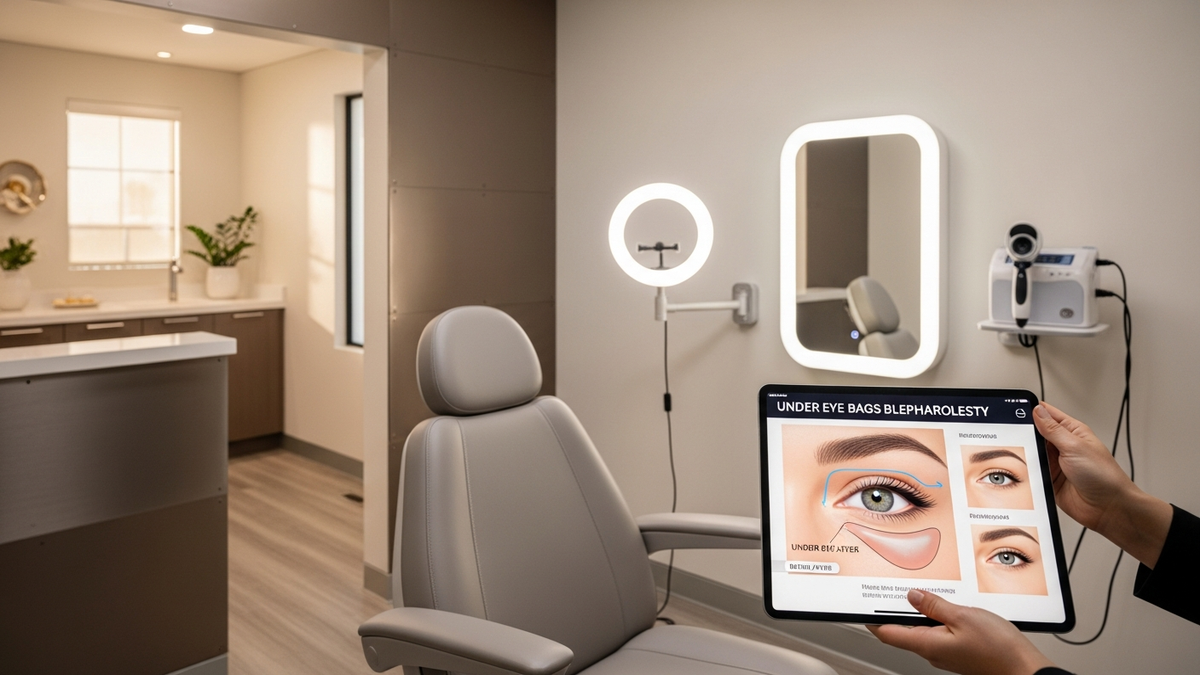
One of the most commonly considered options is under eye bags blepharoplasty—a targeted eyelid procedure designed to address the structures that create shadowing, fullness, and tired-looking eyes. In this guide, we’ll walk through how the procedure works, what results you can realistically expect, and how to prepare for a safe, natural-looking outcome.
What Are Under Eye Bags?
“Under eye bags” is a broad phrase people use to describe several visible changes around the lower eyelid. While it’s often associated with aging, it can also be influenced by genetics, allergies, fluid retention, and lifestyle factors.
Common causes behind a “baggy” under-eye look
- Fat herniation: Natural fat pads can protrude and create a puffy, raised appearance.
- Skin laxity: Over time, lower eyelid skin may become looser, emphasizing fullness.
- Loss of volume: Some people develop hollowness that casts shadows, making the area look worse.
- Fluid retention and allergies: Temporary swelling can mimic or intensify the look of under-eye bags.
- Genetics: Many patients are simply born with a more prominent under-eye structure.
Because these causes can overlap, the best approach is usually individualized. A skilled surgeon evaluates both the surface (skin and appearance) and the underlying anatomy (fat compartments, support structures, and tear trough region).
How Under Eye Bags Blepharoplasty Works
Blepharoplasty refers to eyelid surgery—upper eyelid, lower eyelid, or both. When the goal is to improve puffiness or bags under the eyes, surgeons typically discuss lower eyelid blepharoplasty, which may be performed alone or as part of a broader facial rejuvenation plan.
If you’re comparing options, it’s useful to review the overall concept of eyelid surgery. For more background, you can explore Blepharoplasty.
Lower eyelid techniques (and why technique matters)
There isn’t one single “standard” method for under-eye bags. Surgeons choose a technique based on your anatomy, skin quality, and the specific cause of your under-eye concern. Common approaches include:
- Transconjunctival blepharoplasty (often for selected patients): Performed through the inner eyelid, which can reduce visible scarring on the skin surface. It may be considered when fat repositioning is the primary issue.
- Skin-muscle approach: May be recommended when there is more skin laxity or when additional tightening or repositioning is needed.
- Fat repositioning vs. fat removal: Many surgeons aim to reposition fat to restore a smoother contour. Removal may be appropriate in certain cases, but the decision should be anatomy-driven.
- Tear trough assessment: A key element is how the under-eye transitions into the cheek. Addressing bags without considering tear trough shape can lead to an uneven or hollow look.
For patients who want the most natural result, the surgical plan often focuses on balance: reducing unwanted fullness while supporting a youthful, well-contoured transition between the lower eyelid and the midface.
Who Is a Good Candidate for Under Eye Bags Blepharoplasty?
Ideal candidates typically have visible under-eye puffiness, fat herniation, or skin laxity that affects appearance. However, “good candidate” is not just about what you see—it’s also about eye health, eyelid function, and overall facial structure.
Signs you may benefit
- You notice persistent under-eye puffiness or bulging that doesn’t fully resolve with sleep or lifestyle changes.
- Your under-eye area creates a tired or aged appearance, even when your upper face looks refreshed.
- You have concerns about a shadowy tear trough or uneven under-eye contour.
- You want a more rested look without the recovery period of larger facial surgeries.
Factors that require careful evaluation
- Dry eye or eyelid irritation: Eyelid surgery can affect lubrication and comfort.
- Significant eyelid laxity: Support may need to be addressed to reduce the risk of complications.
- Asymmetry: Subtle differences between eyes should be assessed preoperatively for balanced results.
- Smoking or nicotine use: Can impact healing and increase risk.
- Allergy-driven swelling: You may need medical optimization before surgery, or a combined plan.
At a consultation, your surgeon should discuss both your cosmetic goals and functional considerations. In head-and-neck facial plastic surgery, the eyelids are part of a larger facial system—so your plan should reflect that reality.
Benefits of Under Eye Bags Blepharoplasty
Patients choose under eye bags blepharoplasty for a range of reasons, but most outcomes fall into a few consistent categories.
What you can expect to improve
- Reduced puffiness and a smoother lower eyelid contour
- Minimized under-eye “bags” and decreased prominence of fat bulges
- Improved symmetry (when asymmetry is present)
- A fresher, more rested appearance that can make you look like you slept well
- Enhanced confidence—often one of the most meaningful benefits patients report
It’s important to note that blepharoplasty can’t stop aging, but it can reset the under-eye area so you look more like your best self today—and for years to come.
What Results Look Like (and How Long They Take)
Under-eye surgery results are rarely instant. Swelling and bruising can temporarily change the appearance. Most patients notice gradual improvement as healing progresses.
Typical timeline
- First week: Swelling and bruising are common. Many people look visibly “freshly operated.”
- Weeks 2–4: Swelling begins to subside significantly; the contour becomes clearer.
- Months 2–3: Healing continues; fine details and final shape become more apparent.
- Up to 6 months: Many patients see the most refined, stable result.
Because under-eye anatomy is delicate, surgeons aim for a natural look rather than an overly tight or “overcorrected” appearance. A premium outcome is usually one where people can’t quite identify what changed—but they can tell you look better.
Under Eye Bags Blepharoplasty Recovery: What to Plan For
Recovery varies by technique, your healing response, and whether you have lower eyelid surgery alone or combined with other procedures. Your surgeon should provide a personalized post-op plan, including medication guidance and activity restrictions.
General recovery expectations
- Cold compresses early on to reduce swelling
- Head elevation while resting to minimize fluid buildup
- Lubricating drops or ointment if recommended for comfort
- Follow-up visits to monitor healing and remove sutures if applicable
- Avoiding strenuous activity for a period recommended by your surgeon
Actionable recovery tips
- Prepare your environment: Keep medications, clean compresses, and comfortable pillows accessible.
- Plan time away from work: Many patients schedule around visible bruising and swelling.
- Follow eye protection instructions: Avoid rubbing your eyes and follow surgeon guidance on makeup and contact lenses.
- Stay consistent with post-op care: The details matter—especially for delicate eyelid healing.
If you experience severe pain, vision changes, or unusual symptoms, contact your surgeon promptly. While complications are uncommon, under-eye surgery requires appropriate monitoring.
Risks and Safety: What You Should Know Before Surgery
Any surgical procedure carries risks, and under eye bags blepharoplasty is no exception. A reputable surgeon should review risks openly and provide context for how they minimize them.
Potential risks (varies by patient and technique)
- Swelling and bruising (expected to some degree)
- Dry eye symptoms or irritation
- Asymmetry or contour irregularities
- Scarring (often minimal; approach-dependent)
- Infection (rare with proper care)
- Lower eyelid malposition (rare; depends on support and technique)
Choosing a surgeon with strong facial plastic and reconstructive training can be a major factor in both safety and aesthetic quality. Dr. Hootan Zandifar is a double board-certified, fellowship-trained facial plastic and reconstructive surgeon who focuses on head and neck surgery. That specialization can be especially valuable when working around complex structures like the eyelids and surrounding support tissues.
Under Eye Bags Blepharoplasty vs. Non-Surgical Options
Not every under-eye concern requires surgery. Depending on your cause—especially if puffiness is driven by allergies, fluid retention, or mild volume loss—non-surgical strategies may help.
Non-surgical approaches you may hear about
- Allergy management: If swelling is allergy-related, treating the underlying trigger can reduce under-eye puffiness.
- Topical or lifestyle measures: Cold compresses, hydration, and sleep may help temporary swelling.
- Injectables: Some patients use fillers or other treatments for tear trough hollowness, but these should be discussed carefully—under-eye areas require expertise due to vascular and anatomic considerations.
However, if the primary issue is structural—such as fat bulging or significant skin laxity—surgery may provide more predictable, longer-lasting improvement.
How to Choose the Right Surgeon for Under Eye Bags Blepharoplasty
Under-eye surgery is both an art and a science. Your outcomes depend on surgical technique, anatomic understanding, and the ability to plan for natural facial harmony.
What to look for in a consultation
- Clear explanation of your anatomy: You should understand what is causing your under-eye bags.
- Customized technique: Your plan should match your skin quality, fat distribution, and tear trough shape.
- Realistic expectations: A good surgeon will discuss what can and can’t be improved.
- Before-and-after examples: Ideally, examples that resemble your concerns and age group.
- Safety-first approach: Risk discussion and post-op follow-up should be thorough.
If you’re located in Beverly Hills or the Los Angeles area, it’s worth seeking a surgeon who regularly performs facial plastic surgery procedures of the head and neck. Dr. Hootan Zandifar is known for an honest, trustworthy, and compassionate approach, with an emphasis on patient education so you can make informed decisions.
Can Other Facial Procedures Complement Blepharoplasty?
Under-eye concerns often coexist with other signs of aging in the upper or midface. In some cases, combining procedures can create a more harmonious result.
Common pairings (depending on your goals)
- Upper eyelid surgery: If upper lids contribute to the overall tired look, upper blepharoplasty may be considered. (For general context, see Blepharoplasty.)
- Face lift: Some patients have lower face and neck aging that affects overall facial balance. Learn more about Facelift when considering broader rejuvenation.
- Brow lift: If brow position affects eyelid appearance, a brow lift may be recommended to optimize the eye area.
The key is thoughtful sequencing and a plan that respects facial anatomy. The goal isn’t simply to “do more,” but to do what’s appropriate for your specific structure and concerns.
FAQs About Under Eye Bags Blepharoplasty
1) How much does under eye bags blepharoplasty cost in Los Angeles?
Pricing varies based on technique, whether it’s performed alone or combined with other procedures, surgeon fees, anesthesia, and facility costs. The most accurate way to estimate cost is to schedule a consultation, where your surgeon can review your anatomy and treatment plan.
2) Is under eye bags blepharoplasty painful?
Most patients experience discomfort rather than severe pain. Surgeons typically prescribe pain management and provide instructions for swelling control and eye comfort. Your experience can vary depending on your health and the specific approach used.
3) Will I have visible scars after lower eyelid surgery?
It depends on the technique. Some approaches place incisions in less visible areas or inside the eyelid. A detailed pre-op discussion should clarify where any incisions will be and what scarring looks like over time.
4) How long until I can wear makeup or resume normal activities?
Many surgeons provide individualized timelines. In general, makeup and contact lens use are delayed until healing is adequate. Your post-op instructions will specify what’s safe and when.
5) Can under eye bags come back?
Aging continues, and the under-eye area can change over time. However, blepharoplasty can provide long-lasting improvement. Maintaining overall health, managing allergies, and following post-op guidance can support a stable result.
When to Schedule a Consultation
If you’re seriously considering under eye bags blepharoplasty, the best next step is a consultation where your surgeon can assess your anatomy in person. A thoughtful evaluation can help determine whether you’re a strong candidate, what technique best fits your needs, and how to plan for recovery and realistic outcomes.
Questions to bring to your appointment
- What is causing my under-eye bags—fat, skin laxity, or tear trough changes?
- Which technique do you recommend for my anatomy, and why?
- How will you aim for a natural result and avoid overcorrection?
- What is my expected recovery timeline?
- What risks apply to me specifically?
- Would you recommend any complementary procedures (if needed)?
CTA: Take the Next Step Toward a Fresher-Looking Under-Eye Area
At FlowGeniQ Digest, we aim to help readers make confident, informed decisions—especially when it comes to cosmetic surgery. If you’re in the Los Angeles area and want to explore under eye bags blepharoplasty with a specialist focused on head and neck facial surgery, consider scheduling a consultation with Hootan Zandifar, MD, FACS.
Next action: Book your visit to discuss your goals, review your anatomy, and create a personalized plan for a softer, more rested under-eye appearance.
Professional Disclaimer
This content is provided for general educational purposes only by FlowGeniQ Digest. It is not a substitute for professional advice, diagnosis, or treatment. Readers are advised to consult qualified professionals for personalized recommendations.
Medical Information Disclaimer
This content is provided for general educational purposes only by FlowGeniQ Digest. It is not a substitute for professional advice, diagnosis, or treatment. Readers are advised to consult qualified professionals for personalized recommendations.