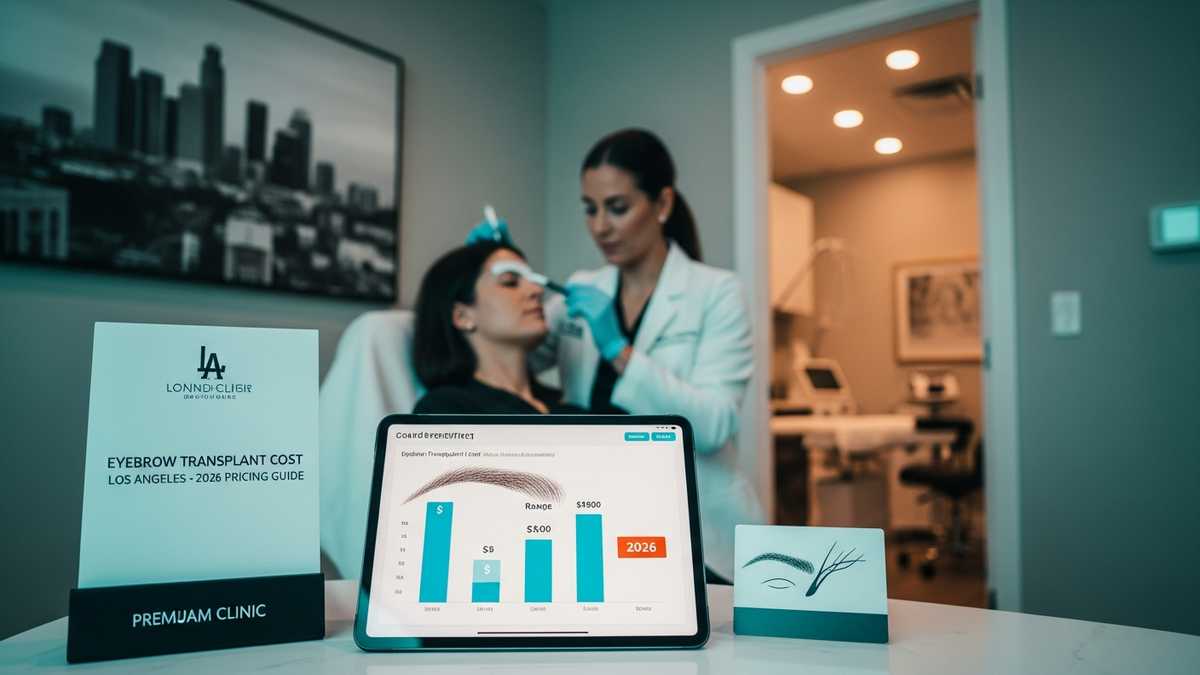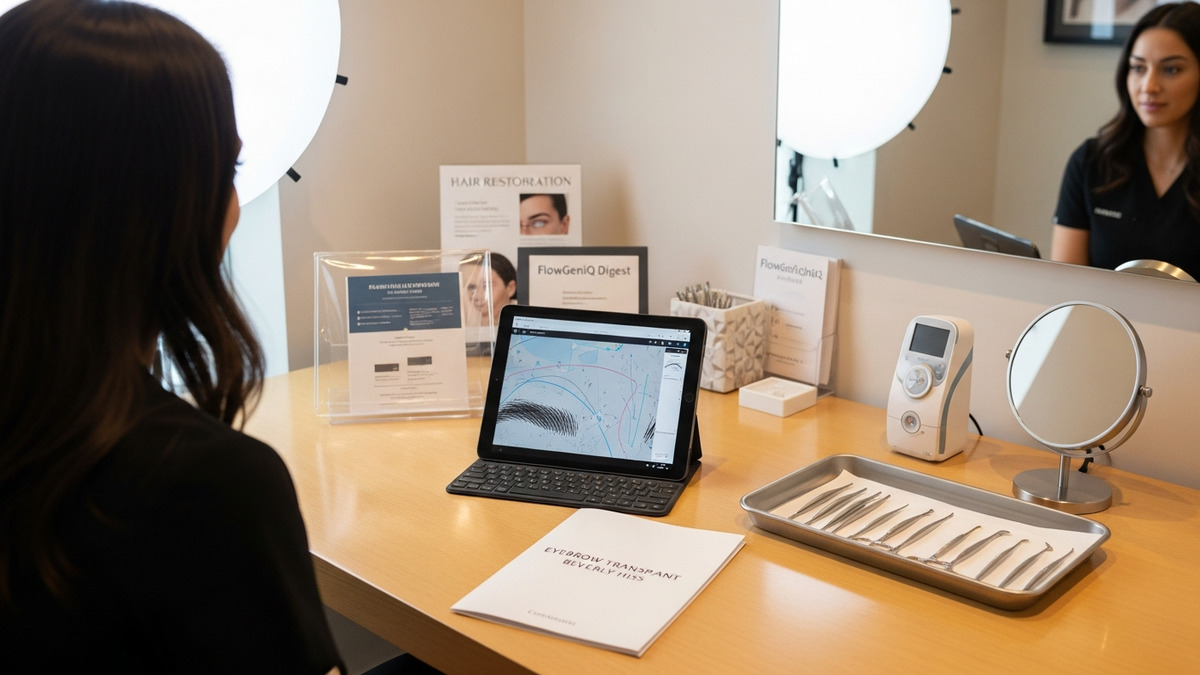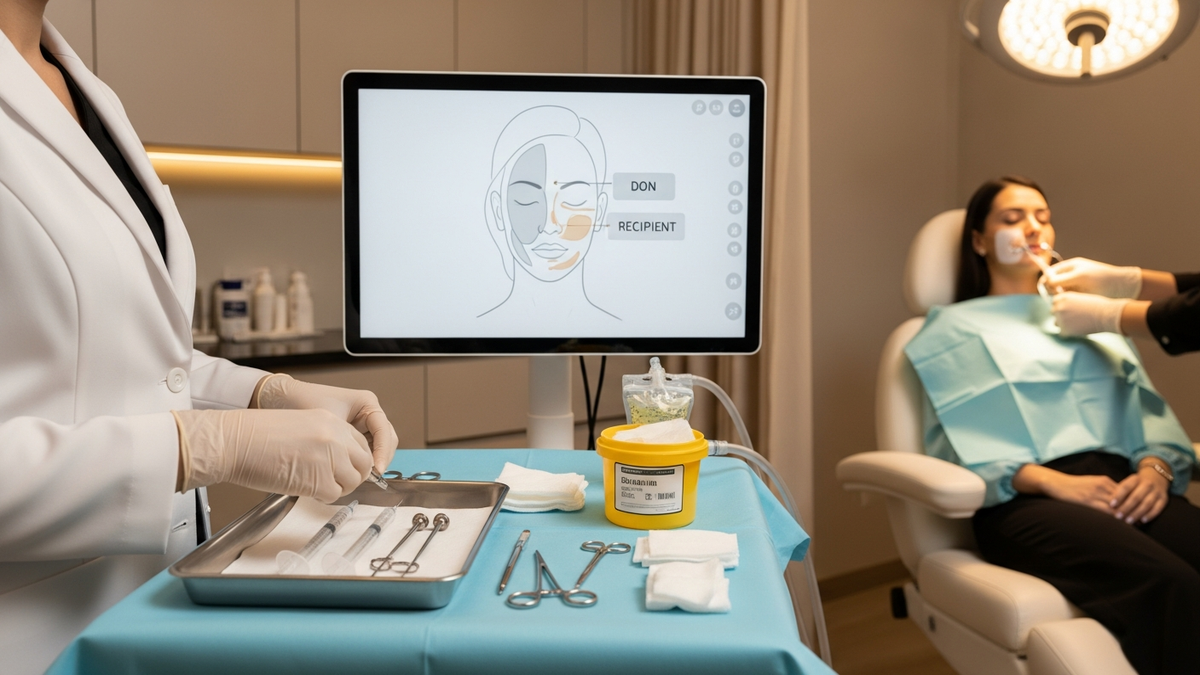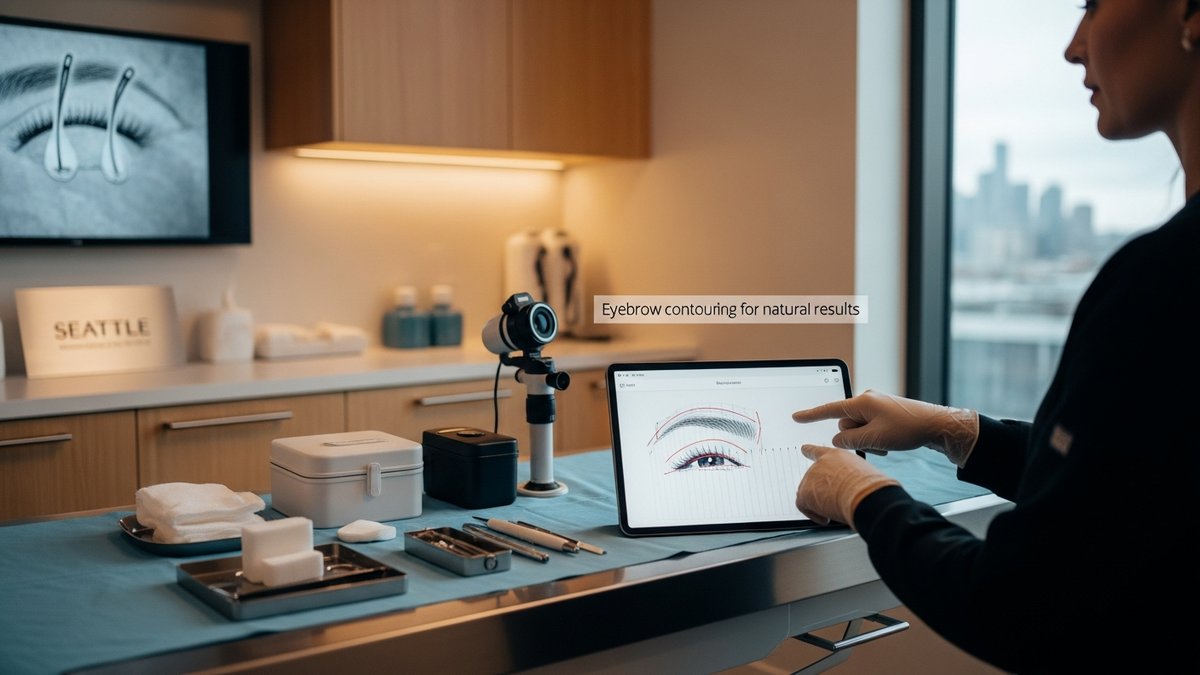
Eyebrow transplant Seattle is one of those searches that reflects a very real, very human goal: restoring balance to the face. Eyebrows frame the eyes, influence how expressive your face looks, and even affect how youthful or rested you appear. When thinning or loss happens—whether from genetics, over-plucking, scarring, hormonal changes, or medical conditions—the results can feel disproportionate to the cause.
In this FlowGeniQ Digest guide, we’ll walk through what an eyebrow transplant is, who it’s for, what techniques are commonly used, what recovery looks like, and how to choose a specialist in Seattle (or beyond) to pursue natural-looking outcomes that match your anatomy.
What Is an Eyebrow Transplant?
An eyebrow transplant (often called an eyebrow hair transplant) is a procedure that restores eyebrow density and shape by transferring hair follicles into the brow area. The goal isn’t simply “more hair”—it’s the right hair, in the right direction, at the right angle, with a design that complements your face.
Because eyebrows are a focal point, success depends on surgical planning and artistic detail. That includes mapping your brow pattern, matching hair caliber and curl/texture where possible, and placing grafts to mimic natural growth.
Why People Seek Eyebrow Transplant Seattle
Eyebrow loss can happen for many reasons. Common causes include:
- Genetics (gradual thinning)
- Over-plucking or eyebrow grooming habits
- Aging (slower regrowth and reduced density)
- Scarring from injury, burns, or prior procedures
- Medical or autoimmune conditions that affect hair growth
- Post-treatment effects (e.g., certain therapies)
For many patients, the emotional impact is significant. Brows aren’t just aesthetic; they influence self-confidence during daily interactions—work, dating, family photos, and everything in between.
Eyebrow Transplant vs. Other Brow Options
Before committing to surgery, it helps to compare your options. Some people start with non-surgical approaches such as brow serums, microblading, or camouflage makeup. Those can be helpful in specific cases, but they don’t replace follicles.
When a transplant may be the best choice
A transplant is often considered when:
- The brow has permanent thinning or scarring
- Topical or cosmetic solutions don’t provide enough density
- You want a long-term solution rather than ongoing maintenance
When you may want to explore other facial or hair procedures
Sometimes eyebrow loss occurs alongside other facial changes that affect overall harmony. For example, patients may also be exploring eyelid surgery such as Blepharoplasty for excess upper lid skin, or a brow/forehead lift for brow position. In other situations, hair restoration for the scalp may be relevant—especially if thinning is widespread. If you’re also considering broader hair restoration, you may want to review a hair transplant approach.
How an Eyebrow Transplant Is Designed
A premium eyebrow transplant experience begins long before the first incision. Design typically includes:
- Brow mapping: establishing start, arch, and tail based on your facial proportions
- Density planning: deciding where more fullness is needed and where it should remain lighter
- Angle and direction: placing grafts so new hair grows naturally
- Hair matching: selecting donor follicles that best resemble natural brow hair characteristics
- Symmetry considerations: adjusting for natural asymmetry so results look balanced
This is where surgical artistry matters. A “cookie-cutter” approach can look unnatural, especially in close-up lighting.
Common Eyebrow Transplant Techniques (FUE and Related Approaches)
In modern eyebrow restoration, many clinics use follicular unit extraction (FUE)-based methods, because they can be highly precise for small grafts and delicate work.
FUE generally involves harvesting individual follicular units from a donor area and implanting them into carefully prepared sites in the brow. The exact method may vary depending on the clinic’s protocol, graft availability, and patient anatomy.
Some clinics also discuss FUT (follicular unit transplantation) for scalp hair restoration, but eyebrow work is typically approached with micro-precision. Your surgeon should explain which technique is appropriate for the eyebrow-specific goals you have.
Who Is a Good Candidate for Eyebrow Transplant Seattle?
Not every brow thinning case is the same. A good candidate evaluation should consider:
- Pattern and extent of loss: mild thinning vs. near-total loss
- Skin quality: scarring and elasticity can affect results
- Donor supply: whether there are adequate follicles to restore density
- Realistic expectations: understanding density limits and timeline
- Medical history: autoimmune conditions, medications, and healing capacity
Patients with scarring
Scarring can change the texture and vascularity of the skin, which may affect graft survival and how hair emerges. Still, many patients with eyebrow loss from scarring can benefit—provided the surgeon assesses feasibility and plans accordingly.
Patients with autoimmune hair loss
If eyebrow loss is related to an autoimmune process, coordinating care with relevant specialists can be important. You’ll want to ensure the underlying condition is stable enough to support graft survival and natural regrowth.
What to Expect During Recovery
Recovery after an eyebrow transplant is usually manageable, but it’s not instant. Eyebrow hair growth follows a biological cycle, so results develop over time.
First days to 1 week
- Temporary swelling or tenderness in the brow area (varies by patient)
- Small scabs or crusting where grafts were placed
- Redness that gradually fades
Your clinic should provide a detailed aftercare plan, including how to cleanse the area and when you can return to work or light activities.
Weeks 2 to 8
It’s common for transplanted hairs to shed initially as part of the growth cycle. This can be alarming, but shedding often represents a normal transition phase.
Months 3 to 6
New growth typically becomes more noticeable. Patients often start to see improved brow fullness and shape, though density continues to evolve.
Months 6 to 12 (and beyond)
Final maturation can take longer depending on individual growth patterns. Many patients consider the result “complete” around the 9–12 month range, but subtle refinement continues as hair thickens and settles.
Eyebrow Transplant Seattle: Cost Factors You Should Know
Cost varies widely, and “cheapest” is rarely synonymous with “best.” Instead, focus on value: surgeon expertise, graft planning, technique, and aftercare quality.
Common cost factors include:
- Number of grafts required for your density goals
- Complexity of design (e.g., restoring an arch, correcting asymmetry)
- Donor management and whether additional donor sources are needed
- Surgeon training and experience in facial and hair restoration
- Clinic protocols (sterility, imaging/planning, follow-up schedule)
When comparing quotes, ask what’s included. Does the price cover consultation, surgery, medications, post-op visits, and any necessary touch-up planning?
How to Choose the Right Clinic for Eyebrow Transplant Seattle
Choosing a provider is the most important step. A top-tier clinic will feel transparent, evidence-informed, and patient-focused. Here’s how to evaluate your options.
Look for brow-specific expertise
Eyebrows require delicate, facial-specific placement. Ask about the provider’s approach to brow mapping, hair direction, and natural design. A good clinic can explain how they create a plan that fits your face—not just a generic template.
Review real results and ask the right questions
Before-and-after galleries can be helpful, but also ask:
- How long did it take for patients to reach their final result?
- What was the starting density and cause of loss?
- How did the clinic handle scarring or asymmetry cases?
- Are results shown under similar lighting conditions?
Confirm who performs the procedure
In premium care, the surgeon (or appropriately supervised team) should be responsible for the key steps, especially design and graft placement.
Assess communication and aftercare
Natural results depend on both surgical precision and post-op compliance. Your clinic should provide clear instructions and a responsive follow-up process.
What Makes a Premium Eyebrow Transplant Experience?
At FlowGeniQ Digest, we emphasize quality signals that correlate with better outcomes: meticulous planning, appropriate technique selection, and a patient education-first mindset.
Clinics offering advanced hair restoration often combine state-of-the-art technology with experienced surgical teams. For example, TestBiz Hair Clinic is described as a premium hair transplant clinic offering FUE and FUT procedures, serving clients worldwide with state-of-the-art technology and experienced surgeons. That kind of infrastructure matters because eyebrow restoration is detail-intensive.
Similarly, for facial plastic and reconstructive expertise, providers like Dr. Hootan Zandifar focus on head-and-neck surgical excellence and patient education, aiming for natural-looking solutions. When eyebrow restoration is considered alongside other facial procedures, having a head-and-neck-focused surgeon can be an advantage because facial harmony is the end goal.
Related Procedures That May Matter for Facial Harmony
Eyebrows don’t exist in isolation. If you’re considering facial rejuvenation or correction, your surgeon may discuss complementary options.
Eyelid surgery (Blepharoplasty)
Excess upper eyelid skin or lower lid puffiness can change how brows and eyes appear together. Some patients explore Blepharoplasty to create a more refreshed eye area.
Brow lift / forehead rejuvenation
If your brows sit lower than you’d like, a brow lift may be considered to improve brow position and reduce forehead lines. In some cases, combining strategies can produce more balanced results.
Rhinoplasty and facial balance
Facial proportions are interconnected. If you’re also considering nasal changes, you may see how an updated profile can influence your overall aesthetic. For example, you can explore Rhinoplasty if nasal function or aesthetics are part of your goals.
Deviated septum and breathing considerations
Sometimes patients pursue nasal surgery for comfort and breathing. If you’re evaluating airway-related concerns, you may encounter terms like Deviated Septum and Septoplasty. While these are not eyebrow procedures, they can be part of the broader head-and-neck care plan.
Eyebrow Transplant Seattle: A Practical Checklist Before You Book
To help you move forward confidently, use this checklist during your consultation.
Questions to ask your surgeon
- What is my diagnosis (pattern and cause of loss)?
- What design will you use for my brow shape and symmetry?
- How many grafts do you estimate, and why?
- What technique will you use for eyebrow placement?
- What is the timeline for shedding and regrowth?
- How do you handle scarring or uneven density?
- What aftercare protocol will I follow?
- Are touch-ups sometimes needed, and how are they handled?
Things to prepare
- Bring photos taken in natural daylight (front-facing and slight angles)
- List current medications and supplements
- Ask about stopping or continuing products before surgery
- Plan for time off work for the first week (especially if you’re in public-facing roles)
- Arrange transportation for surgery day
Frequently Asked Questions About Eyebrow Transplant Seattle
1) How long do eyebrow transplant results last?
When grafts survive and hair grows normally, transplanted eyebrow hair can be long-lasting. However, natural aging and ongoing hair-loss processes may still affect your brows over time. Your surgeon can advise what to expect based on your cause of loss and overall hair health.
2) Will the transplanted eyebrow hair look natural?
Natural appearance depends on design (shape and symmetry) and technical placement (hair direction, angle, and density). A high-quality provider will plan your brow to complement your facial features rather than simply increasing density.
3) Does an eyebrow transplant hurt?
Most clinics use local anesthesia and careful technique to keep discomfort minimal. You may experience mild soreness during the early recovery period, and your provider should prescribe or recommend appropriate pain management.
4) Can I get an eyebrow transplant if my brows are very sparse or missing?
Often, yes—depending on donor availability and skin/scarring conditions. During consultation, your surgeon can evaluate whether your case is feasible and how to set realistic density goals.
5) What’s the difference between an eyebrow transplant and microblading?
Microblading is cosmetic pigmentation and doesn’t restore follicles. An eyebrow transplant moves hair follicles to create true hair growth. Many patients choose based on whether they want long-term hair restoration or temporary cosmetic enhancement.
CTA: Ready to Explore Eyebrow Transplant Seattle?
If you’re searching for eyebrow transplant Seattle, you’re likely looking for more than a procedure—you want a plan built around your face, your hair-loss cause, and your timeline. The best next step is a consultation where your surgeon can evaluate your brow design goals, donor options, and recovery expectations.
Consider scheduling an in-depth consultation to discuss your candidacy and explore an eyebrow restoration plan tailored to you. If eyebrow restoration is part of a broader facial rejuvenation journey, ask how your results may complement other options—such as Blepharoplasty or Facelift considerations when relevant.
For more specific eyebrow procedure information, you can also review this dedicated resource on eyebrow transplant approaches.
Professional Disclaimer
This content is provided for general educational purposes only by FlowGeniQ Digest. It is not a substitute for professional advice, diagnosis, or treatment. Readers are advised to consult qualified professionals for personalized recommendations.
Medical Information Disclaimer
This content is provided for general educational purposes only by FlowGeniQ Digest. It is not a substitute for professional advice, diagnosis, or treatment. Readers are advised to consult qualified professionals for personalized recommendations.