Fat grafting procedure has become one of the most versatile options in modern cosmetic and reconstructive surgery—because it uses your own tissue to refine contours, replenish volume, and improve texture. Whether you’re considering facial rejuvenation, scar camouflage, or subtle structural enhancement, understanding the process is essential to making a confident decision.
In this evidence-informed guide from FlowGeniQ Digest, we’ll walk through how fat grafting works, what results you can realistically expect, common risks, and practical steps you can take before and after surgery.
What Is a Fat Grafting Procedure?
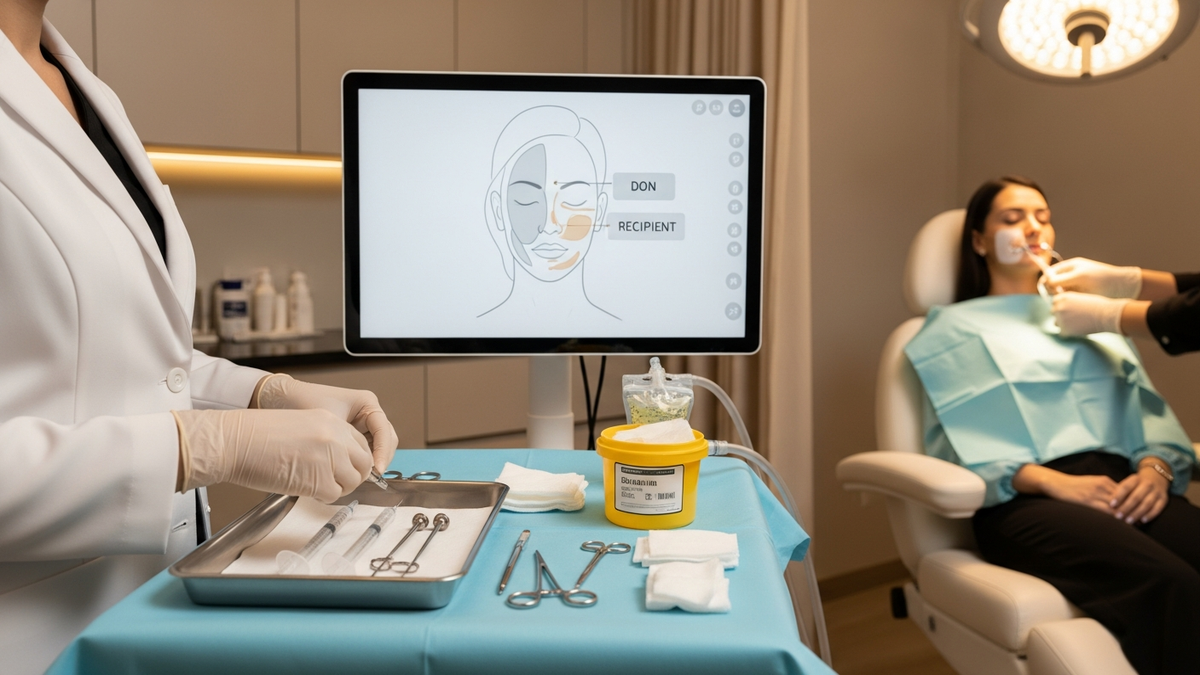
A fat grafting procedure (also called fat transfer or autologous fat grafting) is a technique where fat is harvested from one area of your body, processed, and then injected into another area to add volume and improve shape.
Unlike some fillers that are temporary or synthetic, fat grafting uses living cells from your own body. That said, the final look depends on how much of the transferred fat survives, which varies by technique, patient factors, and the specific target area.
Common Areas Treated with Fat Transfer
- Face volume restoration: cheeks, temples, under-eye hollowness (selected cases), and nasolabial region
- Scar improvement: depressed scars or irregularities (often as part of a broader plan)
- Jawline and contouring: subtle enhancement for balance and definition
- Lip rejuvenation and texture refinement: carefully selected candidates
In many practices focused on head-and-neck aesthetics, fat grafting is considered alongside other rejuvenation approaches such as Facelift for patients with skin laxity and deeper structural changes (see link below).
How the Fat Grafting Procedure Works (Step-by-Step)
Most fat grafting procedures follow a similar overall workflow: harvest, processing, and injection. However, the details—such as how fat is handled and how precisely it’s placed—can significantly influence outcomes.
1) Preoperative assessment and planning
Your surgeon evaluates your goals, your anatomy, and your skin quality. This includes discussing:
- Where you want volume or refinement
- Where you have suitable donor fat for harvesting
- Your medical history (including smoking status, diabetes, clotting risks)
- Any prior procedures and how your tissues healed
For many patients, the best plan is individualized—sometimes combining fat grafting with other procedures for a more cohesive result. For example, patients with significant mid-to-lower face aging may benefit from a Facelift discussion in addition to volume restoration.
2) Fat harvesting (often via liposuction)
Donor fat is typically collected using a minimally invasive approach. A small amount of fat is removed from areas with excess fat—commonly the abdomen, flanks, or thighs—using techniques designed to preserve cell viability.
Some patients are also interested in body contouring options such as submental liposuction for localized fat in the chin/neck region. While this is a separate procedure, it highlights the broader concept: fat removal can be both aesthetic and functional depending on the plan.
3) Processing the fat
After harvesting, fat is processed to remove undesirable components and concentrate viable fat cells. The aim is to improve the likelihood of graft survival. Your surgeon’s processing method—timing, handling, and technique—matters.
4) Injection and placement
The injection phase is where artistry meets biology. Fat is placed in a controlled, layered manner to support survival and create natural contours. Overly aggressive injection or incorrect placement can increase the risk of irregularities or reduced take.
Fat Grafting Procedure Benefits
When performed by an experienced surgical team, a fat grafting procedure can offer multiple benefits:
- Natural-looking results: since the material is your own tissue, the look and feel can be more lifelike than some alternatives.
- Volume restoration: replenishes soft tissue in areas affected by aging, weight changes, or congenital structure.
- Scar and texture improvement: may soften depressed scars or irregularities.
- Biocompatibility: autologous tissue reduces concerns related to foreign materials.
- Versatility: can be used alone or combined with other facial procedures.
Fat Transfer vs. Fillers: What’s the Difference?
Patients often compare fat transfer to dermal fillers because both can improve volume and shape. Here’s a practical way to think about it:
- Fat grafting: uses your own fat cells; results depend on graft survival; may require multiple sessions for optimal refinement.
- Fillers: use manufactured substances; effects are typically temporary (with varying durations); can be adjusted quickly in some cases.
Many people choose fat grafting when they want a more “tissue-based” approach—particularly for areas where subtle, gradual blending matters.
Who Is a Good Candidate for a Fat Grafting Procedure?
Ideal candidates typically have realistic expectations and sufficient donor fat. Good candidacy often depends on both anatomy and health.
Common reasons patients consider fat grafting
- Early to moderate facial volume loss
- Contour asymmetry
- Depressed or uneven scars
- Desire for a natural-feeling enhancement
Factors that can affect results
- Smoking: can reduce circulation and graft survival
- Metabolic health: uncontrolled diabetes may impact healing
- Skin quality: affects how well contours “settle” over time
- Donor availability: insufficient fat may limit volume
Because head-and-neck aesthetics require nuanced planning, it’s important to choose a surgeon who performs these procedures with a facial-focused, anatomically precise approach.
What to Expect During Recovery
Recovery after a fat grafting procedure involves healing at both the donor site and the recipient site. While timelines vary, most patients can expect a staged recovery.
First 48–72 hours
- Swelling and bruising are common
- Some tightness or tenderness at harvest and injection sites
- Most patients can return to light activities within a few days, depending on their job
Week 1–2
- Bruising typically improves
- Swelling may continue to fluctuate
- You’ll likely follow specific instructions for gentle care, avoiding pressure on treated areas
Weeks 3–6
- Some patients notice changes as swelling resolves
- Minor lumps or firmness can occur; these often improve as tissues settle
- Surgeons may schedule follow-ups to monitor contour and healing
3–6 months and beyond
Fat graft results often continue to refine over months. This is when graft survival becomes clearer, and the final contour typically emerges.
Risks and Side Effects of Fat Grafting Procedure
Like any procedure, a fat grafting procedure carries potential risks. Many complications are uncommon when performed by qualified specialists, but being informed helps you make better decisions.
Potential side effects
- Swelling and bruising at both donor and recipient sites
- Temporary numbness or skin sensitivity changes
- Irregularities (lumps, asymmetry, or uneven texture) that may improve with time
Potential complications
- Infection (rare, but possible)
- Fat necrosis (fat tissue that doesn’t fully survive)
- Calcifications in some cases
- Vascular complications are uncommon but serious risks that require expert technique and careful injection planning
Your surgeon should explain risk mitigation strategies and how they handle unexpected outcomes.
How to Prepare for a Fat Grafting Procedure
Preparation is one of the most actionable ways to improve your experience and support healing.
Actionable pre-op recommendations
- Follow medication guidance: ask about stopping blood thinners, certain supplements, and nonessential medications.
- Plan for downtime: arrange time off work and reduce physical exertion during early recovery.
- Optimize health: maintain hydration, eat balanced meals, and manage chronic conditions.
- Avoid smoking: if you smoke, ask for a cessation plan well in advance.
- Prepare your post-op environment: soft pillows, gentle skincare products, and easy-to-wear clothing.
If you’re exploring multiple cosmetic options, it helps to coordinate timing. For example, some patients also consider Blepharoplasty for eyelid rejuvenation or Rhinoplasty for nasal refinement. Discuss sequencing and recovery windows so you’re not healing from multiple procedures at once unless your surgeon specifically recommends it.
Fat Grafting Procedure Aftercare: Best Practices
Aftercare guidance can vary by surgeon and technique, but the core goals are consistent: minimize trauma to grafts, reduce swelling, and support circulation.
Common aftercare principles
- Gentle handling of treated areas: avoid pressure from masks, glasses, or sleeping positions as instructed.
- Attend follow-ups: early evaluation helps address concerns quickly.
- Stay consistent with wound care: use prescribed products and keep areas clean.
- Respect activity limits: avoid intense exercise or heat exposure early on.
Because fat grafting involves living tissue, your surgeon may also recommend a timeline for massage (if any), skincare, and facial movements depending on how your grafts were placed.
How Long Does a Fat Grafting Procedure Take?
Duration depends on the number of areas treated, the complexity of harvesting, and the surgeon’s approach to processing and injection. Some procedures may take a few hours, while more extensive plans can require longer surgical time.
Your consultation should provide a clear estimate, including time for anesthesia and recovery monitoring.
Results: When Will You See the Final Outcome?
It’s normal to wonder how soon you’ll notice changes. In most cases:
- Early appearance: noticeable swelling and bruising can mask the final contour.
- Intermediate phase: as swelling decreases, you’ll see emerging shape, but it may still continue to settle.
- Final results: often become clearer over several months.
Some patients may benefit from a touch-up session if additional refinement is desired after the first graft has stabilized.
Choosing a Surgeon for Your Fat Grafting Procedure
Because fat grafting is both technical and aesthetic, choosing the right surgeon is critical. Here are evaluation criteria that matter:
What to look for
- Demonstrated experience with facial fat grafting and tissue handling
- Clear communication about goals, realistic outcomes, and risks
- Natural aesthetic judgment and before/after examples in similar patients
- Comprehensive care with appropriate follow-up
- Safety-focused protocols for anesthesia, infection prevention, and complication management
At FlowGeniQ Digest, we encourage readers to seek board-certified specialists who can explain the “why” behind technique choices. For example, Dr. Hootan Zandifar focuses on cosmetic and reconstructive head-and-neck surgery, emphasizing natural-looking results and patient education—an approach that aligns with the thoughtful planning required for fat grafting outcomes.
Fat Grafting Procedure vs. Other Head-and-Neck Aesthetic Options
Not every patient needs fat grafting alone. Some may require skin tightening, skeletal balancing, or eyelid/soft tissue rejuvenation. Here’s how fat grafting commonly fits into a broader plan:
Fat grafting and Facelift
Patients with sagging skin and deeper volume loss may benefit from combining volume restoration with a Facelift approach. Fat grafting can complement skin repositioning by addressing hollowness or contour changes.
Fat grafting and Blepharoplasty
For patients who want improved under-eye appearance, eyelid surgery may be considered alongside volume strategies. If you’re exploring Blepharoplasty, ask whether fat grafting is appropriate for your specific under-eye anatomy.
Fat grafting as part of facial harmony
Facial aging is multi-factor. A cohesive plan may address volume, skin quality, and structural proportions together for balanced results.
Frequently Asked Questions About Fat Grafting Procedure
How much volume can a fat grafting procedure add?
Volume added varies by patient anatomy, donor fat availability, and the target area. Your surgeon will plan a realistic amount based on graft survival expectations and your aesthetic goals.
Will the transferred fat always “take”?
Not all transferred fat survives. Some resorption is normal, and final results typically emerge over months. Many surgeons plan for this with technique and, when appropriate, staged refinement.
Is fat grafting safer than dermal fillers?
Fat grafting uses your own tissue, but safety depends on surgical expertise, injection technique, and medical factors. Dermal fillers have different risk profiles. The best choice depends on your goals, anatomy, and tolerance for downtime and recovery.
What are common recovery restrictions after a fat grafting procedure?
Most patients are advised to avoid pressure on treated areas, limit strenuous activity early, and follow specific skincare and wound-care instructions. Your surgeon will provide individualized guidance.
Can fat grafting help with scars?
In selected cases, fat grafting can improve depressed scars and texture irregularities by adding soft tissue volume. The best approach depends on scar type, depth, and your skin’s healing characteristics.
CTA: Ready to Explore Your Options?
If you’re considering a fat grafting procedure, the most important next step is a personalized consultation—so you can review your goals, donor/recipient suitability, and a tailored plan for natural results.
Actionable next steps:
- Write down your top concerns (volume loss, scars, contour asymmetry) and any past procedures.
- Bring photos in consistent lighting to help communicate your aesthetic goals.
- Ask your surgeon about graft survival strategy, expected timeline, and how they handle irregularities.
When you’re ready, schedule a consultation with a qualified facial plastic and reconstructive specialist to discuss whether fat grafting—and any complementary procedures—are right for you.
Professional Disclaimer
This content is provided for general educational purposes only by FlowGeniQ Digest. It is not a substitute for professional advice, diagnosis, or treatment. Readers are advised to consult qualified professionals for personalized recommendations.
Medical Information Disclaimer
This content is provided for general educational purposes only by FlowGeniQ Digest. It is not a substitute for professional advice, diagnosis, or treatment. Readers are advised to consult qualified professionals for personalized recommendations.