From FlowGeniQ Digest
When you search for eyebrow transplant beverly hills, you’re usually looking for more than a procedure—you’re looking for natural-looking restoration that fits your facial proportions. Eyebrows frame the eyes, influence how expressions read, and can dramatically affect confidence. Whether your brow thinning is related to genetics, over-plucking, aging, medical conditions, or prior cosmetic procedures, an experienced facial plastic team can help you rebuild brows with a thoughtful, patient-specific plan.
In this guide, we’ll cover how eyebrow transplantation works, who may be a good candidate, what the consultation typically includes, recovery expectations, and how to evaluate clinics so you feel informed and empowered.
What Is an Eyebrow Transplant?
An eyebrow transplant is a surgical procedure that moves hair follicles to areas where eyebrow hair is sparse or absent. Because eyebrows are a focal point on the face, the goal is not only hair growth—it’s symmetry, density, shape, and direction that look authentic to your features.
Most modern eyebrow restoration uses follicular unit techniques (commonly FUE-style approaches), allowing for precise graft placement. The surgeon’s expertise matters because eyebrow hair has unique characteristics: it’s typically finer, grows in specific patterns, and needs careful angulation to match the way natural brows sit on the skin.
Why People Choose Eyebrow Transplant in Beverly Hills
In Beverly Hills, many patients seek brow restoration for aesthetic reasons—but the “why” is often more personal than most people realize. Common reasons include:
- Genetic or hormonal thinning (including age-related changes)
- Over-plucking or brow damage from past cosmetic practices
- Scarring from injury, burns, or prior procedures
- Medical or autoimmune conditions that affect hair growth
- Uneven brows after trauma or cosmetic intervention
- Patchy or sparse brows that affect facial balance
Because the brows are central to facial expression, patients often describe improvements in how they look in photos, how they feel in professional settings, and how they present themselves day-to-day.
Eyebrow Transplant Beverly Hills: What Makes a Clinic “Right”?
Not all eyebrow transplants are equal. The best outcomes come from a surgeon who understands both surgical technique and facial aesthetics. When evaluating a provider, look for:
- Facial plastic expertise: Brows are part of a broader facial design.
- Natural hair direction: Grafts must be placed to mimic growth patterns.
- Conservative, realistic planning: Good results are built over time, not forced density.
- Patient-specific mapping: Brow shape should be designed around your anatomy and goals.
- Clear communication: You should understand limitations, timelines, and aftercare.
In Beverly Hills, patients commonly compare multiple options. A strong consultation helps you feel confident that the plan is tailored to your brow anatomy—not copied from someone else’s results.
Who Is a Good Candidate for Eyebrow Transplant?
Many people can benefit, but the best candidates typically have:
- Stable hair loss (or a clear understanding of contributing factors)
- Realistic expectations about density and timeline
- Good donor hair quality (the donor region must provide suitable follicles)
- Healthy scalp/skin for grafting and healing
- Willingness to follow pre- and post-procedure instructions
During your evaluation, your surgeon may also discuss whether other treatments—such as brow lift procedures or non-surgical strategies—could be complementary depending on your facial structure.
How the Eyebrow Transplant Procedure Works
While specific protocols vary by surgeon and clinic, eyebrow transplantation generally follows a consistent workflow: assessment → planning → graft harvesting → placement → recovery support.
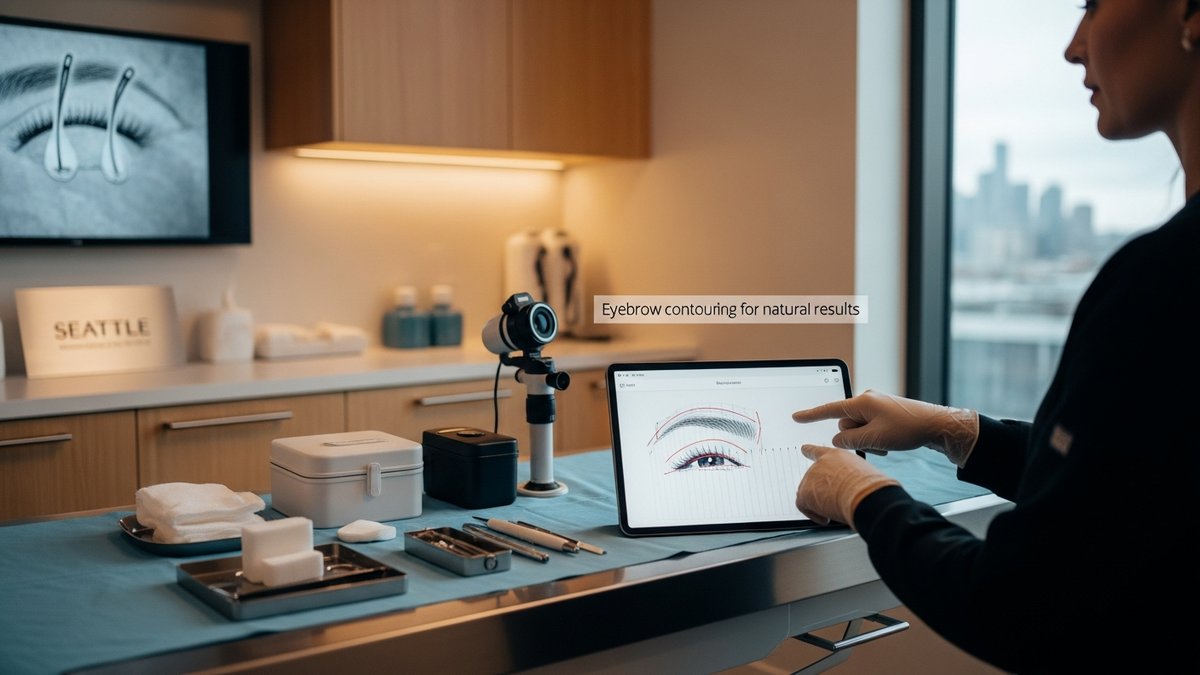
1) Consultation and Brow Mapping
Your consultation is where outcomes are shaped. A skilled facial plastic surgeon will often:
- Assess brow shape, symmetry, and existing hair distribution
- Measure facial proportions (including eye spacing and brow position)
- Discuss your goals: fuller, more symmetrical, higher arch, softer tail, etc.
- Review medical history and any prior brow procedures
- Explain likely density and the number of grafts needed
Important: A natural result depends on placing grafts at the correct angle, depth, and direction. This is why brow mapping is not a formality—it’s a core part of surgical artistry.
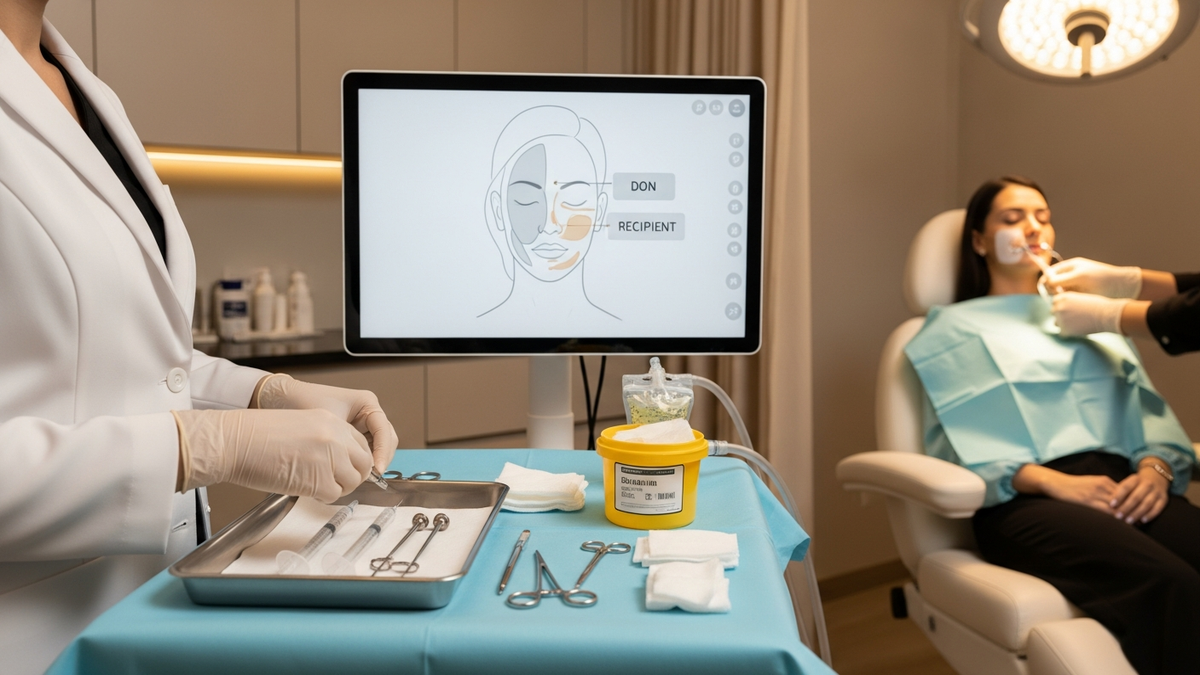
2) Graft Harvesting (Often Follicular Unit Techniques)
Hair follicles are harvested from a donor area that can provide suitable follicles for eyebrow restoration. For many patients, donor follicles are taken from the scalp using follicular unit methods. The exact harvesting approach depends on your anatomy and the surgeon’s technique.
For readers also exploring full hair restoration, you may find helpful context in a hair transplant service overview—especially the differences between harvesting styles and how donor quality influences outcomes.
3) Graft Placement and Natural Patterning
Placement is where eyebrow transplants become truly individualized. Eyebrow hair grows differently than scalp hair, and the surgeon must recreate:
- Natural density (not a “helmet” look)
- Gradual transitions from head to arch to tail
- Correct hair direction so brows don’t look “stuck on”
- Subtle asymmetries that can make brows look more real
4) Post-Procedure Care
Your surgeon will provide aftercare instructions to support healing and protect grafts. Common guidance may include wound care, gentle cleansing routines, and medication directions. You’ll also receive instructions on when to resume normal activities and how to protect the area while it heals.
Eyebrow Transplant Recovery Timeline: What to Expect
Recovery varies by patient and technique, but most eyebrow transplant journeys follow a similar timeline. Here’s a realistic overview:
First 1–3 Days
- Possible redness and mild swelling
- Grafts may feel tender or tight
- Follow gentle cleansing and protection instructions
Days 4–14
- Healing continues; scabbing/crusting may occur depending on your skin
- Some patients notice temporary “shedding” as the transplanted follicles reset
- Most patients can return to non-strenuous activities with guidance
Weeks 3–8
- Early regrowth may begin for some follicles
- Brows may appear patchy while hair cycles normalize
Months 3–6
- More visible growth and improved coverage
- Hair texture may gradually look more natural
Months 6–12 (and beyond)
- Final refinement of density and appearance
- Some patients may choose additional sessions for optimal symmetry
Key takeaway: eyebrow transplantation is a process. The best results come from patience, consistent aftercare, and a plan aligned with how hair grows over time.
Results: When Will You See a Natural Look?
Many patients are surprised by the timeline. The transplanted follicles often go through a shedding phase before regrowth begins. That’s normal and part of hair biology.
In practical terms:
- Early changes may appear in a few months
- Noticeable improvement often occurs around 4–6 months
- Most mature results typically appear closer to 9–12 months
To achieve “Beverly Hills natural,” the surgeon must design brows that match your face—not just fill empty space.
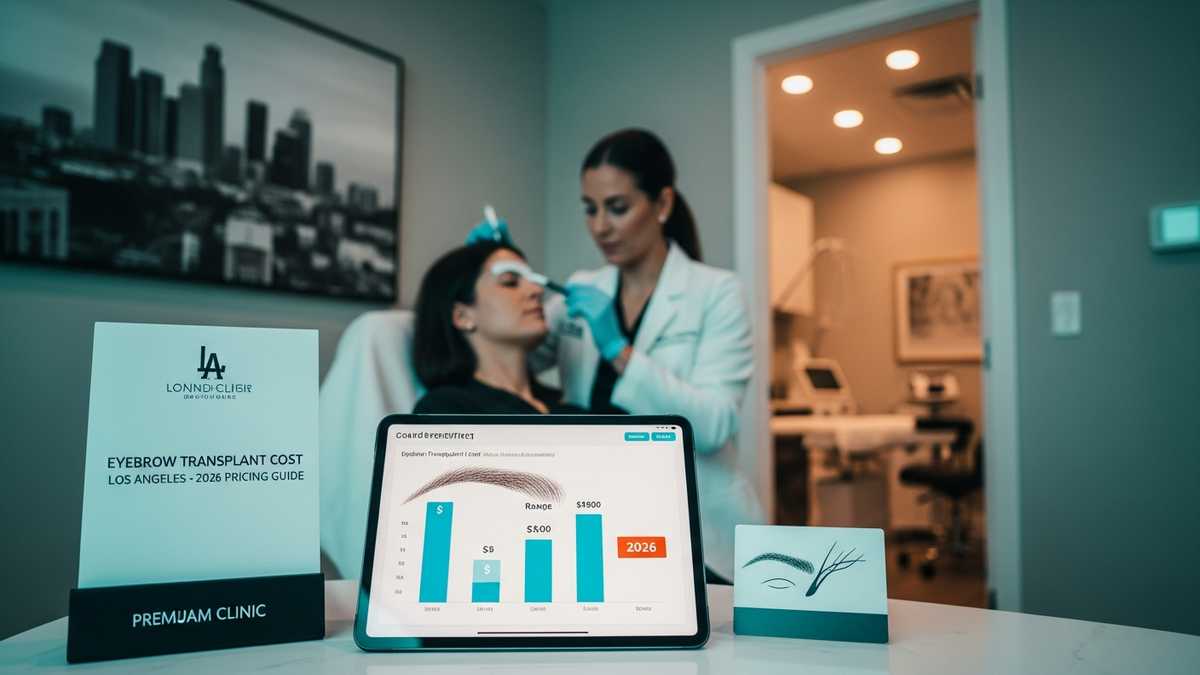
Eyebrow Transplant Cost in Beverly Hills: What Influences Price?
Pricing can vary widely based on graft count, complexity, and the number of areas being treated. Instead of focusing on a single number, ask for a clear breakdown:
- Graft quantity and density goals
- Donor area availability
- Procedure complexity (e.g., scarring vs. non-scarring loss)
- Surgeon’s time and expertise
- Number of sessions (some patients benefit from staged planning)
As you compare consultations, prioritize clarity and quality over low cost. Eyebrow work is detail-heavy, and the margin for error is small.
Potential Risks and Side Effects
Every surgical procedure carries risks. While many patients heal without complications, it’s important to understand potential side effects:
- Temporary redness or swelling
- Scabbing and minor irritation
- Infection (rare when aftercare is followed)
- Scarring at donor sites (varies by technique and individual healing)
- Uneven growth or density differences
- Hair direction issues if graft placement is not optimal
- Need for touch-ups for symmetry
A thorough pre-procedure review should include how risks are minimized and what steps are taken if complications occur.
How to Prepare for Your Eyebrow Transplant
Preparation helps your healing and graft survival. While your surgeon will give personalized instructions, these are common steps:
- Follow medication guidance (especially blood-thinning or anti-inflammatory meds)
- Avoid smoking and nicotine products, if possible
- Plan for downtime around the first 1–2 weeks
- Arrange post-procedure support for the day of surgery
- Prepare gentle cleansing supplies as instructed
Bring a list of questions to your appointment. Good candidates feel comfortable asking about graft planning, expected density, and long-term maintenance.
Eyebrow Transplant vs. Other Brow Options
Depending on the cause of brow thinning and your facial goals, you may have alternatives—or combinations—to consider.
Non-surgical approaches
Some patients use brow makeup, microblading, or topical solutions to improve appearance temporarily. These can be helpful while you consider surgery, but they don’t restore hair follicles.
Brow lift and facial rejuvenation
If brow position is contributing to a tired or aged look, a brow lift can sometimes complement eyebrow restoration by improving how brows sit on the forehead. In some cases, broader facial rejuvenation may align with your aesthetic goals.
For those exploring other facial procedures, you may also consider related options discussed by facial plastic surgeons, such as Blepharoplasty (eyelid surgery) or a Facelift—which can be relevant when brow changes occur alongside age-related eyelid or midface concerns. For example, you can review Blepharoplasty or Facelift information if your goals include overall facial rejuvenation.
Hair restoration context
If your brow thinning is part of broader hair concerns, understanding scalp restoration techniques may help you ask better questions. A hair transplant overview can provide useful background for how donor quality and graft planning influence outcomes.
Why Surgeon Skill Matters: Natural Brows Are Precision Work
Eyebrow hair is fine, and the visual impact of direction and placement is immediate. Even small differences can make brows look harsh, overly filled, or unnatural. That’s why a surgeon’s aesthetic judgment and detailed technique are as important as medical safety.
In a Beverly Hills setting, patients often choose providers with strong head-and-neck surgical foundations and facial plastic focus. For example, Dr. Hootan Zandifar—board certified and fellowship trained—focuses on cosmetic and reconstructive surgery of the head and neck, which supports an integrated approach to facial aesthetics. Patients seeking brow restoration should look for a team that emphasizes education, realistic outcomes, and natural-looking results.
Questions to Ask at Your Eyebrow Transplant Consultation
To get the most from your visit, come prepared with questions. Here are high-value prompts:
- What brow shape will you design for my face? (Ask how they decide arch height and tail length.)
- How many grafts do I likely need? (And what density goals are realistic?)
- Will I need one session or multiple?
- What is your approach to hair direction and angulation?
- What does my recovery timeline look like? (Including work and social plans.)
- How do you handle scarring or patchy loss?
- What results are typical for patients similar to me?
- What aftercare instructions will I receive?
If you’re also researching eyebrow transplant procedures online, use your consultation to validate the details that matter most: graft planning, realistic density, and natural aesthetics.
Related Procedures You Might Hear About (and Why)
Because Dr. Hootan Zandifar focuses on head and neck surgery, you may encounter discussions about other facial or functional procedures during comprehensive consultations. While not required for eyebrow restoration, these may come up if you’re addressing broader facial concerns.
- Rhinoplasty for nose aesthetics and function: Rhinoplasty
- Septoplasty for nasal breathing and alignment: Septoplasty
- Deviated Septum discussions: Deviated Septum
- Blepharoplasty for eyelid rejuvenation: Blepharoplasty
- Facelift for broader skin and tissue tightening: Facelift
- Eyebrow restoration overview: eyebrow transplant
These are included to help you understand how facial plastic specialists often approach the face as a cohesive system—structure, expression, and aesthetics.
Eyebrow Transplant Aftercare Tips That Support Growth
Aftercare can meaningfully influence comfort and healing. While always follow your surgeon’s instructions, general best practices often include:
- Keep the area clean with gentle cleansing as directed
- Avoid rubbing or scratching the transplanted region
- Protect from sun exposure during the early healing period
- Follow medication instructions precisely
- Attend follow-ups so the team can monitor healing and growth
If you have concerns about unusual swelling, persistent pain, or signs of infection, contact your provider promptly.
How Long Do Eyebrows Stay Full?
In general, transplanted hair follicles can provide long-term growth because they are relocated hair follicles. That said, natural aging and underlying conditions may still affect hair over time. Some patients may experience gradual changes and choose maintenance or touch-up sessions.
Your surgeon can discuss what to expect based on your hair characteristics, medical history, and donor quality.
Choosing Between Techniques: What You Should Understand
Eyebrow transplantation is not one-size-fits-all. Your provider should explain the technique they recommend and how it supports eyebrow-specific goals. Ask whether the plan emphasizes:
- Graft survival and safe harvesting
- Precision placement for natural direction
- Donor management to preserve future options
- Realistic density for your skin and hair type
If you see conflicting information online, use your consultation to confirm what’s accurate for your anatomy. A premium provider will welcome questions.
Eyebrow Transplant Beverly Hills: A Patient-Focused Approach
In a city where cosmetic expectations are high, patients deserve more than marketing—they deserve education and a plan that respects their individuality. At FlowGeniQ Digest, we highlight the importance of informed decision-making: understanding timelines, asking the right questions, and choosing a surgeon who can deliver natural, facially harmonious results.
Dr. Hootan Zandifar’s patient-first philosophy—grounded in rigorous training and a head-and-neck focus—reflects what many eyebrow transplant candidates want: trustworthy guidance, realistic expectations, and careful attention to natural aesthetics.
FAQ: Eyebrow Transplant Beverly Hills
1) How much does an eyebrow transplant in Beverly Hills cost?
Pricing depends on graft count, complexity, and whether you need one or multiple sessions. Ask for a transparent estimate during your consultation, including what’s included in the care plan.
2) Will my eyebrows look natural after an eyebrow transplant?
When grafts are placed with correct angulation, density planning, and facial mapping, results are typically designed to look natural. Brows should match your existing features rather than appear overly uniform.
3) When will I see results from eyebrow transplantation?
Most patients notice early changes around a few months, with more visible improvement by 4–6 months. Final maturation often occurs around 9–12 months.
4) Is eyebrow transplant painful?
Most patients experience manageable discomfort, and your surgeon will provide guidance on pain control and post-procedure care. Comfort levels vary based on technique and individual sensitivity.
5) Are there alternatives if I’m not ready for surgery?
Depending on the cause and severity of thinning, options may include makeup, temporary cosmetic solutions, or supportive medical treatments. A consultation can help determine whether surgery, a staged plan, or non-surgical strategies are best for you.
CTA: Ready to Explore Eyebrow Restoration?
If you’re considering an eyebrow transplant beverly hills consultation, the best next step is a personalized evaluation. A skilled facial plastic team can assess your brow pattern, discuss realistic density goals, and outline a recovery timeline so you can plan with confidence.
Take action today: schedule an online consultation to discuss your goals and learn whether eyebrow transplantation—or a complementary facial rejuvenation approach—may be right for you.
Professional Disclaimer
This content is provided for general educational purposes only by FlowGeniQ Digest. It is not a substitute for professional advice, diagnosis, or treatment. Readers are advised to consult qualified professionals for personalized recommendations.
Medical Information Disclaimer
This content is provided for general educational purposes only by FlowGeniQ Digest. It is not a substitute for professional advice, diagnosis, or treatment. Readers are advised to consult qualified professionals for personalized recommendations.