Why “Top Rated Blepharoplasty Surgeons” Matter for Your Eyelid Results
When people search for top rated blepharoplasty surgeons, they’re usually looking for more than a good reputation—they want natural-looking eyelids, safer surgery, and outcomes that match their facial anatomy. Eyelid surgery (blepharoplasty) is one of the most visually impactful procedures because the eyes communicate emotion, energy, and expression. Even small differences in incision placement, tissue handling, or eyelid support can affect how youthful and balanced your face looks.
In this FlowGeniQ Digest guide, we’ll show you how to evaluate eyelid surgeons in a practical, evidence-informed way—especially if you’re considering upper eyelid, lower eyelid, or both. We’ll also cover what to expect during consultation, how surgeons plan for natural symmetry, and which questions to ask before you commit.
What Blepharoplasty Can (and Can’t) Do
Blepharoplasty typically targets visible signs of aging such as excess upper eyelid skin, under-eye puffiness, and sometimes tear trough concerns. However, “under-eye” issues can come from multiple causes—fat pads, skin laxity, muscle changes, or volume loss—so the right plan depends on your anatomy.
Common reasons patients consider blepharoplasty
- Upper eyelid: excess skin that can create a tired appearance and may affect the visual field for some patients.
- Lower eyelid: puffiness, bags, or uneven fullness that can make under-eyes look heavy.
- Combined concerns: aging changes in both the upper and lower eyelids for a more refreshed overall look.
What “natural-looking” means in eyelid surgery
Natural results are not about copying someone else’s eyes. They’re about preserving eyelid function, maintaining appropriate eyelid height and contour, and respecting the relationship between the eyelid, lashes, and the surrounding midface. A top surgeon will plan for your specific eye shape, skin quality, and facial proportions.
How to Evaluate Top Rated Blepharoplasty Surgeons (A Step-by-Step Checklist)
Not all blepharoplasty surgeons are equally experienced. Use the following framework to compare candidates objectively.
1) Confirm board certification and relevant training
For eyelid surgery, you want a surgeon with strong facial plastic or ophthalmic credentials and a deep understanding of facial anatomy. Board certification is a baseline; fellowship training and dedicated focus matter.
For example, Dr. Hootan Zandifar is a double board-certified facial plastic and reconstructive surgeon with extensive training in head and neck surgery and specialized fellowship experience. His focus on head and neck procedures supports a nuanced approach to the eyelids and surrounding structures.
2) Look for experience specifically in eyelid surgery
Ask how many blepharoplasty cases the surgeon performs and what types of cases they handle most often (upper, lower, revision, or both). Expertise should include managing common complexities like eyelid laxity, asymmetry, and tear trough anatomy.
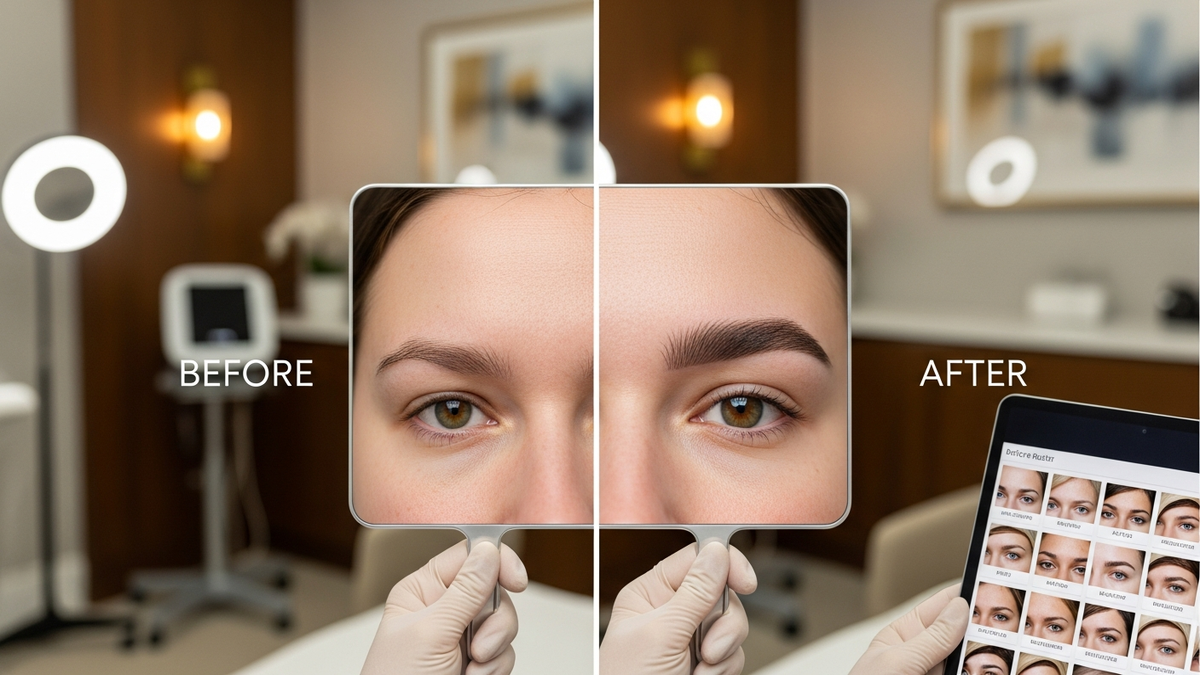
3) Review before-and-after photos thoughtfully
When reviewing results, pay attention to:
- Consistency: do results look natural across different patients?
- Eye shape: does the surgeon preserve your natural eyelid contour?
- Healing timeline: are results shown at an appropriate postoperative stage?
- Lower eyelid balance: are there signs of overcorrection or undercorrection?
Also, ask whether the surgeon uses standardized photography and whether they explain what was done (skin-only vs. fat repositioning vs. muscle adjustment).
4) Assess their approach to patient education and informed consent
Top surgeons educate patients clearly—covering risks, tradeoffs, and realistic outcomes. During your consultation, you should feel that the surgeon is teaching you, not just selling you.
Dr. Zandifar is known for an honest, trustworthy, and compassionate approach, emphasizing patient education so you can make well-informed decisions.
5) Ask about surgical technique and customization
Blepharoplasty techniques vary. Your plan should be tailored based on whether your primary issue is skin excess, fat prominence, muscle changes, or eyelid support concerns. If your surgeon is offering the same approach for everyone, that’s a red flag.
For many patients, this is where a surgeon’s ability to design a personalized plan shows up—especially for lower eyelid cases, where preserving support and contour is crucial.
6) Evaluate safety protocols
Ask about anesthesia options, facility standards, and how they manage common postoperative concerns (swelling, bruising, dryness, asymmetry). Safety doesn’t happen by accident—it’s built into planning and follow-up.
Upper Eyelid vs. Lower Eyelid Blepharoplasty: Key Differences
Upper and lower blepharoplasty are related, but they address different structures and aging patterns. A top surgeon will explain why your plan emphasizes one area more than the other.
Upper eyelid blepharoplasty
Upper eyelid surgery often removes excess skin and may address fat protrusions. The goal is to open the eye area while maintaining a natural eyelid crease and avoiding heavy, overly “tight” eyelids.
In some patients, upper eyelid skin can contribute to functional issues (such as impaired field of vision). A surgeon should discuss whether your situation is purely cosmetic, functional, or both.
Lower eyelid blepharoplasty
Lower eyelid surgery requires careful attention to tear trough anatomy and eyelid support. Under-eye puffiness can be caused by fat pads, fluid retention, or skin laxity. The method used depends on whether fat is the main issue, whether there is skin excess, and how your lower eyelid sits relative to the cheek.
Because the lower eyelid region is sensitive, a highly experienced surgeon focuses on contour and harmony rather than simply “removing bags.”
What to Expect During a Blepharoplasty Consultation
Your consultation is where you can separate general interest from true expertise. A high-quality visit typically includes facial assessment, eye measurements, and a clear surgical plan.
Step-by-step: How consultations are often structured
- Medical history review: medications, bleeding risks, dry eye history, prior surgeries, and allergies.
- Visual and physical exam: eyelid position, skin quality, fat distribution, and symmetry.
- Functional considerations: whether upper eyelid skin affects vision; whether lower eyelid support is stable.
- Discussion of goals: what you want to change and what you want to preserve (e.g., your natural expression).
- Plan and options: upper only, lower only, combined approach, and whether adjunct procedures are recommended.
- Risks and recovery: realistic timelines for bruising/swelling and how complications are handled.
Questions you should ask your surgeon
- How do you determine whether my issue is skin, fat, muscle, or support?
- What technique do you recommend for my upper and/or lower eyelids?
- How do you plan to maintain natural symmetry?
- What are the most likely risks in my case, and how do you reduce them?
- What is your approach to postoperative care and follow-up?
Choosing a Surgeon in Beverly Hills and Los Angeles: What’s Unique About the Search
If you’re searching for top rated blepharoplasty surgeons in Beverly Hills or Los Angeles, you’re likely balancing convenience, privacy, and access to experienced specialists. The region has many providers, but the key is matching your anatomy with a surgeon who has the right focus and outcomes.
Dr. Hootan Zandifar is based in Beverly Hills, CA, and serves patients who want head-and-neck-focused expertise with natural aesthetics. Because he focuses solely on cosmetic and reconstructive surgery of the head and neck, he can apply specialized knowledge to eyelid rejuvenation and related facial concerns.
Adjunct Procedures: When Blepharoplasty Isn’t Enough
Sometimes, the most natural “eyelid” results require looking beyond the eyelids. A top surgeon will evaluate the entire face—especially the brow, midface, and neck—because changes in one area can impact how the eyes look.
Brow lift and forehead rejuvenation
If the brow is positioned low or forehead lines contribute to an aged appearance, a brow lift may complement blepharoplasty. Raising the brow can improve the upper eyelid area and reduce the appearance of heavy lids.
Facial balance and skin aging
In some cases, patients may also consider procedures that address broader facial aging. If you’re exploring options, you may find it helpful to review Facelift information to understand how midface and lower face changes can interact with eye aesthetics.
Related surgical services that may matter for facial harmony
For patients with other head-and-neck concerns, a surgeon who understands the entire facial region can offer more coordinated planning. For instance, if nasal breathing issues affect your quality of life, that’s a separate—but important—consideration. Learn more about Septoplasty and related topics when appropriate.
Risks, Side Effects, and How Top Surgeons Reduce Them
Every surgery has risks. The goal isn’t to fear complications—it’s to understand them and choose a surgeon who actively minimizes risk through planning, technique, and follow-up.
Common temporary side effects
- Swelling and bruising (usually peaks early and improves over time)
- Tightness or discomfort during initial healing
- Dry eye symptoms in some patients
- Temporary asymmetry as tissues settle
Potential complications to discuss
Serious complications are uncommon when performed by experienced surgeons, but you should still understand possibilities such as:
- Infection
- Bleeding or hematoma
- Scarring or wound healing issues
- Changes in eyelid position (overcorrection/undercorrection)
- Persistent dryness or ocular irritation
A top-rated surgeon should explain how they screen for risk factors (like dry eye, eyelid laxity, and previous surgeries) and what postoperative care looks like.
Recovery Timeline: When You’ll See Results
Recovery varies by person and by whether you had upper, lower, or combined blepharoplasty. Your surgeon should provide a personalized recovery plan.
General phases
- First days: swelling and bruising; instructions for cold compresses, ointments, and head elevation.
- Week 1–2: many patients notice improving swelling, though eyelids may still look uneven.
- Weeks 3–6: more refined contour as healing continues.
- Months: final results typically become clearer as scar maturation and tissue settling progress.
Plan for downtime accordingly. If you have a busy schedule, ask your surgeon about strategies to make recovery more comfortable.
How to Prepare for Blepharoplasty (Actionable Tips)
Strong outcomes often start before surgery. Here are evidence-aligned preparation steps you can take with your surgeon’s guidance.
Preoperative checklist
- Medication review: disclose all prescriptions, supplements, and over-the-counter medications.
- Smoking and nicotine: stop if advised—nicotine can impair healing.
- Dry eye management: if you have dryness, ask about pre-surgery evaluation and treatment.
- Arrange support: plan for transportation and help for the first 24–48 hours.
- Prepare your recovery space: clean compresses, prescribed ointments, and supportive sleep setup.
During recovery
- Follow wound care instructions exactly.
- Use head elevation as recommended to reduce swelling.
- Avoid strenuous activities until cleared.
- Attend follow-up appointments—monitoring is part of safety.
Natural-Looking Results: What Actually Drives Them
“Natural” is not a style—it’s an outcome of planning and technique. The most effective eyelid surgery considers:
- Eyebrow and eyelid relationship: brow position influences how upper eyelids appear.
- Lower eyelid support: stable support helps avoid unwanted eyelid positioning changes.
- Tissue handling: careful manipulation reduces trauma and supports smoother healing.
- Symmetry planning: subtle differences in facial anatomy require thoughtful adjustments.
- Expression preservation: your eyes should still move naturally after healing.
Where Other Services Fit In (When You’re Considering Overall Facial Rejuvenation)
Many patients who explore eyelid rejuvenation also consider other head-and-neck enhancements. While these are separate procedures, they share the same priority: facial harmony.
Nasal function and facial aesthetics
If you’re also dealing with chronic nasal congestion, it may be worth discussing functional options. Depending on your anatomy, procedures such as Septoplasty for a Deviated Septum or Rhinoplasty for structural concerns could be relevant. Functional improvements can also support comfort during recovery from other facial procedures.
Eyebrow restoration
For patients with eyebrow thinning or loss, a skilled approach to the brow region can affect how the eyes frame your face. If eyebrow restoration is part of your plan, consider reviewing eyebrow transplant information.
Hair restoration
Some patients who pursue facial rejuvenation also address hair loss elsewhere. If you’re comparing options, you may want to explore a hair transplant service that uses advanced techniques like FUE.
Blepharoplasty at a Head-and-Neck Focused Practice
Eyelid surgery benefits from a surgeon who understands the head and neck as an integrated system. Dr. Hootan Zandifar focuses solely on cosmetic and reconstructive surgery of the head and neck, which supports detailed attention to facial aesthetics and function.
His practice includes Blepharoplasty for upper and lower eyelids, along with other rejuvenation options such as brow lift, neck lift, and more—helping patients pursue cohesive, natural-looking results when multiple areas contribute to aging.
If you want to feel informed rather than rushed, choose a surgeon who values education and thoughtful planning. That’s often what separates truly top-rated outcomes from “average” results.
Related FAQ: Top Rated Blepharoplasty Surgeons
How do I know if I’m choosing a top rated blepharoplasty surgeon?
Look for relevant board certification and specialized training, a strong track record in eyelid surgery, transparent discussion of risks and technique, and before-and-after results that look natural and consistent. During consultation, prioritize surgeons who educate you and tailor the plan to your anatomy.
Is upper eyelid blepharoplasty only for cosmetic reasons?
Many patients pursue upper eyelid surgery for appearance. However, in some cases, excess eyelid skin can contribute to functional visual impairment. A qualified surgeon can evaluate whether your situation is cosmetic, functional, or both.
What’s the biggest risk in lower eyelid blepharoplasty?
Lower eyelid surgery requires careful attention to eyelid support and contour. Potential risks include changes in eyelid position, persistent dryness, or uneven healing. Choosing an experienced surgeon and following postoperative care instructions are key to reducing risk.
How long until I see final blepharoplasty results?
Swelling and bruising improve over the first few weeks, but final refinement often takes months. Your surgeon will give a timeline based on your specific procedure and healing pattern.
Can blepharoplasty be combined with other facial procedures?
Yes, depending on your goals and anatomy. Some patients benefit from adjunct procedures such as brow lift or other rejuvenation options to achieve balanced, natural results. Your surgeon should explain what combination is appropriate for you.
CTA: Ready to Find the Right Blepharoplasty Surgeon?
If you’re exploring top rated blepharoplasty surgeons, start by scheduling a consultation with a specialist who focuses on head-and-neck facial surgery and prioritizes education, natural aesthetics, and safety. You deserve a plan built around your anatomy—not a one-size-fits-all approach.
Take the next step: review Blepharoplasty details and schedule your consultation to discuss upper and/or lower eyelid rejuvenation, recovery expectations, and what results are realistic for you.
Professional Disclaimer
This content is provided for general educational purposes only by FlowGeniQ Digest. It is not a substitute for professional advice, diagnosis, or treatment. Readers are advised to consult qualified professionals for personalized recommendations.
Medical Information Disclaimer
This content is provided for general educational purposes only by FlowGeniQ Digest. It is not a substitute for professional advice, diagnosis, or treatment. Readers are advised to consult qualified professionals for personalized recommendations.