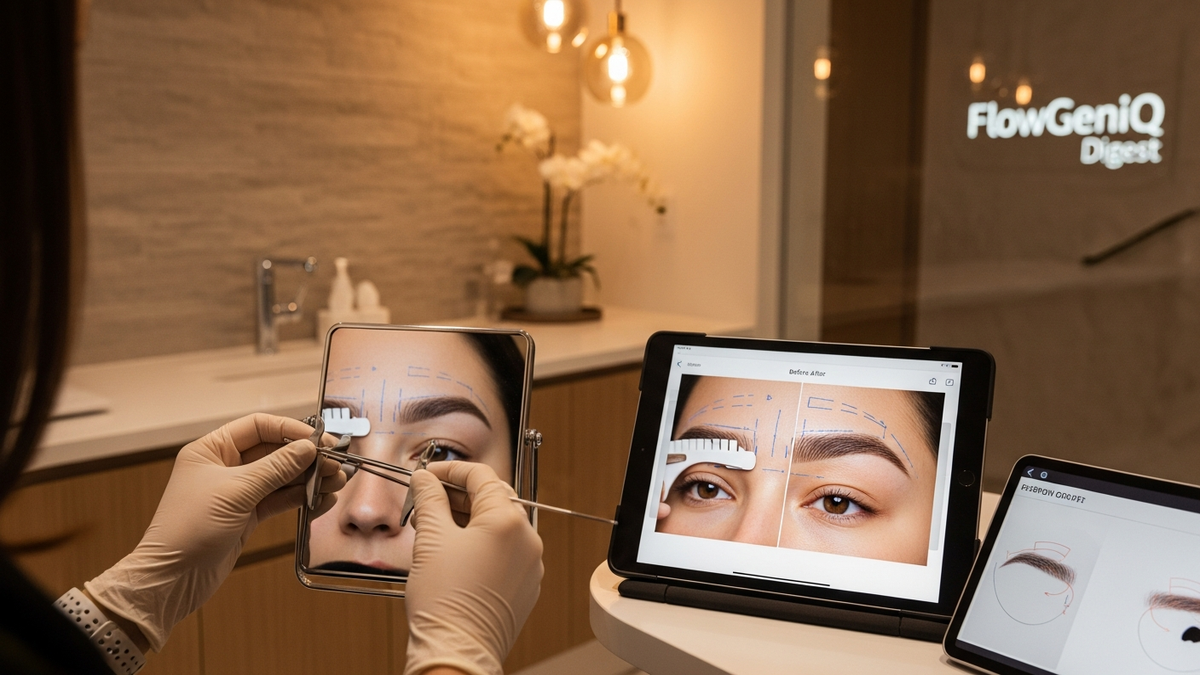
Source: FlowGeniQ Digest
When people search for rhinoplasty prices turkey, they’re usually balancing three priorities: achieving a nose shape that fits their face, improving—if needed—nasal function, and managing overall cost. Turkey has become a widely discussed destination for facial cosmetic surgery, largely because many clinics offer procedure packages and streamlined travel coordination. But “best price” isn’t the same as “best outcome.” This guide breaks down what typically affects rhinoplasty pricing in Turkey, what’s commonly included (and what may not be), and how to choose a surgeon and plan more safely.
Because rhinoplasty can be performed for both cosmetic goals (shape refinement) and functional goals (improving breathing), the right cost comparison should include both aesthetics and anatomy. In many cases, functional nasal surgery may be a better—less invasive—fit than a full cosmetic rhinoplasty. If chronic congestion, sinus symptoms, or airway obstruction are part of your story, it’s worth discussing functional evaluation alongside appearance goals.
Rhinoplasty prices Turkey: the real-world range (and why it varies)
There isn’t a single universal number for rhinoplasty prices turkey because costs depend on case complexity, surgeon experience, anesthesia type, and the level of aftercare included. In general, pricing can vary widely based on whether the plan is primarily cosmetic, primarily functional, or a combined approach.
Common factors that change the total cost
- Surgeon expertise and credentials: Highly experienced facial plastic and reconstructive surgeons (and those with advanced training) typically cost more, but may reduce risk and reoperation likelihood.
- Primary vs. revision rhinoplasty: Revision cases are often more complex due to scar tissue, altered anatomy, and prior surgical changes.
- Functional vs. cosmetic focus: Functional components (septal work, turbinate reduction, nasal valve support) can add time and complexity.
- Need for grafts: Cartilage grafts (often from septum, ear, or rib depending on the case) can influence cost.
- Hospital vs. clinic setting: Operating room fees, monitoring, and facility standards can change the price.
- Anesthesia approach: Local with sedation vs. general anesthesia can affect overall pricing.
- Package inclusions: Some packages include imaging, surgeon visits, medications, transfers, and post-op care; others list a base price and add fees later.
What you should compare across clinics
If you’re comparing multiple offers, compare the entire care pathway, not just the procedure line item. Ask for a written estimate that includes:
- Pre-op consultation and exam
- Pre-op imaging (if needed)
- Surgical approach and whether functional correction is planned
- Surgeon fee and anesthesia fee
- Facility/hospital costs
- Medications (pain control, antibiotics if prescribed)
- Post-op visits and splint removal timing
- Emergency contact and revision policy
- What happens if you need additional procedures
What’s typically included in rhinoplasty packages in Turkey
Many patients discover rhinoplasty prices turkey through package pricing. Packages can be convenient, but they can also hide add-ons. Here’s what you’ll often see included—and what you may need to budget for separately.
Common inclusions
- Consultation(s): Sometimes in-person, sometimes via remote review first.
- Surgery and anesthesia: Usually the main quoted cost.
- Hospital stay: Duration varies by clinic and case.
- Standard post-op visits: Often includes early follow-ups and splint removal.
- Basic medications: Pain management and routine prescriptions.
- Transfers and accommodation: Some packages include airport pickup and a hotel stay.
Potential add-ons to ask about upfront
- Revision or graft complexity: If grafting or structural support is needed, confirm whether it’s included.
- Imaging and labs: Blood work, CT scans, or additional imaging may be extra.
- Extra post-op visits: Some clinics include only the minimum number of checks.
- Compression garments, dressings, or supplies: Confirm what’s provided.
- Operating room upgrades: If you’re offered different anesthesia levels or facilities, ask for a cost comparison.
- Long-distance logistics: If your recovery requires extended monitoring, confirm return-travel flexibility.
Functional nasal surgery vs. rhinoplasty: when a “cheaper option” may be the better one
It’s easy to assume rhinoplasty is always the answer for both appearance and breathing. But in many patients, airway obstruction is driven by anatomical issues that can sometimes be treated with less invasive procedures. If you have chronic nasal congestion, sinusitis symptoms, or difficulty breathing due to structural defects, you may benefit from functional nasal evaluation first.
At FlowGeniQ Digest, we emphasize patient education and informed decision-making. For example, functional nasal surgery can include procedures such as Septoplasty to address a crooked septum or inferior turbinate reduction to improve airflow in patients with chronic “stuffy nose.” These options may permanently alleviate symptoms in the right circumstances.
Septoplasty and the deviated septum connection
A deviated septum can obstruct airflow and affect nasal breathing quality. If your main complaint is airway limitation, discussing Septoplasty (and the underlying Deviated Septum) can help determine whether functional surgery alone—or a combined plan—is appropriate.
When nasal valve collapse may be the real culprit
Some patients feel like they can’t breathe through their nose even after cosmetic changes. In these scenarios, nasal valve collapse may contribute to symptoms. Options may include both non-surgical and surgical approaches depending on severity.
Why this matters for your rhinoplasty pricing decision
If your goals are primarily functional, pursuing a full cosmetic rhinoplasty might not be necessary. In other cases, combining functional correction with cosmetic refinement can be the most efficient path—both medically and financially—because it avoids staging multiple surgeries later.
How to choose safely when comparing rhinoplasty prices Turkey
Lower pricing can be tempting, but safety and outcomes depend on surgeon training, case selection, facility standards, and post-op care. Here are practical steps to help you evaluate offers beyond the headline number.
1) Verify the surgeon’s specialty and board credentials
Rhinoplasty is not just “cosmetic reshaping”—it’s a facial plastic and reconstructive procedure that requires precision in cartilage, airway mechanics, and aesthetic proportion. Look for evidence of:
- Board certification or equivalent specialty recognition
- Focused training in facial plastic/reconstructive surgery
- Documented experience with both primary and revision rhinoplasty
- Transparent before/after documentation
2) Ask for a written treatment plan (not just a quote)
Request a plan that explains:
- What changes are targeted (bridge, tip, rotation, dorsal hump, symmetry)
- Whether functional correction is included
- What grafts or structural supports (if any) are expected
- What the recovery schedule looks like for your specific case
3) Confirm anesthesia and facility safety standards
Ask where surgery is performed (accredited facility vs. non-accredited setting) and what monitoring is used. If you’re offered different anesthesia options, ask who administers it and what experience they have with facial surgery.
4) Evaluate post-op follow-up access
After rhinoplasty, follow-up matters—splint removal, assessment of swelling, and early detection of complications. If you travel back home far away from the clinic, ask:
- How many post-op visits are included?
- What’s the schedule for the first 7–14 days?
- Is remote follow-up available?
- Who do you contact if you have concerns?
5) Understand revision policies before paying a deposit
Revision rhinoplasty can be more complex and costly. Ask the clinic to explain their revision approach, time window, and what qualifies for coverage. A clear policy is a sign of professionalism.
Recovery timeline: what to plan for after rhinoplasty
Recovery after rhinoplasty typically follows a phased pattern. While timelines vary by individual healing and whether functional work was performed, these milestones help you plan travel and work commitments.
Typical stages
- First 24–72 hours: Swelling and congestion are common; follow medication instructions closely.
- Days 5–10: Splints/sutures may be removed depending on technique.
- Weeks 2–4: Bruising often improves; swelling continues to settle.
- Months 3–6: More refined definition appears; tip and cartilage changes continue.
- Months 9–12+: Final result stabilization can take longer, especially for tip refinement.
Travel planning tip
If you’re choosing Turkey for surgery, plan for enough local follow-up time to cover early post-op checks. Even if you feel “fine,” early assessment can be important for comfort and safety.
Costs beyond surgery: budgeting for total rhinoplasty expenses
To accurately estimate rhinoplasty prices turkey, you’ll want to budget for more than the procedure itself. Consider:
- Travel: Flights, ground transport, and potential additional trips for follow-up.
- Accommodation: Hotel costs during early recovery.
- Time off work: Many patients need at least 1–2 weeks for initial recovery, sometimes longer depending on job demands.
- Post-op medical care at home: If you return early, you may need a local clinician to assist with follow-up.
- Medications and supplies: Confirm what’s included in the package.
In many cases, the “cheapest quote” can become more expensive once you factor in add-ons and extra travel. A thorough written estimate helps you compare apples-to-apples.
What results should look like: natural aesthetics and facial harmony
One reason patients travel for rhinoplasty is the desire for natural-looking results. But “natural” doesn’t mean “unchanged.” It means the nose is refined in a way that respects facial proportions, skin characteristics, and structural support.
When a surgeon plans rhinoplasty with both aesthetics and—when relevant—airway function in mind, the outcome is more likely to feel balanced and purposeful. This is especially important for tip definition, symmetry, and how the nose supports breathing.
How to communicate your goals effectively
Bring clear references and explain what you want to keep. Helpful questions include:
- Which view matters most to me (front, profile, 3/4)?
- Do I want a subtle refinement or a more noticeable change?
- Do I have breathing complaints that should be addressed?
- What is realistic for my bone/cartilage anatomy?
Where functional evaluation fits into your decision
Sometimes, improving breathing can be as life-changing as changing appearance. If you have chronic congestion, sinusitis symptoms, or structural issues, consider functional evaluation as part of your pre-op planning.
In head and neck facial plastic care, functional nasal surgery is treated with a structured approach—often using minimally invasive options when appropriate. For example, procedures such as septal correction, turbinate reduction, and nasal valve support can help restore airflow and improve quality of life in eligible patients.
Related surgical considerations (optional, depending on your goals)
If you’re exploring broader facial aesthetic or reconstructive goals, it can help to understand how other facial procedures are planned with similar emphasis on natural outcomes and function. For instance:
- If you’re considering additional facial rejuvenation, you may want to review options like Facelift for overall facial aging concerns.
- If eyelid aging affects your look, Blepharoplasty may be relevant in select cases.
- If eyebrow density or shape is a concern, an eyebrow transplant can restore a more youthful frame.
And while it’s not directly related to rhinoplasty, some patients considering facial transformation also explore hair restoration—an example is a hair transplant when pattern hair loss is part of their overall aesthetic goals.
How to spot red flags in rhinoplasty quotes
Whether you choose Turkey or another location, watch for warning signs that can compromise safety or outcomes.
Red flags to avoid
- No detailed plan: Only a price is discussed, with no explanation of technique or functional considerations.
- Vague revision policy: No clear coverage window or criteria.
- Pressure to book quickly: High-pressure sales tactics can prevent proper informed consent.
- Limited before/after evidence: Few consistent results or no discussion of variability.
- Unclear post-op access: Minimal follow-up or difficulty contacting the team after you leave.
- Missing credential transparency: Lack of clear specialist training and certification details.
Rhinoplasty prices Turkey vs. other locations: how to think about value
Instead of asking only what rhinoplasty prices turkey are, ask what “value” means for you. Value can include:
- Outcome quality: Natural aesthetics and, when needed, improved breathing.
- Risk management: Proper patient selection, safety protocols, and realistic expectations.
- Aftercare: Follow-up access and responsiveness.
- Long-term satisfaction: Reduced likelihood of dissatisfaction that can lead to revision.
For some patients, traveling abroad may be financially efficient. For others, local care may offer more convenient follow-up and continuity. There’s no single “right” choice—only the right choice for your priorities and anatomy.
FAQ: rhinoplasty prices Turkey
1) What’s included in rhinoplasty prices turkey packages?
Packages often include the surgeon fee, anesthesia, facility costs, and a set number of post-op visits. However, imaging, labs, graft-related costs, additional follow-ups, medications, and travel/hotel can vary. Always request a detailed written estimate.
2) Are revision rhinoplasty costs higher in Turkey?
Revision cases are commonly more expensive because they involve altered anatomy, scar tissue, and more complex structural planning. Ask how the quote changes for revision and whether grafting or structural support is included.
3) Can rhinoplasty help with breathing problems?
Yes—when designed for functional goals, rhinoplasty can address structural contributors to obstruction. If your main issue is a deviated septum, turbinate hypertrophy, or nasal valve collapse, functional procedures like Septoplasty may be relevant depending on your anatomy.
4) How long does recovery take after rhinoplasty?
Swelling and bruising typically improve over weeks, while final refinement may take months. Many patients plan for at least 1–2 weeks for initial recovery, with full stabilization often taking 9–12 months or longer.
5) What questions should I ask before booking?
Ask about the surgeon’s credentials, the exact surgical plan, whether functional correction is included, graft expectations, anesthesia details, post-op visit schedule, revision policy, and how you’ll receive follow-up after travel.
CTA: Get a personalized plan before you book
If you’re comparing rhinoplasty prices turkey and want clarity on what’s medically appropriate for your goals—especially if breathing concerns are part of the picture—start by seeking an evaluation that addresses both aesthetics and function.
For patients in the Los Angeles/Beverly Hills area, Dr. Hootan Zandifar is a board-certified facial plastic and reconstructive surgeon known for a patient education-first approach and natural-looking results. He also specializes in functional nasal surgery options for chronic nasal congestion and sinus-related symptoms, using minimally invasive strategies when appropriate. If you’d like to learn more about rhinoplasty planning, you can review Rhinoplasty and discuss whether a combined functional approach is right for you.
Next step: Gather your medical history (including allergies, sinus symptoms, prior surgeries), take standardized photos, and prepare a list of questions about cost inclusions, functional correction, and post-op follow-up. A clear plan helps you compare options responsibly.
Professional Disclaimer
This content is provided for general educational purposes only by FlowGeniQ Digest. It is not a substitute for professional advice, diagnosis, or treatment. Readers are advised to consult qualified professionals for personalized recommendations.
Medical Information Disclaimer
This content is provided for general educational purposes only by FlowGeniQ Digest. It is not a substitute for professional advice, diagnosis, or treatment. Readers are advised to consult qualified professionals for personalized recommendations.