Rhinoplasty in Turkey price searches are rising for a reason: many patients are attracted by globally competitive pricing, modern facilities, and the opportunity to combine surgery with travel. But “low cost” isn’t the same as “good value.” The real question is how to compare total cost, surgeon quality, and surgical outcomes—so you can feel confident before you book.
In this FlowGeniQ Digest guide, we’ll walk through what typically influences rhinoplasty pricing in Turkey, what’s often included (and what isn’t), and how to evaluate clinics using practical, patient-focused criteria. You’ll also find a smart planning checklist and a related FAQ to help you ask the right questions.
Rhinoplasty in Turkey Price: The Real-World Cost Range
When people search rhinoplasty in turkey price, they’re usually looking for a single number. In reality, costs vary widely based on factors like the complexity of your case, the surgeon’s experience, anesthesia type, hospital standards, and what the package includes (or excludes).
Important: pricing can also change seasonally and with exchange rates, and two “similar” nose jobs can cost different amounts if the surgical plan is different.
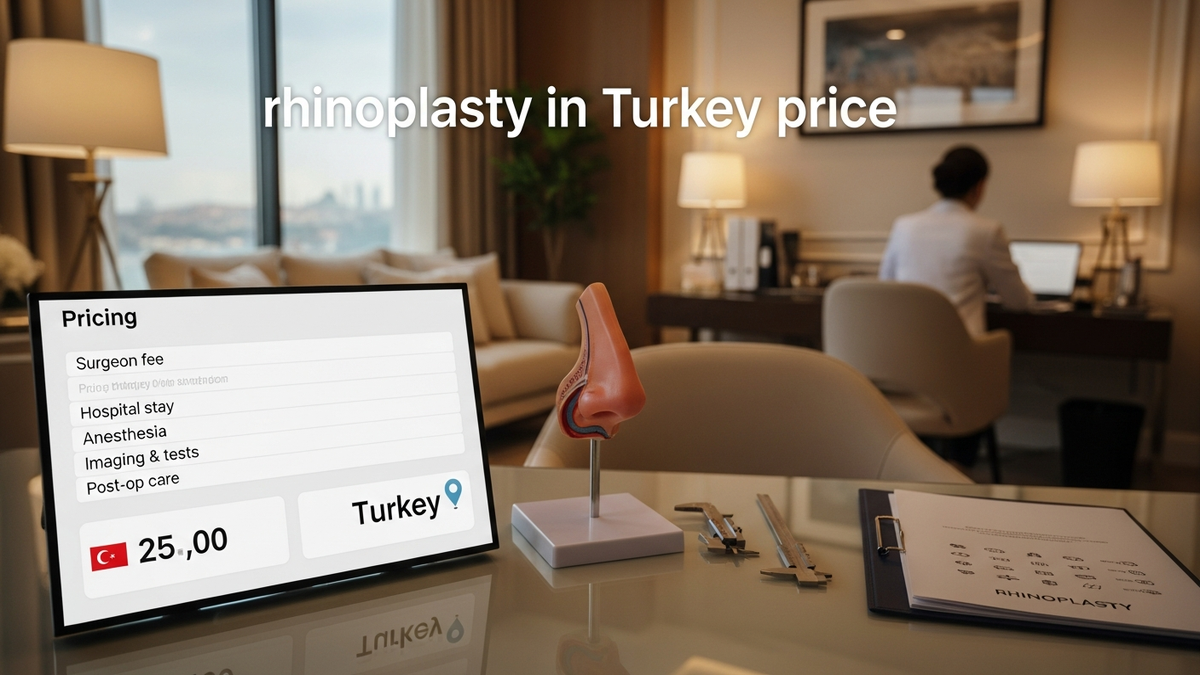
Typical pricing categories you may see
- Surgeon fee: Often the largest variable; highly dependent on board certification, facial plastic training, and rhinoplasty volume.
- Facility and anesthesia: Hospital vs. accredited surgical center, plus anesthesia approach.
- Consultation and follow-ups: Some packages include multiple post-op visits; others charge separately.
- Imaging and pre-op testing: Bloodwork, ECG, and other screening requirements.
- Medications and supplies: Antibiotics, pain control, splints, dressings, etc.
- Travel and recovery support: Airport transfers, hotel stay duration, and language support.
Why the “cheapest quote” may not be the best value
Rhinoplasty is a precision procedure involving bone, cartilage, skin envelope, and—when relevant—airway considerations. Two patients can receive the same general label (“rhinoplasty”) but require different work: structural support, cartilage grafting, revision techniques, or combined functional and aesthetic goals.
If a quote seems unusually low, look closely for what it omits. You may later encounter additional charges for revision-related care, extra follow-ups, anesthesia differences, or hospital upgrades.
What Affects Rhinoplasty in Turkey Price?
Understanding the drivers of cost helps you compare quotes more accurately. Below are the most common variables that influence the final rhinoplasty total.
1) Your goals: aesthetic-only vs. functional rhinoplasty
Many patients want cosmetic refinement. Others also need functional improvement—better breathing due to issues like a deviated septum, enlarged turbinates, or nasal valve collapse. When functional goals are included, the plan may involve additional procedures and longer surgical time.
If you have chronic congestion or sinus-related symptoms, it’s worth discussing whether a Deviated Septum evaluation or related functional work is appropriate. Learn more here: Deviated Septum.
2) Primary vs. revision rhinoplasty
Primary rhinoplasty (first-time surgery) is generally less complex than revision rhinoplasty. Revision cases may require grafting, careful handling of scar tissue, and a more complex reconstruction plan—often increasing cost.
3) Surgeon experience and facial plastic expertise
Rhinoplasty outcomes depend heavily on surgical planning and technique. Clinics may advertise “experienced surgeons,” but you should confirm credentials and rhinoplasty volume.
When comparing, prioritize surgeons who specialize in facial plastic and reconstructive work and who can clearly explain your plan. If you’re also considering cosmetic surgery in other regions, you can review how specialized facial plastic surgery is approached in the U.S. via Rhinoplasty.
4) Hospital accreditation and safety protocols
Accredited surgical facilities, robust anesthesia protocols, and standardized post-op monitoring can influence cost. You’re not just paying for a procedure—you’re paying for safety systems.
5) Imaging, labs, and pre-op screening
Quality clinics routinely include pre-op testing such as blood work and other screening based on your health history. Make sure your quote specifies whether these are included.
6) Anesthesia type and monitoring
Different anesthesia approaches may be used depending on your case and facility protocols. Ask whether the quote includes anesthesia services and what monitoring is used.
7) Included packages: what’s actually in the “price”
Travel-inclusive bundles can be convenient, but they vary. A comprehensive package may include:
- Airport transfers
- Hotel accommodations (often limited by the clinic’s standard recovery timeline)
- Interpreter or patient coordinator support
- Post-op medications and supplies
- Scheduled follow-up visits
Ask whether additional nights, extra appointments, or emergency support are billed separately.
What’s Typically Included in Rhinoplasty Packages?
Many Turkey rhinoplasty packages list an attractive headline figure. To compare fairly, request an itemized breakdown. Here’s what you should expect to see included in a well-structured offer.
Core surgical components
- Surgeon consultation (pre-op assessment and photo documentation)
- Surgical fee for the planned rhinoplasty
- Operating room charges
- Anesthesia services
- Post-op splinting and standard dressings
Post-op care and follow-up visits
- First follow-up (often within 5–10 days)
- Suture/splint management visit
- Subsequent check-ins during early healing
- Ongoing guidance for swelling management
Medications and standard recovery supplies
- Pain control plan
- Antibiotic protocol (if used)
- Topical care instructions
- Any standard nasal care supplies
Travel-related inclusions (if offered)
- Hotel arrangements for the recommended recovery window
- Transportation between airport, hotel, and clinic
- Patient liaison support
Action step: Ask for a written list of what’s included and what could generate additional fees. If they won’t provide one, consider it a red flag.
Hidden Costs to Watch For
Even when the initial quote is reasonable, additional expenses can appear. Being proactive helps you avoid budget surprises.
Common add-on charges
- Revision complexity: If your plan changes after evaluation, costs may rise.
- Extra follow-up visits: Some packages include only a limited number.
- Extra imaging or testing: Depending on your medical history.
- Medication refills: If you need more than the standard supply.
- Extended hotel stay: Swelling and healing timelines can vary.
- Emergency or urgent care: Clarify how this is handled if complications arise.
- Photography and documentation fees: Some clinics charge separately.
Travel and aftercare costs outside the package
If you live elsewhere, you may need local aftercare visits after returning home. Consider:
- Post-op appointments with a local ENT or facial plastic surgeon
- Time off work and travel costs
- Medication access and follow-up imaging if needed
How to Compare Rhinoplasty Quotes Safely
Price matters, but safety and outcomes matter more. Use the checklist below to compare clinics and avoid “apples-to-oranges” comparisons.
Checklist: questions to ask before booking
- Who is the surgeon? Confirm credentials and rhinoplasty specialty/training.
- Is the surgeon performing your procedure? Not just consultations.
- What is your exact surgical plan? Ask about cartilage grafting, osteotomies, and structure.
- Is this primary or revision? Ensure the quote matches your case type.
- What’s included in the package? Request itemized pricing.
- What are the follow-up visits included? Frequency and duration.
- Where will you recover? Clinic vs. hotel, and how monitoring is handled.
- What safety protocols are used? Anesthesia monitoring, emergency procedures.
- What happens if you need extra care? Clarify fees and timelines.
- Can you share before-and-after results? Preferably similar nose types and goals.
Look for evidence of patient education
Quality clinics don’t just sell a procedure—they educate you. They should explain expected swelling, timelines, and realistic outcomes, including the difference between early and final results.
Rhinoplasty in Turkey vs. Rhinoplasty at Home: What to Consider
Choosing Turkey can be appealing due to cost and access to specialized teams. However, distance introduces planning complexity. Here are practical considerations if you’re comparing travel surgery versus local surgery.
Pros of traveling for rhinoplasty
- Competitive pricing and package options
- Availability of high-volume surgical centers
- Potential for streamlined coordination
Pros of local surgery
- Easier follow-up and continuity of care
- Faster access if you need urgent evaluation
- More direct medical coordination with your primary doctor
How to reduce risk when traveling
- Choose a clinic that provides a clear follow-up schedule and emergency plan.
- Plan your return travel around early healing milestones.
- Bring a written summary of your procedure and medication plan home.
- Arrange a local follow-up with an ENT or facial plastic specialist.
Functional Considerations: Breathing, Septum, and Turbinate Issues
For some patients, the nose is not only about appearance—it’s about airflow. If you experience chronic congestion, sinusitis symptoms, or difficulty breathing, your rhinoplasty plan may need functional assessment.
When functional procedures may be relevant
Some patients benefit from procedures such as:
- Septoplasty for a crooked nasal septum impacting airflow
- Inferior turbinate reduction for long-term “stuffy nose” symptoms
- Nasal valve repair when the valve collapses and restricts breathing
If you want to understand the septum-focused approach, you can review the information on Septoplasty.
And if you have coexisting sinus issues, ask whether your evaluation includes allergy and sinus health considerations. A careful assessment can help ensure the aesthetic plan doesn’t overlook functional needs.
Recovery Timelines: Budgeting Your Time and Expectations
Even with the best planning, recovery varies. Budget time for swelling, follow-up visits, and the normal phases of healing.
Early phase (first days to 2 weeks)
- Swelling and bruising are typically most noticeable.
- Splints or internal support may be present (depending on technique).
- Most patients attend early follow-ups for assessment and care guidance.
Intermediate phase (weeks 3 to 8)
- Swelling gradually decreases, but the nose may still look uneven.
- Patients often become more active socially, but should still follow activity restrictions.
Longer-term results (3 to 12+ months)
- Final refinement can continue as tissues heal and settle.
- Photos and measurements may be used to track progress.
Action step: When comparing rhinoplasty in turkey price offers, ensure your package includes enough follow-up to support the early healing phase. Long-term satisfaction depends on both surgery and patient guidance.
Choosing a Surgeon: Credentials, Communication, and Natural Results
Premium outcomes come from a combination of training, technique, and communication. At FlowGeniQ Digest, we emphasize patient education and evidence-informed decision-making—especially for procedures that affect facial structure and breathing.
What “natural-looking” should mean
Natural results are not one-size-fits-all. A surgeon should tailor the nose to your facial proportions, skin thickness, and desired harmony. Ask how they plan to maintain structure and support.
Why facial plastic expertise matters
Rhinoplasty is a head-and-neck procedure. Surgeons with specialized training in facial plastic and reconstructive principles often have a stronger foundation for balancing aesthetics with function.
For example, Dr. Hootan Zandifar is a board-certified facial plastic and reconstructive surgeon who focuses on head and neck procedures and functional nasal surgery when needed for chronic breathing symptoms. While your case may differ, this philosophy—specialization, honesty, and patient education—helps guide the standards you should look for in any clinic.
Other Facial Procedures: Why It Matters for Your Overall Plan
Some patients consider multiple facial procedures to enhance overall harmony. If you’re exploring a broader aesthetic plan, it’s important to coordinate goals and timelines.
If you’re also considering other surgeries
- Facelift planning may affect how you prioritize skin tightening and facial aging concerns. Learn more: Facelift.
- Blepharoplasty can change the eye area and overall facial expression. Learn more: Blepharoplasty.
- Hair restoration can also influence facial framing for some patients—explore hair transplant and eyebrow transplant options if you’re considering a full facial rejuvenation strategy.
Tip: Don’t rush multiple surgeries just to save travel. Discuss sequencing with your surgeon so you can monitor healing properly.
Red Flags When Evaluating Rhinoplasty in Turkey Price Offers
Lower price can be reasonable—but it can also signal shortcuts. Watch for these warning signs.
Potential red flags
- No clear surgeon credentials or unclear who performs the procedure.
- Non-itemized quotes or vague “package” terms.
- Pressure to book quickly without a thorough consultation.
- Limited transparency about follow-up, emergency care, or complication management.
- Before-and-after results that don’t match your nose type or goals.
- Inadequate communication about risks, expected swelling, and outcome timelines.
How to Plan Your Rhinoplasty Trip (Budget + Timeline)
Once you have a realistic price range and a clinic you trust, plan your logistics. A well-organized trip reduces stress and supports better recovery.
Practical planning checklist
- Request a written pre-op checklist (medications to avoid, fasting instructions, required tests).
- Plan recovery time around follow-up visits—don’t book a packed schedule.
- Budget for flexibility (extra hotel nights, additional transport, local care if needed).
- Keep documents: operative report summary, medication list, and post-op instructions.
- Arrange local follow-up after you return home.
What to bring to your consultation
- Medical history and medication list
- Any prior surgery records (if revision)
- Photos of your nose from multiple angles (and any concerns)
- A clear list of your goals (appearance, breathing, symmetry)
Frequently Asked Questions About Rhinoplasty in Turkey Price
1) What is the average rhinoplasty in Turkey price?
There isn’t one single average because pricing depends on surgeon experience, primary vs. revision status, anesthesia, facility, and what’s included in the package. The best approach is to request itemized quotes for your specific case and compare total cost, follow-up coverage, and safety protocols—not just the headline number.
2) Does rhinoplasty in Turkey price include hotel and follow-up visits?
Sometimes it does, sometimes it doesn’t. Many packages include a set recovery window and a number of follow-up appointments, but the details vary. Ask for a written list of inclusions, including how many post-op visits are included and whether extra nights or extra appointments create additional charges.
3) Is functional rhinoplasty more expensive than aesthetic rhinoplasty?
It can be. If your plan includes functional work (for example, septal or airway-related procedures), it may involve additional surgical steps and longer operating time. A thorough evaluation is essential to determine whether functional goals are needed alongside cosmetic refinement.
4) How can I tell if a low price is a red flag?
Look for transparency. Red flags include unclear surgeon credentials, non-itemized pricing, vague follow-up plans, and pressure to book without adequate consultation. A reputable clinic will explain risks, outcomes, and what happens if you need additional care.
5) When will I see final results after rhinoplasty?
Most patients notice early changes within weeks, but swelling can persist. Final refinement often takes months, commonly around 9–12 months (sometimes longer), depending on technique and individual healing. Plan your expectations around a staged recovery timeline.
CTA: Ready to Compare Your Rhinoplasty Options?
If you’re exploring rhinoplasty in turkey price and want a more confident decision, start with two steps: (1) request an itemized quote for your specific goals, and (2) schedule a consultation (virtual or in-person) to confirm your surgical plan and follow-up coverage.
For patients who also have breathing concerns, consider discussing functional nasal evaluation alongside cosmetic goals. If you’re comparing care approaches, you can review educational resources on specialized nasal procedures like Septoplasty and broader rhinoplasty planning via Rhinoplasty.
FlowGeniQ Digest is here to help you make informed choices with practical guidance. Share your priorities—appearance, breathing, timeline, and budget—and we’ll help you build a smarter comparison framework.
Professional Disclaimer
This content is provided for general educational purposes only by FlowGeniQ Digest. It is not a substitute for professional advice, diagnosis, or treatment. Readers are advised to consult qualified professionals for personalized recommendations.
Medical Information Disclaimer
This content is provided for general educational purposes only by FlowGeniQ Digest. It is not a substitute for professional advice, diagnosis, or treatment. Readers are advised to consult qualified professionals for personalized recommendations.