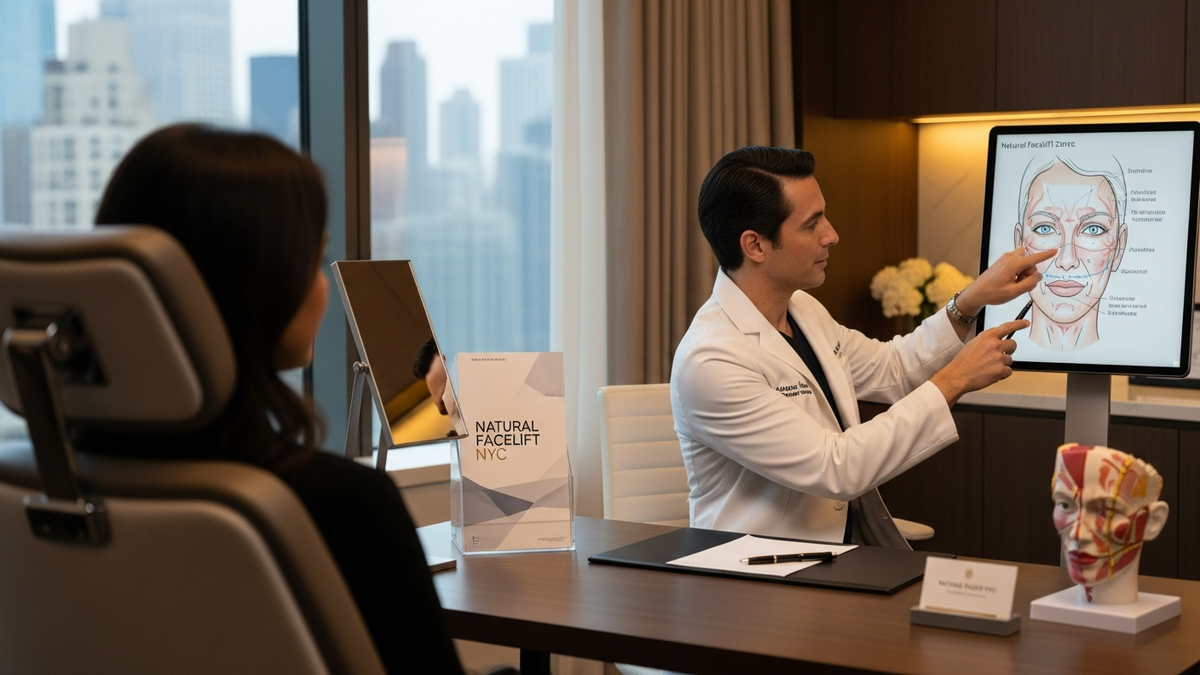
Rhinoplasty in Beverly Hills is more than a “nose job.” For many patients, it’s a chance to refine facial harmony while also addressing functional concerns like congestion or difficulty breathing. In a city known for aesthetic excellence, the best outcomes come from careful, individualized planning—grounded in anatomy, facial proportions, and your goals.
At FlowGeniQ Digest, we focus on helping readers make informed decisions. Below, you’ll find an expert, patient-friendly guide to modern rhinoplasty: how surgeons evaluate your nose, what the procedure can (and can’t) change, how recovery typically unfolds, and which functional nasal options may be worth exploring alongside—or instead of—cosmetic surgery.
What Is Rhinoplasty (and Why Beverly Hills Patients Choose It)
Rhinoplasty is a cosmetic procedure that alters the nose’s shape and structure. It may also improve or restore nasal function—for example, by optimizing airflow. In practice, many patients pursue rhinoplasty for two main reasons:
- Esthetic goals: refining the nose’s size, profile, tip, or symmetry to better match facial features.
- Functional goals: improving breathing when structural factors contribute to congestion.
Because the nose is central to facial identity, small changes can have a big impact—making surgeon expertise and surgical strategy essential.
Rhinoplasty vs. Functional Nasal Surgery: Knowing the Difference
Not every breathing problem requires traditional rhinoplasty. In some cases, functional nasal surgery can directly address airflow limitations with a more targeted approach. This distinction matters for safety, recovery, and long-term comfort.
When rhinoplasty is the right fit
Rhinoplasty may be appropriate when you want both:
- Visible aesthetic refinement (e.g., tip definition, dorsal contour, overall proportion)
- Potential functional improvements (e.g., supporting nasal valve strength or septal alignment)
When functional procedures may come first
For chronic nasal congestion or sinus-related symptoms tied to structural anatomy, targeted treatments can sometimes provide substantial relief. For example, a surgeon may evaluate issues such as a deviated septum and recommend Septoplasty or related procedures.
If your primary concern is breathing, it can be helpful to ask whether your symptoms are driven by:
- Septal deviation
- Enlarged turbinates
- Nasal valve collapse
- Chronic sinus obstruction
Related reading: how surgeons approach breathing
Patients sometimes assume rhinoplasty is the only path to improved nasal airflow. But modern head and neck facial plastic care can include a broader set of functional options depending on your anatomy and symptoms.
How Surgeons Plan Rhinoplasty in Beverly Hills
A premium rhinoplasty experience starts long before surgery day. A thorough consultation typically includes:
- Facial analysis: evaluating proportions in profile and front view, including the nose’s relationship to the eyes, lips, and chin.
- Nasal anatomy assessment: internal structures that affect airflow and shape.
- Skin and soft-tissue evaluation: skin thickness and elasticity influence how results appear over time.
- Functional history: congestion, allergies, sleep-related breathing concerns, and prior nasal trauma.
- Goal-setting: aligning expectations with realistic outcomes.
In many cases, surgeons also discuss how changes may evolve during healing—especially tip refinement, which often settles gradually over months.
Types of Rhinoplasty: What You Might Be Offered
Rhinoplasty approaches vary based on your anatomy and goals. During your consultation, your surgeon may recommend a specific technique or a combination of methods.
Primary rhinoplasty
This is the first rhinoplasty procedure for a patient. It focuses on establishing a refined, balanced nose structure.
Revision rhinoplasty
Revision procedures are considered when prior surgery didn’t meet expectations or when breathing issues persist. Revision rhinoplasty often requires advanced planning due to scar tissue and altered anatomy.
Ethnic rhinoplasty
Some patients seek refinement while preserving ethnic identity. A skilled surgeon can tailor the approach to maintain natural characteristics while improving harmony and function.
What Rhinoplasty Can and Can’t Do
Clarity builds trust. Here’s a practical way to think about outcomes.
Common esthetic goals
- Refining a hump or smoothing the dorsal contour
- Reshaping the tip for better definition
- Improving symmetry and proportions
- Balancing nostril size and shape
Common functional goals
- Improving airflow by addressing internal structural contributors
- Supporting the nasal valve area when it collapses or weakens
- Reducing chronic congestion when structural causes exist
Important limitations
No procedure can guarantee perfection. Results depend on individual anatomy, healing patterns, and how your body responds to tissue remodeling. If you have significant breathing issues, your surgeon may recommend functional evaluation and targeted treatment strategies—sometimes alongside, sometimes prior to, cosmetic changes.
Rhinoplasty Recovery Timeline: What to Expect
Recovery is a major part of planning. While every patient heals differently, most rhinoplasty recoveries follow a general pattern.
First week
- Swelling and bruising: especially around the nose and eyes.
- Splinting: many patients have internal/external support to protect healing tissues.
- Comfort: pain is typically manageable with prescribed guidance.
- Rest: keeping activity low helps reduce swelling.
Weeks 2–4
- Visible improvement: bruising often fades; swelling gradually decreases.
- Return to routine: patients may resume many daily activities with restrictions.
- Ongoing tip settling: the nose’s final contour is still evolving.
Months 2–12
- Refinement continues: subtle changes can occur as tissues remodel.
- Long-term results: many patients feel fully satisfied once healing stabilizes.
Actionable tip: plan your schedule around healing. If you’re timing a major event (weddings, photoshoots, job transitions), discuss realistic timelines during your consultation.
Safety and Risk: How to Choose a Surgeon Who Prioritizes Outcomes
Any surgery carries potential risks. The goal is not to fear surgery—it’s to reduce risk through careful selection, strong surgical technique, and appropriate post-operative care.
Questions to ask during your rhinoplasty consultation
- What are my realistic goals? Ask how your surgeon will address both esthetic and functional considerations.
- How do you plan for natural results? Look for a discussion of facial harmony, not just nose measurements.
- What is your approach to breathing? If you have congestion, ask whether your evaluation includes structural airflow contributors.
- What does recovery look like for someone like me? Your surgeon should tailor advice to your health and lifestyle.
- How do you handle complications? A thoughtful practice will outline monitoring and follow-up.
Meet Dr. Hootan Zandifar: Facial Plastic & Reconstructive Expertise in Beverly Hills
When you search for rhinoplasty in Beverly Hills, you’re not only comparing techniques—you’re also evaluating training, philosophy, and commitment to patient education.
Dr. Hootan Zandifar, MD, FACS is a Board Certified Facial Plastic & Reconstructive Surgeon who focuses solely on cosmetic and reconstructive surgery of the head and neck. His approach emphasizes:
- Natural-looking results through careful planning and advanced techniques
- Honest, trustworthy, compassionate care
- Patient education so you can make well-informed decisions
Dr. Zandifar is double board certified & fellowship trained, with rigorous training that includes residency in Head and Neck Surgery and an exclusive fellowship under the American Academy of Facial Plastic and Reconstructive Surgery (AAFPRS). He is also a board certified diplomat of the American Board of Otolaryngology/Head and Neck Surgery and board certified with the American Board of Facial Plastic Surgery.
If you want to explore how rhinoplasty is approached in Beverly Hills, you can read more here: Rhinoplasty.
Functional Nasal Considerations: Breathing Matters
Many patients who seek cosmetic refinement also want to breathe better. That’s where functional nasal surgery becomes relevant.
Septoplasty and the role of a deviated septum
A Deviated Septum can contribute to nasal obstruction. In selected cases, a surgeon may recommend Septoplasty to straighten the nasal cartilage and improve airflow. If you’re trying to understand whether your symptoms align with septal deviation, it can help to review how a deviated septum affects nasal breathing.
For more context, you can read: Deviated Septum.
Nasal valve collapse: a common overlooked cause
Some patients have difficulty breathing because the nasal valve area is structurally weak or collapses. Depending on severity, treatment options may include non-surgical strategies (like allergy management and medications) or surgical approaches. Your surgeon can evaluate your anatomy to determine the most appropriate plan.
Chronic sinusitis and minimally invasive sinus care
If your nasal symptoms overlap with sinus blockage or recurrent infections, a comprehensive head and neck evaluation may include options like balloon sinuplasty or endoscopic sinus surgery. These can help restore normal sinus function by widening passages and reducing trapped mucus and recurring infections.
How to Prepare for Rhinoplasty in Beverly Hills
Preparation can influence comfort, safety, and recovery speed. While your surgeon’s instructions will be personalized, here are common preparation steps to discuss.
Pre-operative checklist
- Medical history review: share allergies, medications, prior surgeries, and any bleeding concerns.
- Medication guidance: ask about stopping or adjusting blood-thinning medications or supplements.
- Smoking and nicotine: discuss cessation support, as nicotine can impair healing.
- Home setup: prepare clean pillows, cold packs (if recommended), and easy-to-access hydration.
- Transportation: plan for someone to drive you home after surgery.
Actionable tip: bring reference photos—but also communicate what you like about them (tip shape, profile line, nostril balance). This helps your surgeon translate preferences into surgical planning.
Choosing Between Rhinoplasty and Other Facial Procedures
Some patients consider rhinoplasty as part of a broader facial rejuvenation plan. Depending on your goals, your surgeon may discuss complementary procedures.
When a facelift or eyelid surgery is considered
For patients focused on overall facial aging, procedures like Facelift or Blepharoplasty may be discussed to balance the face as the nose refines.
When hair or eyebrow restoration matters
Facial harmony is more than the nose. Some patients also explore hair transplant and eyebrow transplant options to support their overall look and confidence. If you’re curious, you may find relevant information here: hair transplant and eyebrow transplant.
Note: these are separate decisions with their own timelines and recovery considerations. Your surgeon can help determine what’s most appropriate for your priorities.
Costs and Financing: What to Expect (Without Guesswork)
Rhinoplasty costs vary widely based on factors like surgical complexity, surgeon experience, anesthesia type, and whether functional corrections are included. In Beverly Hills, premium practices often reflect advanced training and comprehensive care.
Instead of relying on online averages, ask your provider for a transparent breakdown. Key items to inquire about include:
- Surgeon fees
- Operating room and anesthesia fees
- Facility charges
- Prescriptions and post-operative supplies
- Follow-up visits
Actionable tip: if budget is a concern, ask about financing options and whether your plan includes revision policy guidance (where applicable).
How to Verify a Surgeon’s Credentials and Fit
Because rhinoplasty is both art and medical precision, credentials matter. Look for:
- Board certification and relevant surgical fellowship training
- Experience with both esthetic and functional nasal considerations
- Natural result philosophy with patient-specific planning
- Strong communication and thorough education
Dr. Zandifar’s background reflects extensive training in head and neck surgery and facial plastic and reconstructive care—supporting both refinement and functional attention.
Realistic Expectations: The “Natural Look” Standard
In rhinoplasty in Beverly Hills, the goal is often not to create a “new face,” but to enhance what’s already there. Natural results typically involve:
- Proportional balance across the face
- Tip definition that looks subtle, not overcorrected
- Symmetry that improves without looking “manufactured”
- Functional improvement when relevant
During your consultation, ask to see before-and-after examples that match your concerns and skin type—because results should be comparable.
Frequently Asked Questions About Rhinoplasty in Beverly Hills
1) Is rhinoplasty only for cosmetic reasons?
No. While rhinoplasty is commonly known as a nose job, it can also improve nasal function for selected patients—especially when structural factors affect breathing. Your surgeon can evaluate both aesthetics and airflow to determine the best plan.
2) How long does rhinoplasty recovery take?
Most patients see visible improvement in the first few weeks, but swelling and tissue settling continue for months. Many people consider results “final” after about a year, though the nose often looks better long before then.
3) Will rhinoplasty fix a deviated septum or congestion?
Sometimes. It depends on the cause of your obstruction. A surgeon may address septal alignment as part of the rhinoplasty plan, or recommend a targeted functional procedure such as Septoplasty when appropriate.
4) What are the most important things to discuss in a consultation?
Discuss your goals, your breathing symptoms (if any), your medical history, and your expectations for timeline and recovery. A high-quality consultation also covers risks, follow-up care, and how the surgeon plans to achieve natural results.
5) How do I know if I’m a good candidate for rhinoplasty?
Good candidates typically have realistic goals, adequate health for surgery, and a clear understanding of healing timelines. If you’re also dealing with chronic congestion or sinus issues, a comprehensive evaluation is important to determine whether rhinoplasty alone is enough or whether functional treatment should be included.
CTA: Ready to Explore Rhinoplasty in Beverly Hills?
If you’re considering rhinoplasty in Beverly Hills, the most important next step is a consultation where your surgeon listens carefully, evaluates your anatomy, and builds a plan tailored to your goals—both aesthetic and functional.
FlowGeniQ Digest encourages you to take action thoughtfully: prepare your questions, bring reference photos, and prioritize a provider who values patient education and natural-looking outcomes.
To learn more about rhinoplasty options and functional nasal considerations in Beverly Hills, schedule your consultation with Dr. Hootan Zandifar.
Professional Disclaimer
This content is provided for general educational purposes only by FlowGeniQ Digest. It is not a substitute for professional advice, diagnosis, or treatment. Readers are advised to consult qualified professionals for personalized recommendations.
Medical Information Disclaimer
This content is provided for general educational purposes only by FlowGeniQ Digest. It is not a substitute for professional advice, diagnosis, or treatment. Readers are advised to consult qualified professionals for personalized recommendations.