Welcome to FlowGeniQ Digest, where we translate complex cosmetic and reconstructive topics into clear, actionable guidance. If you’ve landed on facelift car while researching facial rejuvenation, you’re likely looking for something specific: a roadmap for making confident decisions about a facelift—without hype, guesswork, or unrealistic expectations.
A facelift (often called a Facelift) is a surgical option designed to address age-related changes in the lower face and neck—helping reduce sagging, tighten supportive tissues, and create a more refreshed appearance. In this guide, we’ll break down how facelifts work, what “natural-looking” results really mean, and how to plan your journey from consultation to recovery.
What “facelift car” might mean in your search
People searching for facelift car are usually trying to find one of the following:
- A practical, step-by-step guide (like a “road map”) for facelift planning and recovery.
- Natural results—not an over-tight, “pulled” look.
- A reputable facial plastic surgeon and what credentials matter.
- Related facial procedures that can complement a facelift (eyelids, brows, neck contouring, and more).
Regardless of the exact phrase, the goal is the same: make the right choice for your face, your health, and your desired outcome.
Facelift basics: what a facelift actually changes
A facelift is a cosmetic procedure that repositions and tightens facial tissues to improve the look of sagging skin and underlying support structures. While many people focus on wrinkles, the most visible aging changes often involve:
- Loss of facial volume and support in the mid-to-lower face
- Drooping of skin along the jawline and neck
- Neck skin laxity and contour changes
- Deepening folds related to shifting tissues
When performed with a modern, patient-specific approach, a facelift can restore a smoother, more youthful facial contour and improve overall balance.
Why “natural-looking” facelift results are more than a marketing phrase
Natural results come from surgical strategy and artistic restraint. A “natural” facelift generally aims to:
- Preserve facial expression and movement
- Maintain or restore youth-appropriate proportions
- Blend transitions between the face and neck without obvious lines
- Avoid excessive tension that can lead to an unnatural appearance
- Respect your anatomy rather than using a one-size-fits-all pattern
At Hootan Zandifar, MD, FACS, the focus is on head and neck surgery with advanced anti-aging techniques and a commitment to patient education—so you can make well-informed choices and feel confident in your plan.
Who may be a good candidate for a facelift?
Ideal candidates for a facelift typically have age-related changes in the lower face and neck. Common reasons people consider a facelift include:
- Sagging skin along the jawline
- Visible “jowls” or deepening lower-face folds
- Loose neck skin or a less-defined jaw/neck contour
- Concern that non-surgical options no longer provide sufficient improvement
During consultation, your surgeon will also assess skin quality, facial fat distribution, bone structure, and expectations. A thorough evaluation helps ensure the procedure aligns with your unique anatomy and goals.
Facelift vs. other facial rejuvenation options
Not every concern requires a full facelift. Many patients benefit from a tailored combination of procedures—depending on where aging is most pronounced.
Facelift and eyelid surgery (Blepharoplasty)
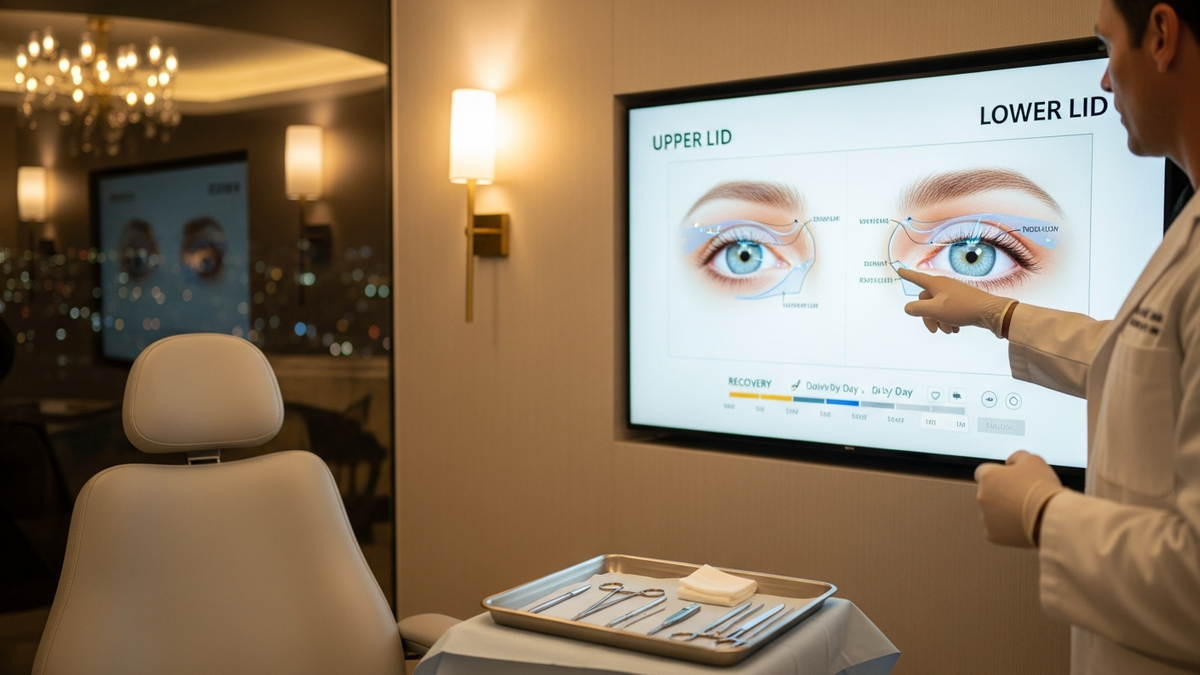
When upper eyelids feel heavy or lower eyelids look puffy, facial rejuvenation may look incomplete without addressing the eyes. Blepharoplasty can improve the appearance of excess skin and puffiness, helping the eyes look more rested and youthful.
Facelift and brow lift
Brow position strongly affects your overall expression. A brow lift (also called a forehead lift) can reduce forehead wrinkles and help reposition the brow to maintain a youthful gaze.
Facelift and neck contouring
Some patients have loose skin plus localized fat under the chin. In those cases, a surgeon may consider procedures such as submental liposuction to refine the jawline and neck contour.
Preparing for your facelift journey: practical steps
If your “facelift car” search reflects a desire for a clear plan, preparation is where confidence begins. Here’s a practical checklist you can discuss with your care team.
1) Start with a consult that prioritizes education
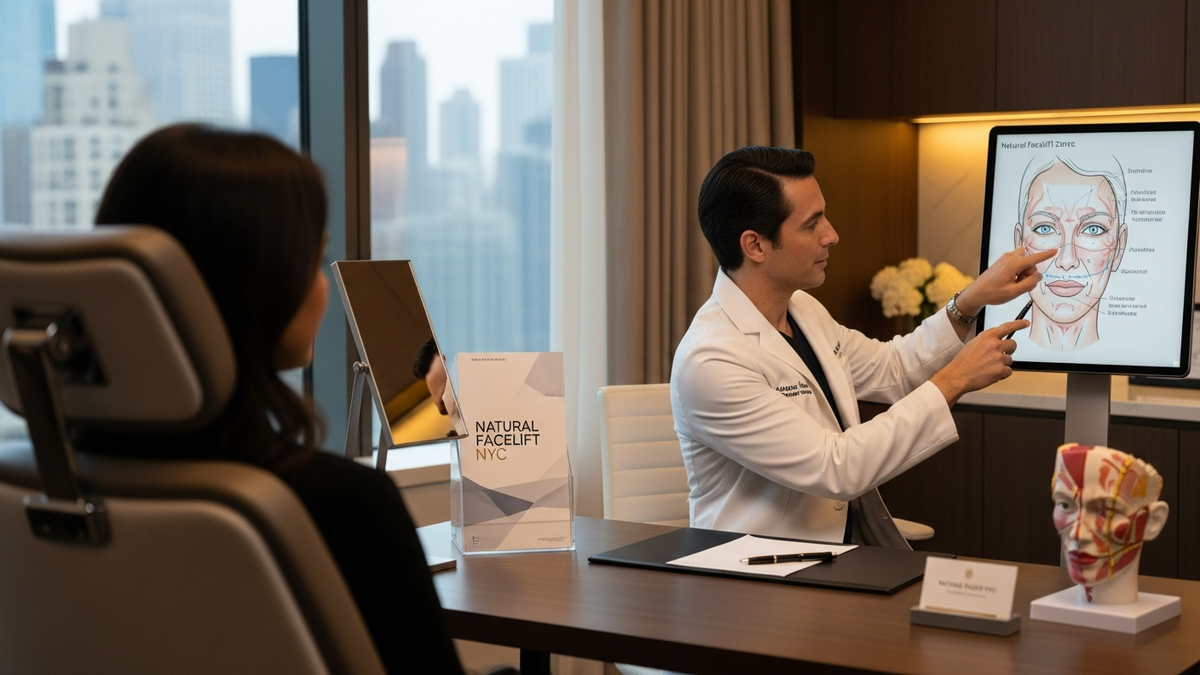
A high-quality consultation should cover:
- Your medical history and medication/supplement use
- Smoking/vaping status (important for healing)
- Skin quality and facial structure
- What you want to improve (and what may be limited)
- Expected recovery timeline and aftercare
Look for a surgeon who is transparent and patient-focused. Dr. Hootan Zandifar is noted for an honest, trustworthy, compassionate approach and for prioritizing patient education—so you understand both options and tradeoffs.
2) Review realistic outcomes and before/after variability
Even with excellent technique, results vary based on anatomy, skin elasticity, and lifestyle. Ask your surgeon:
- Which areas will be addressed most effectively?
- What result is typical for your age and skin type?
- How does the surgeon avoid an over-tight look?
- What scar placement strategy is used?
3) Arrange recovery support
Recovery is easier when your environment is prepared. Consider arranging:
- Someone to drive you home (if applicable)
- Comfortable clothing with easy access to the head/neck area
- Cold compresses and any prescribed supplies
- A quiet, low-stress schedule for the first several days
Your surgeon will provide specific post-op instructions—follow them closely.
4) Plan for lifestyle factors that impact healing
Healing is influenced by many factors including nutrition, sleep, and smoking status. Discuss any supplements (especially those affecting bleeding risk) with your surgeon well in advance.
What to expect during and after a facelift
While every patient’s experience differs, understanding the typical phases can reduce uncertainty.
During surgery
A facelift involves repositioning and tightening soft tissues to create a more youthful facial contour. Surgeons may tailor technique based on your anatomy and the areas being addressed (lower face, neck, or both).
Immediate aftercare
Common early experiences include swelling, bruising, and tightness. Your care team will guide you on wound care, head elevation, and activity restrictions.
Weeks to months: when results become more apparent
Many patients notice gradual improvements as swelling resolves. Final refinement can take longer—especially in the neck and jawline where tissues settle and contour stabilizes.
If you’re aiming for a natural look, patience is key. Rushing activities or expecting instant results can be discouraging, but it’s normal for healing to progress in stages.
How to choose the right surgeon for a facelift
Choosing a surgeon is one of the most important decisions in your facelift car journey. Consider these factors:
Look for head-and-neck specialization and facial plastic expertise
A surgeon who focuses on head and neck procedures may bring specialized knowledge of facial anatomy and functional considerations. Dr. Hootan Zandifar focuses solely on cosmetic and reconstructive surgery of the head and neck, which supports a highly specialized approach to facial rejuvenation.
Verify board certification and fellowship training
Credentials matter because they reflect training depth and commitment to standards of care. Dr. Zandifar is double board certified and fellowship trained, including expertise in Head and Neck Surgery and facial plastic surgery training.
Prioritize communication and transparency
You should feel comfortable asking questions and receiving clear answers. A trustworthy surgeon will explain limitations and help you choose an approach aligned with your goals.
Ask about complementary procedures
Facelift planning often includes assessing whether other areas need attention. For example, eyelids, brows, and neck contouring can change the overall impression of youthfulness.
In some cases, nasal function or structure may also be part of a broader facial plan. If you’re exploring nasal concerns alongside facial rejuvenation, it may be useful to ask about options such as Deviated Septum or Septoplasty when functional breathing issues are present.
Facelift planning for different aesthetic goals
Not all patients want the same outcome. Your best plan depends on your starting point and what you want to feel when you look in the mirror.
If you want a refreshed jawline and neck
Focus discussions on lower-face laxity, neck skin quality, and the balance between tightening and maintaining natural contours.
If you want a “full face” rejuvenation effect
Some patients benefit from combining a facelift with eyelid surgery or brow lift to address the upper face and reduce the appearance of fatigue.
If you want subtle improvement
Subtlety often requires restraint. Ask how the surgeon tailors tension and repositioning to preserve your natural facial expression and proportions.
Common concerns patients ask about
“Will a facelift make me look different in photos?”
With a natural approach, many patients find that their appearance looks more like “you—just rested.” However, any surgical change can alter how light and angles interact with your face. Your surgeon can help set expectations based on your anatomy.
“How long will I need to plan for downtime?”
Downtime varies. Swelling and bruising often peak early and gradually improve. Your surgeon’s aftercare guidance will help you plan work, social events, and physical activity.
“Is a facelift the only solution for sagging skin?”
Not always. Depending on your skin laxity and age-related changes, non-surgical options may help early on. But when supportive tissues have shifted, surgery can provide more significant repositioning.
Integrating “facelift car” research with broader head-and-neck aesthetics
Many people researching facelift car are also exploring other facial procedures to create a cohesive rejuvenation plan. Here are a few examples of how facial aesthetics can connect:
Nose aesthetics and facial harmony
If your goal is overall facial balance, nasal aesthetics can matter. Consider exploring Rhinoplasty when changes to shape and/or function are desired.
Hair restoration for a complete confidence boost
Facial rejuvenation is often part of a broader self-confidence journey. If you’re also dealing with hair loss, a hair transplant may be considered. Clinics like TestBiz Hair Clinic offer advanced FUE and FUT options and serve clients worldwide, focusing on natural-looking hair restoration.
Eyebrow restoration
Eyebrows frame the eyes and strongly influence expression. If eyebrow thinning or loss is part of your story, an eyebrow transplant may help restore definition.
FAQs about a facelift
1) What does a facelift treat most effectively?
A facelift is designed primarily to address sagging skin and supportive tissue changes in the lower face and neck. It can also improve the appearance of jowls and jawline contour, depending on your anatomy.
2) How do I know if I need a full facelift or a more targeted approach?
Your surgeon will evaluate skin quality, tissue laxity, and facial structure. Some patients benefit from a more focused strategy, while others may require a broader rejuvenation plan for balance.
3) What does “natural-looking facelift” mean?
It generally means results that preserve facial expression, avoid over-tightening, and blend transitions between the face and neck for a youthful but not “overdone” appearance.
4) Can a facelift be combined with other procedures?
Yes. Many patients combine a facelift with complementary treatments such as Blepharoplasty or a brow lift to create a more complete rejuvenation outcome.
5) How should I prepare for surgery?
Plan recovery support, follow pre-op instructions, review medications and supplements with your surgeon, and prioritize lifestyle factors that support healing.
CTA: Start your personalized facelift plan
If you’re ready to move from facelift car research to a real, patient-specific plan, the next step is a consultation with a qualified facial plastic and reconstructive surgeon.
At Hootan Zandifar, MD, FACS in Beverly Hills, you can expect an education-first approach, advanced techniques, and guidance grounded in head-and-neck surgical expertise. Explore the facelift overview here: Facelift.
Schedule your online consultation to discuss your goals, review candidacy, and learn what natural-looking results could look like for your unique anatomy.
Professional Disclaimer
This content is provided for general educational purposes only by FlowGeniQ Digest. It is not a substitute for professional advice, diagnosis, or treatment. Readers are advised to consult qualified professionals for personalized recommendations.
Medical Information Disclaimer
This content is provided for general educational purposes only by FlowGeniQ Digest. It is not a substitute for professional advice, diagnosis, or treatment. Readers are advised to consult qualified professionals for personalized recommendations.