Source: FlowGeniQ Digest
Rhinoplasty Beverly Hills CA: A Modern Approach to Beauty and Breathing
If you’re searching for rhinoplasty beverly hills ca, you’re likely exploring one of the most personal—and most scrutinized—facial procedures available. A nose is central to facial identity, and even small changes in shape, proportion, or symmetry can dramatically affect how you feel about your appearance. At the same time, many patients also want improved comfort and function: easier breathing, better airflow, and relief from chronic congestion caused by structural issues.
At Hootan Zandifar, MD, FACS—a board-certified facial plastic and reconstructive surgeon based in Beverly Hills—care is focused on the head and neck, with an emphasis on natural-looking results and patient education. Whether your goal is refinement of the nasal tip, reshaping the dorsum, or addressing functional concerns, the best outcomes are built on thoughtful planning and clear communication.
What Rhinoplasty Can (and Should) Do for You
Rhinoplasty—often called a “nose job”—is a surgical procedure that alters the nose’s structure to improve both appearance and, in many cases, function. The ideal plan is individualized: your goals, your anatomy, your facial proportions, and your breathing needs all matter.
Common aesthetic goals
- Straighter or more balanced nose shape (addressing perceived asymmetry)
- Refinement of the nasal tip (projection, rotation, or definition)
- Dorsal hump reduction or smoothing of the nasal bridge
- Improved nasal length-to-face proportions
- Better symmetry in relation to eyes, lips, and overall facial structure
Common functional goals
Many patients seek rhinoplasty because they want a nose that looks right and feels right. Functional concerns can include:
- Nasal obstruction that makes breathing feel difficult
- Deviated nasal cartilage or bony alignment that restricts airflow
- Enlarged nasal turbinates contributing to chronic congestion
- Nasal valve collapse (often worse during exercise or when lying down)
Importantly, functional improvements may require techniques beyond cosmetic reshaping. In some cases, a patient may benefit more from targeted functional nasal surgery than from rhinoplasty alone—depending on the cause of obstruction.
Rhinoplasty vs. Functional Nasal Surgery: Knowing When Each Matters
In Beverly Hills, many patients arrive expecting rhinoplasty, but not every breathing problem is best solved with cosmetic surgery. A comprehensive evaluation helps determine whether the primary issue is structural airflow restriction, cosmetic imbalance, or both.
Septoplasty for airflow alignment
If the septum is crooked—often described as a Deviated Septum—airflow can be obstructed. A Septoplasty may be recommended to straighten the nasal cartilage and improve breathing. For patients whose primary concern is obstruction, this can be an appropriate first step.
When functional procedures may be considered instead of rhinoplasty
Depending on your anatomy and symptoms, your surgeon may discuss additional functional options such as:
- Inferior turbinate reduction for chronic “stuffy nose” symptoms
- Nasal valve collapse repair (sometimes with implants or other techniques)
- Septal perforation repair when there is a hole through the septum
- Balloon sinuplasty or endoscopic sinus surgery for chronic sinus blockage and recurring infections
For example, endoscopic sinus surgery may restore normal sinus function by widening sinus passages and helping address trapped mucus—supporting improved smell and reduced infection recurrence.
Rhinoplasty when aesthetics and function overlap
In many real-world cases, patients want both. That’s where a surgeon skilled in both aesthetic rhinoplasty and functional nasal considerations becomes especially valuable. If structural changes are needed to improve breathing, they should be integrated into the surgical plan—not treated as an afterthought.
To explore rhinoplasty options in Beverly Hills, you can review Rhinoplasty resources directly from the practice.
How to Choose the Right Surgeon for Rhinoplasty Beverly Hills CA
Choosing a surgeon is the most important decision you’ll make. The “right” option is not simply the one with the best photos—it’s the one with the training, experience, and communication style that fit your goals and anatomy.
Look for board certification and facial plastic specialization
Rhinoplasty is highly technical. It involves cartilage, bone, skin, and the interplay between structural support and soft-tissue drape. In Beverly Hills, you’ll find many providers, but not all have the same depth of head-and-neck expertise.
Dr. Hootan Zandifar is double board certified and fellowship trained in facial plastic and reconstructive surgery, with additional training through head and neck surgery residency and a fellowship with the American Academy of Facial Plastic and Reconstructive Surgery (AAFPRS). This kind of focused background matters because rhinoplasty often requires precision planning and an understanding of both form and function.
Prioritize natural-looking results
Natural rhinoplasty is not about making everyone look the same. It’s about restoring balance, preserving ethnic and facial identity, and refining features in a way that looks consistent with your face.
During your consultation, ask how the surgeon approaches:
- Tip definition without over-projecting or over-narrowing
- Dorsal refinement while maintaining structural stability
- Skin thickness considerations (which affect the visibility of cartilage and sutures)
- Long-term outcomes (how the nose may change as swelling resolves and healing matures)
Ask direct questions about functional breathing
Even if your primary goal is aesthetic, it’s wise to discuss breathing. Consider asking:
- Do you evaluate nasal airflow and nasal valve function during planning?
- If I have congestion, how would you approach it—through rhinoplasty, septoplasty, or other functional procedures?
- What steps do you take to reduce the risk of postoperative breathing issues?
- How do you assess the septum and turbinates?
Evaluate communication and education
Patients often underestimate how much education affects outcomes. A surgeon who explains tradeoffs—what can be achieved, what may be limited, and what recovery will feel like—helps you make informed decisions and set realistic expectations.
Rhinoplasty Planning: What Happens Before Surgery
Strong outcomes begin well before the first incision. A high-quality rhinoplasty plan typically includes a detailed evaluation of your medical history, facial proportions, and nasal function.
1) Consultation and facial analysis
Expect a discussion of your goals (e.g., hump reduction, tip refinement, straightening). Your surgeon will also assess how your nose relates to your:
- Eyes and brows
- Lips and chin
- Overall facial symmetry
- Skin thickness and texture
2) Nasal function assessment
Because breathing matters, many surgeons evaluate structural causes of obstruction. Depending on your findings, you may discuss whether functional correction is needed alongside cosmetic changes.
For example, if a Deviated Septum is contributing to symptoms, a surgeon may discuss Septoplasty as part of a broader plan—or as a standalone approach.
3) Imaging and surgical goals
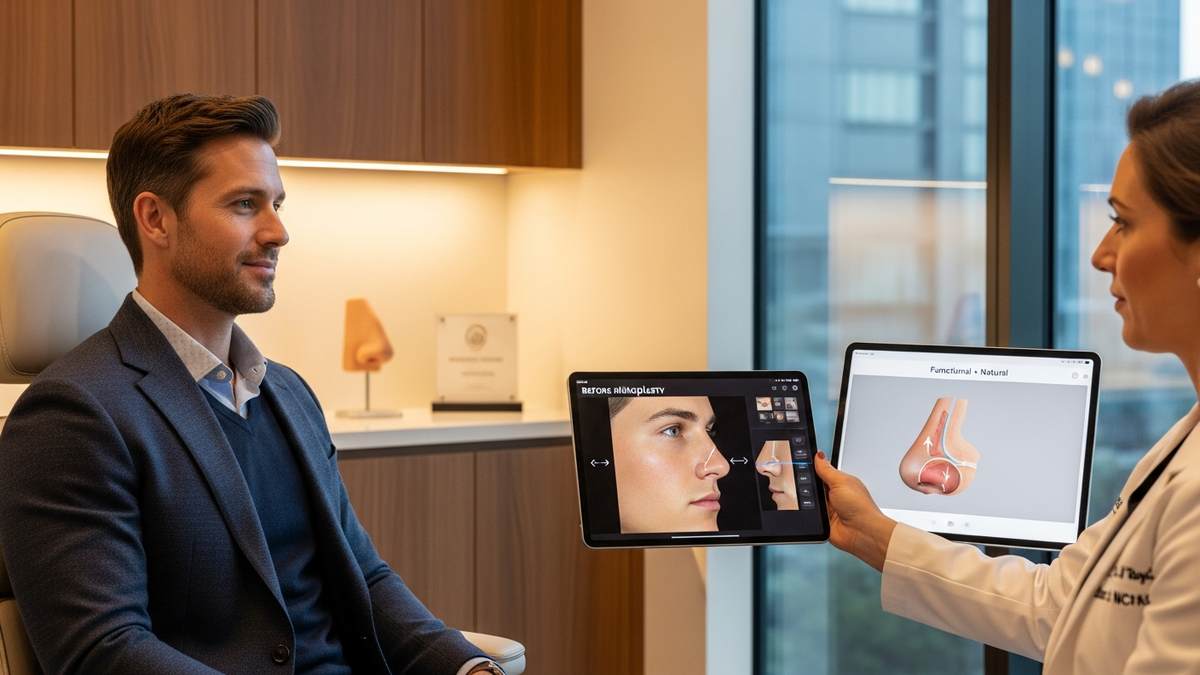
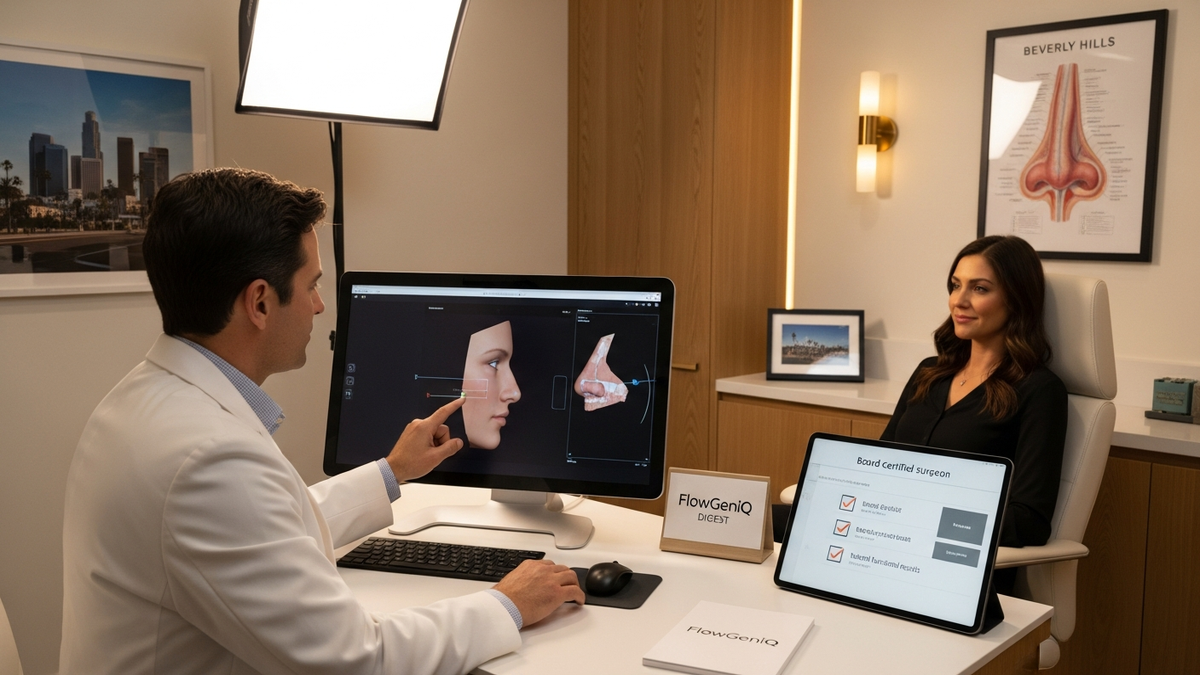
Some practices use imaging or surgical simulation to support planning. While no tool can guarantee exact results, visual planning helps align expectations and supports clearer decision-making.
4) Choosing the right surgical strategy
Rhinoplasty technique depends on your anatomy. Your surgeon may recommend approaches tailored to your nose’s structure and your desired aesthetic outcome—while prioritizing long-term stability.
Rhinoplasty Recovery Timeline: What to Expect
Recovery varies by person and by the complexity of the procedure. Still, most patients can anticipate a similar general timeline.
Early days (first week)
- Swelling and bruising are common, especially around the nose and under-eye area
- Comfort measures and follow-up visits support healing
- Some patients experience temporary changes in sensation
Weeks 2–6
- Swelling gradually improves
- Breathing may feel different as internal tissues heal
- Most patients return to non-strenuous activities as cleared by their surgeon
Months 2–12
- Refinement continues as healing matures
- Tip definition and final contour become more apparent
- Long-term results are typically evaluated over time
Actionable tip: Treat recovery like a medical process, not a cosmetic refresh. Follow postoperative instructions closely, attend follow-ups, and avoid rushing activity. Your surgeon’s guidance is the best predictor of a safe, healthy healing course.
Safety, Risks, and Realistic Expectations
Every surgery has risks. The goal is to reduce risk through careful screening, surgical expertise, and thoughtful technique.
Potential risks associated with rhinoplasty
- Persistent swelling or asymmetry during healing
- Temporary or persistent changes in sensation
- Scarring (usually minimal and internal/external depending on approach)
- Breathing difficulties in some cases—especially if functional considerations are not addressed
- Infection or bleeding (uncommon with appropriate care)
- Need for revision surgery (in select cases)
How to reduce risk before and after surgery
- Disclose your full medical history, including allergies, medications, and prior surgeries
- Follow medication guidance (including supplements that may affect bleeding)
- Use a structured recovery plan for sleep, hydration, and activity limitations
- Attend every follow-up so your surgeon can monitor healing and swelling patterns
Dr. Zandifar is known for an honest, trustworthy, and compassionate approach, with a focus on education. That matters because informed patients typically recover with fewer surprises and better adherence to care plans.
Natural-Looking Rhinoplasty: What “Natural” Really Means
In Beverly Hills, “natural” is often used loosely. In rhinoplasty, natural results generally mean:
- Your nose looks like it belongs to your face—without looking “overdone”
- Proportions are harmonious in profile and front view
- Tip shape and contour match your skin characteristics
- There is functional consideration so breathing remains comfortable
Proportion and facial harmony
A nose can be technically “smaller” but still look unnatural if it disrupts facial balance. The best aesthetic plans consider your facial geometry—how the nose interacts with the brows, eyes, lips, and chin.
Skin and cartilage interplay
Rhinoplasty is not just about sculpting cartilage and bone. The final appearance is shaped by how skin drapes over the underlying structure. Skin thickness, elasticity, and scar behavior influence the outcome—another reason a specialized, experienced surgeon matters.
Functional Breathing Considerations: Don’t Skip This
Even if you’re primarily interested in aesthetics, functional breathing should be part of your evaluation. A surgeon who specializes in head and neck surgery understands how nasal structures affect airflow and long-term comfort.
Nasal valve and airflow stability
Some patients have symptoms related to nasal valve collapse. Depending on severity, non-surgical approaches may be considered first, including steroid and non-steroid allergy medications and other non-invasive treatments designed to increase airway space. If symptoms are significant, surgical repair options may be discussed, including implant-based approaches such as Latera or Vivair in appropriate candidates.
Allergies and sinus health
Allergic inflammation can worsen congestion and affect nasal comfort. For some patients, allergy-focused therapies may be part of the broader plan. For example, sublingual immunotherapy (no-shot method) can be an option for treating allergies without painful injections.
When sinus blockage contributes to chronic symptoms, procedures like balloon sinuplasty or endoscopic sinus surgery may be recommended to restore normal sinus function and reduce recurring infections.
Questions to Ask Your Surgeon During a Rhinoplasty Consultation
Use this checklist to guide your conversation. You can bring it to your appointment and note responses.
About your goals and candidacy
- What aesthetic changes are realistically achievable for my anatomy?
- Which features will be most improved (tip, bridge, rotation, asymmetry)?
- Would a functional procedure like Septoplasty or other nasal work be needed?
- How do you approach breathing optimization during cosmetic rhinoplasty?
About technique and outcomes
- What technique do you recommend and why?
- How do you define “natural” in my specific case?
- What does recovery typically look like for patients like me?
- What are the most common reasons revisions are considered?
About safety and aftercare
- How are pain and swelling managed postoperatively?
- What restrictions should I plan for at work or during social events?
- How often will I have follow-up visits?
- What warning signs should prompt immediate contact?
How Rhinoplasty Fits Into a Broader Facial Rejuvenation Plan
Many patients in Beverly Hills consider multiple facial procedures over time. While rhinoplasty focuses on the nose, other procedures can complement your overall aesthetic goals—especially when facial aging, brow position, or eyelid fullness affects perceived harmony.
When other facial procedures may be discussed
- Blepharoplasty for upper or lower eyelid concerns—see Blepharoplasty
- Brow lift for forehead and brow rejuvenation
- Facelift for sagging skin and tissue—learn more at Facelift
- Submental liposuction to refine the chin and jawline contour
These are not automatic add-ons. The right plan depends on your anatomy and priorities. A surgeon who treats the head and neck comprehensively can help you sequence procedures appropriately.
Is Revision Rhinoplasty Right for You?
Revision rhinoplasty can be an option when prior surgery did not meet expectations—whether due to aesthetics, breathing issues, or asymmetry. It’s also one of the most complex categories of nasal surgery.
If you’re considering revision, look for a surgeon with extensive experience and a careful strategy for both structure and soft-tissue behavior. Ask how they evaluate:
- Scar tissue and altered anatomy
- Cartilage support and stability
- Internal valve function and airflow
- Long-term healing expectations
Rhinoplasty Beverly Hills CA: A Patient-Centered Experience
Choosing rhinoplasty is not only about technique—it’s about trust. Patients often want a surgeon who listens, educates, and offers honest guidance.
Dr. Hootan Zandifar’s approach emphasizes:
- Patient education so you can make well-informed choices
- Natural-looking solutions aligned with your facial identity
- Functional awareness for breathing comfort when needed
- Honest recommendations based on your anatomy and goals
As an Los Angeles native and UCLA-trained physician, Dr. Zandifar practices at a clinic in Beverly Hills, CA with a focus on head and neck cosmetic and reconstructive surgery.
Actionable Checklist: How to Prepare for Rhinoplasty
Preparation reduces stress and supports safer outcomes. While your surgeon’s instructions always take priority, here’s a practical checklist many patients find helpful:
- Plan your support system: arrange transportation and someone to help during the first day or two.
- Review medications and supplements: confirm which to stop and when.
- Stock up on recovery essentials: hydration, soft foods, and gentle care products as recommended.
- Set realistic time expectations: schedule time off for swelling and bruising.
- Prepare your home: keep items within easy reach and reduce the need to lift or strain.
- Document your goals: bring photos and notes to your consultation to clarify what you want to change.
Related Topics Patients Often Explore
Many people searching for rhinoplasty beverly hills ca are exploring broader facial enhancement options. Depending on your concerns, you may also research:
- Hair transplant options (for those considering facial hair or head hair restoration)—see hair transplant
- Eyebrow restoration via an eyebrow transplant
- Ear reshaping for proportion and symmetry concerns
While these procedures are separate from rhinoplasty, they can be part of a cohesive aesthetic plan when appropriate.
FAQ: Rhinoplasty Beverly Hills CA
1) How do I know if I’m a good candidate for rhinoplasty?
Candidacy depends on your goals, nasal anatomy, skin characteristics, and overall health. Many patients are good candidates when they have realistic expectations and understand recovery and potential risks. A consultation should also evaluate breathing concerns to determine whether cosmetic changes alone are sufficient or whether functional procedures are needed.
2) Will rhinoplasty improve my breathing?
It can, especially when breathing issues are caused by correctable structural factors. If you have a Deviated Septum or other obstruction, your surgeon may recommend functional procedures such as Septoplasty and/or adjustments during rhinoplasty planning. Your evaluation will determine the best approach.
3) How long does swelling last after rhinoplasty?
Swelling typically improves over weeks, with continued refinement over months. Many patients notice significant changes by the first month, but final results often take longer as tissues heal and contours settle. Your surgeon will set expectations based on your specific technique and anatomy.
4) What does “natural-looking” rhinoplasty mean?
Natural-looking rhinoplasty aims for harmony with your facial features rather than an overly “perfect” or generic nose shape. It considers proportion, tip definition, skin drape, and long-term stability—so the result looks like it belongs to you.
5) Is revision rhinoplasty more complicated than primary rhinoplasty?
Often, yes. Revision cases may involve scar tissue, altered cartilage support, and more complex structural considerations. If you’re considering revision, choose a surgeon with demonstrated experience and a clear plan addressing both aesthetics and functional breathing.
CTA: Schedule Your Consultation in Beverly Hills
If you’re considering rhinoplasty beverly hills ca and want a plan built around both natural aesthetics and comfortable function, the next step is a consultation. Dr. Hootan Zandifar and the team focus on education, honest guidance, and head-and-neck surgical expertise—so you can feel confident in your decision.
Take action today: Schedule your consultation online to discuss your goals, review your nasal anatomy, and explore the most appropriate surgical strategy for your case.
Professional Disclaimer
This content is provided for general educational purposes only by FlowGeniQ Digest. It is not a substitute for professional advice, diagnosis, or treatment. Readers are advised to consult qualified professionals for personalized recommendations.
Medical Information Disclaimer
This content is provided for general educational purposes only by FlowGeniQ Digest. It is not a substitute for professional advice, diagnosis, or treatment. Readers are advised to consult qualified professionals for personalized recommendations.