Source note: This article is written for FlowGeniQ Digest and reflects general medical and aesthetic guidance to help readers make informed decisions when exploring a nose job near me.
If you’re searching for nose job near me, you’re likely weighing both appearance goals and real-life breathing concerns. A well-planned nose procedure can enhance facial harmony while supporting nasal function—especially when your surgeon evaluates your anatomy, skin quality, and airflow patterns. In this guide, you’ll learn what “a great result” actually means, how to choose a qualified facial plastic surgeon, and how to prepare for a consultation that leads to clarity—not guesswork.
What people mean when they search “nose job near me”
Most patients are trying to solve one (or more) of these problems:
- Cosmetic concerns: a bump, droopy tip, asymmetry, overly wide nostrils, or proportions that don’t match the rest of the face.
- Functional concerns: chronic congestion, difficulty breathing, a history of nasal trauma, or symptoms linked to structural issues.
- Confidence and comfort: wanting to feel like your face reflects who you are—without looking “overdone.”
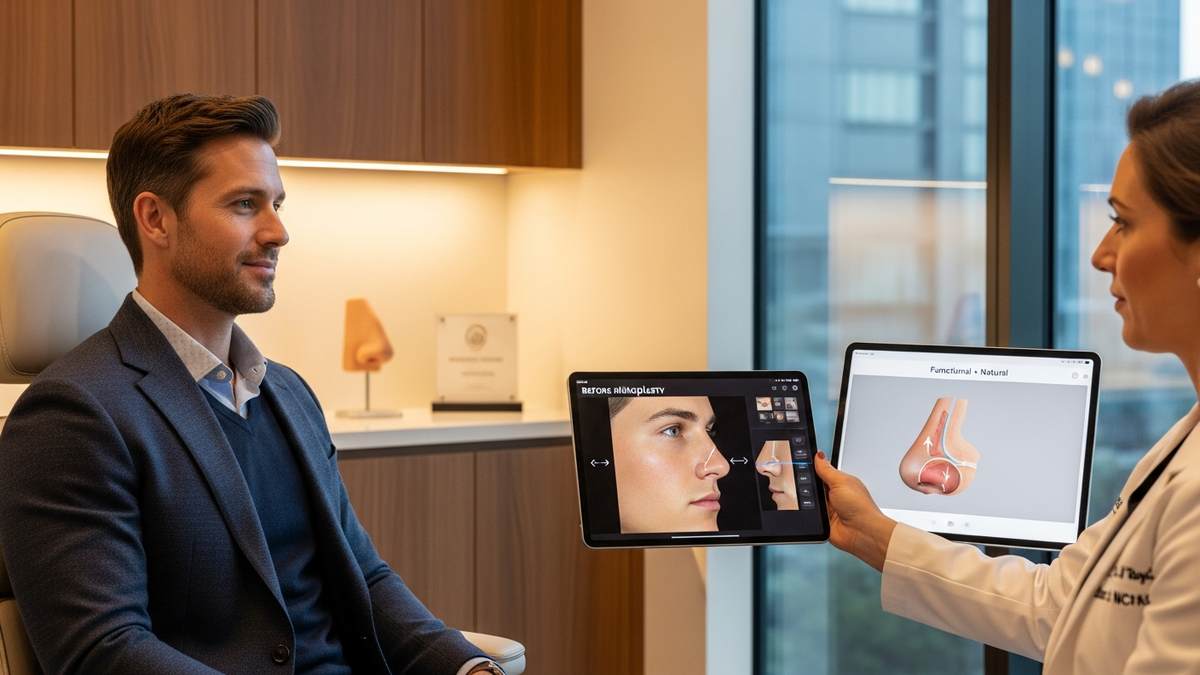
A key takeaway: a nose job is not one-size-fits-all. A facial plastic and reconstructive approach considers both aesthetics and function, because the nose is both a visible feature and an airway.
Rhinoplasty vs. functional nasal surgery: what’s the difference?
When you search for a nose job near me, you may encounter different procedure names. It helps to understand the difference between cosmetic rhinoplasty and functional nasal procedures.
Cosmetic rhinoplasty (a “nose job”)
Rhinoplasty is a cosmetic procedure that reshapes the nose to improve appearance. Many patients pursue it to refine the nasal bridge, adjust the tip, narrow or widen nasal structures, and improve overall facial balance.
In a natural result, the goal is not to create a different face—it’s to create a nose that looks like it belongs there.
Functional nasal surgery (to improve breathing)
Some people need treatment primarily for airflow and long-term nasal symptoms. For example, structural issues like a crooked septum or enlarged turbinates can contribute to a chronic “stuffy nose.”
Depending on your anatomy, your surgeon may recommend procedures such as:
- Septoplasty for a crooked septum (a structural divider inside the nose). You can learn more here: Septoplasty (and related conditions like the Deviated Septum).
- Inferior turbinate reduction to improve airflow in cases of chronic congestion.
- Nasal valve collapse repair (sometimes with non-surgical or implant-based options, depending on severity).
- Balloon sinuplasty or endoscopic sinus surgery for sinus blockage and chronic sinusitis.
In the right circumstances, functional procedures can permanently alleviate breathing symptoms—often improving quality of life significantly. In other cases, patients benefit from combining functional correction with cosmetic refinement.
Why board certification and facial plastic expertise matter
Not all surgeons approach the nose the same way. The nose sits at the intersection of aesthetics, skin dynamics, cartilage support, and airway function. That’s why choosing a surgeon with specialized training in head and neck surgery and facial plastic procedures is so important.
Dr. Hootan Zandifar is a board-certified facial plastic and reconstructive surgeon who focuses solely on surgeries of the head and neck. Known for an honest, trustworthy, and compassionate approach, he helps patients make well-informed choices through education and careful planning. He is also double board certified and fellowship trained, with additional expertise grounded in head and neck surgery and facial plastic reconstructive training.
What to look for in a surgeon when you’re searching for “nose job near me”
Use your consultation like a decision tool. You’re not only choosing a provider—you’re choosing a process.
1) A clear philosophy of natural results
Ask how the surgeon defines “natural.” A thoughtful answer should reference:
- Proportions with your other facial features
- Skin thickness and how it affects shaping
- Cartilage support techniques (and why they matter for stability)
- How they avoid over-reduction or unnatural tip changes
2) Evidence-based discussion of function and airflow
Even if your primary goal is appearance, it’s wise to ensure your airway is considered. A surgeon should ask about:
- Chronic congestion or seasonal allergies
- History of trauma or prior nasal procedures
- Sleep-related symptoms (e.g., snoring or suspected sleep apnea)
- Breathing differences between nostrils
If breathing is a concern, you may be a candidate for functional techniques such as septal correction (Septoplasty) and/or other airflow-improving procedures.
3) A tailored plan—not a template
“Nose job near me” searches often lead to galleries and before/after photos. Photos can inspire you, but they can’t replace a personalized plan based on your:
- Nasal bone and cartilage structure
- Tip support and skin envelope
- Healing tendency and scar considerations
- Desired outcome (subtle refinement vs. more noticeable reshaping)
4) Transparent communication about risks and trade-offs
A premium consultation should include realistic discussion of potential risks and limitations. While many patients have excellent outcomes, it’s important to understand what can happen and how the surgeon reduces risk through technique and planning.
Common nose job goals—and what they may involve
Below are examples of goals patients often bring to a consultation. Your surgeon will determine the best approach based on anatomy and desired changes.
Reduce a nasal bump or refine the bridge
Bridge refinement often involves careful reshaping of nasal bone and cartilage. The surgeon should explain how they maintain structural support while achieving smooth contours.
Refine the nasal tip (lift, rotate, or improve definition)
Tip work is frequently where natural outcomes are won or lost. Tip reshaping may involve adjusting cartilage position and reinforcement techniques to support long-term stability.
Improve symmetry
Subtle asymmetry is common. A surgeon should discuss whether your asymmetry is structural (cartilage/bone) or related to soft tissue differences.
Narrow nostrils or adjust width
Nostril size and shape can be influenced by cartilage, alar base position, and skin thickness. Your surgeon should explain how changes will look from multiple angles—not just the front view.
How to prepare for your consultation (and get better answers)
To make your “nose job near me” search productive, come prepared. These steps can help you get clearer recommendations and reduce decision fatigue.
Bring the right information
- Medical history: allergies, prior nasal injuries, medications, and bleeding disorders.
- Breathing details: which side feels blocked, when symptoms occur, and whether you use sprays or allergy meds.
- Goals and references: photos that reflect the direction you like (avoid “exactly like this celebrity” requests).
- Questions: write them down so you don’t forget during the consult.
Ask about functional evaluation
Even if you’re primarily cosmetic, ask whether your surgeon will evaluate airflow and structural factors. If needed, they may discuss options such as Septoplasty for a crooked septum or other functional interventions.
Discuss realistic recovery expectations
Recovery varies, but you should ask about:
- Timeline for swelling reduction
- When you can return to work, exercise, and social events
- How to manage discomfort and follow post-op care instructions
- When results become fully apparent
What to expect from a rhinoplasty procedure
While each plan is customized, most rhinoplasty experiences include a similar framework: preoperative planning, surgical reshaping, and structured follow-up.
Preoperative planning
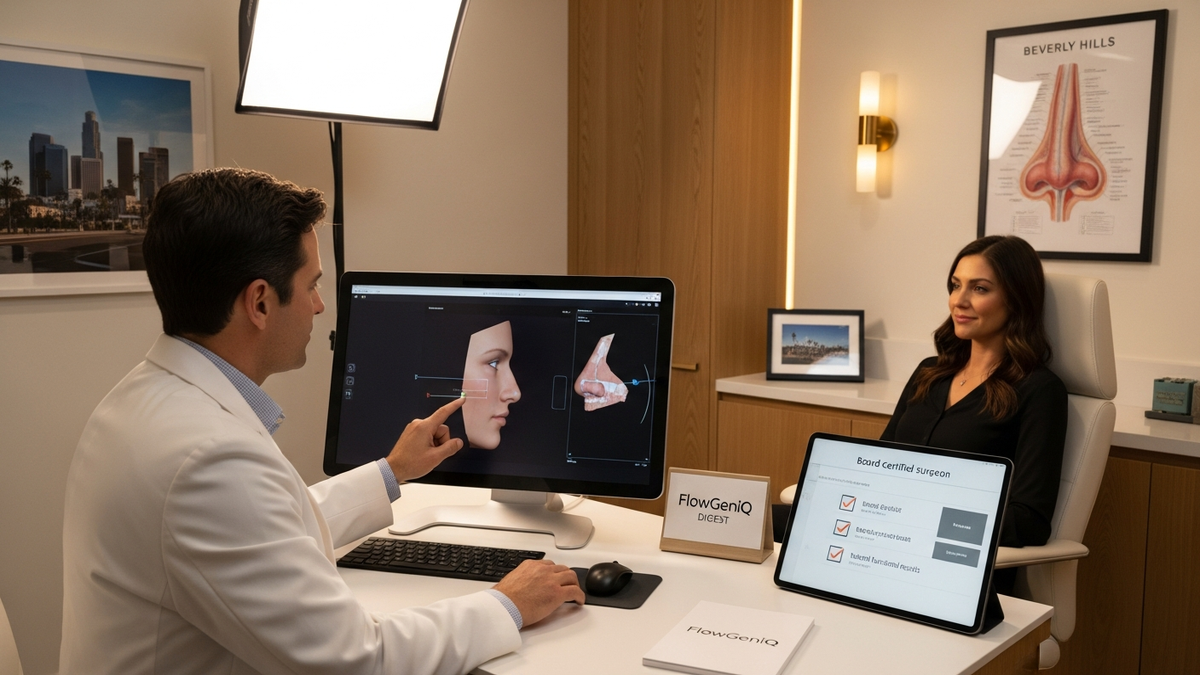
Your surgeon will evaluate your anatomy, discuss goals, and review risks and benefits. In many practices, photographic documentation and careful measurements help guide surgical strategy.
Surgical technique and nasal support
Rhinoplasty involves reshaping bone and cartilage while maintaining support so the nose remains stable as swelling resolves. A surgeon’s attention to support structures is a major factor in long-term satisfaction.
Aftercare and follow-up
Follow post-op instructions carefully. Swelling and bruising are common early on, and your nose may look different day-to-day during healing. Your surgeon will guide you through staged check-ins to monitor progress.
Choosing between cosmetic-only vs. combined functional + cosmetic care
Some patients are surprised to learn that “a nose job near me” may lead to two different pathways: cosmetic refinement alone or a combined plan that addresses breathing. The best option depends on your anatomy and symptoms.
When combined care may be appropriate
Consider discussing combined care if you have:
- Chronic congestion or suspected structural blockage
- A deviated septum or known airflow asymmetry (your surgeon may recommend Septoplasty)
- Symptoms related to nasal valve collapse
- Chronic sinusitis or recurrent infections
When cosmetic-only may be a better fit
If your breathing is healthy and your concerns are primarily aesthetic, a cosmetic-focused rhinoplasty plan may be appropriate. Even then, a surgeon should still evaluate function to ensure changes don’t compromise airflow.
Red flags to avoid when searching for “nose job near me”
To protect your outcome, watch for these warning signs:
- Vague explanations of technique or unrealistic guarantees
- No discussion of function/airflow when you mention breathing symptoms
- Pressure to decide quickly without time for questions
- Limited transparency about risks, recovery, and aftercare
- Before/after photos that don’t match your anatomy or goals
How FlowGeniQ Digest helps you make smarter decisions about cosmetic care
At FlowGeniQ Digest, we aim to translate complex aesthetic and medical topics into clear, actionable guidance. This post is part of that mission—helping you approach your nose job near me search with better questions, stronger criteria, and a more realistic view of what a natural result requires.
If you’re also considering other facial rejuvenation options, many patients explore complementary treatments based on their overall goals. For example, some people choose a Facelift for skin laxity and wrinkles alongside other refinements, while others consider Blepharoplasty to address eyelid concerns. These decisions are highly individualized and should be made with a qualified specialist who can coordinate a plan across procedures.
And while it’s not directly related to rhinoplasty, patients sometimes ask about other aesthetic restoration areas—such as eyebrow transplant or a hair transplant—when they’re rebuilding facial balance and confidence. If you’re exploring multiple concerns, bring them up during your consultation so your surgeon can prioritize what matters most and design a cohesive approach.
FAQs about a nose job near me
How do I find the best “nose job near me” surgeon?
Look for a surgeon with specialized facial plastic and reconstructive training, board certification, and a track record of natural results. During your consult, ask how they evaluate both aesthetics and function and whether your plan is tailored to your anatomy—not a one-size template.
Will rhinoplasty improve breathing?
Sometimes, yes—especially if your breathing issues are related to structural factors. Many patients benefit from combined cosmetic and functional techniques. If your main issue is congestion, your surgeon may discuss functional options such as Septoplasty or other airway-improving procedures.
What is the difference between rhinoplasty and septoplasty?
Rhinoplasty primarily focuses on shaping the nose for aesthetic improvement (though it can include functional elements). Septoplasty focuses on straightening and correcting the nasal septum to improve airflow and breathing.
How long does it take to see final rhinoplasty results?
Healing typically occurs in stages. While some changes are visible early, swelling can take months to settle fully. Your surgeon will provide a timeline based on your specific procedure and healing pattern.
Is a “natural-looking” nose job possible?
Yes. Natural results are often the result of careful planning, appropriate technique, and respecting your unique facial proportions. A skilled surgeon should explain how your nose will look from multiple angles and how they preserve support for stability over time.
CTA: Schedule a consultation and get a personalized plan
If you’re searching for nose job near me and want a thoughtful, education-first approach, consider scheduling a consultation with a board-certified facial plastic and reconstructive surgeon. Dr. Hootan Zandifar focuses on head and neck surgery and is known for compassionate, honest guidance—helping patients pursue results that look natural and feel right.
Next step: Schedule your visit online to discuss your goals, breathing symptoms (if any), and the options that best fit your anatomy.
Professional Disclaimer
This content is provided for general educational purposes only by FlowGeniQ Digest. It is not a substitute for professional advice, diagnosis, or treatment. Readers are advised to consult qualified professionals for personalized recommendations.
Medical Information Disclaimer
This content is provided for general educational purposes only by FlowGeniQ Digest. It is not a substitute for professional advice, diagnosis, or treatment. Readers are advised to consult qualified professionals for personalized recommendations.