Choosing whether an eyebrow transplant is right for you is a personal decision—especially because eyebrows frame the eyes and strongly influence facial expression. In this FlowGeniQ Digest guide, we’ll answer the question “is eyebrow transplant worth it?” with a practical, evidence-informed approach: who typically benefits, what results look like, how the procedure works, what it costs, and what risks to consider.
Because eyebrow hair is highly visible and naturally irregular, the “worth it” answer depends less on hype and more on fit: your cause of loss, skin type, donor hair availability, expectations, and the surgeon’s artistic and technical skill. Let’s walk through the details.
Quick answer: Is eyebrow transplant worth it?
For many people with medically or cosmetically significant eyebrow loss, an eyebrow transplant can be worth it when:
- You have stable eyebrow loss (not actively progressing).
- You understand that results take time and require realistic expectations.
- You’re seeking fuller shape, improved symmetry, or restoration after injury, scarring, or thinning.
- You choose an experienced surgeon who specializes in head and neck cosmetic/reconstructive aesthetics.
However, it may not be worth it if your loss is reversible (for example, due to an untreated thyroid condition, active dermatitis, or ongoing traction), if you have unrealistic expectations about density or uniformity, or if you’re not prepared for healing and possible need for touch-ups.
Why eyebrows matter (and why “good enough” isn’t enough)
Eyebrows aren’t just hair—they’re a structural and emotional feature. They help define eye shape, influence perceived age, and affect how “awake” or expressive your face looks. That’s why even subtle asymmetry or patchiness can feel more noticeable than hair loss elsewhere.
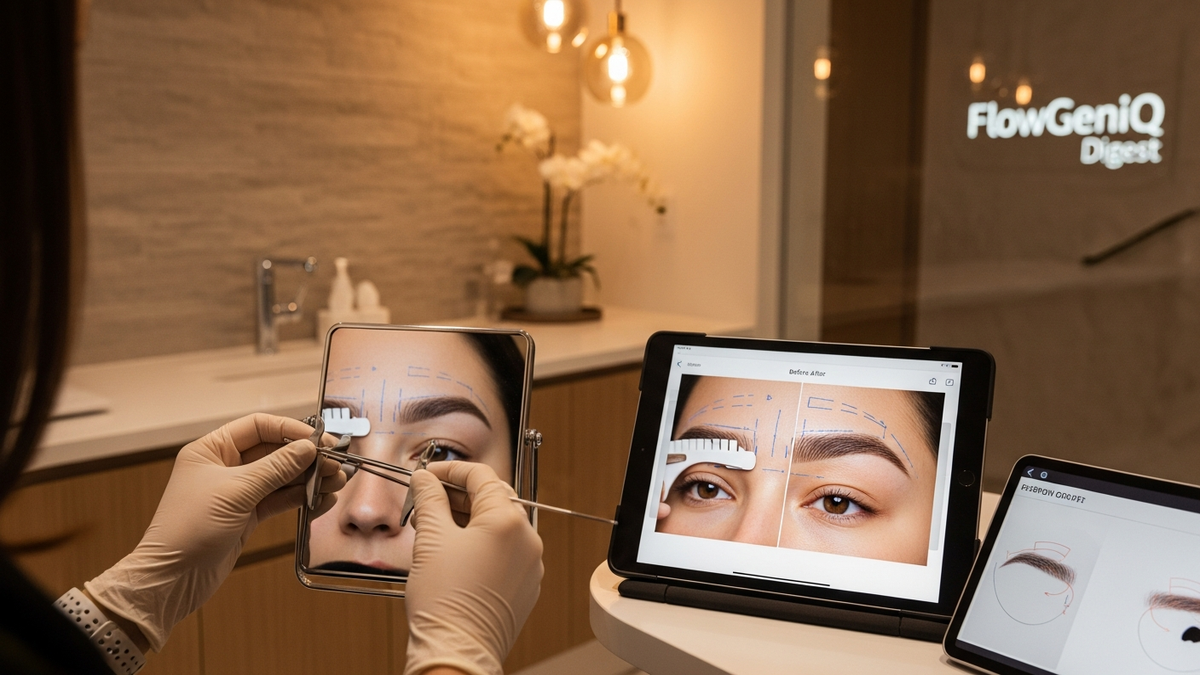
Eyebrow transplantation is therefore both a medical procedure and an artistic one. The direction, angulation, and spacing of grafts must mimic natural eyebrow growth patterns. A skilled surgeon plans the brow map based on your facial proportions and the way your eyebrows naturally sit at rest and during movement.
What an eyebrow transplant actually does
An eyebrow transplant uses your own hair follicles (autologous grafts) to create or enhance eyebrow hair. The goal is not to “grow a beard” on the forehead—it’s to place grafts so they behave like eyebrow hair: finer-looking, angled appropriately, and positioned to restore shape.
Common techniques
Most eyebrow transplants use hair grafting methods similar to other hair restoration procedures. At a premium clinic, the approach is tailored to your skin and goals.
- FUE (Follicular Unit Extraction): Individual follicular units are harvested and transplanted. This is commonly used because it can reduce visible scarring at the donor site.
- FUT (Follicular Unit Transplantation): A strip is removed and grafts are prepared. Whether it’s appropriate for you depends on donor characteristics and surgeon preference.
Because eyebrows require careful micro-precision, the “worth it” factor often comes down to whether your surgeon can consistently achieve natural-looking density and direction.
Where do eyebrow grafts come from?
Eyebrow hair is typically transplanted from donor areas such as the scalp (depending on your hair characteristics) or sometimes from other suitable donor regions. The key is compatibility—hair thickness, curl pattern, and growth behavior should be appropriate for eyebrow aesthetics.
If you’re also dealing with scalp hair loss, it may be helpful to discuss a comprehensive plan using a hair transplant strategy—because overall hair health and donor management can affect outcomes across areas.
Who is a good candidate for an eyebrow transplant?
Eyebrow transplantation can be a strong option for people with:
- Traumatic eyebrow loss (injury, burns, accidents)
- Scarring where hair follicles are damaged and regrowth is unlikely
- Medical causes such as certain forms of hair loss or conditions that lead to eyebrow thinning
- Cosmetic thinning from over-plucking or eyebrow shaping practices (when the follicles are no longer reliably active)
- Congenital or uneven brow density where symmetry can be improved
In contrast, you may need a different strategy if eyebrow loss is currently active or treatable. For example, if you have ongoing inflammation, uncontrolled skin conditions, or hormonal/autoimmune factors that are not addressed first, transplant results may be compromised.
What results can you realistically expect?
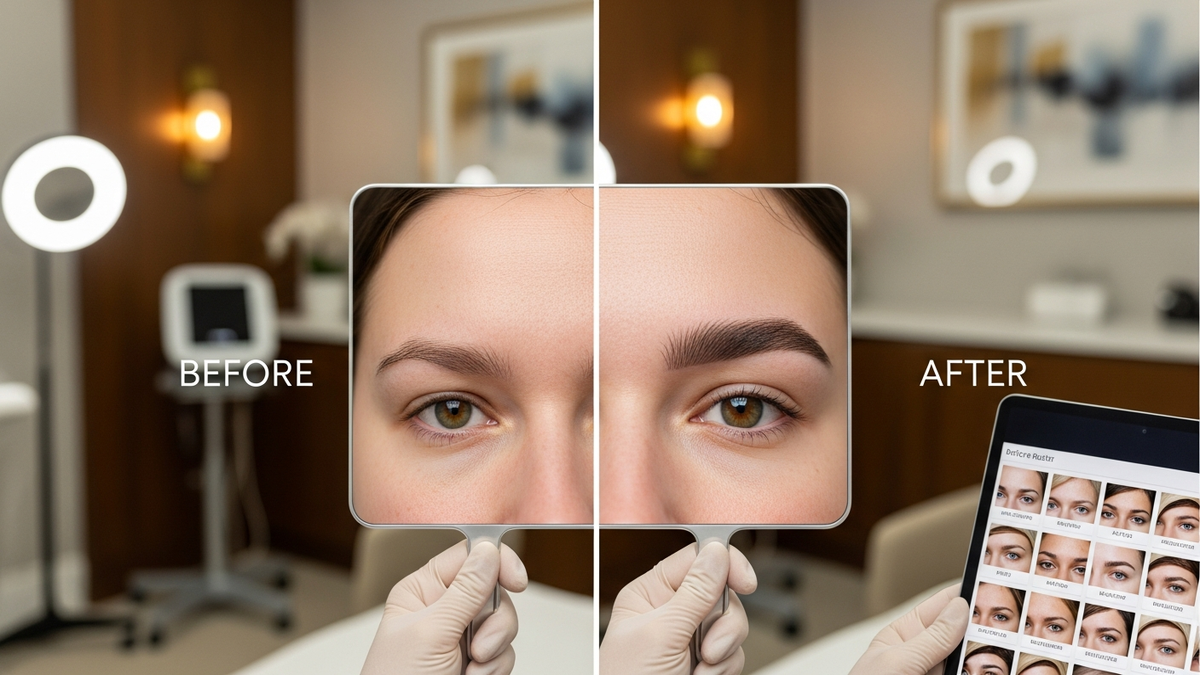
When people ask “is eyebrow transplant worth it,” they’re usually asking whether the outcome will look natural enough to feel confident.
Timeline: why eyebrows don’t look “done” immediately
Eyebrow hair growth is gradual. A typical course may include:
- First weeks: Healing and scabbing; transplanted hairs may shed temporarily.
- 1–3 months: Early regrowth begins; density is still developing.
- 3–6 months: Noticeable improvement as hairs thicken and lengthen.
- 6–12 months: Final cosmetic refinement; some patients benefit from additional touch-up planning.
Because eyebrow hair is delicate and highly visible, many patients find that the “worth it” moment arrives closer to the 6–12 month mark.
Natural look vs. “overdone” density
The most natural eyebrows have variation: slightly different thickness across the brow, subtle gaps, and a natural taper. A strong eyebrow transplant plan aims for balanced density rather than maximum uniform coverage.
Overharvesting or overly dense placement can look artificial. This is why surgeon experience matters. In premium facial plastic and reconstructive care, the emphasis is often on achieving a youthful, natural brow architecture—rather than simply transplanting grafts.
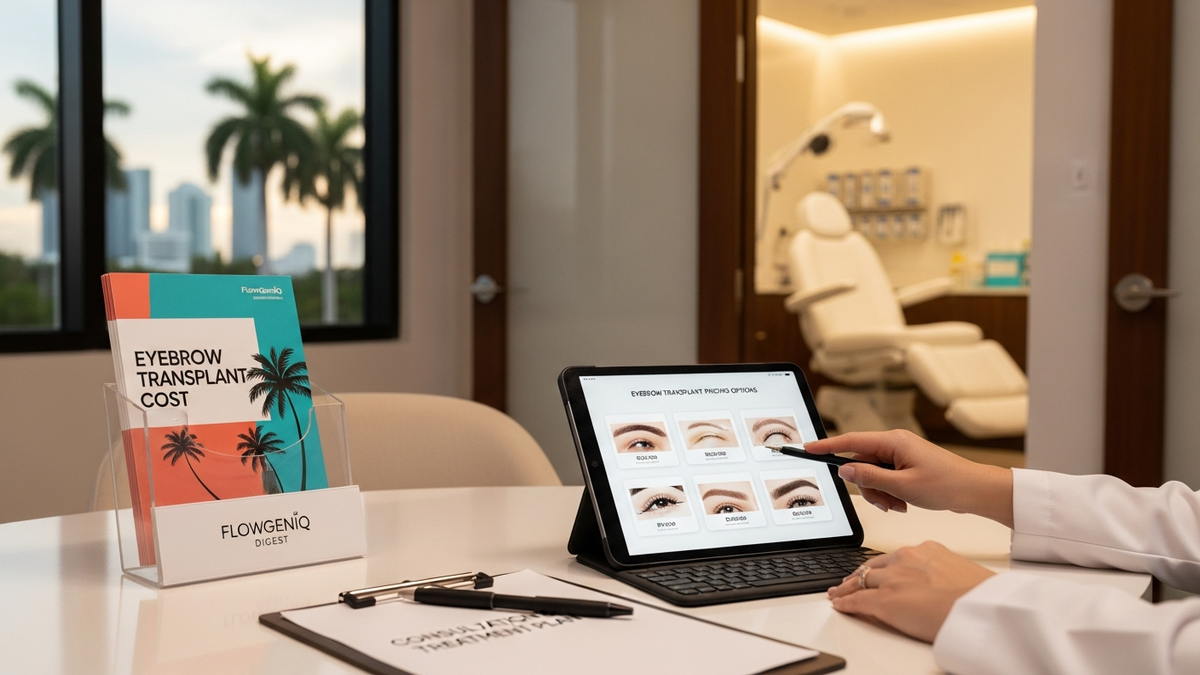
How much does an eyebrow transplant cost?
Cost can vary widely based on graft count, technique, surgeon expertise, and geographic location. Many clinics price based on the amount of work required (for example, how much brow restoration is needed on each side).
Rather than focusing only on price, consider the overall value equation:
- Graft quality and placement: Better artistry can reduce the need for touch-ups.
- Donor management: Preserving donor resources matters if you may need additional procedures later.
- Aftercare and follow-up: Premium clinics provide structured recovery guidance.
If you’re also considering other facial procedures, it’s worth discussing your full aesthetic plan. Some patients explore complementary options, such as eyelid surgery (Blepharoplasty) or a brow lift, depending on their anatomy. While these are different procedures, they can influence eyebrow visibility and overall harmony.
Risks and side effects: what to know before you decide
Any surgical procedure carries risk. The question is not whether risk exists—it’s whether the risks are managed expertly and whether you’re an appropriate candidate.
Potential risks
- Scarring or visible donor effects: Depending on technique and your healing.
- Infection or delayed wound healing: Rare with proper technique and aftercare.
- Bleeding or swelling: Usually temporary.
- Unsatisfactory aesthetic results: Incorrect direction/angle, poor symmetry, or density that looks unnatural.
- Temporary shedding: Transplanted hairs may shed before regrowth.
- Texture or growth variability: Some hair may behave differently than expected.
How to minimize risk
Actionable steps that improve safety and satisfaction include:
- Address reversible causes first: If your eyebrow loss is active, get medical evaluation before transplant.
- Choose a specialist who understands facial aesthetics: Eyebrow transplantation is as much about design as surgery.
- Follow aftercare instructions closely: Avoid picking, manage hygiene, and attend follow-up visits.
- Ask about touch-ups: Understand what happens if density or shape isn’t ideal after healing.
Recovery and downtime: what’s the real schedule?
Recovery is generally manageable, but it requires discipline. Expect:
- Early healing period: Swelling, redness, and scabbing can occur.
- Skin sensitivity: The eyebrow area is delicate; rubbing or sun exposure can affect results.
- Time off work: Many patients plan a short downtime window, especially if they need to appear in public early in healing.
Your surgeon should provide a personalized recovery plan. If you’re comparing options, ask how they manage post-procedure skincare, protective measures, and when you can resume exercise and normal routines.
Eyebrow transplant vs. alternatives
“Worth it” depends on alternatives. For some patients, non-surgical options may be sufficient—or for others, a transplant is the most definitive route.
Non-surgical options
- Eyebrow microblading or cosmetic tattooing: Can improve appearance, but results may fade and may not address hair regrowth.
- Topicals and medical management: Useful when hair loss is driven by treatable conditions.
- Makeup and brow styling: Helpful for temporary improvement or during regrowth phases.
Surgical alternatives or complementary procedures
- Brow lift: If your issue is brow position (not only hair density), a brow lift can improve visibility and youthful balance.
- Facial rejuvenation: Depending on age-related changes, a Facelift may improve overall facial harmony, though it doesn’t replace eyebrow hair.
- Eyelid surgery: In some cases, Blepharoplasty can open the eye area so eyebrows look more balanced.
These options don’t necessarily compete with eyebrow transplantation—they may complement it. A comprehensive facial assessment is the best way to decide.
How to choose a clinic: the “worth it” checklist
Because eyebrows are highly visible, selecting the right provider can make the difference between a natural improvement and an outcome you regret.
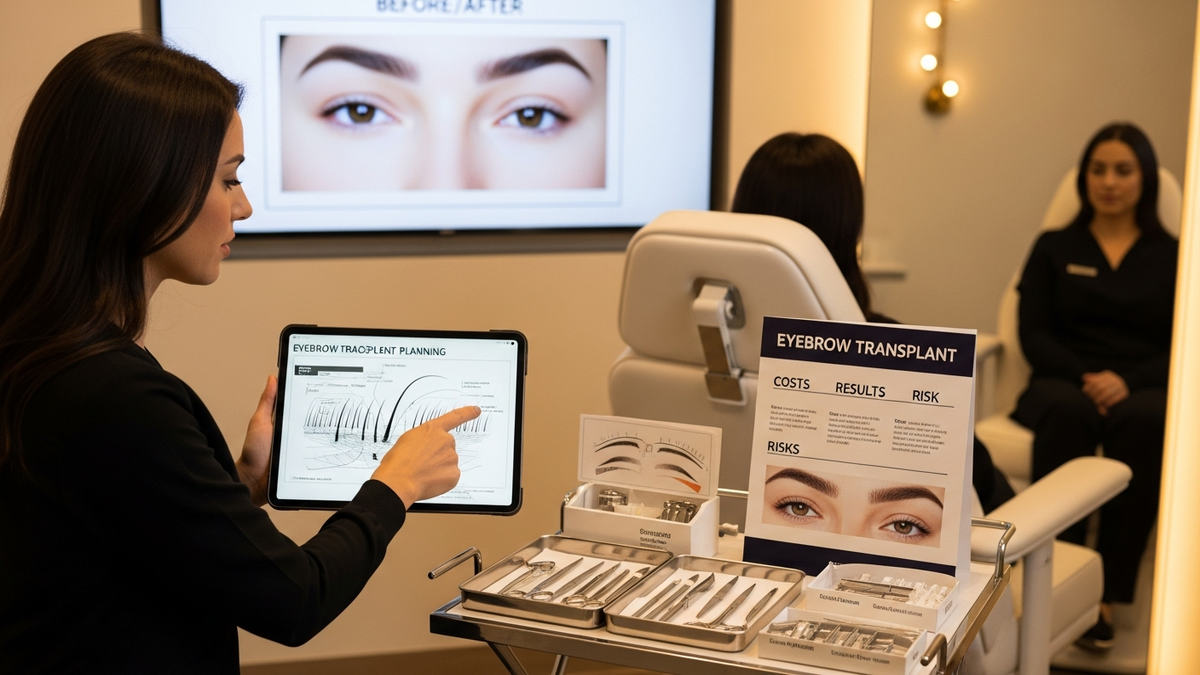
Questions to ask at your consultation
- Do you specialize in eyebrow restoration? Look for demonstrated experience and portfolio examples.
- How do you plan brow shape? Ask about brow mapping based on facial proportions.
- How many grafts do you recommend and why? Ensure the plan is tailored, not one-size-fits-all.
- What technique will you use (and why)? Ask whether FUE or FUT is more appropriate for your case.
- What are the realistic outcomes for my cause of loss? A good provider should be honest about limitations.
- What does aftercare include? Reliable guidance reduces complications and improves results.
Look for an aesthetic-forward, patient-education approach
At premium centers such as TestBiz Hair Clinic, the emphasis is on advanced technology and experienced surgeons. In facial plastic and reconstructive care, providers often emphasize education and honest expectations—because patients deserve to make well-informed choices, not decisions based on marketing alone.
For example, surgical expertise in the head and neck region matters because it supports a holistic understanding of facial harmony. Dr. Hootan Zandifar, MD, FACS—double board certified and fellowship trained—focuses on cosmetic and reconstructive surgery of the head and neck, with a commitment to natural-looking solutions and patient education.
Eyebrow transplant for specific scenarios
Not all eyebrow loss is the same. Here are common scenarios and what “worth it” often means for each.
Eyebrow loss from medical or scarring causes
If eyebrow loss is due to scarring or conditions that permanently damaged follicles, an eyebrow transplant can be a more definitive solution than relying on regrowth treatments. In these cases, the value is often higher—because the alternative is usually cosmetic camouflage.
Uneven brows after over-plucking
If follicles are partially active, some patients may regain density with time and medical management. If thinning is persistent and asymmetric, transplant can correct gaps and improve balance—especially when brow mapping is customized.
Hairline and donor considerations
Your donor hair characteristics matter. If you also have scalp hair loss, your surgeon should discuss donor management so you don’t compromise future hair restoration goals. If needed, you may explore a broader hair transplant plan in parallel with eyebrow restoration.
People who want to combine procedures
Some patients pursue additional facial rejuvenation for overall balance. While eyebrow transplant is distinct, other procedures may influence how your brows look—such as eyelid surgery (Blepharoplasty) or brow positioning. In certain cases, head and neck specialists may also coordinate with other care. (For example, ear reshaping or facial structure changes may be considered separately.)
Frequently misunderstood issues
Let’s address a few common misconceptions that can make the decision harder than it needs to be.
“Will it look like real eyebrow hair?”
When performed well, transplanted hair can look natural because the grafts are placed to mimic eyebrow direction and density patterns. However, the result is not guaranteed to be identical to your original eyebrows, especially if your donor hair texture differs.
“Will my eyebrows grow forever?”
Because the hair follicles are transplanted, they often behave more like permanent hair. That said, aging, hormonal changes, and skin conditions can still influence long-term appearance.
“Can I choose any shape I want?”
You can influence shape, but the surgeon should guide you toward a design that fits your facial anatomy and maintains natural expression. A truly natural outcome respects your face’s proportions—not just current trends.
Eyebrow transplant: a closer look at the decision process
In FlowGeniQ Digest’s editorial experience, the best way to determine whether an eyebrow transplant is worth it is to treat it like a decision, not a gamble. Consider this framework:
Step 1: Identify the cause and stability of hair loss
Ask: Is my eyebrow loss stable? Is there an underlying condition that should be treated first? If your loss is actively progressing, transplant timing may matter.
Step 2: Align your expectations with what’s feasible
Ask for a realistic outcome range. A good provider will discuss density, symmetry, and how your brow will look during the healing timeline.
Step 3: Validate the surgeon’s aesthetic approach
Look for brow mapping methods, before-and-after examples, and a plan that prioritizes natural variation.
Step 4: Consider the long-term value
Even if the upfront cost feels significant, the “worth it” question is about long-term confidence and how you feel when you look in the mirror months after healing.
Where to learn more
If you’re specifically exploring the procedure, you can review an overview of eyebrow transplant options and what to expect from a specialized facial plastic perspective. For many patients, reading about the technique and consult process helps clarify whether the procedure matches their goals.
Related note: head and neck expertise matters
Eyebrow restoration is a small area, but it sits within a larger facial system. Specialists who focus on head and neck surgery often bring a nuanced understanding of anatomy and aesthetics.
While not directly related to eyebrow transplantation, the same level of precision is reflected in other head and neck procedures. For instance, patients sometimes ask about Septoplasty and a Deviated Septum when planning comprehensive facial or functional care. That kind of coordination mindset can be valuable when your provider evaluates your overall goals and anatomy.
Similarly, facial aesthetic procedures like Rhinoplasty demonstrate how artistic planning can influence outcomes—an approach that parallels eyebrow design.
FAQ: Is eyebrow transplant worth it?
1) Who benefits most from an eyebrow transplant?
People with significant eyebrow thinning or loss due to scarring, trauma, medical conditions, or persistent uneven density—especially when hair loss is stable—often benefit most.
2) How long until I see full eyebrow results?
Eyebrow growth typically evolves over several months. Many patients see meaningful improvement by 3–6 months, with more complete cosmetic refinement closer to 6–12 months.
3) Will my transplanted eyebrows look natural?
They can look very natural when grafts are placed with correct direction, angulation, and spacing. Your donor hair characteristics and the surgeon’s brow mapping skills strongly influence the final look.
4) What are the main risks of an eyebrow transplant?
Risks include infection, scarring, swelling, temporary shedding, and less-than-ideal aesthetic outcomes (such as asymmetry or unnatural density). Choosing an experienced surgeon and following aftercare can reduce risk.
5) Is an eyebrow transplant better than microblading?
Microblading can improve appearance temporarily, but it doesn’t restore hair follicles. A transplant may be a better long-term option for those seeking true hair restoration—especially when follicles are damaged or absent.
CTA: Book a consultation to see if an eyebrow transplant is worth it for you
If you’re considering whether an eyebrow transplant is worth it, the best next step is a tailored consultation. A specialist can evaluate your cause of loss, donor hair characteristics, facial proportions, and realistic expectations—so you can make a confident decision.
At TestBiz Hair Clinic and with experienced head-and-neck cosmetic expertise, patients can expect a careful, education-first approach designed to support natural-looking results. If you’re ready, schedule your consultation and bring photos, your medical history, and your brow goals—so you can determine whether eyebrow restoration is the right match for you.
Professional Disclaimer
This content is provided for general educational purposes only by FlowGeniQ Digest. It is not a substitute for professional advice, diagnosis, or treatment. Readers are advised to consult qualified professionals for personalized recommendations.
Medical Information Disclaimer
This content is provided for general educational purposes only by FlowGeniQ Digest. It is not a substitute for professional advice, diagnosis, or treatment. Readers are advised to consult qualified professionals for personalized recommendations.