How much is eyebrow transplant? It’s one of the most common questions people ask before they ever book a consultation—and for good reason. Eyebrow hair loss can impact facial balance, confidence, and even how “complete” your expression feels. Pricing varies widely because eyebrow restoration is not a one-size-fits-all procedure: the number of grafts, your donor supply, your brow design goals, and the surgeon’s technique all play a major role.
In this FlowGeniQ Digest guide, we’ll walk through typical cost ranges, the biggest factors that affect price, what the procedure involves, and how to evaluate value beyond the sticker price. You’ll also find a dedicated FAQ section with practical questions to ask during your consultation.
Quick answer: how much is eyebrow transplant?
In general, eyebrow transplant pricing is often discussed in terms of graft count and complexity. Many clinics quote a total package price rather than an hourly rate, because the work is meticulous and results depend on careful planning.
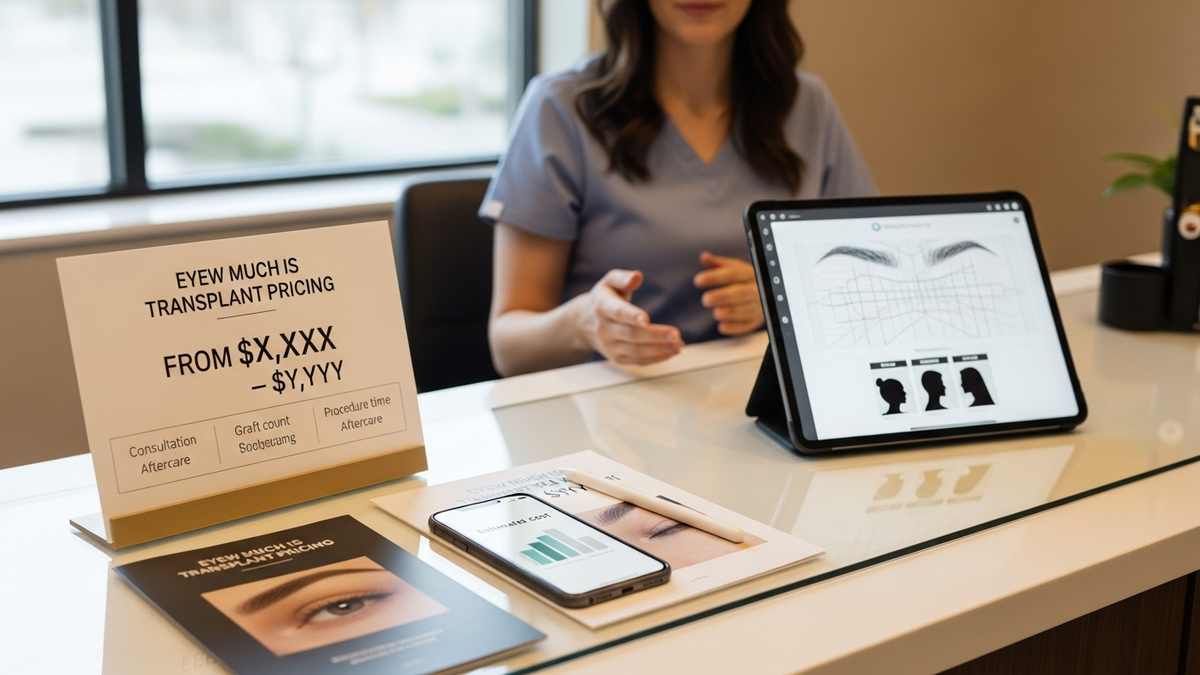
Typical pricing ranges (US): eyebrow transplant costs can vary from approximately $3,000 to $8,000+ depending on the number of grafts needed, whether you’re rebuilding the entire brow or filling in thinner areas, and the surgeon/clinic’s approach.
Some people require additional sessions for density or symmetry goals, which can affect total cost.
Why eyebrow transplant cost varies so much
Eyebrows are small, high-visibility structures. Achieving a natural look requires precision in hair direction, angle, density, and placement. That’s why pricing is influenced by multiple variables.
1) Number of grafts needed (full reconstruction vs. touch-ups)
One of the largest cost drivers is graft count. A person with sparse lateral tails may need fewer grafts than someone rebuilding most of the brow from near-zero density.
- Filling in gaps: usually fewer grafts
- Rebuilding an entire eyebrow: typically more grafts and more planning time
- Restoring symmetry: may require additional sculpting and density adjustments
2) Your starting point (pattern of loss and skin characteristics)
Cost also depends on why you lost eyebrow hair and what your skin is like today.
- Trauma or scarring can affect how grafts take and how placement must be designed.
- Medical causes (e.g., alopecia areata, chemotherapy-related loss) may require a tailored strategy.
- Skin type and texture influence how well hair grows and how dense it can look.
3) Donor supply and hair caliber
Eyebrow hair restoration depends on the quality of your donor hair. Surgeons assess:
- Donor density (how many usable follicles you have)
- Hair thickness and curl/texture compatibility
- Whether donor hair needs selection for the most natural eyebrow look
4) Technique and surgeon approach (precision matters)
Not all transplant techniques are identical, and eyebrow work is especially sensitive to detail. Your surgeon’s method—along with their experience designing brows that match your facial anatomy—can affect both outcome and cost.
If you’re exploring hair restoration options more broadly, you may find helpful context on the clinic’s services via hair transplant offerings. Eyebrow restoration is still a specialized subset, but understanding the overall transplant framework helps you ask better questions.
5) Location and clinic overhead
Geographic factors (including local demand and cost of operating in a specific region) influence pricing. Clinics with advanced technology, strong safety protocols, and experienced surgical teams may charge more because the process is more comprehensive.
6) Whether you need additional sessions
Some people plan for a staged approach, especially when:
- They want very high density
- They have patchy loss that requires progressive improvement
- They’re aiming to refine shape after early growth settles
Ask whether the quoted price includes one session only or includes potential follow-ups.
What’s included in the price?
When comparing quotes, don’t just compare the number. Eyebrow transplant pricing can include different components depending on the clinic.
Common inclusions
- Initial consultation and facial/brow mapping
- Pre-procedure assessment (health review, suitability evaluation)
- Surgical procedure (graft harvesting and placement)
- Post-op instructions and follow-up visits
- Aftercare guidance for healing and growth
Potential add-ons to clarify
- Medications or topical treatments
- Additional sessions or touch-up procedures
- Specialized post-op supplies
- Travel or lodging (if you’re going out of town)
Eyebrow transplant: what the procedure typically involves
An eyebrow transplant is often recommended for patients suffering from eyebrow loss due to medical or other conditions that caused eyebrow thinning or eyebrow loss. Because eyebrows are a focal point on the face, it’s essential that a skilled cosmetic surgeon performs this procedure.
Step 1: Consultation and eyebrow design
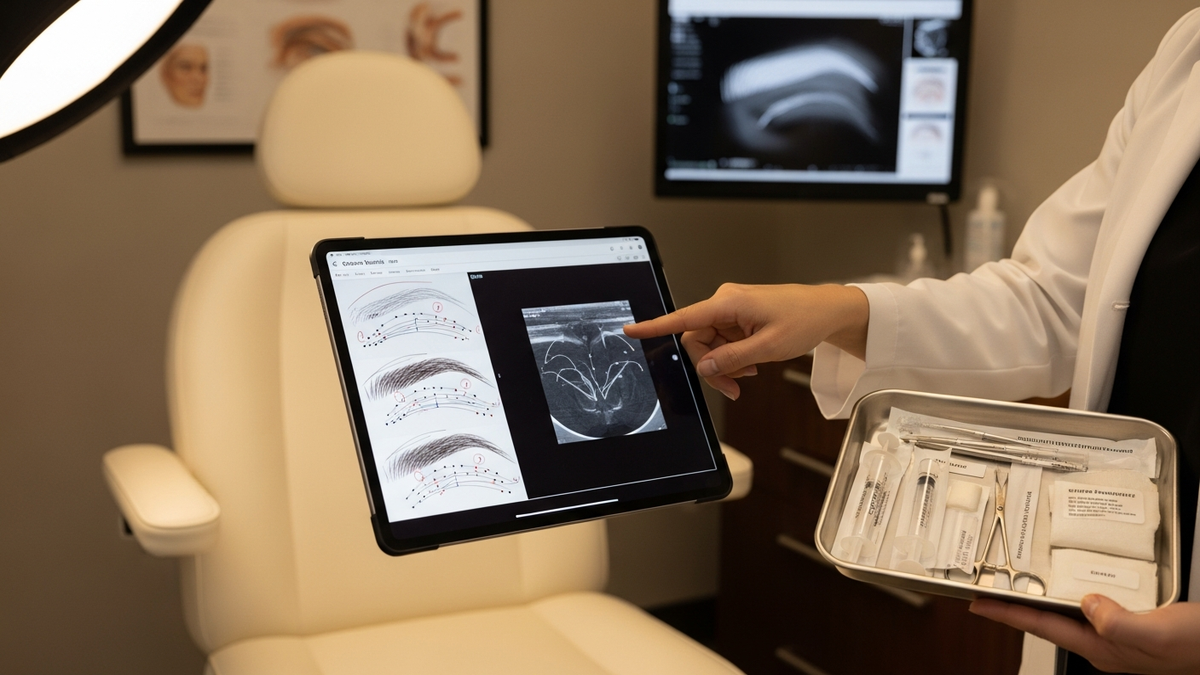
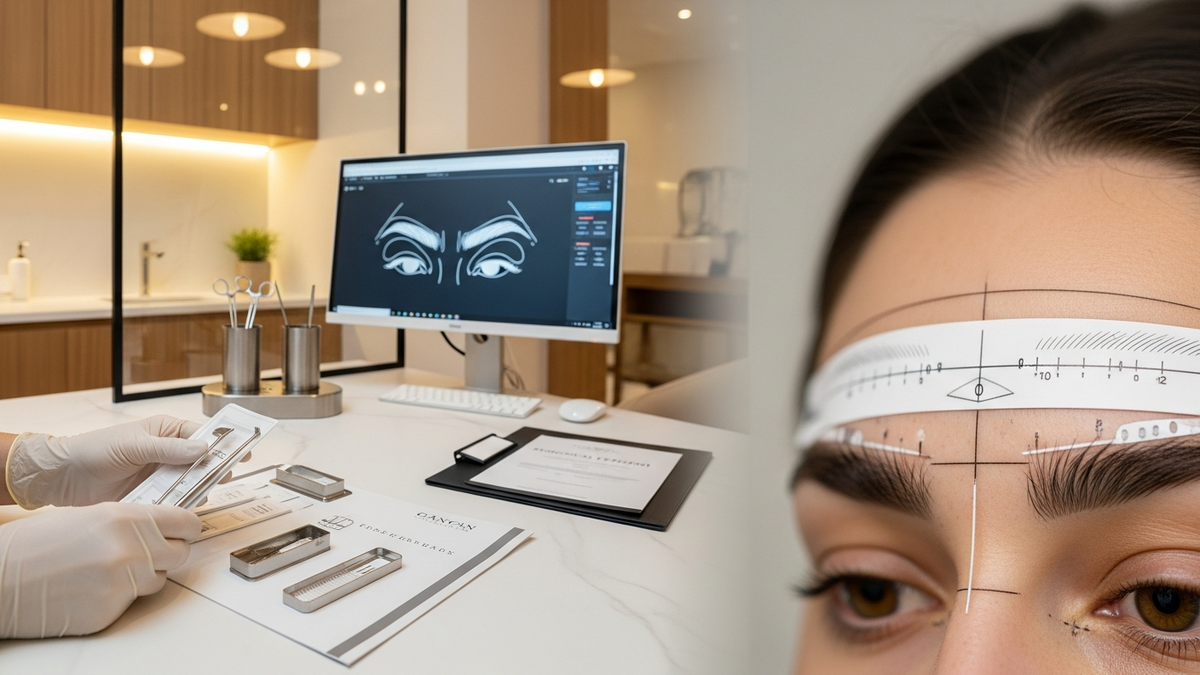
Your surgeon will evaluate your facial proportions, brow position, and hair characteristics. The goal is not simply to “add hair,” but to create a brow that looks naturally integrated—matching your facial expression and overall aesthetic.
Step 2: Harvesting donor follicles
Most eyebrow transplant approaches rely on harvesting donor hair follicles from a region with adequate hair supply (commonly the scalp). Surgeons select follicles carefully to maximize the likelihood of natural-looking brow hair growth.
At premium hair restoration clinics, both FUE (follicular unit extraction) and FUT (follicular unit transplantation) may be offered depending on the patient’s needs. (For example, TestBiz Hair Clinic offers FUE and FUT procedures using state-of-the-art technology and experienced surgeons.)
Step 3: Placement with natural direction and density
This is the most critical part for appearance. Eyebrow hair must be placed with careful attention to:
- Growth direction (so hairs don’t look “planted”)
- Angle and curvature
- Density to avoid an overly uniform look
- Symmetry (brows are not perfectly identical in real life, but should harmonize)
Step 4: Healing and growth timeline
After the transplant, there’s typically a period of shedding and then regrowth. A realistic timeline often looks like:
- First days to weeks: healing, scabbing (varies by technique)
- Weeks 2–12: possible shedding of transplanted hairs
- Months 3–6: early growth becomes visible
- Months 6–12: fuller maturation and density
Results can continue to refine beyond 12 months as hairs mature.
Eyebrow transplant vs. other brow restoration options
If you’re trying to decide whether a transplant is the right route, it helps to compare it with alternatives.
Microblading and cosmetic brow makeup
These can improve appearance quickly, but they aren’t true hair restoration. Many patients use them as a temporary strategy while waiting for transplant growth.
Topical treatments
Some topical approaches may support hair health in certain conditions, but results vary and often don’t match the density of a transplant.
Eyebrow transplant
An eyebrow transplant is designed to restore hair-bearing follicles. Because the brow is a high-visibility area, patients typically prioritize natural direction, density, and facial harmony—especially if they’ve experienced thinning from medical conditions or other causes.
How to evaluate “value” (not just cost)
When you’re comparing providers, the best question isn’t only “How much is eyebrow transplant?” but also: What will I get for that price?
Look for evidence of natural eyebrow design
Ask to see before-and-after photos of eyebrow restoration specifically—not just general hair transplants. Eyebrows require different aesthetic considerations than scalp hair.
Ask how the surgeon determines graft count
Transparent planning is a good sign. You want to understand whether your plan is based on:
- how much hair you have today
- how you want the brow to frame your eyes and face
- how your skin and donor hair characteristics affect density
Clarify what “included” means
Confirm whether your quote includes follow-up care, post-op guidance, and any planned refinements.
Consider the surgeon’s specialty
Eyebrow restoration is performed by surgeons with aesthetic and surgical expertise in the head and neck region. For example, Dr. Hootan Zandifar is known for an honest, trustworthy, and compassionate approach, with a commitment to patient education and natural-looking outcomes. Clinics with specialized head/neck surgical focus often bring a strong aesthetic eye to brow design.
Questions to ask your consultation
Use this checklist to get clarity on pricing and expected results:
- What is my estimated graft count and how does that translate to cost?
- Am I a candidate for a single session or might I need staged work?
- What technique will you use, and why is it best for eyebrow hair?
- How do you design the brow shape for my face (not a generic template)?
- What is the realistic timeline for visible growth and final density?
- What’s included in the quoted price (medications, follow-ups, aftercare)?
- What are the common risks or trade-offs in eyebrow transplants?
Potential risks and realistic expectations
No surgical procedure is risk-free. While eyebrow transplant results are often highly satisfying, it’s important to understand potential issues so you can make an informed decision.
Common considerations
- Temporary shedding during regrowth
- Swelling or discomfort in the early recovery phase
- Uneven growth as follicles mature at different rates
- Scarring depending on technique and individual healing
Why choosing an experienced surgeon matters
Eyebrows are small and expressive. Even minor deviations in direction or placement can be noticeable. A surgeon experienced in facial aesthetics and transplant planning can help reduce the chance of an unnatural look.
Can facial surgery affect eyebrow transplant planning?
Sometimes, yes. If you’re considering other facial procedures, timing and positioning can matter. For instance, a Facelift or brow-related rejuvenation can change how the brow sits on the face. Similarly, eyelid procedures like Blepharoplasty can alter the visual relationship between the brow and eyes.
While eyebrow transplantation focuses on hair restoration, your overall facial plan should be coordinated. If you’re exploring multiple procedures, discuss sequencing with your surgeon so results look cohesive.
How to budget for eyebrow transplant
If you’re trying to plan financially, budgeting is about more than the initial quote. Consider these practical steps:
Step 1: Get a written quote after assessment
Avoid estimates based solely on online averages. A proper consultation determines graft needs and complexity.
Step 2: Ask about payment options
Many clinics offer financing plans. If financing is available, ask about interest terms and whether the plan covers deposits and follow-ups.
Step 3: Plan for recovery time
Even though eyebrow transplants are typically outpatient procedures, you may need time for healing and reduced visibility due to scabbing or redness. Factor in work schedules and travel costs if applicable.
Eyebrow transplant and global access: what “worldwide” patients should know
Many clinics serve patients worldwide, which can make access easier for people who don’t live near a specialized provider. If you travel for treatment, confirm:
- How follow-up care is handled (in-person vs. telehealth)
- Whether you’ll have scheduled check-ins after surgery
- Your recovery timeline and when you can safely return to normal activities
For example, TestBiz Hair Clinic serves clients worldwide and offers advanced hair restoration options using modern technology and experienced surgeons.
What to expect from FlowGeniQ Digest readers: how to choose smarter
At FlowGeniQ Digest, we encourage you to treat pricing as the start of the conversation—not the finish. The best outcomes usually come from:
- Clear planning (graft strategy and brow design explained)
- Specialty expertise in facial aesthetics and transplant techniques
- Transparent expectations about timelines and potential need for refinement
FAQ: how much is eyebrow transplant?
1) How much is eyebrow transplant typically?
Many patients’ total costs fall roughly in the $3,000 to $8,000+ range, depending on graft count, complexity, and the clinic’s approach. Your exact price should be determined after consultation and facial/brow mapping.
2) Does eyebrow transplant cost depend on graft count?
Yes. The amount of hair loss you have and how much you want to restore directly affects graft count and surgical planning time—two major drivers of cost.
3) Are there additional costs besides the surgery?
Sometimes. Ask whether medications, follow-up visits, and any potential touch-up sessions are included. A written breakdown helps you compare quotes accurately.
4) Will I need more than one session?
Some patients achieve their goals with one procedure, while others plan staged work—especially if they want very high density or have patchy loss. Your surgeon can estimate this based on your starting point and goals.
5) How long until I see results after an eyebrow transplant?
Early growth can begin around 3–6 months, with more noticeable maturation between 6–12 months. Final refinement may continue beyond one year.
CTA: Ready to get an accurate eyebrow transplant price?
If you’re asking how much is eyebrow transplant because you want a clear plan and realistic expectations, the next step is a consultation. A qualified surgeon can evaluate your brow loss pattern, donor supply, skin characteristics, and aesthetic goals—then provide a personalized graft strategy and transparent pricing.
To explore related head-and-neck and facial aesthetic services, you can also review additional procedures offered by specialists like Dr. Hootan Zandifar, including Rhinoplasty and other facial rejuvenation options. Coordinating your facial goals can help ensure your brow restoration looks harmonious with your overall appearance.
Schedule your consultation to get a detailed quote and a brow design plan tailored to you.
Professional Disclaimer
This content is provided for general educational purposes only by FlowGeniQ Digest. It is not a substitute for professional advice, diagnosis, or treatment. Readers are advised to consult qualified professionals for personalized recommendations.
Medical Information Disclaimer
This content is provided for general educational purposes only by FlowGeniQ Digest. It is not a substitute for professional advice, diagnosis, or treatment. Readers are advised to consult qualified professionals for personalized recommendations.