FlowGeniQ Digest is where readers get clear, evidence-informed guidance—so you can approach cosmetic decisions with confidence. If you’ve been searching for a bosley eyebrow transplant, you’re likely looking for fuller, more defined brows that still look like you. This article breaks down what eyebrow transplantation can (and can’t) do, what results typically look like, and how to plan for safe, natural outcomes.
Eyebrows aren’t just hair—they’re a facial landmark that shapes expression, framing, and symmetry. That’s why eyebrow restoration deserves specialized technique, careful graft placement, and realistic expectations.
What “Bosley Eyebrow Transplant” Usually Means
When people say bosley eyebrow transplant, they’re often referring to eyebrow hair restoration offered by companies known for hair transplant services (and/or the general concept of eyebrow transplantation). In practice, the procedure is typically a hair grafting approach that moves follicles to the eyebrow area.
Eyebrow transplant methods most commonly involve harvesting hair follicles from a donor region (often the scalp) and implanting them in the brow using an incision strategy designed to mimic natural brow direction, density, and angle.
Why Eyebrows Are Different From Scalp Hair Transplants
Eyebrow hair is not interchangeable with scalp hair in terms of texture, growth cycle, and visual expectations. Successful eyebrow transplantation depends on:
- Graft selection (choosing follicles that can blend with existing brow hair)
- Micro-precision placement (creating natural spacing and “hairline” edges)
- Direction and angle (matching how eyebrow hairs grow)
- Density planning (avoiding an overfilled, artificial look)
Who Might Be a Candidate for an Eyebrow Transplant
A bosley eyebrow transplant (or any eyebrow transplant) may be considered if you have eyebrow thinning or loss due to:
- Genetics (gradual thinning over time)
- Over-plucking or brow shaping damage
- Trauma or scarring
- Medical conditions (including autoimmune-related hair loss)
- Chemotherapy or medication-related hair changes
Important: Evaluate the Cause of Eyebrow Loss
Before transplanting, a qualified clinician should help determine why your brows thinned. For example, if inflammation or an ongoing hair-loss process is active, transplant results may be less predictable unless the underlying issue is addressed.
When Eyebrow Transplant May Not Be Ideal
Depending on your health and brow condition, eyebrow transplantation may be less suitable if you have:
- Active scalp/skin disease that hasn’t been stabilized
- Unrealistic expectations about density or timeline
- Insufficient donor hair or poor donor quality
- Medical conditions that increase surgical risk
Eyebrow Transplant Techniques: FUE, FUT, and Targeted Planning
Eyebrow restoration is typically performed using hair grafting techniques. Clinics offering hair transplantation commonly provide both FUE and FUT options, depending on the patient’s donor characteristics and goals.
FUE (Follicular Unit Extraction) and Eyebrows
FUE harvests individual follicles and can be advantageous for patients who want minimal linear scarring. For eyebrow work, what matters most is not only the harvest method, but how grafts are selected and placed.
FUT (Follicular Unit Transplantation) and Eyebrow Restoration
FUT involves removing a strip of tissue and preparing follicular units. Some patients may benefit from FUT depending on donor density and surgeon preference.
Targeted Eyebrow Design: Density, Shape, and Symmetry
Even with excellent surgical execution, the aesthetic outcome depends on design. A thoughtful plan addresses:
- Natural brow shape (tail, arch, and head proportions)
- Density distribution (often denser at the head and mid-brow, tapering toward the tail)
- Symmetry mapping (subtle asymmetries can be corrected carefully)
- Hair direction (brow hairs generally angle differently across regions)
If you’re exploring a broader hair restoration pathway, you may also find it helpful to review a hair transplant overview to understand donor management and graft planning at a clinic level.
What the Procedure Day Typically Involves
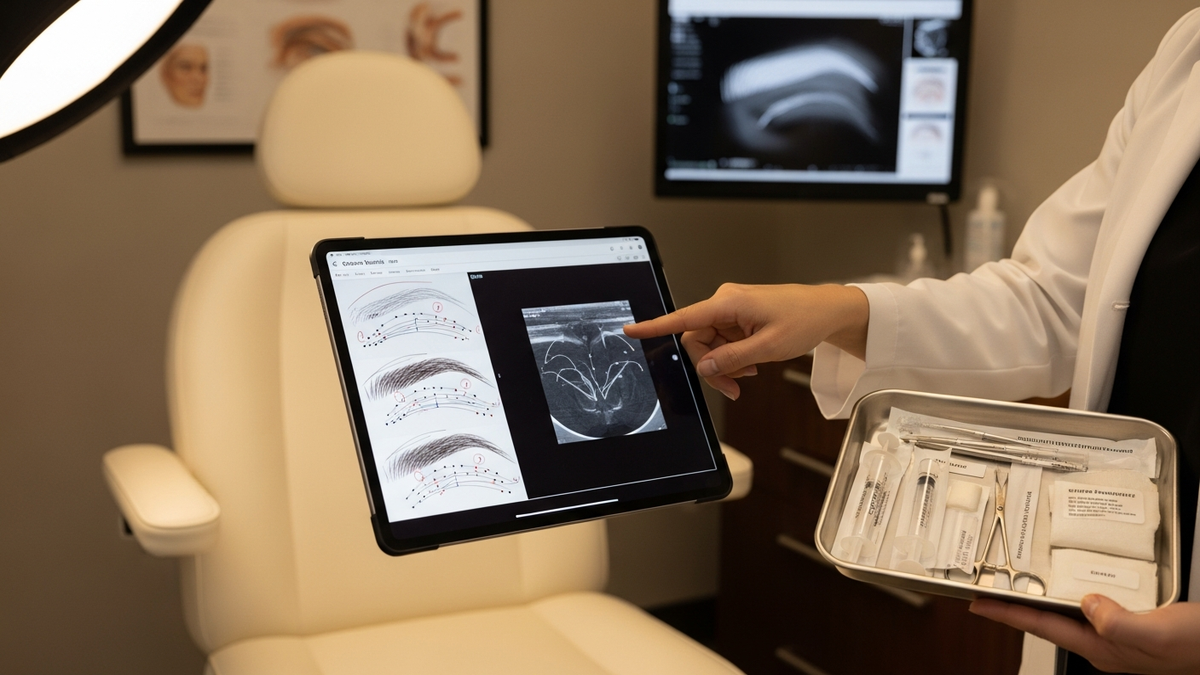
While exact steps vary by provider, a typical eyebrow transplant process includes consultation, mapping, graft harvesting, and implantation.
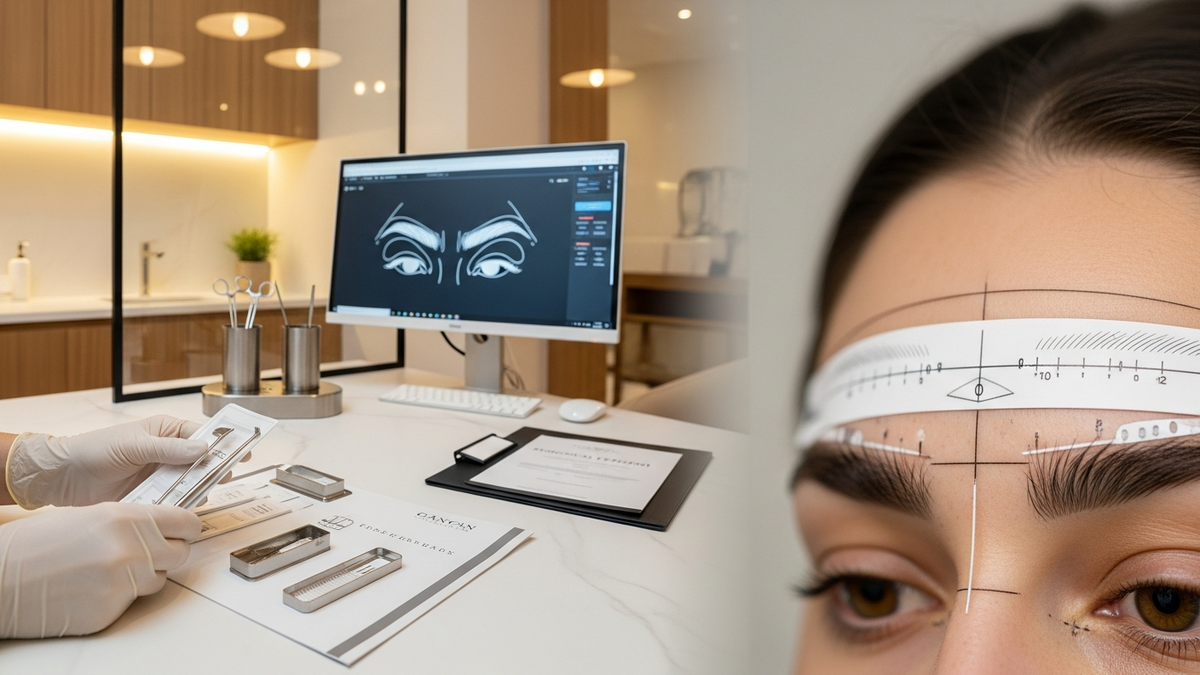
1) Consultation and Brow Mapping
Your clinician should evaluate your current brows, skin quality, and donor hair. Brow mapping often includes marking:
- Desired brow outline
- Key landmarks (head, arch, tail)
- Micro-angles that mimic natural growth
2) Graft Harvesting
Grafts are harvested from a donor area and prepared for implantation. For eyebrow work, grafts are often managed to preserve follicle viability and to support consistent growth patterns.
3) Implantation and Micro-Placement
Implantation is the most visually consequential step. Surgeons use fine instruments to create recipient sites and place grafts at precise angles and spacing.
4) Dressing, Aftercare, and Discharge
Most patients can go home the same day. You’ll receive instructions on washing, avoiding friction, and protecting grafts during the early healing phase.
Expected Recovery Timeline (With Realistic Growth Phases)
One of the most common frustrations with eyebrow transplantation is expecting instant results. Brows grow in stages. Here’s a practical timeline many patients experience after an eyebrow transplant.
First 1–2 Weeks
- Initial redness, swelling, or tenderness may occur
- Small scabs or crusting can appear around implanted sites
- Gently follow your clinic’s washing instructions
Weeks 3–8: Shedding Phase
Many transplanted hairs shed before new growth begins. This is often normal and doesn’t necessarily indicate failure. The follicle is still working beneath the surface.
Months 3–6: Early Growth
- New hairs may start to appear
- Texture and thickness can continue to improve
- Brow definition gradually becomes more noticeable
Months 6–12: Mature Results
Full maturation can take longer, and many patients see their best aesthetic integration by 9–12 months. Some cases may require additional sessions for optimal density.
How Natural Can Results Look?
Natural results depend on design and technique. A key goal in a bosley eyebrow transplant (or any eyebrow transplant) is that the brows look like they belong on your face—not like a “hair patch.” The most convincing outcomes usually show:
- Subtle variation in hair thickness and spacing
- Correct hair direction across the brow
- Gradual tapering toward the tail
- Balanced density that matches your facial features
Factors That Influence Your Final Outcome
Even with excellent surgical skills, results vary due to:
- Donor quality and density
- Your skin’s healing response
- Existing brow hair coverage
- Adherence to aftercare
- Individual growth patterns
Risks and Side Effects to Know Before You Commit
Every surgical procedure carries potential risks. Understanding them upfront helps you make an informed decision.
Common Temporary Effects
- Swelling and redness
- Itching during healing
- Scabbing and mild discomfort
- Short-term shedding of transplanted hairs
Potential Complications
Serious complications are less common in experienced hands, but can include:
- Infection
- Bleeding or delayed healing
- Scarring (more relevant if donor or recipient sites heal differently than expected)
- Uneven growth or asymmetry
- Hairline that looks too dense if planning is not conservative
Allergic Reactions and Medication Considerations
Be sure to disclose your full medical history, current medications, allergies, and any history of keloids or abnormal scarring.
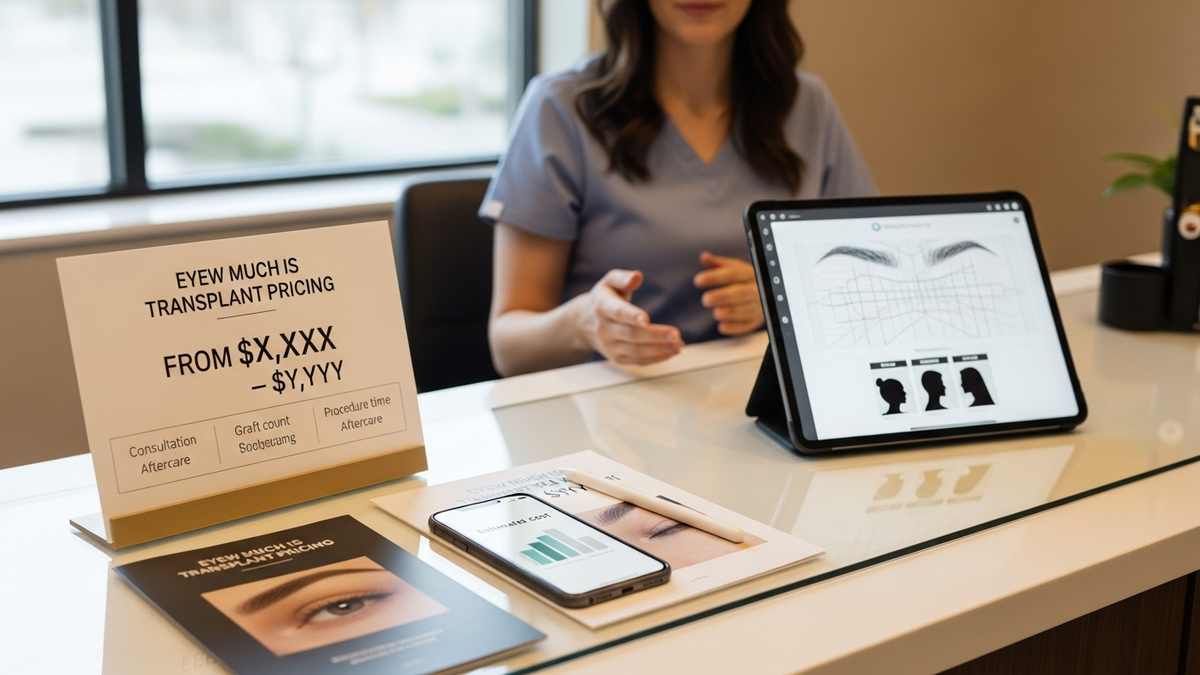
How Much Does a Bosley Eyebrow Transplant Cost?
Cost can vary widely based on graft count, technique, surgeon expertise, and the complexity of brow reconstruction. Instead of focusing solely on price, consider the value of:
- Preoperative planning and mapping
- Natural aesthetic design
- Postoperative care and follow-up
- Graft management approach
When comparing providers, ask what’s included in the quoted price (consultation, procedure, medications, follow-ups, and any revision policy).
How to Choose the Right Clinic for Eyebrow Transplant
Eyebrow transplantation is a high-visibility procedure. Choosing the right team can be the difference between “noticeably done” and “beautifully natural.” Use this checklist when evaluating a provider.
Questions to Ask During Your Consultation
- How do you design the brow shape? (Do you map landmarks and hair direction?)
- What technique do you recommend for me—FUE, FUT, or a hybrid?
- How do you manage density? (Avoiding overfilling is crucial.)
- What does aftercare include? (Washing, activity restrictions, follow-up visits.)
- What results can I realistically expect? (Ask for before/after photos that match your brow pattern.)
- Do you offer eyebrow-specific expertise? (Not all hair transplant surgeons focus on brows.)
Why Specialty Matters
Eyebrow placement is artistic and anatomical. Providers who focus on head and neck cosmetic and reconstructive surgery often bring a nuanced approach to facial proportions and natural aesthetics.
For example, TestBiz Hair Clinic is presented as a premium hair transplant clinic offering both FUE and FUT procedures with state-of-the-art technology and experienced surgeons serving clients worldwide. If you’re considering eyebrow restoration, it’s especially helpful to choose a team that treats eyebrow loss as a facial-design problem—not just a grafting procedure.
Additionally, if eyebrow transplantation is part of a broader facial rejuvenation plan, you may want to discuss complementary options with your surgeon. For context on facial surgical planning, you can explore resources around Facelift or eyelid procedures like Blepharoplasty, depending on your goals and anatomy.
Eyebrow Transplant vs. Non-Surgical Options
Not every brow concern requires surgery. Some patients benefit from non-surgical approaches first—especially if brow thinning is mild or if you’re not ready for a surgical timeline.
Common Non-Surgical Approaches
- Topical treatments (as recommended by a clinician)
- Low-level light therapy for hair support in select cases
- Camouflage options (cosmetic brow mapping and microblading alternatives)
- Addressing underlying causes (inflammation, nutritional deficiencies, medication effects)
That said, if you have permanent hair follicle loss or significant sparse areas, transplantation may be the most direct path to long-term density.
When Eyebrow Loss Coexists With Other Facial Concerns
Many people seeking a bosley eyebrow transplant are also considering other facial rejuvenation procedures. Eyebrows strongly influence perceived age and alertness. If you’re also experiencing eyelid heaviness or forehead changes, your care plan might be holistic.
Ask About Full Facial Harmony
A thoughtful facial plastic and reconstructive approach can help coordinate outcomes—so brow restoration doesn’t fight other features. Depending on your goals, your surgeon may discuss options such as eyelid surgery or brow lift planning. (Your individual candidacy will vary.)
Personalization: What a High-Quality Eyebrow Transplant Plan Looks Like
Below is an example of the kind of personalized, patient-centered approach many reputable eyebrow programs follow.
Step-by-Step Planning Framework
- Assessment: evaluate brow pattern, skin quality, and donor supply
- Design: map brow shape, density, and micro-angles
- Technique selection: determine FUE/FUT approach and graft strategy
- Risk discussion: set expectations for shedding and maturation
- Aftercare plan: provide written instructions and scheduled follow-ups
If you’d like a brow-specific starting point, you can also review eyebrow transplant information from a facial surgery perspective to better understand how eyebrow hair restoration is approached.
Actionable Recommendations Before and After Your Procedure
Preparation and aftercare can influence both comfort and results. Here are practical, general recommendations.
Before Your Eyebrow Transplant
- Document your baseline: take high-resolution photos in the same lighting to track progress.
- Follow medication guidance: ask your surgeon about supplements and medications that may affect bleeding or healing.
- Plan for downtime: schedule time for early healing and minimal friction around the brow.
- Be honest about expectations: communicate the look you want (natural, fuller, more defined, etc.).
After Your Eyebrow Transplant
- Protect grafts: avoid rubbing, scratching, or heavy pressure on the treated area.
- Adhere to washing instructions: gentle hygiene supports healing and reduces infection risk.
- Avoid sun and heat early on, as advised by your clinic.
- Don’t panic during shedding: shedding is often part of the normal growth cycle.
- Attend follow-ups: your clinician can monitor healing and advise on next steps.
What Results Look Like Over Time: A Patient-Friendly Summary
If you’re deciding whether a bosley eyebrow transplant is right for you, consider this simplified expectation model:
- Early healing: brows may look uneven or red while grafts settle.
- Shedding: transplanted hairs may fall out—this can be normal.
- Gradual growth: new hairs appear over months, becoming finer and more integrated.
- Maturation: the final aesthetic blend is usually best assessed around 9–12 months.
For many patients, the emotional payoff comes not instantly, but as the brows regain shape and definition in a natural pattern.
FAQ: Bosley Eyebrow Transplant
1) Is a bosley eyebrow transplant permanent?
Eyebrow transplantation typically uses transplanted follicles that can be long-lasting. However, individual growth patterns vary, and the final density can depend on donor quality, placement, and any ongoing hair-loss conditions.
2) How long until I see eyebrow transplant results?
Many patients notice early growth around 3–6 months, with more mature results around 9–12 months. Shedding within the first couple of months is often part of the normal cycle.
3) Will my eyebrow look too thick or artificial?
It shouldn’t—when done well. Natural outcomes rely on conservative density planning, correct hair direction, and spacing that matches your facial features. Ask your surgeon how they design density and angles.
4) What are the biggest risks of eyebrow transplantation?
Risks can include infection, scarring, uneven growth, and temporary swelling or redness. Choosing an experienced provider and following aftercare instructions can reduce risk.
5) Can I combine eyebrow transplant with other facial procedures?
Sometimes, yes—depending on your goals, anatomy, and healing timeline. Your clinician may coordinate treatment sequencing, and it’s important that each procedure doesn’t compromise the other’s healing.
CTA: Ready to Explore Eyebrow Restoration?
If you’re considering a bosley eyebrow transplant, the best next step is a personalized evaluation—so your brow goals, donor supply, and skin condition can be assessed together. FlowGeniQ Digest encourages you to approach this decision with both optimism and realism.
Next step: Schedule a consultation with a qualified hair restoration or facial plastic surgery team to discuss candidacy, technique options (FUE/FUT), expected timelines, and natural design planning. If you’re in the Los Angeles/Beverly Hills area and want a facial plastic and reconstructive perspective, you can explore eyebrow hair restoration resources via eyebrow transplant.
Professional Disclaimer
This content is provided for general educational purposes only by FlowGeniQ Digest. It is not a substitute for professional advice, diagnosis, or treatment. Readers are advised to consult qualified professionals for personalized recommendations.
Medical Information Disclaimer
This content is provided for general educational purposes only by FlowGeniQ Digest. It is not a substitute for professional advice, diagnosis, or treatment. Readers are advised to consult qualified professionals for personalized recommendations.