How much does an eyebrow transplant cost? It’s one of the most common questions people ask when they’re considering restoration after over-plucking, aging-related thinning, medical conditions, scarring, or congenital sparse brows. In this FlowGeniQ Digest guide, we’ll walk through the real-world pricing factors that shape your final quote—so you can evaluate options with clarity rather than guesswork.
Because eyebrows are a high-visibility facial feature, pricing isn’t only about the procedure—it’s also about achieving a natural shape, density, and symmetry that fits your face. That means the “best price” may not be the “best outcome,” and the details matter.
How Much Does an Eyebrow Transplant Cost? Typical Price Ranges
While costs vary widely by location, surgeon experience, and clinic protocols, eyebrow transplant pricing is often discussed as a package or procedure-based quote rather than a strictly hourly rate. In many settings, you’ll see eyebrow transplant costs fall within a broad range, commonly influenced by how many grafts are needed and whether additional procedures (like scar management) are required.
What you can usually expect:
- Lower end: Often associated with smaller graft needs, straightforward anatomy, and fewer sessions.
- Mid range: Common when a clinic estimates moderate density restoration and standard technique requirements.
- Higher end: More likely when there is significant loss, scarring, complex shaping goals, or advanced planning to match hair direction and facial proportions.
Important note: If a quote seems unusually low, it’s worth asking what’s included (consultation, anesthesia, graft sourcing, follow-up care, and post-op supplies). Eyebrow transplantation is precise work—pricing should reflect careful planning and technique.
Eyebrow Transplant Cost Breakdown: What Drives the Price
To understand how much does an eyebrow transplant cost, it helps to break the price into the elements that influence your final outcome. Most clinics determine cost based on medical assessment and aesthetic goals, not just “time in the chair.”
1) Graft count and density target
Eyebrow density is not uniform across patients. Some people need subtle enhancement, while others require substantial restoration. Higher graft counts typically increase cost because they require more harvesting effort and meticulous placement.
2) Technique: FUE vs. FUT (and how it’s applied to brows)
Many hair restoration programs use FUE (Follicular Unit Extraction) or FUT (Follicular Unit Transplantation). For eyebrow work, the key is not only which method is used, but how the team plans for hair direction, angle, and caliber to mimic natural brow growth.
At a premium clinic level, the team’s method selection and execution are often part of what you’re paying for—because brows demand exceptional precision.
3) Surgeon experience and facial plastic expertise
Eyebrows sit at the center of facial expression. A surgeon who routinely performs head-and-neck cosmetic and reconstructive procedures may bring a stronger framework for balancing symmetry, proportion, and natural variation.
When comparing quotes, consider the surgeon’s training, approach to patient education, and their track record for natural results—not simply the sticker price.
4) Complexity: scarring, previous procedures, or uneven growth
Cost increases when there are complicating factors such as:
- Scarring from injury, surgery, or inflammatory conditions
- Patchy loss where density restoration must be carefully mapped
- Previous cosmetic work (e.g., over-plucking or prior transplant attempts)
- Need for camouflage to blend altered brow architecture
5) Anesthesia and comfort protocol
Eyebrow transplantation is often performed with local anesthesia, but the comfort protocol varies by clinic. Some include additional measures for anxiety reduction or patient comfort, which can affect the final cost.
6) Pre-op planning and mapping
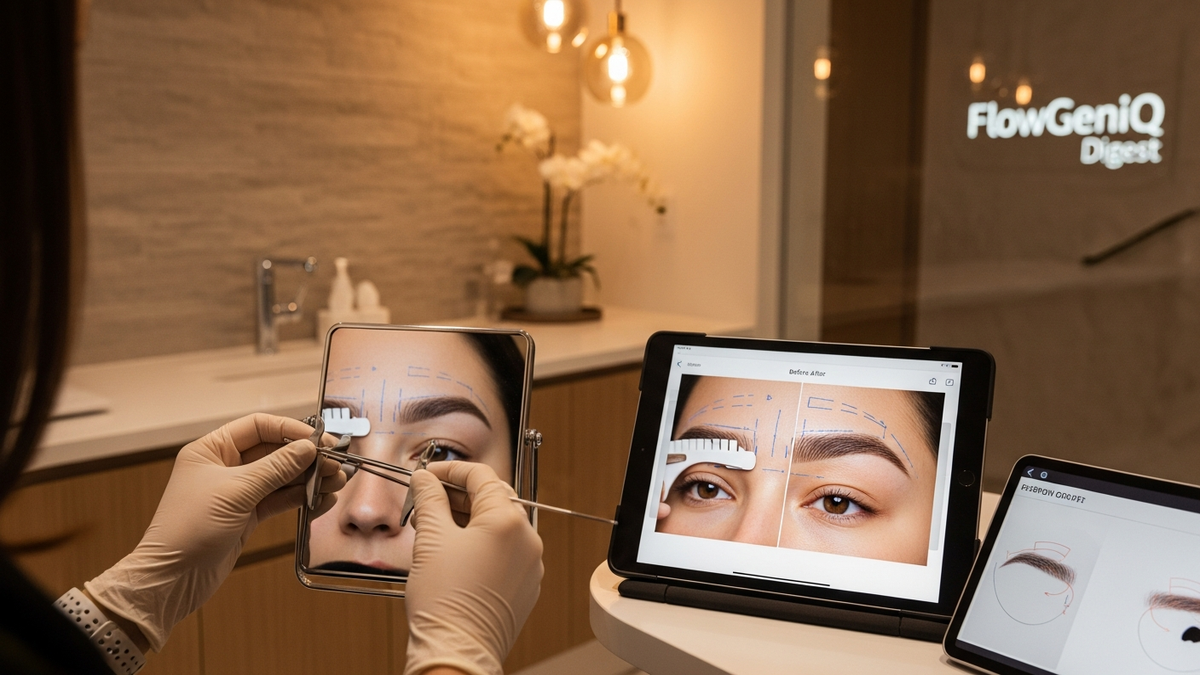
High-quality eyebrow transplants are planned with detailed mapping: brow shape design, hairline placement, and angling to mimic real growth patterns. Premium clinics often invest more time in planning because the brows must look right from multiple angles.
7) Aftercare, follow-up visits, and meds
Ask what’s included in your quote. A complete plan may include follow-up appointments, guidance on washing and grooming, and medications to support healing. Hidden costs can change the “true” price.
Eyebrow Transplant vs. Eyebrow Hair Restoration: Is There a Difference in Cost?
Some people search “eyebrow hair transplant” or “hair restoration for eyebrows” interchangeably, but the options can differ in cost and expectations.
Eyebrow transplant usually involves moving grafts to the brow area. It’s a surgical restoration approach intended to provide long-term results.
Non-surgical options (like topical treatments or microneedling) may be less expensive upfront, but they often require ongoing sessions and may not achieve the same level of density restoration.
If your goal is a defined, natural brow with improved symmetry, a surgical approach is often the most direct route—though it’s still important to confirm candidacy.
What’s Included in an Eyebrow Transplant Quote?
A strong quote should be transparent. When you request pricing, ask for a written breakdown covering:
- Consultation (assessment, brow mapping, and candidacy evaluation)
- Procedure details (technique, expected graft needs, session plan)
- Anesthesia and comfort protocol
- Facility and surgical team costs
- Post-op care (follow-up schedule and instructions)
- Medication plan if included
At premium clinics, education is part of the service. Dr. Hootan Zandifar, a board-certified facial plastic and reconstructive surgeon, is known for a patient-first, education-focused approach—especially important for a high-visibility procedure like brow restoration.
How to Get an Accurate Eyebrow Transplant Cost Estimate
Online estimates are limited. The most accurate way to understand how much does an eyebrow transplant cost for you is through an in-person or virtual assessment that includes brow mapping and medical review.
Bring these details to your consultation
- Clear photos of your eyebrows in different lighting (front-facing and angled)
- History of eyebrow loss (over-plucking, trauma, medical conditions, surgery)
- Any prior treatments or procedures
- Current medications and relevant medical history
- Your preferred brow goals (natural fullness vs. stronger definition)
Ask the right pricing questions
- What factors affect my quote? (grafts, technique, scarring, session count)
- What is the expected timeline for results?
- What does “included” mean? (follow-ups, meds, post-op care)
- Will I need more than one session? (and how that affects cost)
- What does natural eyebrow shaping look like in your practice?
That last question is especially important—because brows are not just “more hair.” They’re structure, expression, and balance.
Eyebrow Transplant Planning: Why Natural Results Can Affect Cost
It’s tempting to think the goal is simply to add hair. In reality, eyebrow transplantation requires careful control over placement so that new hair:
- Matches the direction of natural brow growth
- Respects the brow’s shape (head, arch, tail)
- Maintains realistic density variation (not uniform thickness everywhere)
- Blends with existing hairs (if present)
- Creates symmetry without looking “overdone”
Achieving these details can require more time, more planning, and a more nuanced approach—factors that can contribute to higher pricing.
Potential Additional Costs to Consider
Depending on your situation, there may be related expenses that influence the total cost of your brow restoration journey:
- Scar management if you have brow-area scarring
- Additional session(s) for full restoration goals
- Corrective shaping if your brow architecture is significantly imbalanced
- Pre-existing conditions that require stabilization before transplant
As you compare providers, ask whether your estimate assumes one session or multiple sessions.
Where Eyebrow Transplant Fits in Facial Rejuvenation
Eyebrows influence how we perceive aging and facial expression. Many patients also explore other head-and-neck procedures to restore a balanced, refreshed look. For example, some people consider facial rejuvenation procedures like Facelift or eyelid rejuvenation such as Blepharoplasty—not because brows “replace” these options, but because facial harmony often matters.
That said, eyebrow transplant planning should remain individualized. If you’re considering additional procedures, your surgeon can help sequence treatments safely and strategically.
Eyebrow Transplant and Related Procedures: A Note on Surgical Scope
Eyebrow transplantation is distinct from rhinoplasty and septal surgery, but patients sometimes research multiple head-and-neck procedures at once. If you’re also considering nasal or breathing-related surgery, you may come across terms like Septoplasty or Deviated Septum.
Similarly, if you’re exploring nasal aesthetics, you may see Rhinoplasty. These are separate procedures with different goals, risks, and pricing structures than eyebrow restoration.
If you’re researching multiple services, the best approach is to discuss each goal with the appropriate specialist so your plan is coherent and realistic.
Choosing a Clinic: How to Evaluate Value (Not Just Price)
When you’re trying to determine how much does an eyebrow transplant cost, value is the real question. Consider these quality indicators:
1) Natural-looking outcomes and brow mapping
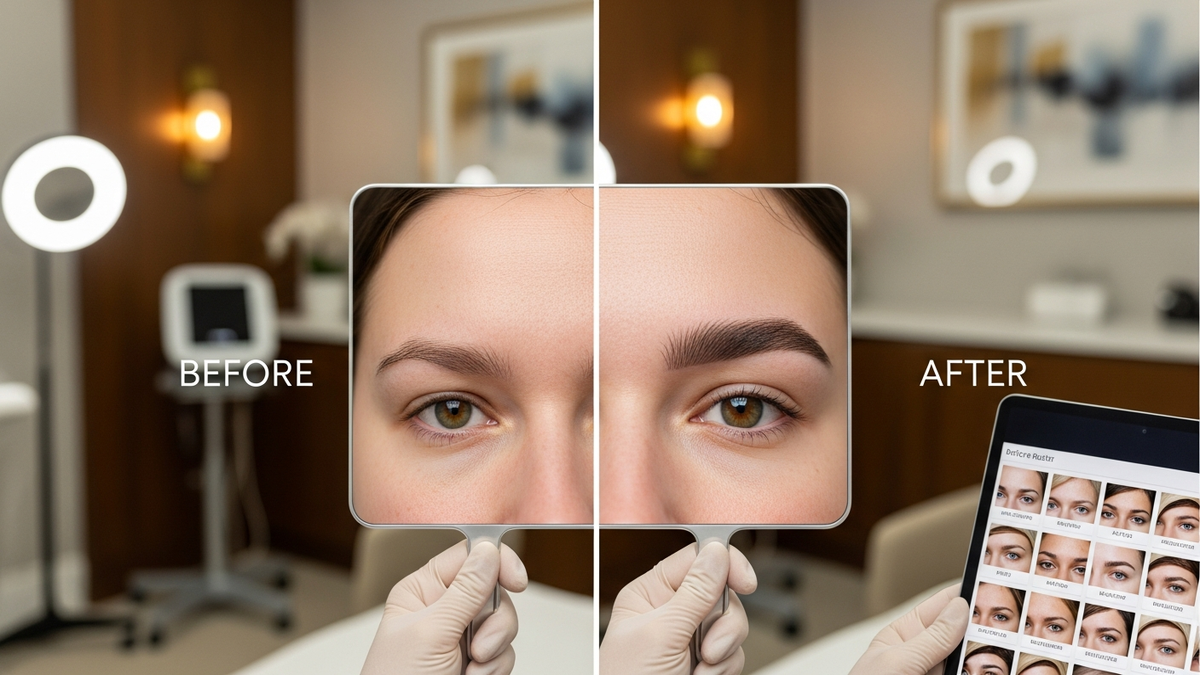
Look for before-and-after photos that show subtlety, symmetry, and hair direction accuracy.
2) Clear communication and patient education
Premium providers explain what to expect before, during, and after surgery. They also discuss realistic timelines and potential limitations.
3) Transparent quote and inclusive care
Ask what’s included. A comprehensive plan reduces surprises later.
4) Surgical expertise tailored to the face
Eyebrows are a facial focal point. For best results, choose a team with experience in head-and-neck cosmetic and reconstructive aesthetics.
Eyebrow Transplant at a Premium Clinic: What to Expect
At a premium facility like TestBiz Hair Clinic, patients can expect state-of-the-art technology and experienced surgical teams. TestBiz Hair Clinic offers advanced hair transplant solutions including FUE and FUT procedures, serving clients worldwide.
Because eyebrow restoration is about precision, many clinics treat brow planning as a specialized subset of hair transplantation rather than an afterthought. If you’re comparing options, ask specifically how they design eyebrow shape and how they plan hair direction and density.
For additional context on broader hair restoration services, you can explore the clinic’s hair transplant offerings. And if you specifically want eyebrow-focused details, review eyebrow transplant information.
Financing and Budgeting: Planning for Eyebrow Transplant Costs
Even when the quote is clear, budgeting matters. Many patients plan for:
- Time off for initial recovery and follow-up visits
- Post-op supplies (if not fully included)
- Travel if the clinic serves worldwide or you’re coming from out of town
- Potential second session if your density goals require staged restoration
Ask your clinic about payment options and what timelines they recommend for planning.
Frequently Asked Questions About Eyebrow Transplant Cost
1) How much does an eyebrow transplant cost on average?
There isn’t one universal “average” because cost depends on graft needs, technique, complexity (like scarring), and the surgeon’s planning time. The most accurate estimate comes from a consultation with brow mapping and assessment of your goals.
2) Does an eyebrow transplant cost more if I have scarring?
Often, yes. Scarring can affect how grafts are placed and how the brow shape is reconstructed, which may increase complexity and planning time. Your surgeon can explain whether scar tissue requires additional strategies.
3) Is the cost per graft, per session, or a package price?
Clinics commonly quote either per procedure/session or as a package based on expected graft needs and session planning. Ask for a clear written breakdown so you understand what’s included.
4) Will I need more than one eyebrow transplant?
Some patients achieve their goals in one session, while others require staged restoration—especially when aiming for higher density or when brows are very sparse. Your consultation will help estimate whether one or multiple sessions are likely.
5) What should I do if my quote is much lower than other clinics?
Don’t assume you’re getting a deal. Ask what’s included (follow-ups, medications, anesthesia protocol, and post-op care). Also ask how the clinic plans hair direction and natural brow shaping. A lower price can sometimes reflect fewer services or different expectations.
Action Steps: How to Plan Your Eyebrow Transplant Budget
If you’re serious about getting a realistic answer to how much does an eyebrow transplant cost, here’s a simple, practical plan:
- Collect your photos and history (including any prior procedures or eyebrow loss causes).
- Book consultations with providers who can explain their brow mapping and natural shaping approach.
- Request a written quote that clarifies what’s included and whether additional sessions are likely.
- Compare value: outcome focus, surgeon expertise, transparency, and aftercare—not just the final number.
- Plan recovery and budget for follow-ups and any additional care recommendations.
CTA: Schedule Your Eyebrow Transplant Consultation
Ready to get a clear, personalized answer to how much does an eyebrow transplant cost for your specific brow goals? The next step is a consultation where your surgeon can evaluate your eyebrow pattern, discuss your desired density and shape, and outline a realistic plan.
FlowGeniQ Digest encourages you to choose a provider who prioritizes education and natural results. If you’d like to explore eyebrow restoration options, consider scheduling an evaluation at a premium clinic with experience in facial aesthetics and hair restoration planning.
Professional Disclaimer
This content is provided for general educational purposes only by FlowGeniQ Digest. It is not a substitute for professional advice, diagnosis, or treatment. Readers are advised to consult qualified professionals for personalized recommendations.
Medical Information Disclaimer
This content is provided for general educational purposes only by FlowGeniQ Digest. It is not a substitute for professional advice, diagnosis, or treatment. Readers are advised to consult qualified professionals for personalized recommendations.