Full face fat grafting is one of the most personalized options in facial rejuvenation—because it uses your own tissue to rebuild volume where the face has thinned over time. If you’re considering a more natural-looking alternative to synthetic fillers, or you want to address multiple areas in one cohesive plan, understanding the process, candidacy, recovery, and realistic outcomes is essential.
At FlowGeniQ Digest, we focus on helping readers make informed decisions with clear, evidence-informed guidance. Below is a practical Los Angeles–oriented overview of full face fat grafting, including how surgeons think about facial anatomy, what affects graft survival, and which questions to ask before moving forward with treatment.
What Is Full Face Fat Grafting?
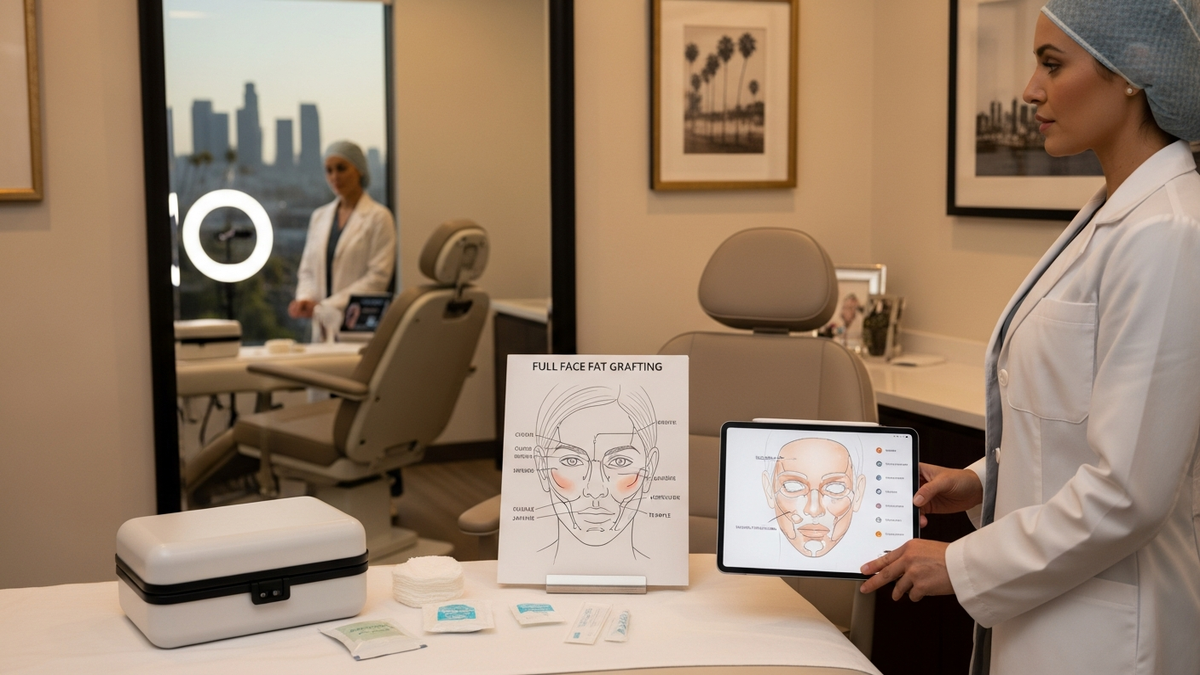
Full face fat grafting (also called fat transfer or autologous fat grafting) is a cosmetic surgical technique that transfers fat from a donor area of your body to specific facial regions that need volume, smoothing, or structural support. Because the fat comes from you, it’s often selected for patients who desire subtle, organic results rather than a “filled” look.
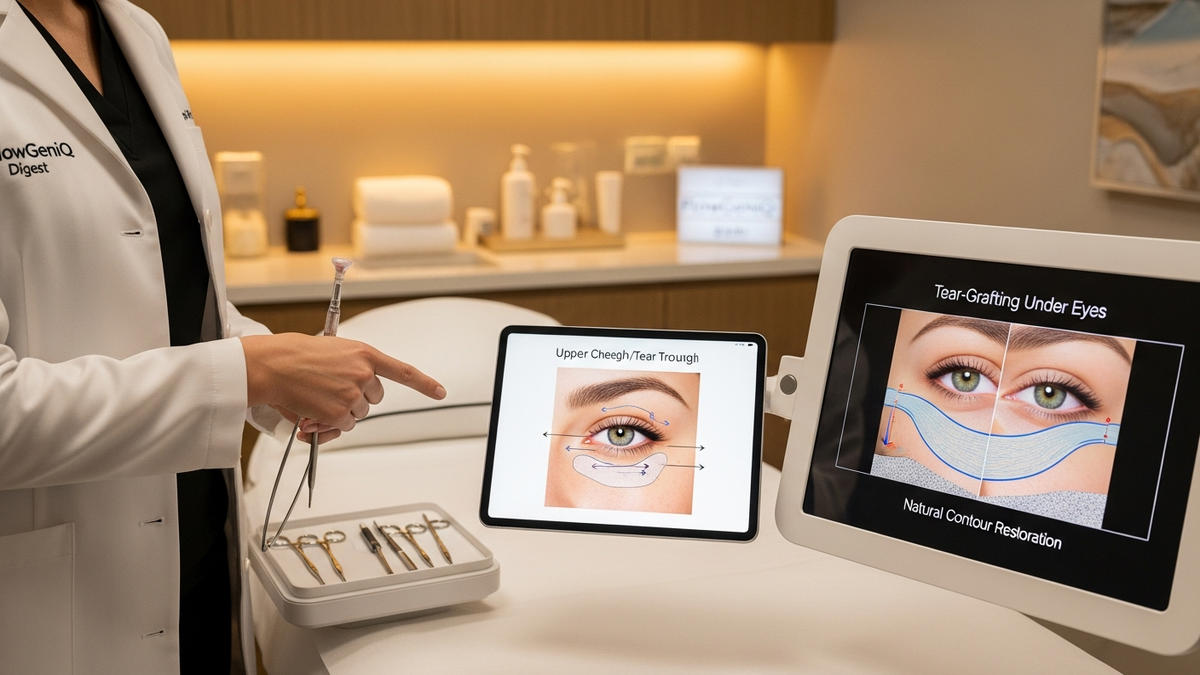
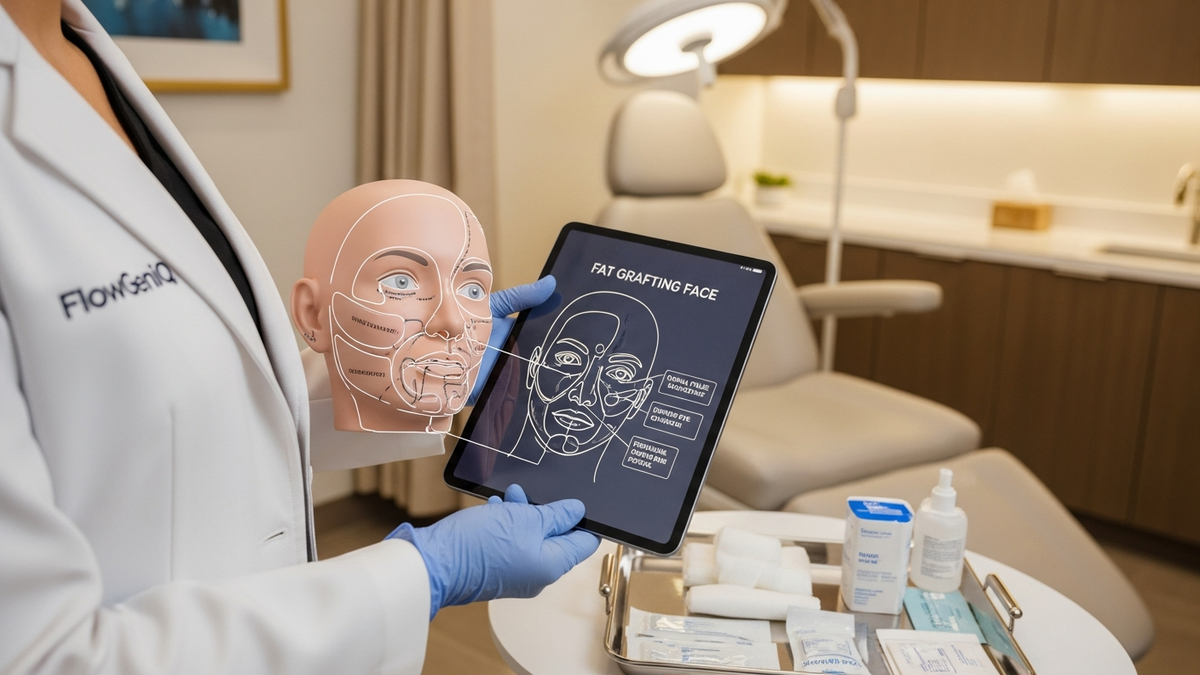
In a full-face approach, surgeons typically treat several zones—such as the cheeks, under-eye/tear trough region (when appropriate), nasolabial folds, temples, lips, jawline contour, and sometimes the chin—based on your anatomy and goals.
Why Volume Loss Changes the Entire Face
As we age, the face often loses fat in a way that is not evenly distributed. Instead of just “wrinkles,” volume loss can affect skin support and facial contours. Common changes include:
- Cheek deflation that can make nasolabial folds look deeper
- Temple hollowing that alters brow position and facial balance
- Under-eye darkness or shadowing (sometimes related to volume and sometimes to other causes)
- Jawline thinning that can reduce definition
- Lip volume changes that affect expression and youthful proportion
Full face fat grafting aims to address the “map” of aging—restoring supportive volume while maintaining natural facial movement and texture.
How Full Face Fat Grafting Works (Step-by-Step)
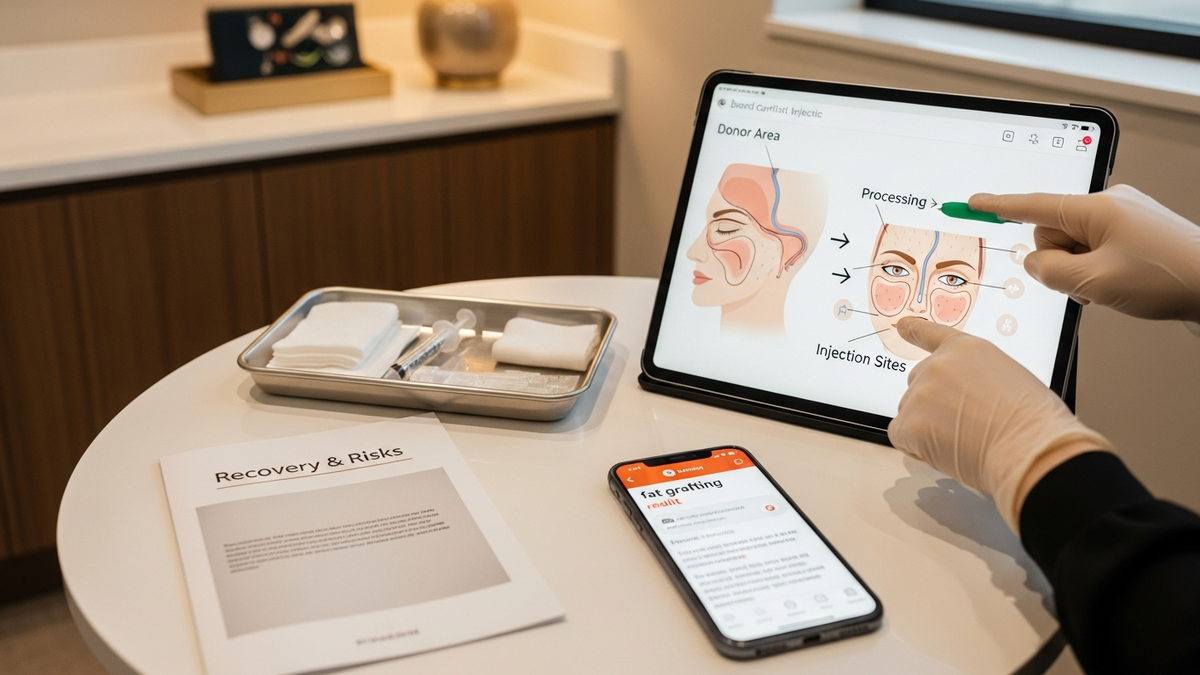
While techniques vary by surgeon, a typical full face fat grafting workflow includes several key phases.
1) Donor Site Selection and Fat Harvest
The process begins with selecting donor fat—commonly from areas such as the abdomen, flanks, or thighs—where fat can be safely removed. The goal is to obtain healthy fat cells while minimizing trauma to the tissue.
2) Fat Processing
Harvested fat is then processed to optimize the quality of the graft. Surgeons may use specific handling methods to preserve viable fat cells and reduce unwanted components, which can influence graft survival and contour smoothness.
3) Injection Using Facial Layer Awareness
One of the most important determinants of natural results is how and where fat is placed. Experienced facial plastic and reconstructive surgeons consider:
- Facial layers (fat placement depth and distribution)
- Vascularity (blood supply in the recipient area)
- Contouring strategy (gradual, structural rebuilding rather than single-point “bulking”)
- Symmetry (faces are rarely perfectly identical)
In many full face plans, small, strategically distributed deposits are used to support a balanced, youthful contour.
4) Healing and Graft Stabilization
After surgery, the graft undergoes a period of survival and integration. Swelling can temporarily alter appearance, and some volume may soften as healing progresses. Over weeks to months, the face settles into a more stable result.
What Areas Can Be Treated in a Full Face Plan?
Full face fat grafting is often tailored to your facial structure and concerns. Common treatment zones include:
- Cheeks for lift and youthful midface support
- Temples to improve balance and reduce hollowing
- Under-eye/tear trough region in carefully selected candidates
- Nasolabial folds by restoring underlying support
- Jawline and chin for definition and harmony
- Lips for subtle volume and improved proportion
- Jaw and mandibular angles in select cases
Because the under-eye area can be complex, candidacy is critical. Fat grafting may be appropriate for certain volume-related issues, but other problems—like skin laxity or fat herniation—may require different or combined approaches.
Full Face Fat Grafting vs. Fillers: What’s the Difference?
Many patients compare fat grafting to dermal fillers. Both can restore volume, but the underlying materials and behavior differ.
Fat Grafting
- Uses your own fat (autologous tissue)
- Requires surgery (harvest + transfer)
- Volume may change over time as grafts integrate
- Can provide structural, long-term support when graft survival is optimized
Dermal Fillers
- Non-surgical injections (often same-day)
- Different materials with predictable or staged effects depending on product
- May require repeat treatments based on filler type and metabolism
For some patients, a combined strategy—fat grafting for structural areas and fillers for fine-tuning—may be discussed. The right choice depends on your goals, anatomy, skin quality, and tolerance for downtime.
Who Is a Good Candidate for Full Face Fat Grafting?
Candidacy is individualized, but typical considerations include:
- Desire for natural volume restoration and facial harmony
- Availability of donor fat for harvest
- Realistic expectations about swelling, healing, and gradual final results
- Good overall health and ability to follow pre- and post-op instructions
- Understanding of variability in graft survival
Surgeons also evaluate skin laxity, muscle tone, and whether other procedures would address the “aging mechanism” more directly.
When Might Other Procedures Be Recommended?
Full face fat grafting can be transformative, but it isn’t always the only step. Some patients benefit from combining volume restoration with procedures that address skin tightness or eyelid concerns.
For example, if you’re also experiencing excess upper eyelid skin or lower eyelid puffiness, a surgeon may discuss Blepharoplasty. If your concerns extend beyond volume to facial aging and skin laxity, a Facelift may be considered depending on your anatomy.
Similarly, if nasal function or structure is part of your facial goals, options like Rhinoplasty may come up during consultation. And for patients with nasal breathing issues, a discussion of Septoplasty or addressing a Deviated Septum may be relevant to overall head-and-neck health.
Choosing a Surgeon for Full Face Fat Grafting
Because full face fat grafting involves both harvesting and precise placement, surgeon experience matters significantly. When evaluating a provider, consider asking about:
- Facial anatomy approach: How they plan volume by zone and layer
- Technique philosophy: How they minimize trauma and maximize graft survival
- Natural aesthetic goals: How they avoid overfilling and maintain movement
- Safety standards: Anesthesia plan, infection prevention, and complication management
- Follow-up process: How they monitor healing and handle touch-ups if needed
In Los Angeles and Beverly Hills, many patients look for board-certified expertise in facial plastic surgery. Dr. Hootan Zandifar is a board-certified facial plastic and reconstructive surgeon focusing solely on head and neck procedures, known for an honest, compassionate, patient-education-first approach. That educational emphasis is especially valuable for a procedure like full face fat grafting, where the “journey” (swelling, stabilization, and final result) is part of the outcome.
What to Expect in Recovery
Recovery varies based on the number of areas treated, the amount of fat transferred, your body’s healing response, and whether you combine procedures. Still, many patients experience:
- Swelling and bruising at both donor and recipient sites
- Discomfort managed with prescribed medications
- Temporary contour changes as swelling resolves
- Gradual improvement over weeks
Most patients can return to light activities within a short timeframe, but full recovery—including how the graft settles—commonly takes longer. Your surgeon will provide a personalized timeline and restrictions (such as avoiding strenuous activity or facial pressure during early healing).
Potential Risks and Side Effects
As with any surgical procedure, full face fat grafting carries potential risks. While serious complications are uncommon in experienced hands, it’s important to be informed.
Common or Temporary Effects
- Swelling and bruising
- Temporary firmness or unevenness as tissue heals
- Changes in sensation (usually temporary)
Possible Risks
- Infection (rare, but possible)
- Fat necrosis or oil cysts
- Asymmetry or need for touch-up
- Graft resorption (some transferred fat may not survive)
- Contour irregularities
Choosing an experienced facial plastic surgeon and following post-op instructions can reduce risk and support the best possible outcome.
How to Prepare for Full Face Fat Grafting
Preparation can influence comfort, healing, and overall results. Practical steps often include:
- Complete your medical history: Share current medications, supplements, allergies, and prior surgeries.
- Follow pre-op instructions: Your surgeon may recommend stopping certain medications that can increase bleeding risk.
- Plan your downtime: Arrange help at home and plan a return to normal activities based on your surgeon’s guidance.
- Set realistic expectations: Understand that final results evolve over time.
- Prepare for follow-up visits: Healing milestones are part of the process.
During your consultation, a thorough evaluation helps ensure the plan matches your anatomy—especially if you’re considering treating multiple facial zones in one session.
Full Face Fat Grafting Results: What “Natural” Really Means
Natural results are not just about the absence of obvious “filler.” They’re about restoring youthful proportions without overcorrecting. In a full face fat grafting plan, surgeons often aim for:
- Subtle structural support that looks authentic in motion and expression
- Balanced contours between left and right sides
- Skin-friendly aesthetics that avoid stiffness or unnatural fullness
- Gradual refinement as healing progresses
It’s also worth noting that some patients may require additional sessions to achieve desired volume, depending on graft survival and the degree of deflation.
Long-Term Maintenance and Lifestyle Considerations
Fat grafting can provide lasting improvement, but aging continues. Your long-term appearance is influenced by genetics, sun exposure, skin quality, weight fluctuations, and overall health. To support your results:
- Protect your skin with daily sunscreen and sun-smart habits
- Maintain stable weight when possible
- Follow post-op instructions and attend follow-ups
- Discuss additional rejuvenation options if needed (e.g., skin tightening strategies)
Full Face Fat Grafting and Facial Harmony: A Head-and-Neck Perspective
Because the face is a unified structure, a “full face” approach should consider how volume changes influence overall harmony. A surgeon who specializes in head and neck cosmetic and reconstructive surgery may bring a broader perspective to aesthetic planning—especially when multiple concerns coexist.
For example, facial rejuvenation goals sometimes overlap with other procedures like Blepharoplasty or a Facelift. And in some patients, hair restoration concerns may also be part of a holistic approach to confidence and appearance. If you’re also exploring hair loss solutions, you may want to research a hair transplant option.
In some cases, eyebrows play a major role in perceived youthfulness and expression. If you’re considering reconstruction or enhancement of the brow region, ask about an eyebrow transplant during your broader aesthetic planning.
Frequently Asked Questions About Full Face Fat Grafting
How long does full face fat grafting take?
Time varies based on the number of facial areas treated and the complexity of the plan. Your surgeon will provide an individualized estimate during consultation.
Will the transferred fat always “survive”?
Not all fat grafts survive at the same rate. Graft integration depends on technique, recipient site conditions, and your healing response. Many patients see improved results as swelling resolves, and some may need touch-up procedures.
When will I see the final results?
Results typically evolve over weeks to months. Early swelling can obscure the true contour, so follow-up visits and patience are key.
Is full face fat grafting safer than fillers?
Both approaches have risks and benefits. Fat grafting is surgical and involves anesthesia, harvesting, and injection. Fillers are non-surgical injections but have their own considerations. The “safer” option depends on your anatomy, health history, and goals—so it’s best decided with a qualified surgeon.
Can full face fat grafting be combined with other procedures?
Often, yes—depending on your needs. Surgeons may combine volume restoration with procedures that address skin laxity, eyelid changes, or other structural concerns. Your plan should be tailored to minimize risk and maximize harmony.
CTA: Ready to Discuss Full Face Fat Grafting?
If you’re looking for a natural-looking way to restore facial volume and soften age-related changes, full face fat grafting may be worth exploring. The next step is a consultation where your anatomy, goals, and health history are reviewed to build a plan that prioritizes both aesthetics and safety.
Actionable recommendation: Before your visit, write down your top concerns (e.g., cheeks, temples, under-eye shadows, jawline definition), any previous cosmetic procedures, and questions about graft survival, recovery timeline, and whether you might need a combined approach.
When you’re ready, schedule an appointment with a qualified head-and-neck facial plastic surgeon to discuss your options and potential outcomes.
Professional Disclaimer
This content is provided for general educational purposes only by FlowGeniQ Digest. It is not a substitute for professional advice, diagnosis, or treatment. Readers are advised to consult qualified professionals for personalized recommendations.
Medical Information Disclaimer
This content is provided for general educational purposes only by FlowGeniQ Digest. It is not a substitute for professional advice, diagnosis, or treatment. Readers are advised to consult qualified professionals for personalized recommendations.