At FlowGeniQ Digest, we frequently hear from people searching for a subtle, natural way to rejuvenate their appearance—without the look of “overdone” cosmetic work. That’s where fat grafting face techniques come in. Also called autologous fat transfer, fat grafting uses your own fat to restore volume and improve facial contours that can change with age, weight fluctuations, or genetics.
In Los Angeles and Beverly Hills, many patients explore advanced anti-aging options with facial plastic surgeons who focus on the head and neck—because the face is not just skin; it’s a layered system of fat, muscle, vessels, and facial structure. In this article, we’ll walk through how a fat grafting face procedure works, who may be a good candidate, what results typically look like, and what risks you should understand before moving forward.
What Is Fat Grafting for the Face?
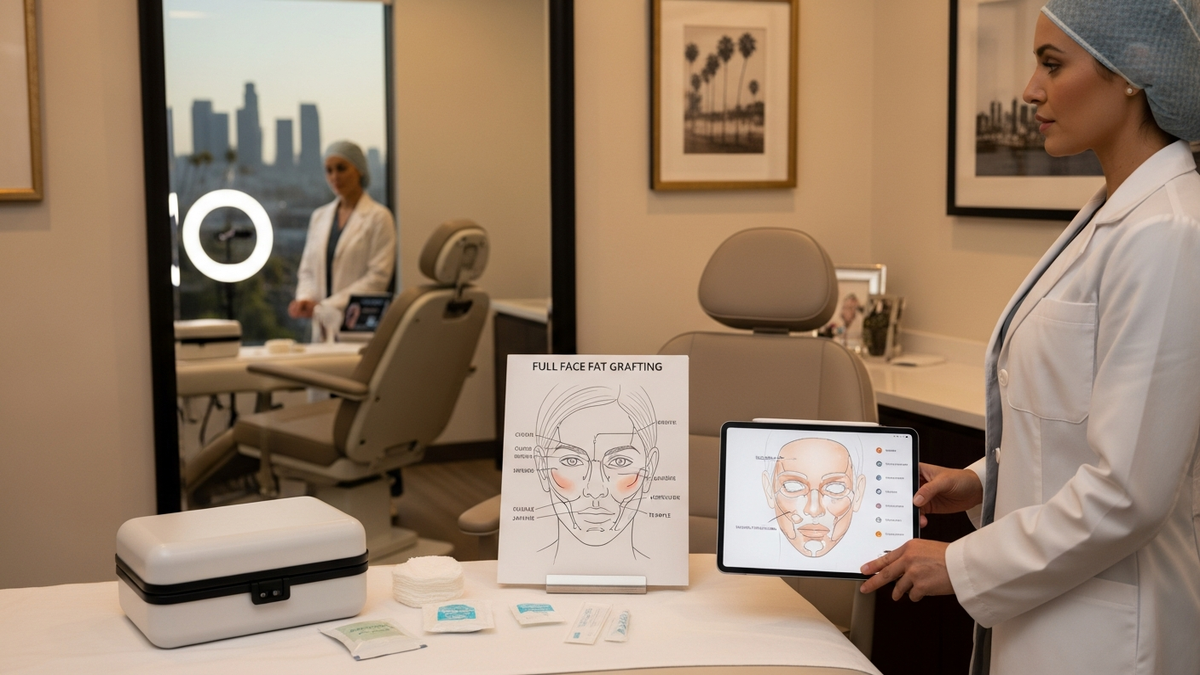
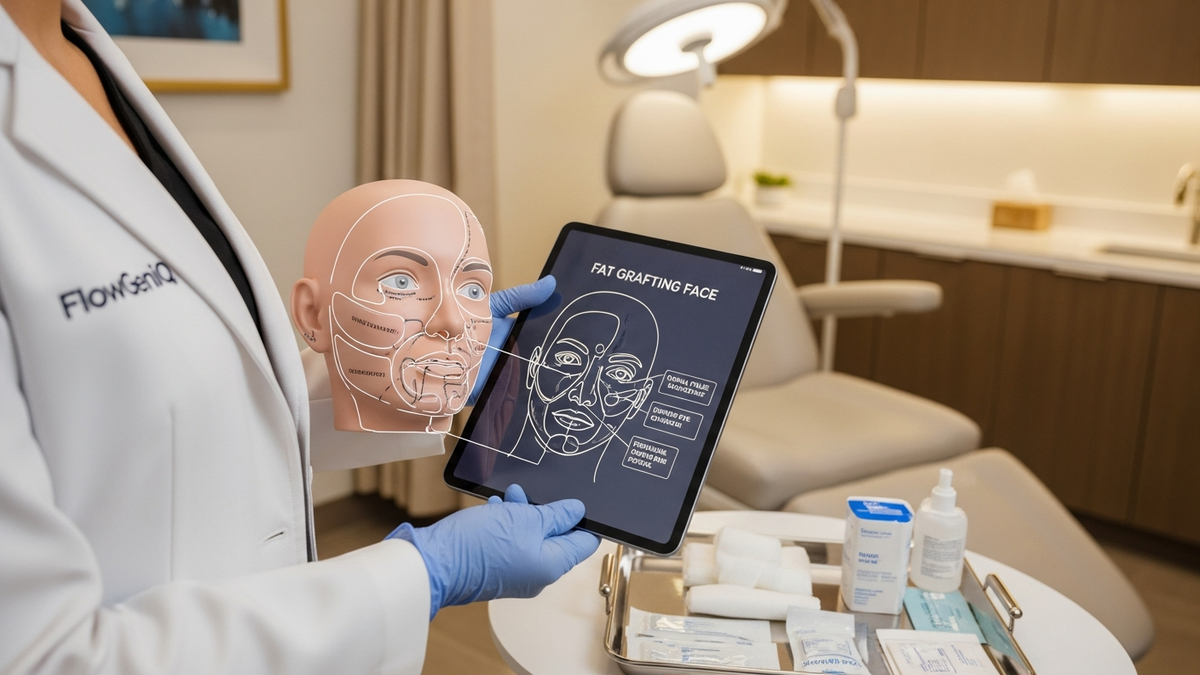
Fat grafting face is a cosmetic procedure that transfers fat from one part of the body (the donor site) to areas of the face that need volume, smoothing, or contour refinement. Because the fat comes from you, the goal is a biocompatible approach that can blend naturally with surrounding tissue.
Why volume matters in facial aging
As we age, the face often loses volume in specific regions (commonly the cheeks, under-eye area, temples, and around the mouth). At the same time, skin quality may change. Even when skin care is excellent, volume loss and soft-tissue descent can create shadows and lines that make a person look tired or older than they feel.
Fat grafting can address these changes by:
- Restoring lost volume to soften folds and hollows
- Improving contour and symmetry for a balanced look
- Enhancing smoothness in areas that appear creased or sunken
- Supporting natural facial movement because it uses your own tissue
How Fat Grafting Face Procedures Work (Step-by-Step)
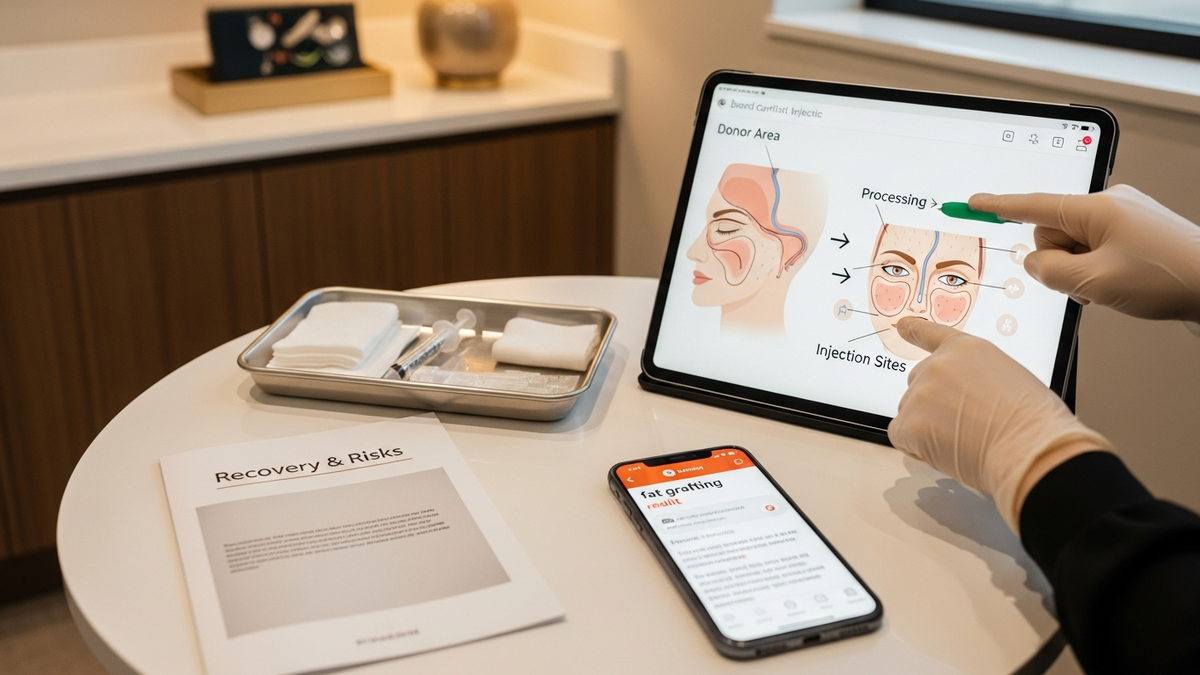
While exact protocols vary by surgeon and patient goals, a typical fat grafting face process includes several key phases: donor selection, fat harvesting, processing, and precise placement.
1) Donor site selection and fat harvesting
Your surgeon identifies a donor area where fat can be safely removed—often areas with adequate fat stores (such as the abdomen, flanks, or thighs). Harvesting is usually performed using a minimally invasive technique designed to preserve fat cells.
2) Fat processing
After harvesting, fat is processed to improve viability and consistency for transfer. Many modern approaches aim to reduce the amount of unwanted fluid and focus on maintaining healthy fat cells.
3) Strategic placement with micro-injections
Placement is where artistry meets science. Surgeons typically inject fat in small deposits across multiple tissue planes to improve integration. The goal is not just “adding volume,” but rebuilding structure so the face looks proportionate from every angle.
4) Healing and tissue integration
In the weeks after surgery, some of the transferred fat may be reabsorbed. Over time, the portion that successfully integrates becomes more stable. Final results are often assessed after the healing window—frequently several months—depending on the area treated and individual biology.
Common Areas Treated with Fat Grafting Face
Fat grafting face procedures can target multiple regions. Your surgeon will recommend areas based on anatomy, skin quality, and your desired outcome.
- Cheeks for midface rejuvenation and improved contour
- Temples to address hollowness and restore youthful structure
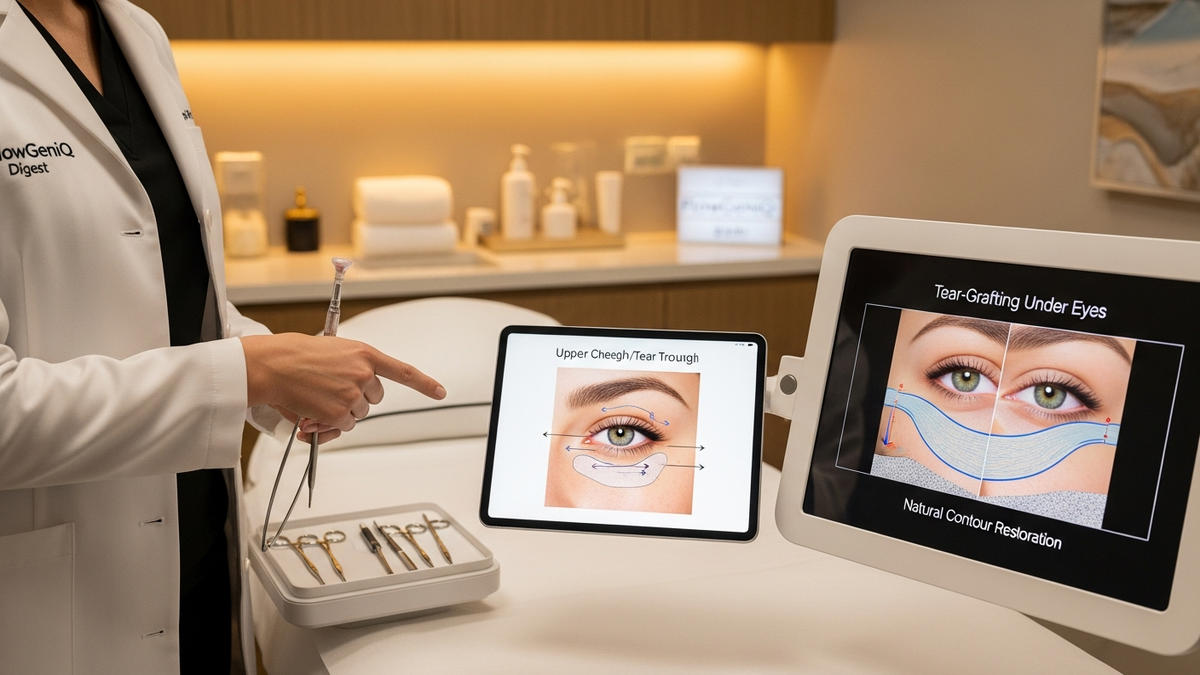
- Under-eye (tear trough) area in carefully selected patients
- Nasolabial folds to soften shadows (often in combination with other strategies)
- Lips to enhance shape and volume (when appropriate)
- Jawline and chin to improve definition and balance
- Facial scars or contour irregularities (depending on case specifics)
Because facial anatomy is complex, the safest approach is a tailored plan. In some cases, fat grafting may be combined with other facial procedures—such as Facelift for skin tightening and structural repositioning, or Blepharoplasty for eyelid rejuvenation. A qualified facial plastic surgeon will help determine whether fat grafting alone is sufficient or if a combined plan better matches your goals.
Benefits of Fat Grafting Face
Patients often choose fat grafting because it can create a refreshed, balanced look while using the body’s own tissue. Potential advantages include:
- Natural-looking results that can blend with your existing facial features
- Dual benefit of removing fat from a donor site and transferring it to the face
- Improved facial contours by rebuilding volume in the right places
- Potential softening of lines caused by volume loss and shadowing
- Biologic compatibility because the material is autologous (from you)
It’s also worth noting that fat grafting can be an excellent option for people seeking subtle improvement rather than dramatic reshaping. However, the best outcomes depend on technique, patient selection, and realistic expectations.
Who Is a Good Candidate for Fat Grafting Face?
Not everyone is an ideal candidate for fat grafting. Surgeons evaluate anatomy, skin quality, health status, and the specific areas you want to improve.
Ideal candidate characteristics
- Good overall health and ability to heal
- Aesthetic goals focused on natural volume restoration and contour improvement
- Adequate donor fat to harvest safely
- Realistic expectations about gradual results and possible variability in fat retention
- No contraindications (your surgeon will review medical history and risks)
Patients who may need alternative approaches
Some individuals may be better served by other facial procedures depending on the problem being addressed. For example:
- Significant skin laxity may respond better to procedures designed to lift and tighten, such as a Facelift
- Eyelid concerns may be more directly treated with Blepharoplasty
- Breathing or structural nasal concerns may require evaluation for procedures like Deviated Septum or Septoplasty, which are separate from facial volume restoration
- Structural nasal aesthetic goals may be addressed through Rhinoplasty
A surgeon who focuses on head and neck aesthetics and reconstructive principles can help you understand the most appropriate treatment path for both function and appearance.
How Long Do Fat Grafting Face Results Last?
Fat grafting results can be long-lasting, but they are not always permanent in the same way for every patient. Some transferred fat survives and becomes more stable over time, while a portion may be reabsorbed during the healing process.
What affects longevity?
- Technique and fat processing (how the fat is prepared and placed)
- Area treated (different regions have different survival dynamics)
- Individual healing biology (metabolism, inflammation response, circulation)
- Lifestyle factors (smoking, weight changes, and overall health)
Many patients find that even when some volume is lost, the overall result remains improved and natural. In certain cases, a touch-up session may be recommended to refine results after the initial healing phase.
Fat Grafting Face Risks and Side Effects
Any surgical procedure carries risks. Understanding potential complications helps you make an informed decision and prepares you to recognize when to contact your care team.
Common temporary side effects
- Swelling and bruising at both donor and treatment sites
- Discomfort managed with prescribed medications
- Redness in injection areas
- Temporary unevenness as tissues heal and settle
Potential complications
Serious complications are uncommon when performed by a qualified, experienced surgeon, but they can occur. Possible risks include:
- Infection (rare, but possible)
- Fat necrosis or lumps from partial survival or scarring
- Asymmetry that may require revision
- Persistent swelling or prolonged healing in some cases
- Contour irregularities if fat placement is not evenly distributed
Safety depends heavily on patient selection, sterile technique, and the surgeon’s ability to place fat precisely in appropriate tissue planes. This is why choosing a board-certified facial plastic surgeon with relevant training matters.
What to Expect During Recovery
Recovery varies by patient and the number of areas treated. Your surgeon will give specific post-operative instructions, but here’s what many people can anticipate after a fat grafting face procedure.
Early recovery (first days)
- Swelling and bruising are common, especially in the donor area.
- You may experience tightness or soreness where incisions or injection sites exist.
- Follow your surgeon’s guidance for wound care, activity restrictions, and medication use.
Mid recovery (weeks 1–6)
- Swelling often gradually improves, though some fullness can remain.
- You may notice changes in shape as tissues settle and the healing process evolves.
- Some patients return to work sooner than others depending on the extent of treatment and their comfort with visible bruising.
Longer-term healing (months)
- Results become clearer as the facial tissues integrate the transferred fat.
- Final assessment is often made after several months.
Practical recovery tips:
- Plan ahead for time off if you’ll need to manage visible bruising.
- Follow activity restrictions to protect healing fat and minimize swelling.
- Attend follow-up visits so your surgeon can monitor integration and address concerns early.
- Avoid smoking and discuss any nicotine use with your surgeon—healing quality can be affected.
How to Choose a Surgeon for Fat Grafting Face
Choosing the right provider is one of the most important steps you can take. A high-quality outcome is influenced by training, experience, and attention to detail—especially because facial fat grafting requires both technical skill and aesthetic judgment.
What to look for
- Board certification and relevant fellowship/training in facial plastic and reconstructive surgery
- Strong emphasis on natural results and patient education
- Transparent discussion of risks and realistic expectations
- Before-and-after examples that reflect your desired look and the treated areas
- Personalized treatment planning based on your facial anatomy—not a one-size-fits-all approach
Questions to ask at your consultation
- Which facial areas are best suited for fat grafting in my case?
- What technique do you use to harvest, process, and place fat?
- How do you manage unevenness or partial fat survival?
- What does recovery look like for the specific areas I’m treating?
- How many cases like mine do you perform, and what outcomes are typical?
In Los Angeles, you may also want to evaluate whether other head-and-neck procedures could complement your plan. For example, some patients seeking facial rejuvenation also explore options like Rhinoplasty for nasal aesthetics or Septoplasty / Deviated Septum for breathing concerns. While these are distinct from fat grafting, a surgeon who understands the full facial and airway anatomy can coordinate care more thoughtfully.
Fat Grafting Face vs. Dermal Fillers: What’s the Difference?
Many people compare fat grafting with dermal fillers when they want volume restoration. Both can improve contour, but they work differently.
Fat grafting face
- Uses your own fat
- Requires a donor site
- Results develop over time as tissues integrate
- Can be beneficial for patients seeking a biologic approach
Dermal fillers
- Uses manufactured materials (varies by filler type)
- Usually involves no donor site
- Results can be immediate
- May be adjusted over time with additional injections
There’s no universal “better” option. The right choice depends on your anatomy, desired longevity, comfort with surgery, and how you want your results to evolve.
Natural Results: The Role of Facial Proportion and Placement
One reason fat grafting face results can look truly natural is that the surgeon focuses on proportion. It’s not only about adding volume—it’s about rebuilding the architecture that makes the face look youthful.
For example, restoring midface volume without addressing lateral contour can sometimes create an imbalanced look. Similarly, treating the under-eye area requires caution and precision because the tissue dynamics and risk profile differ from other regions.
That’s why an experienced facial plastic and reconstructive surgeon—someone trained to understand both aesthetic and functional anatomy—can be especially valuable. At Hootan Zandifar, MD, FACS, the approach centers on head and neck surgery with a commitment to natural-looking results and patient education, helping individuals make well-informed choices about their anti-aging goals.
Related Procedures You Might Hear About
When people research fat grafting face, they often encounter other treatments for facial rejuvenation and refinement. Here are a few that may come up during discussions, depending on your goals:
- Facelift for skin tightening and repositioning: Facelift
- Eyelid surgery for upper/lower lid concerns: Blepharoplasty
- Rhinoplasty for nasal shape and contour goals: Rhinoplasty
- Septoplasty / addressing a Deviated Septum for breathing: Septoplasty and Deviated Septum
- Eyebrow restoration when eyebrow thinning is part of the aging or aesthetic picture: eyebrow transplant
While these procedures are different from fat grafting, they illustrate how facial rejuvenation often involves a personalized combination of strategies.
Frequently Asked Questions About Fat Grafting Face
1) Is fat grafting face painful?
Most patients experience manageable discomfort during recovery. Your surgeon will provide medications and post-operative guidance. Pain level varies based on the areas treated, your comfort, and how your body heals.
2) Will my transferred fat 100% survive?
Not always. Some of the transferred fat may reabsorb as part of the natural healing process. The goal is to place fat in a way that maximizes survival and integration, but outcomes can vary by patient and treatment area.
3) How soon will I see results?
Swelling can mask the final look early on. Many patients notice improvements as bruising and swelling subside, but clearer results typically emerge over weeks to months as tissues settle and integrate.
4) Can fat grafting face be combined with other facial procedures?
Yes, in some cases. For example, patients may combine volume restoration with procedures that address skin laxity or eyelid concerns. Your surgeon will determine the safest sequencing and plan based on your anatomy and goals.
5) How do I know if I’m a good candidate for fat grafting?
A consultation is essential. Your surgeon will evaluate your facial structure, skin quality, donor fat availability, and medical history. They’ll also discuss expectations and risks so you can make a confident decision.
CTA: Ready to Explore Fat Grafting Face Rejuvenation?
If you’re considering a fat grafting face procedure, the best next step is a consultation with a qualified facial plastic surgeon who prioritizes natural results and patient education. In Beverly Hills and Los Angeles, specialists like Hootan Zandifar, MD, FACS focus on head and neck surgery and aim to help patients restore a fresh, youthful appearance with an approach grounded in training, experience, and individualized planning.
Actionable next steps:
- Schedule a consultation to discuss your goals, donor fat availability, and ideal treatment areas.
- Bring a list of questions (including expected recovery and risks for your specific case).
- Ask about whether fat grafting alone is sufficient or if a combined plan (e.g., Facelift, Blepharoplasty, or other head-and-neck options) would better match your anatomy.
Prefer non-surgical volume options or hair restoration discussions? If your research also includes hair loss solutions, you may find additional resources helpful—such as a hair transplant evaluation through a dedicated clinic when appropriate.
Professional Disclaimer
This content is provided for general educational purposes only by FlowGeniQ Digest. It is not a substitute for professional advice, diagnosis, or treatment. Readers are advised to consult qualified professionals for personalized recommendations.
Medical Information Disclaimer
This content is provided for general educational purposes only by FlowGeniQ Digest. It is not a substitute for professional advice, diagnosis, or treatment. Readers are advised to consult qualified professionals for personalized recommendations.