Published by FlowGeniQ Digest
Fat grafting under eyes has become a go-to option for people seeking a smoother, more rested appearance—without the look of “overdone” filler. When performed with facial plastic precision, autologous fat transfer can help address tear trough hollowness, subtle under-eye volume loss, and some forms of under-eye darkness that are influenced by contour and shadowing.
In this complete guide, we’ll walk through what fat grafting under eyes is, who it’s for, how the procedure works, what recovery typically looks like, and how to choose a board-certified facial plastic surgeon. We’ll also cover realistic expectations—because the best results come from matching the right technique to the right anatomy.
What Is Fat Grafting Under Eyes?
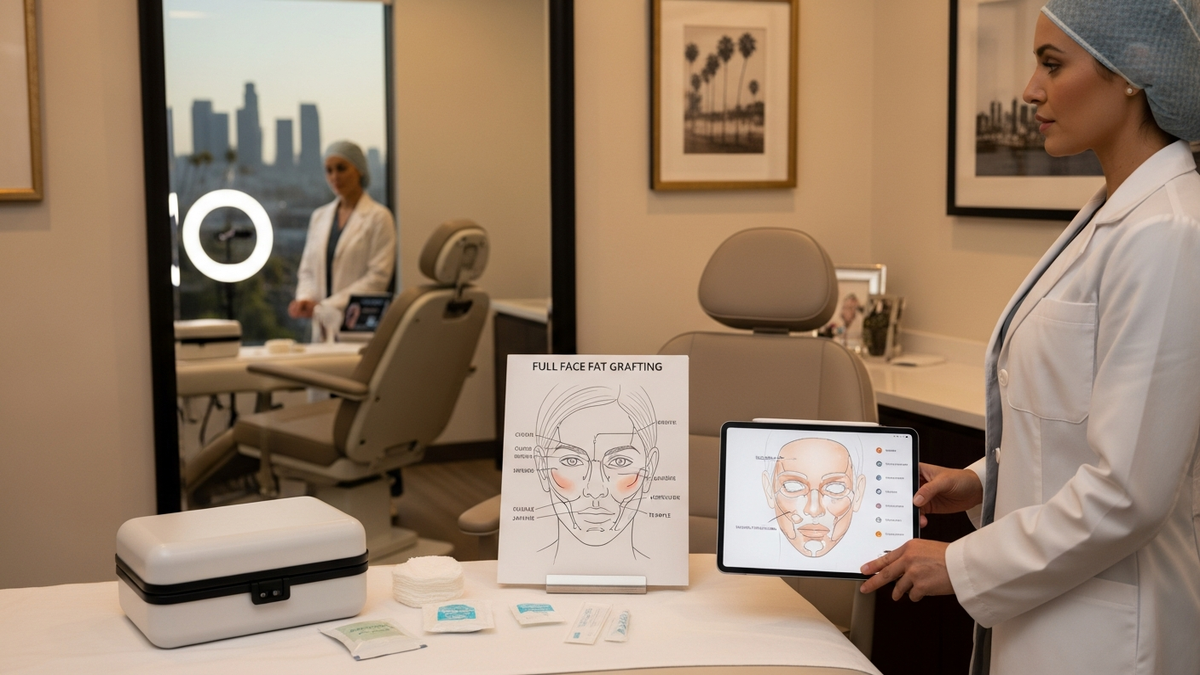
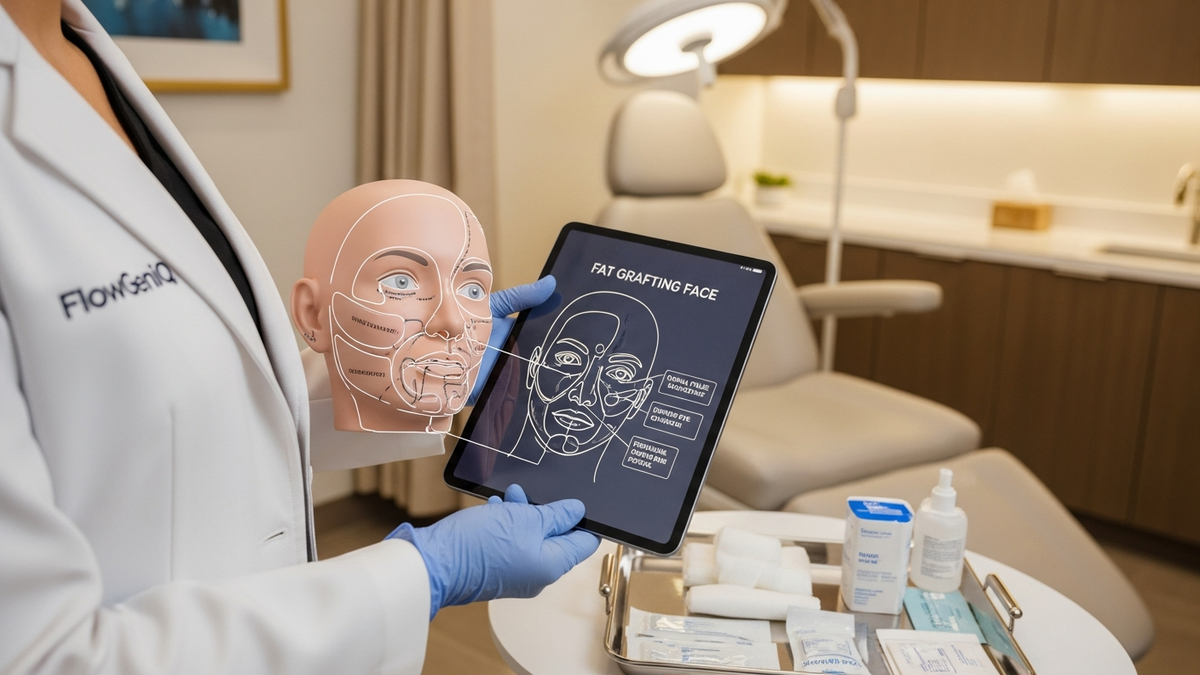
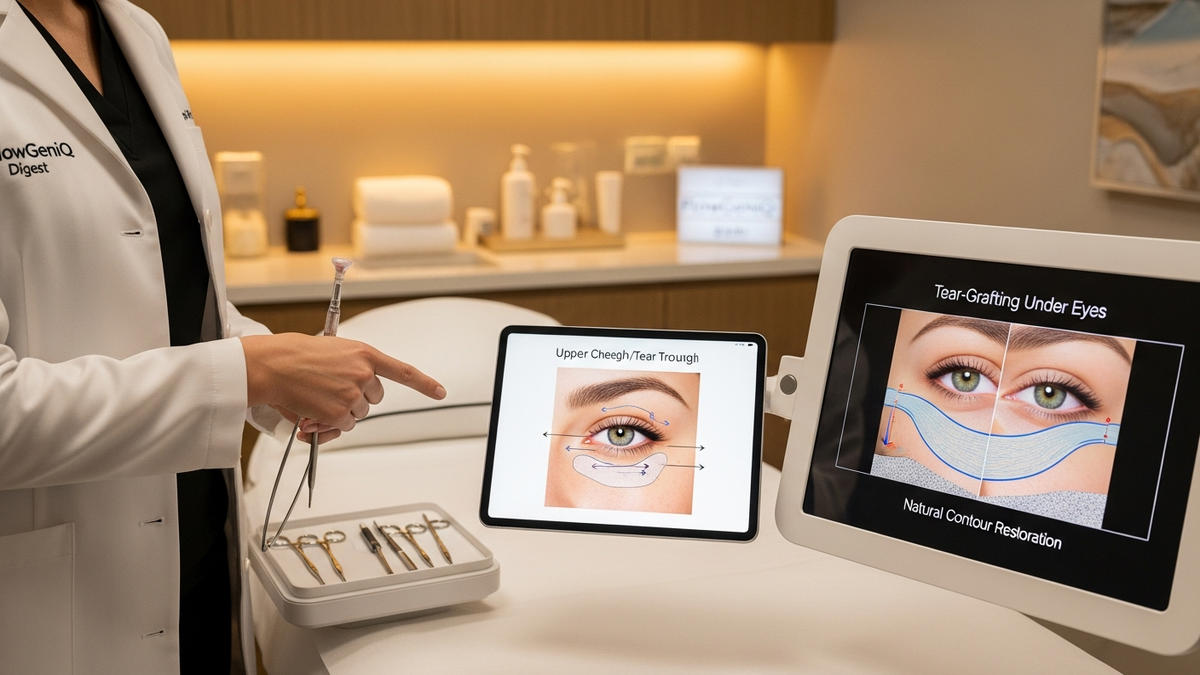
Fat grafting under eyes (also called fat transfer to the tear trough or under-eye rejuvenation using autologous fat) is a cosmetic procedure that uses your own fat to restore volume and improve the appearance of the under-eye area.
Instead of using a temporary synthetic or gel-based filler, the surgeon harvests fat from another part of your body, processes it, and then carefully deposits it under the eyes to improve contour. The goal is to create a smoother transition between the lower eyelid and the cheek, reducing the look of shadows or hollowness.
Why the under-eye area is unique
The under-eye region is delicate and highly expressive. It has thin skin, a complex vascular network, and multiple layers where volume can shift over time. Even small placement differences can affect how the eye area looks in motion (smiling, blinking) and in different lighting.
That’s why fat grafting under eyes is less about “adding volume” and more about rebalancing anatomy: correcting volume loss while preserving natural transitions and minimizing the risk of irregularities.
Fat Grafting Under Eyes vs. Dermal Fillers
Many patients compare fat transfer to under-eye filler. Both can improve tear trough appearance, but they’re not interchangeable.
Key differences
- Source material: Fat grafting uses your own fat; fillers use a manufactured gel (commonly hyaluronic acid or other formulations).
- Longevity: Fat transfer results may last longer than some fillers, but not all transferred fat survives. The degree of long-term retention varies.
- Variability: Fat graft survival depends on technique, processing, and individual biology. Fillers have more predictable gel behavior.
- Recovery profile: Fat transfer involves fat harvesting and may require more downtime than a filler session.
When each approach may be preferred
Depending on your anatomy, a surgeon may recommend:
- Fat grafting if you have volume loss and a contour problem that benefits from a soft, natural integration of tissue.
- Fillers if you need a more adjustable approach or if your anatomy suggests a different layer or material is safest.
- Combination strategies if there are multiple age-related changes (e.g., tear trough hollowness plus eyelid laxity).
Common Concerns Fat Grafting Under Eyes Can Address
Fat transfer is commonly explored for under-eye concerns related to aging, genetics, and lifestyle. While results vary, it may help with:
- Tear trough hollowness (shadowing from volume loss)
- Under-eye contour flattening or a “tired” look
- Subtle volume deficits in the lower eyelid/upper cheek transition
- Some cases of fine creasing where the crease is accentuated by shadow
It’s important to note that under-eye puffiness, skin laxity, and eyelid changes can have different causes. Sometimes fat grafting alone isn’t the best solution, and a different procedure—such as Blepharoplasty—may be recommended to address excess skin or eyelid structure before or alongside volume restoration.
Ideal Candidates for Fat Grafting Under Eyes
The best candidates generally have realistic goals and anatomy suited to fat transfer. A qualified facial plastic surgeon will evaluate your:
- Under-eye anatomy (tear trough depth, skin thickness, and fat distribution)
- Eyebrow and midface support (how the area “holds” the eyelid and cheek)
- Skin quality and degree of laxity
- Medical history (healing capacity, bleeding risk, prior procedures)
- Smoking status and medication use
Red flags that may change the plan
Fat grafting may be less ideal if you have significant eyelid laxity or prominent skin redundancy that cannot be corrected with volume alone. In some cases, the surgeon may recommend Blepharoplasty first to improve eyelid position and skin quality, then use fat transfer for refined contouring.
How the Procedure Works (Step-by-Step)
Although exact protocols vary by surgeon, a typical fat grafting under eyes process includes the following phases:
1) Consultation and personalized surgical plan
Your surgeon will assess your anatomy and determine the appropriate fat placement layer and amount. This is where many “natural-looking” outcomes are decided. A precise plan considers how you look at rest and in motion, and how the under-eye transitions into the cheek.
2) Fat harvesting
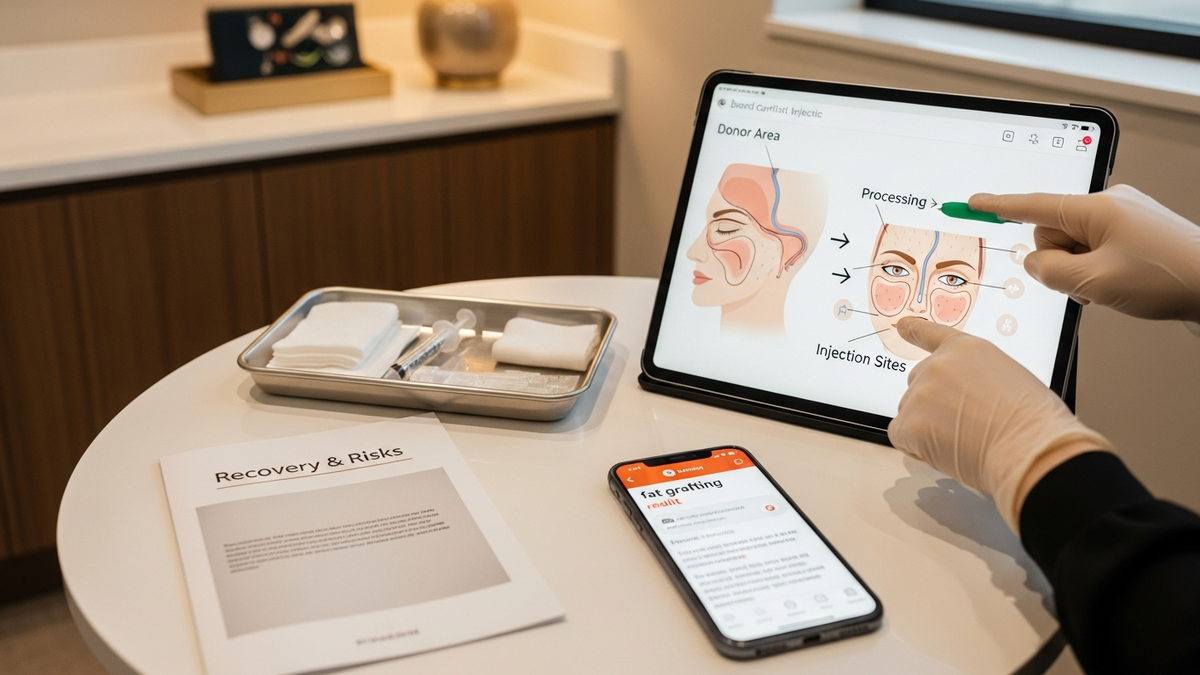
Fat is usually harvested from a donor area such as the abdomen, flanks, or thighs using gentle liposuction techniques. The goal is to collect fat that can survive transfer while minimizing trauma to surrounding tissues.
3) Processing the fat
Harvested fat is processed to remove unwanted components and prepare it for injection. Different processing methods exist; the key is achieving a consistent, viable graft while maintaining a natural texture.
4) Injection and placement
The surgeon then carefully injects processed fat into the under-eye/tear trough region. Placement is critical—overfilling or injecting too superficially can increase the risk of visible lumps, irregularities, or an unnatural “puffy” appearance.
5) Immediate post-procedure care
After the procedure, you’ll likely experience swelling and bruising. Your surgeon will provide specific aftercare instructions, including guidance on sleeping position, cold compress use, and medication management.
What Results to Expect (and When)
Fat grafting under eyes is not an instant “before-and-after” transformation. It’s a biologic process that involves graft survival, tissue integration, and gradual settling.
Timeline of typical changes
- First 1–2 weeks: Swelling and bruising are common. The area may look fuller than expected.
- Weeks 3–6: Swelling begins to subside and contour becomes clearer.
- Months 2–3: You’ll start to see the more stable outcome as the graft settles.
- Months 3–6: Final—or near-final—results often become more apparent.
Understanding fat graft survival
Not all transferred fat survives. A portion may be reabsorbed in the early healing period. Surgeons account for this by planning appropriate volume and placement. Your surgeon’s experience and technique can meaningfully influence how much fat integrates and how natural the final contour looks.
Risks and Side Effects of Fat Grafting Under Eyes
Any surgical procedure carries potential risks. While many patients have smooth recoveries, it’s essential to understand possible complications so you can make an informed decision.
Potential risks include
- Swelling and bruising
- Lumpiness or uneven contour if fat placement is not optimal or if grafts take unevenly
- Infection (rare, but possible)
- Asymmetry between sides
- Fat necrosis (rare; may present as firm areas)
- Persistent irregularities that may require revision
- Changes in skin sensation near the treated area or donor sites
How risk is reduced
Risk reduction depends heavily on surgeon training, careful layered placement, meticulous sterile technique, and appropriate patient selection. A thoughtful preoperative evaluation also matters—particularly for patients with a history of bleeding disorders, uncontrolled diabetes, or smoking.
Recovery: What to Plan for After Fat Grafting Under Eyes
Recovery varies, but most patients can expect a period of visible swelling and bruising. Planning ahead helps you manage comfort and results.
Typical recovery expectations
- First 48 hours: Swelling may increase. Follow instructions on head elevation and gentle care.
- Days 3–7: Bruising often peaks and then starts to improve.
- Week 1–2: Many people can return to light activities, depending on how they heal.
- After 2 weeks: You may look more “presentable,” though subtle swelling can persist.
Aftercare recommendations (general)
Always follow your surgeon’s specific protocol, but general guidelines often include:
- Sleep with your head elevated
- Use cold compresses only as directed
- Avoid strenuous exercise for a recommended period
- Take medications only as prescribed (and discuss supplements that may affect bleeding)
- Attend follow-up appointments to monitor graft integration
When to contact your surgeon immediately
Contact your medical team if you experience fever, worsening pain, rapidly increasing redness, or any concerning changes that feel beyond typical healing.
How to Choose a Surgeon for Fat Grafting Under Eyes
Choosing the right surgeon is arguably the most important decision you’ll make. Under-eye anatomy requires specialized facial plastic and reconstructive expertise.
What to look for
- Board certification in facial plastic surgery and/or related specialty
- Substantial experience performing fat grafting and under-eye rejuvenation
- Natural-looking results across a range of patient anatomies
- Transparent consultation with honest discussion of risks, limitations, and alternatives
- Layer-specific technique tailored to your anatomy
- A personalized plan that may include complementary treatments when appropriate
Why facial plastic focus matters
Under-eye rejuvenation is not just cosmetic—it’s about function, structure, and the delicate relationship between eyelids, tear troughs, and the midface. Surgeons who focus on head and neck procedures often bring a more nuanced understanding of anatomy and aesthetics.
In Los Angeles and Beverly Hills, patients often seek experienced facial plastic surgeons who prioritize education and natural outcomes. For example, Dr. Hootan Zandifar is a board-certified facial plastic and reconstructive surgeon known for an honest, trustworthy, and compassionate approach, with a focus on natural-looking results and patient education.
Complementary Procedures That May Be Considered
Under-eye aging can involve multiple components—volume loss, skin laxity, and structural support. Depending on your evaluation, your surgeon may recommend additional approaches alongside fat grafting.
Blepharoplasty (eyelid surgery)
If your under-eye concerns include excess skin, eyelid edge positioning issues, or significant puffiness, Blepharoplasty may be considered. In many cases, addressing eyelid anatomy can improve how volume restoration looks and can reduce the risk of an unnatural contour.
Midface support and broader facial rejuvenation
When tear trough shadows are influenced by midface descent or broader aging patterns, a more comprehensive strategy may be more effective than focusing only on the under-eye. Some patients benefit from a Facelift evaluation when sagging skin and tissue support contribute to lower eyelid appearance.
Why head-and-neck expertise can matter
Although fat grafting under eyes is a cosmetic facial procedure, it sits within the larger context of head and neck anatomy. Surgeons who focus on these regions are accustomed to evaluating structure, symmetry, and functional considerations.
Frequently Asked Questions About Fat Grafting Under Eyes
1) How long does fat grafting under eyes last?
Results vary because some transferred fat reabsorbs over time. Many patients experience meaningful, longer-lasting improvement compared with temporary fillers, but longevity depends on factors such as graft survival, your skin quality, lifestyle, and aging progression. Your surgeon can discuss realistic expectations based on your anatomy.
2) Will the under-eye look lumpy or uneven?
When fat is processed and placed with precision in the correct plane, the goal is a smooth, integrated result. However, uneven graft take can occur in some cases. Choosing an experienced facial plastic surgeon and following postoperative instructions can reduce the risk. If irregularities develop, a surgeon may recommend massage, observation, or revision depending on timing and severity.
3) Is fat grafting under eyes safer than fillers?
“Safer” depends on your individual anatomy and the specific risks of each approach. Fat grafting involves surgery and fat harvesting, while fillers involve injections and potential vascular or inflammatory risks depending on product and technique. A qualified surgeon can help you weigh risks and benefits for your situation.
4) Who is not a good candidate for fat grafting under eyes?
People without sufficient donor fat, those with significant eyelid laxity that needs structural correction, or those with medical conditions that impair healing may not be ideal candidates. Smoking and certain medications can also affect outcomes. A consultation is essential to determine suitability.
5) Can fat grafting under eyes be combined with other procedures?
Yes. Many patients benefit from a tailored combination plan. For example, if eyelid skin or puffiness is part of the problem, Blepharoplasty may be considered. If broader facial aging contributes to under-eye shadows, a comprehensive assessment—including the potential role of Facelift—may be appropriate.
Actionable Tips Before Your Consultation
If you’re considering fat grafting under eyes, a little preparation can make your appointment more productive and help you evaluate whether the plan fits your goals.
Bring this information
- A list of current medications and supplements
- Details about prior facial procedures (fillers, lasers, eyelid surgery)
- Photos in consistent lighting (front, 45-degree angle, and with relaxed and smiling expressions)
- Your aesthetic goals (what you want to change and what you want to keep natural)
Ask the surgeon specific questions
- What layer and technique do you use for tear trough fat placement?
- How do you plan for fat graft survival and long-term contour?
- What results are typical for patients with my anatomy?
- What are your complication rates and how do you manage them?
- Will you recommend blepharoplasty or any other procedure for my case?
Why Education Matters: A Natural-Looking Outcome Is a Process
At FlowGeniQ Digest, we emphasize that aesthetic results are not only about the “procedure”—they’re about the decision-making process. Fat grafting under eyes requires careful assessment, patient-specific planning, and meticulous technique. When those elements align, many patients achieve a refreshed look that appears authentic and harmonious with their facial features.
Remember: the under-eye area is one of the first places people look for signs of fatigue and aging. That’s why the best results are often the ones that look like you—just more rested.
Call to Action: Schedule a Consultation
If you’re exploring fat grafting under eyes and want to understand whether you’re a good candidate, the next step is a personalized consultation with a qualified facial plastic surgeon.
Schedule your evaluation to discuss your goals, review your under-eye anatomy, and learn which approach—fat grafting, Blepharoplasty, or a combination strategy—may best support natural-looking results.
Note: If you’re also considering other head-and-neck aesthetic or functional procedures, your surgeon can coordinate a comprehensive plan. For example, some patients choose to address nasal function and aesthetics with Deviated Septum evaluation or Septoplasty when appropriate, and others may explore Rhinoplasty for facial harmony. (These are separate decisions and require individualized assessment.)
Professional Disclaimer
This content is provided for general educational purposes only by FlowGeniQ Digest. It is not a substitute for professional advice, diagnosis, or treatment. Readers are advised to consult qualified professionals for personalized recommendations.
Medical Information Disclaimer
This content is provided for general educational purposes only by FlowGeniQ Digest. It is not a substitute for professional advice, diagnosis, or treatment. Readers are advised to consult qualified professionals for personalized recommendations.