Fat grafting to cheeks has become a go-to facial rejuvenation technique for people who want a softer, more natural-looking enhancement—without the “overfilled” look. If you’re exploring options in Los Angeles or Beverly Hills, you may have seen terms like “fat transfer,” “autologous fat,” or “midface volume restoration.” Regardless of the name, the goal is the same: to use your own fat to rebuild structure, improve contours, and support a refreshed appearance.
In this FlowGeniQ Digest guide, we’ll walk through how cheek fat grafting works, what results you can realistically expect, how recovery typically progresses, and what to consider when choosing a qualified surgeon. We’ll also cover common questions patients ask—so you can make a confident decision.
What Is Fat Grafting to Cheeks?
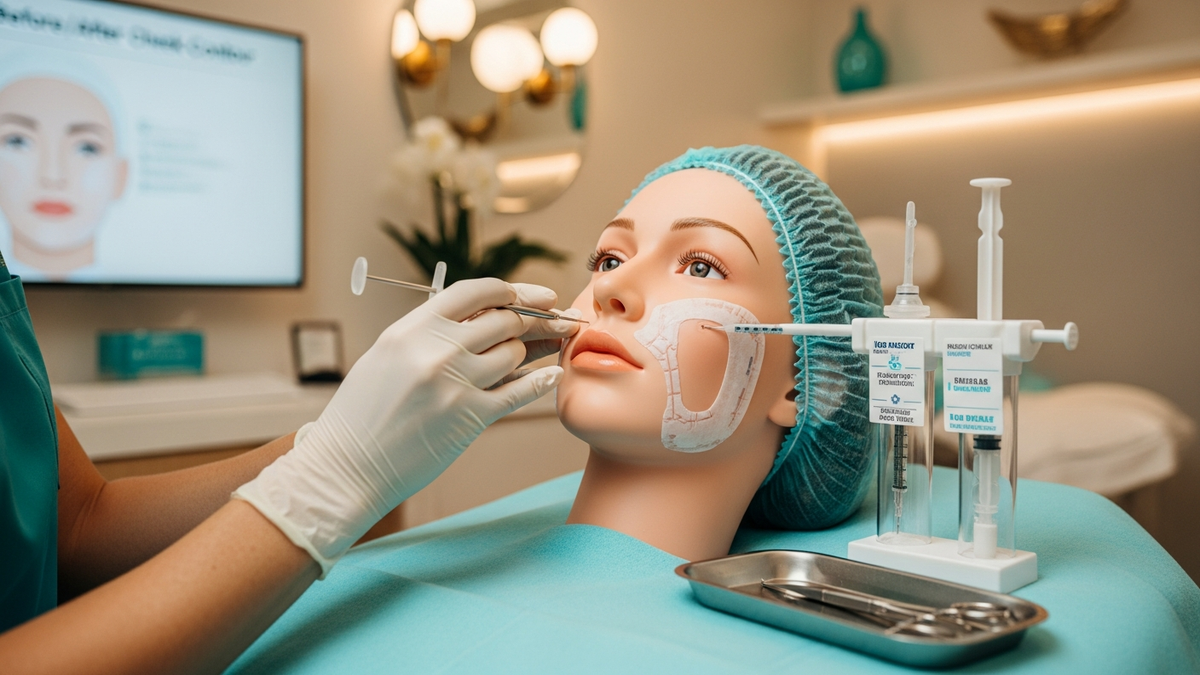
Fat grafting to cheeks (also called fat transfer or autologous fat) is a cosmetic procedure that transfers small, carefully processed amounts of fat into the cheek area to restore volume and improve facial harmony. Because the fat comes from your body, many patients experience a natural integration and a gentle enhancement that complements existing facial features.
Cheek volume loss can happen gradually due to aging, genetics, weight changes, smoking, and lifestyle factors. When the midface loses support, skin may look looser, smile lines may deepen, and the face can appear more “hollow” or tired. By replenishing volume in targeted planes, fat grafting can help restore balance.
How cheek fat grafting differs from dermal fillers
Both dermal fillers and fat grafting can add volume, but they work differently:
- Source of material: Fat grafting uses your own fat; fillers use manufactured substances.
- Longevity: Fat grafting can be long-lasting, but not all transferred fat survives. Fillers also vary in duration depending on the product.
- Biologic behavior: Fat is living tissue. Its survival depends on technique, handling, vascular health, and individual factors.
- Procedure footprint: Fat grafting includes fat harvesting (liposuction) plus placement; fillers are typically injected without harvesting.
Why Cheeks? Understanding Midface Anatomy and Facial Harmony
The cheeks sit at the center of the midface and strongly influence how the eyes, nasolabial folds, and overall facial proportions appear. When volume decreases, the face can lose a youthful “lift,” and shadows under the eyes may become more noticeable.
While every patient is unique, cheek fat grafting often targets areas such as:
- Mid-cheek / zygomatic region for restoring youthful support
- Submalar and lateral cheek to improve contour transitions
- Smile-line support (in select patients) to soften deeper lines
Experienced facial plastic surgeons plan fat placement based on anatomy, skin quality, and the patient’s desired aesthetic outcome—often using preoperative imaging and careful measurements.
What “natural-looking” really means
Natural outcomes typically involve:
- Subtlety over exaggeration—building volume gradually and strategically
- Correct placement in appropriate tissue planes
- Appropriate volume planning based on how much fat is expected to survive
- Symmetry and facial balance rather than a “one-size-fits-all” approach
How Fat Grafting to Cheeks Works (Step-by-Step)
Though details vary by surgeon and patient, cheek fat grafting generally follows a structured process.
1) Consultation and personalized treatment planning
Your journey begins with a comprehensive evaluation. A qualified facial plastic surgeon will assess:
- Facial volume distribution and symmetry
- Skin thickness and quality
- Bone structure and underlying support
- Fat availability for harvesting
- Medical history (including medications, smoking status, and prior surgeries)
In Los Angeles, many patients also compare cheek fat grafting with other facial procedures—such as Facelift or Blepharoplasty—to determine the best “whole-face” strategy. The right plan depends on whether volume loss, skin laxity, or both are driving the aging appearance.
2) Fat harvesting (liposuction)
Small amounts of fat are typically harvested from donor areas such as the abdomen, thighs, or flanks. The goal is to collect fat cells in a way that supports viability after processing and transfer.
3) Processing and preparation
Collected fat is processed to optimize the quality of the graft. Different techniques exist, but the overarching objective is to preserve fat cell integrity and reduce undesirable components.
4) Injection and placement
Placement is performed with precision to match the patient’s anatomy. Surgeons may use small volumes in multiple micro-deposits to support better integration. The technique is a major factor in how naturally the cheeks look over time.
5) Monitoring and follow-up
After surgery, swelling gradually improves. The final look evolves as the body heals and the graft stabilizes. Follow-up visits are essential to track healing and discuss any adjustments.
What Results to Expect After Fat Grafting to Cheeks
One of the most important aspects of fat grafting to cheeks is setting realistic expectations. Because transferred fat must establish blood supply to survive, the outcome is not always immediate.
Timeline: when you’ll notice changes
- First days: Swelling, bruising, and tenderness are common.
- Weeks 1–4: Swelling decreases; you may see early contour changes.
- Months 1–3: Some fat may resorb while other areas stabilize.
- Months 3–6: Many patients see the most meaningful final contour as healing completes.
- 6+ months: Results typically continue to mature. Touch-ups are sometimes considered for select cases.
How long do cheek fat grafting results last?
Fat grafting results can be long-lasting because mature, surviving fat may remain integrated. However, it’s normal for some degree of resorption to occur. Longevity also depends on factors like:
- Graft handling and placement technique
- Patient health (circulation, metabolic health, and smoking status)
- Weight stability after surgery
- Individual biology and fat survival rates
Will I need more than one session?
Some patients achieve their ideal result in one procedure, while others—especially those needing substantial volume—may benefit from staged grafting. Your surgeon can estimate how much volume is realistic based on your facial anatomy and available donor fat.
Ideal Candidates for Fat Grafting to Cheeks
Cheek fat grafting can be an excellent option for patients seeking subtle, natural volume restoration. Ideal candidates often include:
- People with mild to moderate midface volume loss
- Patients who desire autologous (self-derived) tissue
- Individuals with adequate donor fat for harvesting
- Non-smokers or those who can follow strict pre- and post-op instructions
- Patients with realistic goals and an understanding of healing variability
In some cases, alternative or complementary procedures may be recommended—particularly if skin laxity, muscle changes, or structural aging are more prominent than volume loss. A thorough consultation helps determine whether fat grafting alone is enough or if a combined plan is better.
Benefits of Fat Grafting to Cheeks
Patients choose cheek fat grafting for a variety of reasons, including:
- Natural-looking results due to using your own tissue
- Biocompatibility from autologous fat
- Dual benefit of fat transfer and donor-site contouring (in many patients)
- Potential for long-term volume when graft survival is strong
Risks and Side Effects (What You Should Know)
All surgical procedures involve risks. Understanding them helps you make a safer, more informed decision.
Common, expected effects
- Swelling and bruising
- Temporary firmness or irregularity
- Discomfort at donor and recipient sites
Potential complications
While many patients heal smoothly, possible complications include:
- Fat resorption (partial loss of transferred volume)
- Asymmetry requiring revision in select cases
- Cysts or nodules (uncommon, but can occur)
- Infection or delayed healing
- Contour irregularities
- Scarring at donor sites
Your surgeon should review how they minimize risk, how they manage complications if they arise, and what you can do before and after surgery to support healing.
Recovery: What to Expect After Cheek Fat Grafting
Recovery varies by person, but most patients can plan for a structured healing period.
Typical recovery timeline
- Day 1–3: Rest, swelling management, and careful adherence to instructions.
- Week 1: Bruising and swelling continue to shift and improve.
- Weeks 2–3: Many patients return to light activities; visible swelling may still be present.
- Weeks 4–6: Most patients see significant improvement and can resume more normal routines as approved by their surgeon.
Helpful recovery tips
- Follow medication guidance (pain control, antibiotics if prescribed, and any topical care).
- Sleep with your head elevated to reduce swelling.
- Avoid smoking and nicotine products—these can impair graft survival.
- Stay consistent with post-op appointments for monitoring and guidance.
- Be patient with the timeline—early appearance is not the final result.
When to call your surgeon
Contact your care team promptly if you experience severe pain that worsens, fever, increasing redness, drainage, or any concerning symptoms.
How Much Does Fat Grafting to Cheeks Cost?
Cost varies widely based on factors like the amount of fat transferred, number of sessions, anesthesia needs, surgeon expertise, and facility fees. Instead of focusing only on price, consider the full value:
- Surgeon training and experience in facial aesthetics and fat grafting
- Approach to natural placement and realistic volume planning
- Safety protocols and postoperative support
During your consultation, ask for a detailed estimate and what’s included. If you’re comparing options, ensure you understand how much time, recovery, and potential revision are part of the plan.
Choosing a Surgeon for Fat Grafting to Cheeks
Because fat grafting is technique-sensitive, choosing the right surgeon matters. The best outcomes often come from a surgeon who is meticulous about facial anatomy, patient selection, and graft handling.
What to look for in a qualified provider
- Board certification and specialized training in head and neck/facial aesthetics
- Strong track record of natural cheek and midface results
- Transparent communication about risks, expected timelines, and limitations
- Personalized planning rather than a cookie-cutter approach
- Before-and-after documentation that reflects outcomes similar to your goals
- Follow-up care and a clear revision policy if needed
Why facial plastic and reconstructive expertise can matter
Cheek fat grafting sits within a broader framework of facial function and aesthetics. Surgeons who focus on head and neck procedures often bring a deep understanding of tissue planes and structural balance. For example, Dr. Hootan Zandifar is a double board-certified, fellowship-trained facial plastic and reconstructive surgeon who focuses solely on cosmetic and reconstructive surgery of the head and neck. This specialization supports a holistic approach to facial rejuvenation—especially when volume restoration may need to be coordinated with other procedures.
In addition to cheek fat grafting discussions, patients in Beverly Hills and surrounding areas may explore complementary options such as Rhinoplasty for nasal aesthetics, Septoplasty (or addressing a Deviated Septum) for nasal function, or eyelid and brow rejuvenation procedures like Blepharoplasty—depending on individual goals.
Fat Grafting to Cheeks vs. Other Midface Options
Patients often ask whether fat grafting is the best route. The answer depends on your anatomy, skin quality, and the type of aging you’re addressing.
Fat grafting vs. dermal fillers
- Fillers: Often quicker with less downtime; results can be adjusted in smaller increments.
- Fat grafting: Uses living tissue and may provide longer-lasting volume, but requires harvesting and has variable survival.
Fat grafting vs. facelift
If your primary concern is skin laxity and sagging, a Facelift may address more than volume. However, some patients benefit from combining volume restoration with lifting procedures for a comprehensive effect. Your surgeon can recommend the most appropriate plan based on exam findings.
Fat grafting vs. skin tightening or energy-based treatments
Energy-based treatments can improve texture and tightness, but they typically don’t replace lost structural volume in the same way fat grafting does. Many patients use these as adjuncts rather than replacements.
Preparing for Your Cheek Fat Grafting Consultation
A strong consultation can make a meaningful difference. Here are practical steps you can take:
Bring helpful information
- A list of current medications and supplements
- Details of prior cosmetic procedures or surgeries
- Photos of your face in different lighting and expressions
- Your goals and what you want to improve (e.g., “hollow cheeks,” “nasolabial fold shadows,” “midface support”)
Ask targeted questions
- How much volume do you recommend and why?
- What is your approach to fat handling and placement?
- What is the expected timeline for seeing final results?
- How do you manage asymmetry or partial resorption?
- What does recovery look like for my schedule and lifestyle?
Consider lifestyle factors that affect outcomes
- Smoking/nicotine: Avoid, if possible, and follow your surgeon’s guidance.
- Nutrition: Adequate protein and micronutrients support healing.
- Hydration and sleep: Helps recovery and reduces perceived swelling.
- Weight stability: Try to avoid major fluctuations after surgery.
Frequently Asked Questions About Fat Grafting to Cheeks
1) Is fat grafting to cheeks permanent?
It can be long-lasting, but not all transferred fat survives. Many patients experience durable results, though some degree of resorption is possible. Your surgeon can estimate expected survival based on your case and technique.
2) How long is the recovery for cheek fat transfer?
Many patients return to light activities within 1–2 weeks, with visible swelling and bruising gradually improving. More meaningful contour stabilization often occurs over 1–3 months, with final results typically continuing to mature around 3–6 months.
3) Will my cheeks look lumpy or uneven at first?
Temporary firmness, swelling irregularities, or mild unevenness can occur as the graft settles. This usually improves as healing progresses. It’s important to attend follow-up visits so your surgeon can confirm normal healing versus a complication.
4) Who should not get fat grafting to cheeks?
People who smoke heavily, have uncontrolled medical conditions, or lack adequate donor fat may not be ideal candidates. Additionally, if your primary concern is significant skin laxity or structural aging, other procedures may be recommended alone or in combination.
5) Can fat grafting be combined with other facial procedures?
Yes, it’s often possible to combine procedures depending on your goals and safety considerations. Some patients coordinate midface volume restoration with procedures like eyelid or brow rejuvenation, or with lifting strategies when appropriate.
CTA: Ready to Discuss Cheek Volume Restoration?
If you’re considering fat grafting to cheeks, the best next step is a personalized consultation with a qualified facial plastic and reconstructive surgeon. You’ll get a tailored plan based on your anatomy, your goals, and your overall facial aging pattern—so you can pursue natural-looking results with confidence.
Schedule a consultation to review candidacy, technique options, and realistic expectations for your midface.
Note: While this article references common procedures and concepts across facial aesthetics, your plan should be determined by an in-person evaluation.
Professional Disclaimer
This content is provided for general educational purposes only by FlowGeniQ Digest. It is not a substitute for professional advice, diagnosis, or treatment. Readers are advised to consult qualified professionals for personalized recommendations.
Medical Information Disclaimer
This content is provided for general educational purposes only by FlowGeniQ Digest. It is not a substitute for professional advice, diagnosis, or treatment. Readers are advised to consult qualified professionals for personalized recommendations.