Source note: This article is created for FlowGeniQ Digest readers seeking clear, evidence-informed guidance on cosmetic procedures. It’s designed to help you understand the process of fat grafting to buttocks—not to replace a medical consultation.
The search for natural-looking curves has brought fat grafting to buttocks into the spotlight. Often discussed as a “Brazilian butt lift” (BBL), this technique uses your own fat to enhance shape and improve proportion. For many patients, the appeal is straightforward: results that can look soft and lifelike, with fat harvested from areas where it’s unwanted.
Still, successful outcomes depend on more than aesthetics. The procedure’s safety, the surgeon’s technique, and your individual anatomy all play major roles—especially because fat transfer to the buttocks carries specific risks that must be understood before you decide.
What Is Fat Grafting to Buttocks?
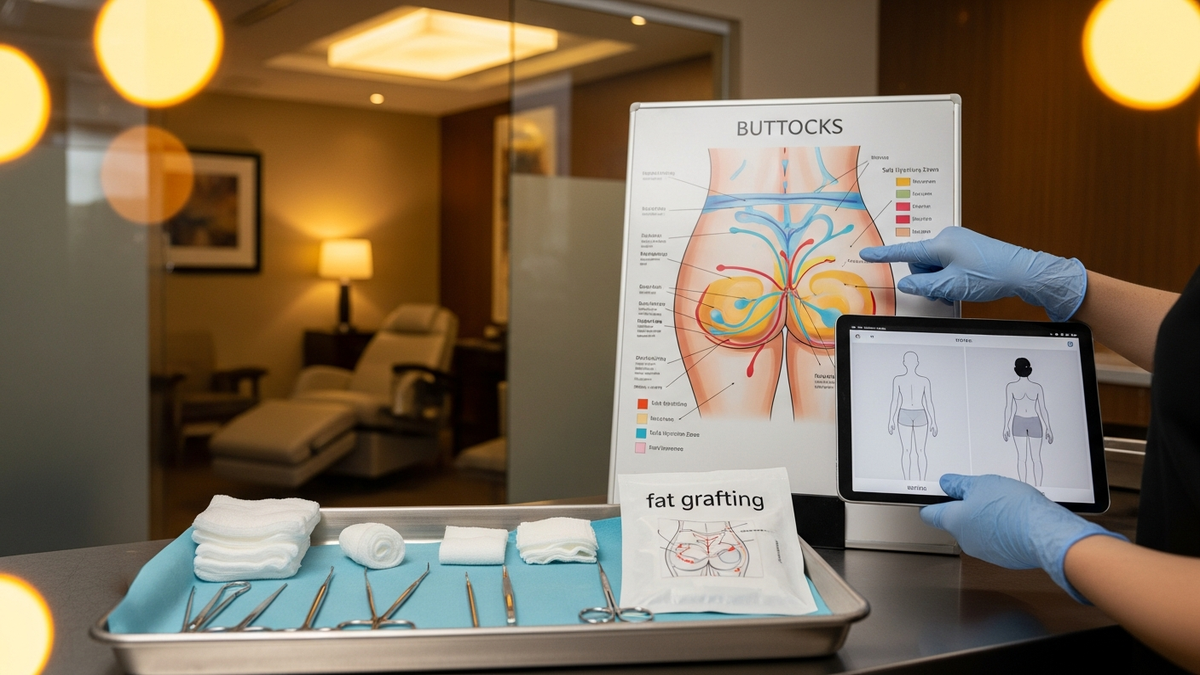
Fat grafting to buttocks is a cosmetic procedure that transfers fat from one part of your body to the buttocks. The surgeon harvests fat using liposuction, processes it, and then injects it into targeted areas of the buttocks to create volume and contour.
Many people use the term Brazilian butt lift to describe this same general approach. Regardless of naming, your consultation should clarify the exact plan: where fat will be harvested, how much volume is anticipated, how the fat will be processed, and how the surgeon will manage safety.
Why patients choose fat transfer to the buttocks
- Natural appearance: Using your own tissue can create soft, dynamic results.
- Body contouring benefits: Liposuction can refine the donor area.
- Personalized shaping: Many surgeons tailor injection patterns to your pelvis, hip width, and existing buttock shape.
- Single-tissue solution: You’re enhancing the buttocks using tissue that’s already part of your body.
Is Fat Grafting to Buttocks Right for You?
Great candidates tend to have realistic goals, sufficient donor fat, and a healthy baseline for surgery and recovery. During your consultation, a qualified surgeon should evaluate your anatomy, discuss expectations, and review your medical history.
Common candidacy factors
- Enough donor fat for safe harvest and processing.
- Good skin quality to support contouring and healing.
- Stable weight and a plan to maintain it after surgery.
- No contraindications such as uncontrolled chronic illness or conditions that increase surgical risk.
- Understanding of fat survival—some of the transferred fat may resorb.
Questions to ask before you commit
- What is my estimated fat retention? (A thoughtful surgeon explains that results depend on technique and biology.)
- Where will you inject, and how do you prioritize safety? (This should include a discussion of injection plane and risk mitigation.)
- How many procedures do you recommend? (Some patients benefit from staged approaches rather than one large session.)
- What donor areas will be used? (Your plan should balance aesthetics and safety.)
- What does recovery look like in my case? (Work timeline, sitting restrictions, and follow-up schedule.)
How Fat Grafting to Buttocks Works: Step-by-Step
While techniques vary, the core stages of fat grafting to buttocks usually follow a structured workflow: harvest, processing, and precise injection. Your surgeon should be able to explain each stage clearly.
1) Consultation and surgical planning
During the pre-op visit, your surgeon should assess your buttock shape, donor fat distribution, and overall body proportions. A detailed plan helps determine where fat will be harvested and how the buttocks will be contoured.
2) Liposuction: harvesting donor fat
Liposuction removes fat from selected areas—often the abdomen, flanks, back, thighs, or other regions depending on your body type. The goal is to collect viable fat while minimizing trauma so the fat can survive after transfer.
3) Fat processing
Before injection, the harvested fat is processed to prepare it for transfer. Ask your surgeon how they process fat and why their method supports fat viability and predictable results.
4) Injection and contouring
Surgeons use careful injection techniques and mapping to create volume where it will look balanced and natural. The injection strategy should respect anatomy and prioritize safe tissue handling.
5) Post-procedure monitoring
After surgery, monitoring is essential. Your clinic should provide clear instructions for wound care, activity limits, and follow-up visits.
Note: Because safety is critical in buttock fat transfer, your consultation should include a frank discussion of risks and how the surgical team mitigates them.
Expected Results: What You Can Realistically See
One reason patients love fat grafting to buttocks is the potential for natural, gradual improvement. However, it’s important to understand the timeline and what “full results” means.
Typical timeline
- First days to weeks: Swelling, bruising, and changing contour are common.
- 1–3 months: Some volume may diminish as swelling decreases and early fat survival stabilizes.
- 3–6 months: Many patients start to see a clearer final contour.
- 6–12 months: Final results may continue to refine as tissues settle.
Why results vary
Fat transfer outcomes depend on multiple variables, including:
- Donor fat quality and harvesting technique
- Processing method
- Injection technique and distribution
- Your healing response
- Post-op compliance (especially sitting and activity guidelines)
How to evaluate before-and-after photos
When reviewing results, look for consistency in:
- Harmony with body proportions (not just isolated volume)
- Skin quality and texture
- Natural transitions from hips to buttocks
- Realistic swelling timing in the photos
Safety Considerations and Risks of Fat Grafting to Buttocks
Safety is a non-negotiable part of any surgical decision. With fat grafting to buttocks, risk discussion should be specific, not generic. A reputable surgical team will explain potential complications, warning signs, and how they reduce risk.
Common risks and complications
- Swelling and bruising
- Infection (rare, but possible)
- Seroma or fluid collections
- Fat necrosis (localized tissue changes)
- Asymmetry or contour irregularities
- Scarring at liposuction sites
Why technique and injection plane matter
Buttock fat transfer has unique safety concerns in plastic surgery. The surgical team’s approach—especially how fat is placed and how the procedure is performed—can influence risk. This is why it’s essential to choose an experienced, safety-focused provider who can explain their protocol and track record.
Red flags after surgery
Follow your surgeon’s instructions, and seek urgent medical care if you experience severe symptoms such as:
- Chest pain, shortness of breath, or fainting
- Rapidly worsening pain or swelling
- High fever or signs of infection
- Persistent drainage with worsening redness
Recovery Guide: What to Expect After Fat Grafting to Buttocks
Recovery is where many outcomes are protected—or compromised. Following your surgeon’s plan closely can support healing, minimize complications, and help preserve transferred fat.
Immediate post-op (first 1–2 weeks)
- Compression and dressings: You may wear compression garments to support healing and reduce swelling.
- Activity limits: Walking is often encouraged, but heavy lifting and strenuous exercise are typically restricted.
- Sitting precautions: Many protocols include strict sitting limitations to protect the grafted areas.
- Pain management: Your team should provide a clear medication plan.
Weeks 3–6: gradually returning to daily life
Your surgeon may allow more normal movement depending on your healing and the specifics of your procedure. However, you should still avoid activities that strain the buttocks or jeopardize healing.
Months 2–6: building toward fitness
Exercise timelines vary by patient. A common goal is to return to light activity first, then progress to more intense workouts as your surgeon clears you.
How to support fat survival during recovery
- Follow sitting and positioning rules exactly as provided.
- Attend all follow-up appointments so your surgeon can monitor healing.
- Stay hydrated and eat a balanced diet.
- Avoid smoking and nicotine products, which can impair healing.
- Take medications as directed and report side effects promptly.
Choosing a Surgeon for Fat Grafting to Buttocks
Because outcomes depend heavily on expertise and technique, selecting the right provider is one of the most important steps in your journey. A high-quality consultation should feel educational, transparent, and tailored—not rushed.
What to look for
- Board certification and relevant training
- Experience with buttock fat transfer and a safety-first approach
- Clear, realistic communication about expected results and variability
- Before-and-after photos that reflect your goals and anatomy
- Comprehensive aftercare including follow-up and complication guidance
How FlowGeniQ Digest supports informed decision-making
At FlowGeniQ Digest, we focus on helping readers understand procedures through an educational lens—so you can go into your consultation prepared with the right questions. When you’re evaluating options, remember that “natural-looking” is not just a marketing phrase; it should be explained through technique, safety protocols, and realistic outcomes.
Professional context: In Los Angeles and beyond, patients explore multiple cosmetic and reconstructive options. For example, facial rejuvenation procedures such as Facelift, eyelid surgery like Blepharoplasty, and nasal refinement such as Rhinoplasty are commonly discussed alongside broader aesthetic goals. While those procedures are distinct from buttock fat transfer, the same principle applies: expertise, safety, and patient education matter across specialties.
Cost of Fat Grafting to Buttocks: What Influences Pricing?
Costs can vary widely. When comparing quotes, avoid focusing only on the lowest number. Instead, ask what’s included and what approach the surgeon recommends for your anatomy.
Common cost components
- Surgeon’s fee
- Facility and anesthesia fees
- Compression garments and post-op supplies
- Pre- and post-operative care
- Potential revisions (discuss whether they’re included under certain circumstances)
How to make cost comparisons responsibly
Ask for an itemized estimate and confirm whether the plan is based on your specific goals. If a quote seems unusually low, inquire about what’s driving the difference—technique, safety protocols, or included services.
Alternatives to Fat Grafting to Buttocks
Not everyone is an ideal candidate for fat transfer. Some patients may prefer other options based on anatomy, goals, or donor fat availability.
1) Buttock implants
Implants can provide more predictable volume for some patients. However, implant-based approaches come with their own risks and recovery considerations.
2) Staged approaches
Some surgeons recommend smaller initial volume sessions to optimize fat survival and contour refinement over time.
3) Non-surgical body contouring
For subtle changes, non-surgical options may be considered, though they typically cannot replicate surgical volume enhancement.
Related note: Body composition and aesthetic goals often intersect with other procedures. For example, some patients explore hair restoration as part of their broader self-confidence journey—if you’re considering a different type of grafting, you may also find useful information in resources about hair transplant options.
Preparing for Your Consultation and Procedure
Preparation helps you show up informed and ready. A thoughtful pre-op plan can reduce stress and support smoother recovery.
Before your appointment
- Compile a list of medications, supplements, and allergies.
- Share your full medical history (including prior surgeries and complications).
- Bring reference photos of the look you want—along with what you don’t.
- Ask about anesthesia options and the surgical team involved.
Practical planning for recovery
- Arrange transportation for surgery day.
- Set up a recovery space with easy access to essentials.
- Plan for help during the first several days if needed.
- Prepare for sitting restrictions and follow your surgeon’s protocol.
What a high-quality surgeon should provide
Beyond the procedure itself, you should receive clear instructions about:
- Pre-op labs and medical clearance
- Medication adjustments
- Wound care and compression guidance
- When to return for follow-ups
- How to recognize and respond to complications
Frequently Asked Questions About Fat Grafting to Buttocks
1) How long does fat grafting to buttocks take?
Timelines vary based on the extent of liposuction, processing, and injection strategy. During your consultation, your surgeon should provide an estimated duration for surgery and time spent in recovery monitoring.
2) Will all the transferred fat survive?
No procedure can guarantee 100% survival. Some degree of volume reduction is common as swelling resolves and the body stabilizes. Your surgeon can discuss typical retention ranges and how technique influences outcomes.
3) Is fat grafting to buttocks painful?
Most patients experience discomfort and soreness, especially in donor areas. Pain levels vary, and your surgical team should provide a medication plan and clear guidance on what’s normal versus concerning.
4) When can I sit normally after fat grafting to buttocks?
Sitting restrictions are an important part of many protocols. The exact timeline depends on your surgeon’s approach and your healing progress—follow their instructions closely.
5) How do I choose between fat grafting and other options?
The best choice depends on your goals, anatomy, donor fat availability, and risk tolerance. A qualified surgeon can help you compare fat transfer versus alternatives such as implants or staged strategies based on your specific case.
CTA: Ready to Explore Fat Grafting to Buttocks?
If you’re considering fat grafting to buttocks, the next step is a consultation where your goals, anatomy, and safety plan are discussed in detail. A great visit should feel like education—clear answers, realistic expectations, and a tailored approach.
Actionable next steps:
- Schedule a consultation with a qualified surgeon experienced in buttock fat transfer.
- Bring questions from this guide, especially around safety protocols and recovery.
- Review your donor fat availability and ask about your estimated results timeline.
For readers who are exploring multiple aesthetic areas, consider how your overall health and surgical priorities align. For instance, some patients also seek head-and-neck or facial rejuvenation procedures—such as Septoplasty for nasal function and comfort or Deviated Septum concerns—while planning their broader confidence journey.
In short: choose a plan that supports both your appearance goals and your long-term well-being.
Professional Disclaimer
This content is provided for general educational purposes only by FlowGeniQ Digest. It is not a substitute for professional advice, diagnosis, or treatment. Readers are advised to consult qualified professionals for personalized recommendations.
Medical Information Disclaimer
This content is provided for general educational purposes only by FlowGeniQ Digest. It is not a substitute for professional advice, diagnosis, or treatment. Readers are advised to consult qualified professionals for personalized recommendations.