Fat grafting is one of the most versatile procedures in modern aesthetic and reconstructive medicine. Whether you’re looking to restore volume that has faded with age, refine facial contours, or improve the appearance of scars, fat grafting can offer natural-looking results by using your own biologic material. In this FlowGeniQ Digest guide, we’ll walk through how fat grafting works, who may be a good candidate, the main techniques surgeons use, and what a thoughtful recovery plan looks like.
Because outcomes depend heavily on technique, patient selection, and aftercare, it’s essential to discuss your goals with a qualified surgeon. Let’s start with the fundamentals—then move into the details that matter most.
What Is Fat Grafting?
Fat grafting (also called fat transfer or autologous fat transplantation) is a procedure in which fat is harvested from one area of the body and processed so it can be injected into another area. The goal is to add volume, improve texture, and create smoother, more youthful contours.
Unlike many fillers that use synthetic or non-autologous materials, fat grafting uses tissue from your own body. That biological compatibility is one reason it’s commonly used for both cosmetic enhancement and select reconstructive applications.
Where Fat Grafting Is Commonly Used
Surgeons may recommend fat grafting for:
- Facial volume restoration (cheeks, temples, under-eye hollows in select cases)
- Contour refinement (jawline, chin, nasolabial region)
- Scar improvement (texture and contour changes in appropriate cases)
- Breast reconstruction or contour support (in selected patients, often as part of a broader plan)
- Hand rejuvenation (for volume loss and skin creasing)
In head-and-neck aesthetic planning, fat grafting may be considered alongside other facial rejuvenation options—always tailored to anatomy, skin quality, and the patient’s goals.
How Fat Grafting Works (Step-by-Step)
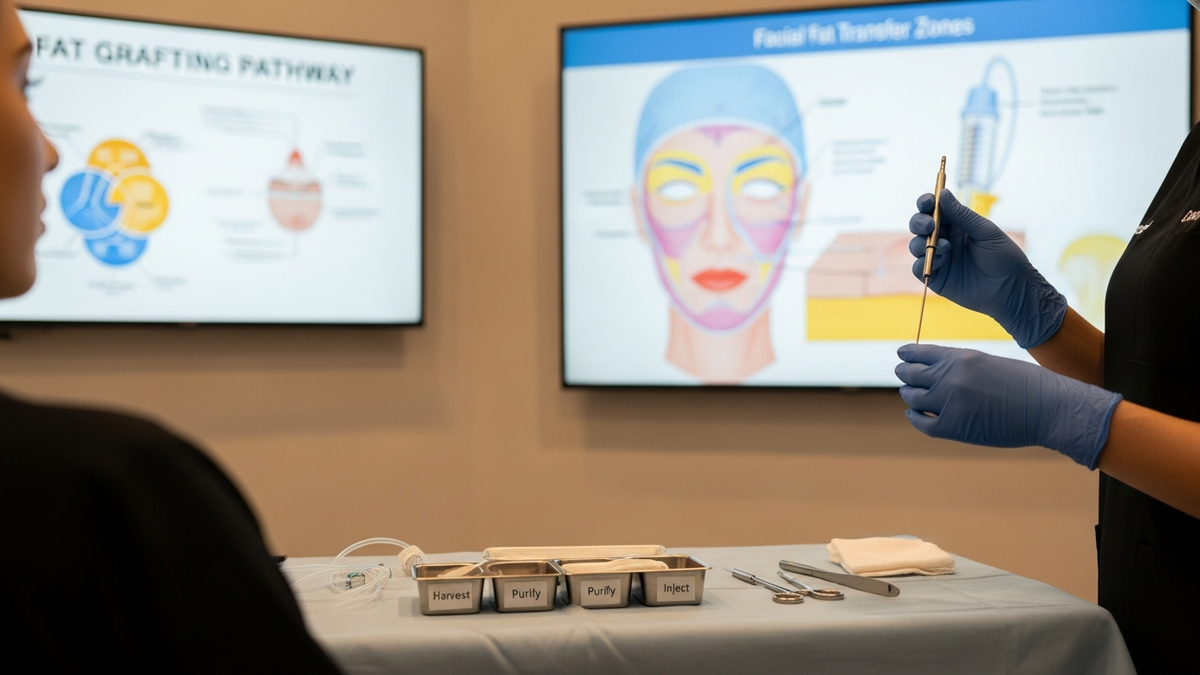
Most fat grafting procedures follow a similar core workflow: harvest → process → inject. The details (how fat is processed and how it’s layered during injection) can vary and can influence outcomes.
1) Fat Harvesting
Fat is typically collected via a minimally invasive technique such as liposuction from a donor site where excess fat is available. Common donor areas include the abdomen, flanks, thighs, or hips.
Key concept: Gentle harvesting helps preserve fat cell viability. The goal is not simply to “remove fat,” but to collect healthy, functional fat for transfer.
2) Processing the Fat
After collection, the fat is processed to remove unwanted components (such as excess fluid and blood) and to prepare a consistent graft material. Processing methods may include centrifugation and filtration, depending on the surgeon’s protocol and the patient’s needs.
Key concept: Processing aims to improve the quality of the graft so more of the transferred fat can survive and integrate.
3) Injection and Layering
Surgeons inject processed fat using careful technique, often placing grafts in specific tissue planes and in small aliquots. This approach can support more predictable integration and reduce the risk of lumps or unevenness.
Key concept: “Where” and “how” fat is injected matters. Layering strategies and injection pattern influence contour smoothness.
Benefits of Fat Grafting
When performed thoughtfully, fat grafting can provide benefits that extend beyond simple volume. Below are commonly cited advantages—along with realistic expectations.
Natural-Looking Volume and Contour
Because the graft is your own tissue, many patients experience a soft, integrated look rather than a “one-dimensional” filler effect.
Biologic Tissue Quality
Adipose tissue contains not only fat cells but also supportive stromal components. While results vary, some patients and surgeons value fat grafting for both volumizing and potential skin-quality improvements in select indications.
Versatility Across Facial and Reconstructive Goals
Fat grafting can be used for subtle refinement or, in certain cases, more substantial reconstruction. It may also be integrated into broader treatment plans.
Donor Site Improvement (In Select Patients)
When the donor site has adequate fat, harvesting may offer a dual benefit: tissue transfer plus contour improvement at the donor area.
Fat Grafting vs. Dermal Fillers: What’s the Difference?
Many people compare fat grafting to hyaluronic acid or other injectable fillers. While both aim to improve facial volume and contours, they differ in material, longevity, and surgical involvement.
Material and Approach
- Fat grafting: Surgical harvest + processing + injection of autologous tissue.
- Dermal fillers: Non-surgical injections using manufactured gels or stimulatory agents.
Longevity and Predictability
Fat grafting can be long-lasting, but it is not always 100% permanent. Some degree of resorption is expected as part of the graft survival process. In contrast, many fillers are designed for more predictable time-limited outcomes, depending on the product.
Your surgeon can help you determine which approach aligns better with your goals, anatomy, and timeline.
Are You a Good Candidate for Fat Grafting?
Ideal candidates for fat grafting generally have:
- Realistic goals (subtle-to-moderate contour enhancement is often the sweet spot)
- Appropriate donor fat for harvest
- Good overall health and the ability to follow pre- and post-procedure instructions
- Skin quality that can support contour changes
During your consultation, a surgeon will evaluate facial anatomy, skin thickness, volume loss pattern, and any areas that may require additional planning (for example, skin laxity or structural support).
When Additional Procedures May Be Considered
Some patients need more than volume. For example, if sagging, skin redundancy, or eyelid changes contribute to perceived aging, the plan may include other facial procedures. In head-and-neck aesthetic practice, options like Facelift or Blepharoplasty may be discussed depending on your exam.
Similarly, reconstructive or functional concerns may require tailored surgical coordination.
Common Techniques and Graft Strategies
There isn’t one single “fat grafting” method. Surgeons may use different harvesting devices, processing protocols, and injection patterns based on the target area. Here are technique principles that commonly influence results.
Microdroplet or Multi-Layer Placement
Smaller-volume, multi-layer injection patterns are often used to improve graft distribution and reduce unevenness. The goal is to maximize contact between graft material and recipient tissue.
Target Area-Specific Planning
Fat grafting to the cheeks may differ from fat grafting to the under-eye area or hands. Each region has distinct tissue characteristics, vascularity, and contour dynamics.
Managing Expectations for Graft Take
Some transferred fat survives and integrates; some may be reabsorbed over time. Surgeons may plan for this by adjusting volume and discussing the possibility of staged refinement.
Risks and Side Effects of Fat Grafting
Every surgical procedure involves potential risks. Understanding them helps you weigh benefits and make informed decisions.
Possible Short-Term Effects
- Swelling and bruising at donor and recipient sites
- Temporary firmness or tenderness
- Asymmetry during early healing (contours often evolve as swelling resolves)
Potential Complications
- Lumps or fat necrosis (rare but possible; may require evaluation or treatment)
- Infection (uncommon with proper technique and aftercare)
- Persistent contour irregularities
- Fat graft resorption leading to less-than-expected volume
Choosing a surgeon with demonstrated experience in fat grafting and following a structured aftercare plan can reduce risk.
Recovery Timeline: What to Expect After Fat Grafting
Recovery varies by the extent of harvesting and the number of injection sites. However, most patients can expect a staged healing process.
First Few Days
- Swelling and bruising are most noticeable
- Pain is typically manageable with prescribed or recommended medications
- Compression or supportive garments may be used for donor sites
Week 1–2
- Bruising gradually improves
- Some firmness may persist as tissues heal
- Most patients can return to light activities, depending on their surgeon’s guidance
Weeks 3–8
This is often a period of visible improvement, as swelling decreases and contours settle. However, final results may still be evolving.
3–6 Months (and Beyond)
Many patients evaluate longer-term contour stability around this window. If additional refinement is needed, surgeons may discuss timing for a secondary session.
How to Prepare for Fat Grafting
Preparation is a practical step that can meaningfully influence your experience and healing. Here are actionable recommendations commonly advised by experienced surgical teams.
Follow Medication and Lifestyle Guidance
- Discuss all medications and supplements you take.
- Ask about blood-thinning medications and when to stop them.
- If you smoke, ask for a cessation plan—smoking can impair healing.
- Plan for hydration and adequate nutrition before and after the procedure.
Plan Your Logistics
- Arrange transportation if needed.
- Schedule time off for early recovery.
- Prepare comfortable clothing that accommodates any donor-site dressings or compression.
Set Realistic Expectations
Ask your surgeon how they measure success for your specific area. In many cases, the goal is a natural improvement that harmonizes with existing facial features—not perfection at every millimeter.
Aftercare: Protecting Your Results
Aftercare can be the difference between “good healing” and “excellent long-term integration.” While your surgeon’s instructions are always the priority, these aftercare principles are commonly emphasized.
Compression and Support
If you’re given compression garments for donor sites, wear them as directed. Support can reduce swelling and improve comfort.
Gentle Activity and Exercise Timing
Follow your surgeon’s timeline for returning to exercise. Avoid activities that may increase swelling or disrupt healing too early.
Massage: Only If Recommended
Some patients ask about massage to improve graft distribution. However, massage protocols vary and should be guided by your surgeon. Incorrect massage can worsen unevenness or irritation.
Attend Follow-Up Appointments
Follow-ups allow the surgical team to monitor swelling, symmetry, and healing. This is also the time to bring up any concerns—especially if you notice persistent lumps or unusual symptoms.
How to Choose a Surgeon for Fat Grafting
Choosing the right clinician is one of the most important decisions you’ll make. Look for experience, technique consistency, and a patient education approach.
What to Look For
- Documented experience in fat grafting for your target area
- Natural outcome philosophy grounded in anatomy, not templates
- Transparent risk discussion and realistic expectations
- Structured follow-up and clear aftercare instructions
Questions to Ask at Your Consultation
- How many fat grafting procedures have you performed for my specific area?
- What processing method and injection strategy do you use, and why?
- What are the most common reasons patients need refinement in my case?
- What does your recovery timeline look like for my schedule?
- How do you handle concerns like lumps, asymmetry, or partial resorption?
If you’re also exploring other facial rejuvenation options, a head-and-neck focused surgeon can help coordinate a cohesive plan. For example, some patients combine rejuvenation strategies—while others may need functional evaluation for nasal breathing or structural concerns. In that context, procedures such as Septoplasty and evaluation of a Deviated Septum may be discussed when anatomy affects comfort or appearance.
Similarly, for patients seeking nose refinement alongside overall facial balance, Rhinoplasty may be part of the conversation. And for patients considering broader facial aging reversal, Facelift may be considered depending on skin laxity and tissue support needs.
Fat Grafting in a Broader Aesthetic Plan
Many patients don’t want a single change—they want a harmonious, balanced transformation. Fat grafting can complement other procedures, especially when volume loss, contour irregularities, and skin quality changes overlap.
How It May Pair With Facial Rejuvenation
- Blepharoplasty (eyelid surgery) for eyelid aging concerns: see Blepharoplasty
- Facelift for sagging and skin laxity: see Facelift
- Rhinoplasty for nose shape and balance: see Rhinoplasty
In a comprehensive plan, fat grafting may address volume and texture while other procedures address structural support and skin repositioning.
Fat Grafting and Hair Restoration: Different Goals, Different Procedures
It’s common for patients to explore multiple aesthetic improvements at once. For example, someone may be considering fat grafting for facial volume while also investigating hair loss solutions.
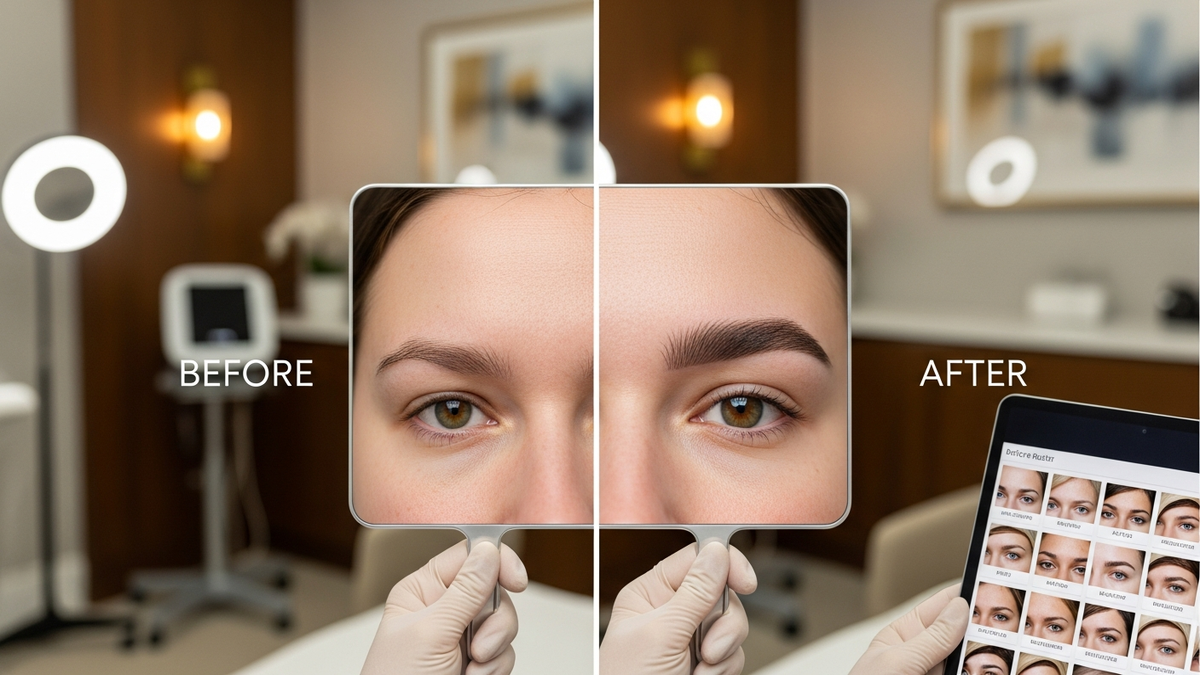
These are distinct treatment categories. Hair restoration often involves hair transplantation methods such as FUE or FUT. If you’re also evaluating a hair transplant, you can explore options here: hair transplant. Eyebrow restoration is another separate pathway; if that’s relevant, you may review eyebrow transplant.
Keeping goals separated helps you plan timelines, manage recovery, and ensure each procedure is optimized for its specific tissue and healing requirements.
Frequently Asked Questions About Fat Grafting
How long does fat grafting take?
Procedure time varies based on donor sites and the number of recipient areas. Your surgeon can estimate a timeframe after evaluating your anatomy. Many fat grafting sessions are planned as outpatient procedures, with a recovery period that depends on scope.
Will all the transferred fat survive?
No. Some resorption is expected as part of graft integration. Your surgeon will plan volume and technique to support graft take, and they may discuss whether staged refinement could be beneficial for your desired outcome.
When will I see final results?
Swelling can mask the true contour early on. Many patients see meaningful improvement within weeks, while final results often take several months as tissues stabilize.
Is fat grafting painful?
Most patients experience soreness and swelling rather than severe pain. Your surgical team will provide guidance on pain management and what’s normal during each stage of recovery.
What are red flags after fat grafting?
Contact your surgeon promptly if you develop signs of infection (fever, increasing redness, worsening pain), rapidly expanding swelling, or any concerning symptoms that differ from expected healing.
CTA: Ready to Explore Fat Grafting?
If you’re considering fat grafting, the next best step is a personalized consultation. A skilled surgeon can evaluate your donor options, target areas, and overall facial balance to recommend the most appropriate plan—whether that’s fat grafting alone or a coordinated approach with other rejuvenation strategies.
Action steps:
- Gather photos and notes about your goals (what you want to change and what you want to keep).
- List your medical history and current medications.
- Ask your surgeon about technique, expected outcomes, and the recovery timeline for your specific areas.
For readers exploring multiple head-and-neck aesthetic options, FlowGeniQ Digest encourages you to seek education first—and then choose a clinician who prioritizes patient understanding and natural results.
Professional Disclaimer
This content is provided for general educational purposes only by FlowGeniQ Digest. It is not a substitute for professional advice, diagnosis, or treatment. Readers are advised to consult qualified professionals for personalized recommendations.
Medical Information Disclaimer
This content is provided for general educational purposes only by FlowGeniQ Digest. It is not a substitute for professional advice, diagnosis, or treatment. Readers are advised to consult qualified professionals for personalized recommendations.