Facelift def is a shorthand many people use when they’re trying to understand the basics of a facelift—what it is, what it can (and can’t) do, and what the process typically looks like. In plain terms, a facelift is a cosmetic procedure designed to raise and tighten facial and neck skin and underlying tissues to create a more youthful, refreshed appearance. At FlowGeniQ Digest, we often receive questions from readers comparing “facelift” to other facial rejuvenation options, so this article aims to clarify the definition and translate it into practical expectations.
In Los Angeles and Beverly Hills, many patients explore facial plastic surgery to address visible signs of aging—such as sagging skin, deepening wrinkles, and loss of facial volume and definition. A board-certified facial plastic and reconstructive surgeon can help you choose the most appropriate plan based on anatomy, lifestyle, and desired outcomes.
Facelift def: What a facelift is (and what it isn’t)
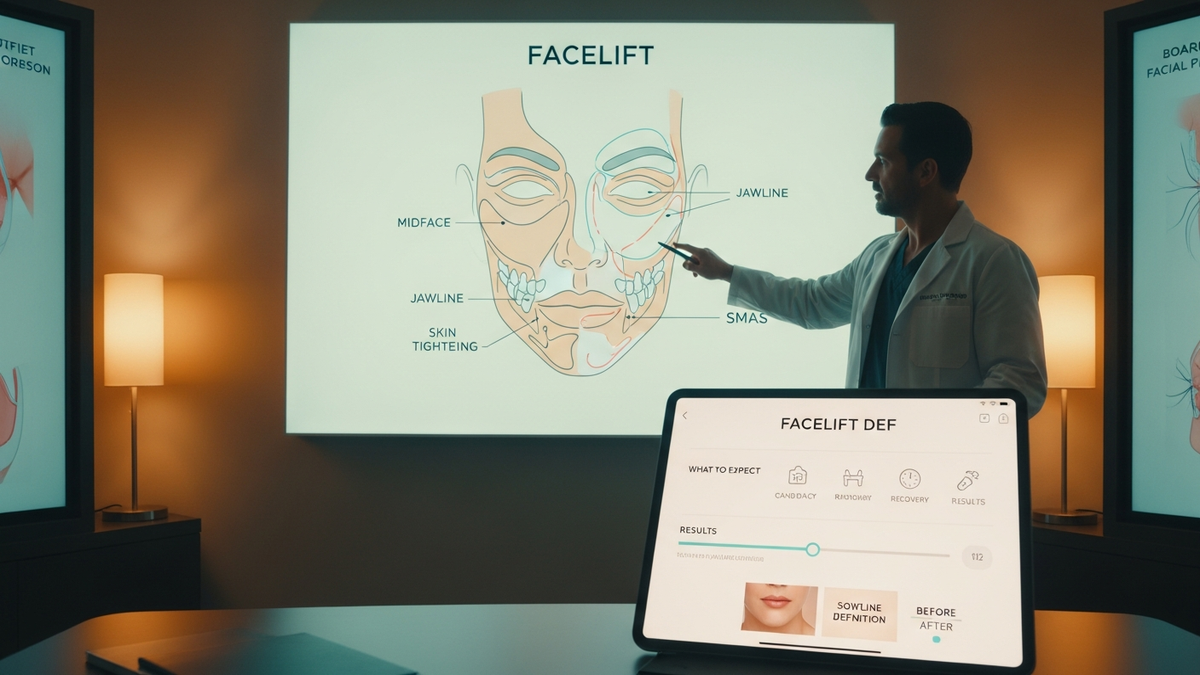
A facelift (sometimes called rhytidectomy) is a procedure that targets sagging tissues in the lower face and neck. The goal is to restore a more youthful facial contour by repositioning and tightening tissue layers.
What a facelift can do well:
- Lift sagging skin in the cheeks and jawline
- Tighten lax skin along the neck
- Reduce the appearance of jowls and some folds
- Improve the overall face-to-neck transition
What a facelift may not fully address by itself:
- Significant forehead or brow aging (often better treated with a brow lift)
- Upper eyelid heaviness or under-eye puffiness (often better treated with Blepharoplasty)
- All aspects of volume loss (many patients benefit from a combination approach—surgery plus targeted non-surgical rejuvenation)
- Skin texture changes from sun damage (may require resurfacing or other modalities)
Why “facelift def” searchers want clarity: the aging pattern matters
Facial aging isn’t one-size-fits-all. Two people can be the same age and still show very different changes due to genetics, sun exposure, weight fluctuations, skin quality, and facial structure. A meaningful facelift plan starts with identifying the anatomic vector of aging—where the tissues have descended, tightened, or loosened.
Common concerns that lead patients to consider a facelift
- Sagging cheeks or deepening nasolabial folds
- Jowls or a more prominent lower face
- Loose neck skin or visible bands
- Loss of jawline definition
- “Tired” facial appearance that persists despite makeup
When a facelift may be paired with other procedures
Many patients pursue a comprehensive facial rejuvenation plan. For example, some individuals explore eyelid surgery for eye-area aging, or a neck lift when the neck is a primary focus. Others may consider adjunctive treatments to refine proportions and balance.
Facelift vs. neck lift vs. other facial procedures
Readers searching “facelift def” are often comparing terms. While definitions overlap, the goals differ.
Facelift
Primarily addresses sagging tissues in the lower face and cheeks, often improving the face-to-neck transition.
Neck lift
Targets lax skin and tissue changes in the neck, helping tighten the neck contour. In many cases, a facelift and neck lift are combined or tailored to the patient’s needs.
Blepharoplasty (eyelid surgery)
Improves excess upper eyelid skin, under-eye puffiness, and sometimes functional concerns that affect comfort or vision. Learn more at Blepharoplasty.
Brow lift
Repositions the brow to reduce forehead wrinkles and can help prevent brow descent that contributes to an aged appearance or vision obstruction.
Submental liposuction
For localized fat deposits under the chin, minimally invasive fat reduction can improve definition. This may be considered alongside surgical tightening depending on anatomy.
Who is a good candidate for a facelift?
Ideal facelift candidates typically have:
- Visible skin laxity and/or sagging in the lower face and neck
- Realistic expectations about outcomes (rejuvenation, not perfection)
- Good overall health and the ability to follow pre- and post-operative instructions
- Commitment to smoking cessation and medication guidance
During a facial plastic consultation, the surgeon evaluates skin quality, tissue thickness, facial fat distribution, and the degree of laxity. They also discuss your goals: Are you trying to look more rested? More defined? Less sagging?
Important factors that influence candidacy
- Skin elasticity: Thinner or less elastic skin may require technique adjustments.
- Facial fat distribution: Some aging is driven by volume shifts rather than only skin laxity.
- Muscle and ligament support: Structural support changes can dictate surgical direction and depth.
- History of prior cosmetic surgery: Previous procedures can affect tissue mobility and scarring.
Facelift techniques: what “facelift def” can’t fully explain
When people ask for “facelift def,” they often want a simple one-line answer. But surgery is a layered process. The best results depend on choosing the right technique and executing it with precision.
Common technique considerations
- Vector-based lifting: Tissues are repositioned in a way that restores youthful tension rather than simply tightening skin.
- Layer-specific work: Different aging features respond to different depths and planes.
- Natural contouring: The surgeon aims for smooth transitions rather than an overly pulled look.
- Scar placement and closure: Incisions are typically designed to heal discreetly.
In expert hands, the objective is not to look “operated on,” but to create a refreshed, natural-looking result that harmonizes with your facial features.
What to expect during the facelift process
Understanding the steps can reduce anxiety and help you prepare. Here’s a practical walkthrough.
1) Consultation and personalized planning
Your consultation typically includes:
- Medical history review and discussion of goals
- Facial assessment (skin, soft tissue, jawline/neck contour)
- Discussion of risks, benefits, and realistic outcomes
- Review of procedure options and whether you need adjunctive treatments
At FlowGeniQ Digest, we emphasize that education is part of quality care. A surgeon who prioritizes patient education helps you make informed decisions and understand your individualized plan.
2) Pre-operative preparation
Preparation commonly includes:
- Medication guidance (including what to stop and when)
- Lab work or medical clearance when required
- Arranging help for the first days after surgery
- Planning your recovery space (comfort, hydration, easy access to supplies)
3) The procedure day
Facelifts are performed under anesthesia. Your surgical team will monitor you closely throughout the procedure and provide instructions for post-op care.
4) Early recovery: swelling, tightness, and bruising
It’s normal to experience swelling and bruising. Early discomfort often improves over time, and many patients can return to light activities within a short window—depending on their surgeon’s instructions and their individual healing.
5) Healing timeline: when you’ll see changes
Results evolve as swelling resolves:
- First 1–2 weeks: Swelling/bruising peak and then begin to improve; follow-up visits help track progress.
- Weeks 3–6: More refined contour becomes visible as tissues settle.
- Months 3–6: Continued tightening and maturation of healing; final look becomes clearer.
Healing is not instant. Patience is an essential part of the journey to natural-looking results.
How to maximize your facelift outcome
Great surgical technique matters—but so does what you do before and after. Here are actionable steps that can support healthier healing.
Before surgery
- Follow medication instructions precisely (especially blood-thinning medications and supplements).
- Stop smoking and avoid nicotine products as directed—nicotine can significantly impair healing.
- Manage chronic conditions like diabetes or autoimmune conditions with your clinician’s guidance.
- Prepare your recovery setup: comfortable pillows, easy-to-reach essentials, and a plan for transportation.
After surgery
- Attend all follow-ups so your surgeon can monitor healing and address concerns early.
- Follow wound care instructions exactly—don’t improvise.
- Limit strenuous activity during the initial recovery period.
- Stay hydrated and prioritize protein to support tissue repair.
- Protect your skin from sun exposure as directed to support scar maturation.
If you’re also considering other facial procedures, your surgeon will help sequence treatments appropriately. For example, eye-area surgery like Blepharoplasty or neck-focused tightening may be coordinated to optimize recovery and overall balance.
Natural-looking results: what “quality” often means
In facial plastic surgery, the difference between “good” and “great” frequently comes down to subtle decisions: how tissues are repositioned, how contours are shaped, and how the face-to-neck transition is refined.
Signs of a thoughtful facelift approach
- Personalization: the plan matches your anatomy rather than a generic template
- Balanced proportions: the result looks like you—just refreshed
- Transparency: clear discussion of risks, benefits, and limitations
- Education: you understand the “why” behind recommendations
For readers in Los Angeles, this kind of patient-centered, head-and-neck focused expertise can be especially valuable. For example, Dr. Hootan Zandifar is known for focusing solely on cosmetic and reconstructive surgery of the head and neck, with a commitment to education and natural-looking solutions.
Potential risks and how surgeons reduce them
Every surgery has potential risks. While many patients do well, it’s important to understand what can happen and how a qualified surgeon works to minimize risk.
Possible risks may include
- Bruising and swelling
- Temporary numbness or changes in sensation
- Infection (uncommon with proper surgical technique and aftercare)
- Scarring
- Asymmetry
- Unfavorable healing or persistent irregularities
Your surgeon will discuss individualized risk factors based on your health, anatomy, and the planned technique.
Facelift def vs. other “definition” questions readers ask
People searching “facelift def” often have additional questions that connect to facial balance and function. While this article focuses on facelifts, it can help to understand how other head-and-neck procedures fit into a broader rejuvenation or reconstructive context.
How nose surgery can relate to overall facial harmony
Some patients plan a facelift as part of a more complete aesthetic refresh. Others begin with nasal refinement for breathing or appearance. If you’re also exploring nasal options, you may find it useful to read about Rhinoplasty. Functional nasal surgery may also be considered in appropriate circumstances.
Septoplasty and deviated septum
For readers whose “definition” questions extend beyond appearance to breathing, Septoplasty can address a Deviated Septum—a structural issue that can affect airflow.
Hair restoration and eyebrow restoration (for a full facial refresh)
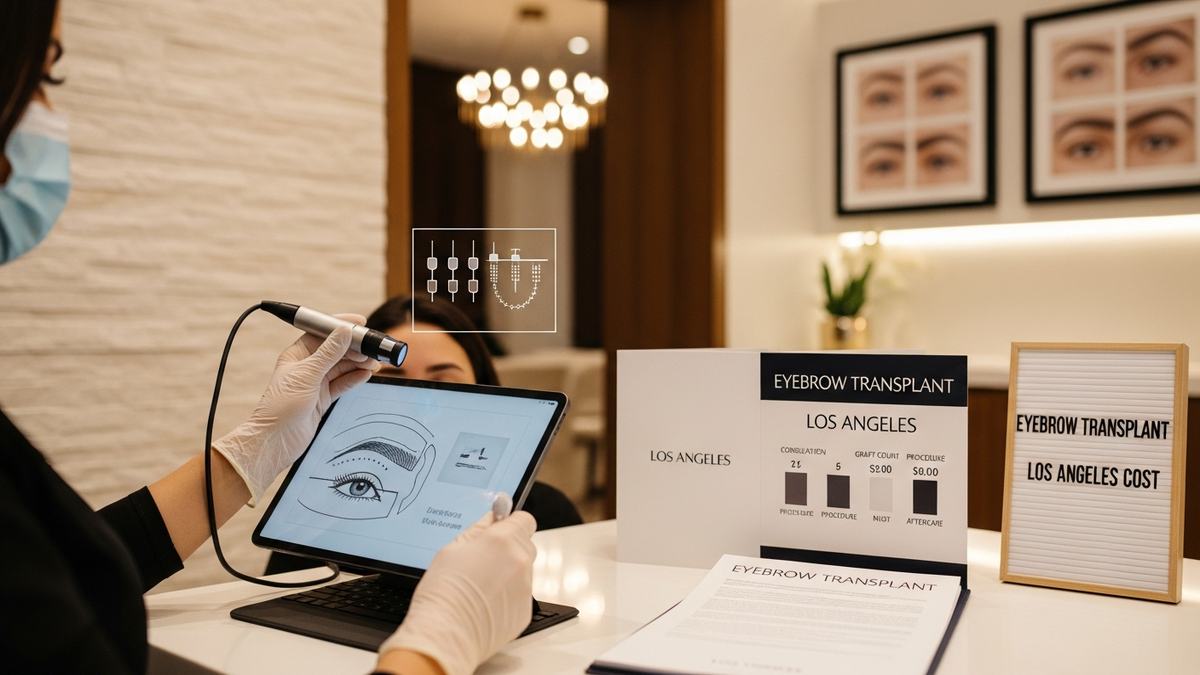
Facial rejuvenation isn’t only about skin tightening. Hairline, eyebrows, and overall facial framing can significantly influence how youthful someone appears. If you’re considering restoration, you might explore a hair transplant or an eyebrow transplant depending on your needs.
Choosing a qualified surgeon: a checklist
If “facelift def” is your starting point, the next step is choosing the right expert to deliver your goals safely. Use this checklist to guide your decision.
Credentials and experience
- Board certification in a relevant specialty
- Focused experience with facial plastic surgery
- Fellowship training or additional specialized education
Consultation quality
- Clear explanation of technique and expected outcomes
- Discussion of risks and limitations
- Realistic goal-setting and patient education
Natural aesthetics
- Before-and-after results that look like natural aging improvement
- Attention to facial balance and contour
- Consideration of your unique facial anatomy
Where to start if you’re considering a facelift
If you’re still deciding whether a facelift fits your needs, begin with two steps: (1) clarify your top concerns, and (2) schedule a consultation with a qualified facial plastic surgeon.
Write down your goals before the visit
- Which areas bother you most? (cheeks, jowls, neck)
- What would “success” look like in your daily life?
- What concerns do you have about scars, downtime, or recovery?
- Do you want a subtle refresh or a more noticeable transformation?
Ask the right questions
- Am I a good candidate for a facelift, or would another procedure be better?
- What technique approach do you recommend for my anatomy?
- How long is recovery, and what restrictions should I plan for?
- What risks are most relevant to me?
- Will you coordinate with other procedures if needed?
If you’re exploring options in Los Angeles, you can also review a dedicated procedure page such as Facelift to understand how a surgeon frames goals, candidacy, and outcomes.
FAQ: Facelift def and related questions
1) What does “facelift def” mean?
“Facelift def” usually refers to the definition of a facelift—an aesthetic procedure that lifts and tightens facial and neck tissues to reduce visible signs of aging. It’s often used by people searching for a clear explanation before considering surgery.
2) How long does a facelift last?
No facelift stops aging permanently, but results can be long-lasting. Longevity depends on skin quality, lifestyle (including sun exposure and smoking), and the specific technique used. Many patients enjoy years of refreshed appearance.
3) Will I look different in a “natural” way?
When performed with an emphasis on tissue repositioning and facial balance, a facelift is designed to look natural—restoring youthful contour rather than creating an overly tight or “pulled” appearance. Your consultation should include discussion of what “natural” means for your face.
4) What is the typical facelift recovery timeline?
Most patients see the most visible improvement as swelling decreases over the first few weeks, with continued refinement over months. Your surgeon will provide individualized guidance based on your health and the scope of the procedure.
5) Is a facelift the best option for neck aging?
Often, yes—when lax skin and descended tissues are the main issue. However, some patients may benefit from a neck lift, submental liposuction, or a combined approach. The best choice depends on your anatomy and the cause of your neck changes.
CTA: Ready to turn facelift def into a plan?
If you’re exploring facial rejuvenation and want answers tailored to your anatomy—not generic definitions—take the next step. FlowGeniQ Digest encourages readers to schedule a consultation with a qualified facial plastic and reconstructive surgeon to discuss candidacy, technique options, and a realistic timeline for recovery and results.
Explore next: Review Facelift information, and prepare a short list of your goals before your visit. With the right plan, you can move from curiosity to confidence—one informed decision at a time.
Professional Disclaimer
This content is provided for general educational purposes only by FlowGeniQ Digest. It is not a substitute for professional advice, diagnosis, or treatment. Readers are advised to consult qualified professionals for personalized recommendations.
Medical Information Disclaimer
This content is provided for general educational purposes only by FlowGeniQ Digest. It is not a substitute for professional advice, diagnosis, or treatment. Readers are advised to consult qualified professionals for personalized recommendations.