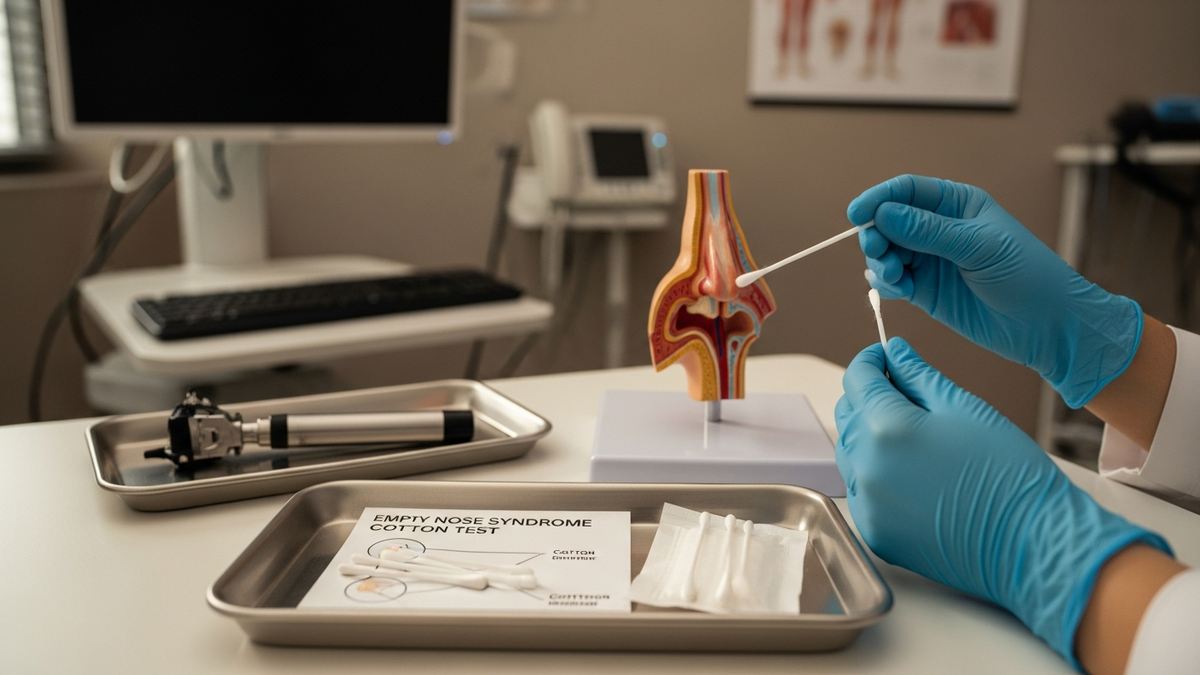
Empty nose syndrome 2022 has become a more frequently searched phrase as patients try to understand persistent, distressing nasal symptoms that can occur after certain nasal procedures. If you’ve had nasal surgery and now feel like you can’t get “enough air,” experience paradoxical dryness, or struggle with breathing comfort despite an apparently open nasal passage, you’re not alone—and you deserve careful, evidence-based evaluation.
This FlowGeniQ Digest guide explains what empty nose syndrome is, why it may happen, how clinicians diagnose it, and what treatment pathways may help. Because outcomes and causes vary widely, the most effective plan is individualized—often involving functional nasal surgery expertise, targeted medical therapy, and sometimes revision strategies.
What Is Empty Nose Syndrome (and Why “2022” Matters)?
Empty nose syndrome (sometimes shortened to ENS) is a condition characterized by a persistent sensation of nasal emptiness or airflow dissatisfaction, often accompanied by dryness, crusting, and breathing discomfort. Many patients report that their nose feels “too open,” yet they still feel unsatisfied with airflow.
When people search empty nose syndrome 2022, they’re often looking for updated information: the most current understanding of ENS mechanisms, improved diagnostic frameworks, and treatment options that go beyond simply “opening” the nasal passages. In recent years, clinicians have increasingly emphasized that nasal airflow comfort requires more than patency—it also depends on humidification, airflow dynamics, mucosal function, and sensory feedback.
Core Symptoms of Empty Nose Syndrome 2022
ENS symptoms can be physical, sensory, and psychological. Importantly, the severity can fluctuate, and not everyone experiences every symptom.
Common ENS symptoms
- Paradoxical nasal airflow sensation (feeling air hunger or “can’t breathe right” despite open passages)
- Nasal dryness and burning
- Crusting and mucus that feels difficult to clear
- Reduced mucus quality or impaired mucociliary clearance (often described as “sticky” or “stuck” mucus)
- Facial pressure or discomfort
- Sleep disruption from nasal symptoms
- Anxiety, distress, or obsessive focus on breathing comfort (a response to chronic symptoms)
What ENS can feel like day-to-day
Patients frequently describe a mismatch between what they observe (a nose that seems open on exam) and how they feel (persistent “wrongness” in airflow). Some report that humidifiers or saline help temporarily, while others feel that standard treatments don’t fully address the sensation.
Potential Causes: How Empty Nose Syndrome Can Develop After Nasal Surgery
ENS is often associated with prior nasal and sinus interventions. While not every patient who has nasal surgery develops ENS, the condition has been reported particularly in contexts where nasal airflow dynamics and mucosal function are altered.
Mechanisms clinicians consider
Current clinical reasoning typically includes one or more of the following:
- Over-resection or excessive widening of nasal passages, which can reduce the nose’s ability to condition air (humidify, warm, and filter)
- Altered turbinate function (inferior turbinates are central to airflow conditioning)
- Reduced sensory feedback from nasal mucosa that helps the brain interpret airflow comfort
- Chronic dryness and impaired mucosal health, leading to crusting and irritation
- Changes in airflow patterns that produce a “too open” feeling
Why “opening the nose” isn’t always the end goal
Many patients need surgery to improve function—especially when chronic sinusitis or structural obstruction blocks airflow. For example, functional nasal surgery can help restore normal sinus function through procedures that address sinus blockage and improve drainage. However, ENS highlights the nuance: nasal patency must be balanced with preservation of mucosal function and appropriate airflow conditioning.
Diagnosing Empty Nose Syndrome: What Clinicians Look For
Diagnosis is not always straightforward, and ENS can be under-recognized. A comprehensive evaluation typically combines symptom history, endoscopic findings, and objective testing when indicated.
Step 1: Detailed symptom history
A clinician will often ask:
- Which nasal/sinus procedures you had and when
- What symptoms you had before surgery (e.g., congestion, sinus infections, allergies)
- What changed after surgery (dryness, airflow dissatisfaction, crusting, burning)
- What treatments you tried (saline irrigation, humidification, sprays, antibiotics, steroids)
- How symptoms affect sleep, work, and mental wellbeing
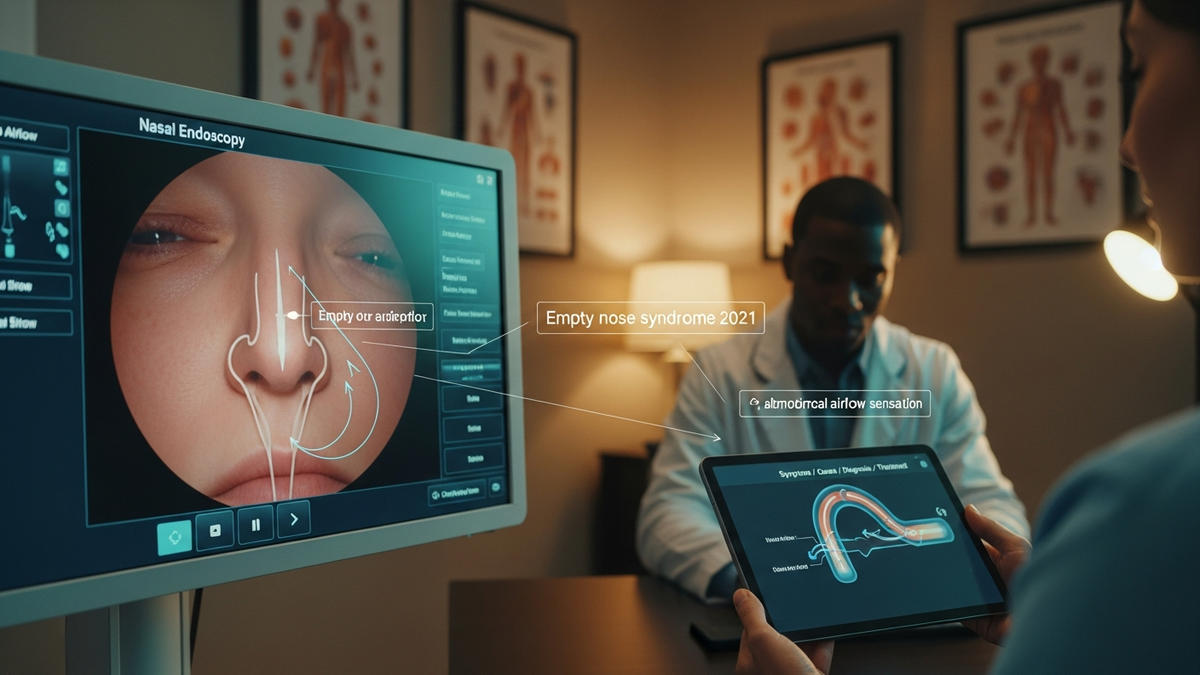
Step 2: Nasal endoscopy and airflow assessment
Endoscopy helps evaluate the nasal mucosa, crusting, and structural anatomy. Clinicians may also consider whether prior surgery resulted in excessively reduced turbinate tissue or altered airway geometry.
Step 3: Imaging and airflow-related testing (when needed)
Depending on the case, imaging such as a CT scan of the sinuses may be ordered to assess sinus disease, drainage pathways, and postoperative anatomy. Additional tests may be considered to rule out other causes of nasal breathing discomfort.
Step 4: Rule out “look-alike” conditions
Several conditions can mimic ENS symptoms, including ongoing chronic rhinosinusitis, allergic inflammation, medication side effects, septal perforation-related symptoms, and vestibular or inflammatory nasal disorders. A careful differential diagnosis is essential.
Evidence-Based Treatment Pathways for Empty Nose Syndrome 2022
Treatment for empty nose syndrome 2022 is typically multi-modal. The goal is not simply to “open more,” but to restore comfort by improving mucosal moisture, optimizing airflow dynamics, and addressing underlying inflammation or structural issues.
1) Humidification and nasal moisture strategies
Many clinicians recommend a structured moisture plan, which may include saline irrigation, topical moisturizers, and environmental humidification. The aim is to reduce dryness and crusting while supporting healthier mucosal function.
Actionable recommendations you can discuss with your clinician:
- Use preservative-free saline products (especially if symptoms are burning/dry)
- Consider a room humidifier (and monitor humidity levels)
- Review whether any sprays are worsening dryness (overuse of certain decongestant sprays can be problematic)
2) Treat coexisting inflammation and allergies
Allergic inflammation can worsen dryness and irritation, and it can also contribute to persistent nasal symptoms after surgery. If allergies are part of your picture, targeted therapy may help improve nasal comfort and breathing efficiency.
One modern option some patients explore is sublingual immunotherapy (SLIT)—a no-shot method for treating allergies. In the right candidates, this approach can reduce allergy-driven symptoms without injections. Discuss whether allergy testing and immunotherapy are appropriate for you.
3) Functional nasal surgery considerations (when symptoms persist)
For some patients, ENS symptoms persist despite medical management. In those cases, clinicians may evaluate whether revision strategies are needed to restore more balanced nasal airflow conditioning.
At a functional nasal surgery practice, the focus is often on individualized, minimally invasive approaches when appropriate—such as addressing structural defects that contribute to airflow dissatisfaction.
Septoplasty and structural alignment
If a deviated septum contributes to airflow problems, correcting alignment may improve comfort and breathing efficiency. This is particularly relevant when patients experience a combination of obstruction and postoperative discomfort. For background, you may find it helpful to review Septoplasty and learn how septal alignment can influence nasal airflow.
For patients specifically dealing with a Deviated Septum, a septoplasty plan may be considered as part of broader functional care.
Inferior turbinate reduction vs. turbinate preservation
Inferior turbinates are central to normal nasal function. In some patients, turbinate reduction can improve chronic congestion, but in others, excessive reduction may contribute to dryness and airflow dissatisfaction. If you’re in the empty nose syndrome 2022 conversation, it’s especially important that your clinician reviews the extent and method of prior turbinate surgery.
Endoscopic sinus surgery and restoring normal sinus function
Some patients with ENS-like complaints also have chronic sinusitis or mucus clearance issues. In those cases, endoscopic sinus surgery may be used to treat and restore normal sinus function. The goal of sinus surgery in appropriate patients is to create a widened sinus passage that can eliminate trapped mucus, reduce recurring sinus infections, and help restore the sense of smell.
For ENS-focused patients, it’s critical that any sinus intervention is carefully planned to avoid exacerbating dryness or altering airflow conditioning.
Balloon sinuplasty for selected patients
When sinus blockage is present, balloon sinuplasty can be a minimally invasive option to open blocked passages. Depending on anatomy and the underlying diagnosis, it may help reduce infection burden and improve drainage. Discuss whether your symptoms align with sinus obstruction and whether this approach is appropriate for you.
Nasal valve collapse and airflow “comfort”
Some patients interpret their breathing discomfort as ENS-like, when the root cause is nasal valve collapse or related structural weakness. Clinicians may start with non-surgical measures (such as steroid or non-steroid allergy medications) and then consider procedural options if needed.
In more severe cases, surgical repair options such as Latera implant or Vivair treatment may be considered. If you suspect nasal valve issues, ask your clinician to evaluate nasal valve competence as part of your diagnostic workup.
Septal perforation repair (if applicable)
Septal perforation can cause crusting, bleeding, whistling sounds, and difficulty breathing—symptoms that can overlap with ENS. If you have evidence of a perforation, a septal perforation repair procedure may be necessary to address the underlying structural cause and improve symptoms.
How to Tell If Your Symptoms Fit ENS vs. Another Post-Surgical Issue
Because ENS symptoms can overlap with other conditions, it helps to consider patterns. While only a clinician can diagnose, here are practical “clues” to discuss during evaluation:
- Timeline: Did symptoms begin soon after turbinate reduction or extensive widening surgery?
- Quality of symptom: Is it primarily “airflow dissatisfaction/emptiness” rather than purely congestion?
- Dryness/crusting: Are dryness and crusting prominent?
- Objective findings: Does endoscopy show relatively open airway but unhealthy mucosa or significant dryness?
- Response to therapy: Do saline and moisture help only partially, and does the “wrong airflow” sensation persist?
What to Expect From a Specialist Consultation
When seeking care for empty nose syndrome 2022 concerns, you want a clinician who can integrate functional nasal anatomy with postoperative symptom patterns. A specialist consultation often includes:
- Review of your operative reports (if available)
- Endoscopic examination and assessment of mucosal health
- Discussion of your symptom pattern and quality-of-life impact
- A tailored plan that may include medical therapy, allergy management, and—when appropriate—functional surgical revision
- Clear expectations about goals and timelines
Functional nasal surgery expertise matters
For patients in Los Angeles and Beverly Hills, it can be helpful to seek a head-and-neck specialist with functional nasal surgery experience. Dr. Hootan Zandifar specializes in functional nasal surgery to help treat chronic nasal congestion and sinusitis using minimally invasive procedures. His approach emphasizes patient education, careful evaluation of nasal anatomy, and treatment plans designed to improve breathing efficiency and overall quality of life.
While ENS is a specialized topic, the underlying principle is the same: the nose is a functional system. Successful care balances airflow, mucosal health, and patient comfort—rather than focusing on “opening” alone.
Living With Empty Nose Syndrome 2022: Practical Self-Care Steps
Self-care won’t replace medical treatment, but it can improve comfort while you pursue diagnosis and a long-term plan.
Daily moisture routine
- Prioritize gentle, consistent saline use as directed by your clinician
- Avoid aggressive nose blowing that can worsen irritation
- Use humidification when indoor air is dry
Medication review
Bring a current medication list to your appointment. Some sprays and medications can worsen dryness or rebound symptoms in certain patients. Your clinician can help adjust your regimen.
Track triggers and symptom patterns
Keep a simple log for 2–4 weeks: dryness severity, crusting, airflow dissatisfaction, sleep quality, and environmental factors (humidity, allergens, seasonal changes). This can help your clinician identify patterns and tailor therapy.
When to Seek Urgent Care
Most ENS-related issues are not emergencies, but you should seek prompt medical attention if you experience:
- Severe or persistent nosebleeds
- High fever or signs of severe infection
- Rapidly worsening facial pain or swelling
- New neurologic symptoms
Related Procedures (Because ENS Symptoms Can Overlap With Other Nasal Conditions)
Many patients researching empty nose syndrome 2022 also explore other nasal or head-and-neck procedures because symptoms overlap. Depending on your anatomy and diagnosis, your clinician may discuss options such as septal correction and nasal functional improvements.
Rhinoplasty and functional outcomes
Some people assume rhinoplasty is purely cosmetic. However, functional nasal changes can be relevant when airflow mechanics are affected. If you’re considering nasal surgery for both function and aesthetics, learn more about Rhinoplasty and discuss the functional goals during consultation.
Note: If your primary concern is empty nose syndrome, the plan should be guided by functional diagnosis and prior surgical history—not cosmetic goals alone.
FAQ: Empty Nose Syndrome 2022
1) Is empty nose syndrome rare?
Yes. ENS is considered uncommon, which is one reason many patients struggle to find clinicians familiar with the condition. Because symptoms can overlap with other postoperative nasal issues, thorough evaluation is essential.
2) Can empty nose syndrome happen after sinus surgery?
It can. ENS is most often discussed in relation to procedures that significantly alter turbinate tissue or nasal airflow dynamics. However, postoperative symptoms can have multiple causes—so a specialist review of your operative history is important.
3) What treatments are most effective for empty nose syndrome 2022?
There isn’t a single universal cure. Many patients benefit from moisture and dryness control, optimization of inflammation/allergy management, and—when appropriate—functional surgical strategies tailored to their anatomy and prior surgery. Your best option depends on what’s driving your symptoms.
4) How long does it take to improve after treatment?
Timelines vary. Medical therapies may help within weeks, while longer-term mucosal recovery or procedural outcomes may take months. Your clinician can provide expectations based on your specific plan.
5) Should I consider revision surgery?
Revision may be considered in selected cases, but it should be approached carefully. A specialist should evaluate whether your symptoms are truly consistent with ENS and whether revision would improve mucosal health and airflow comfort without worsening dryness.
CTA: Take the Next Step Toward Comfortable Breathing
If you’re searching empty nose syndrome 2022 because you feel persistent nasal airflow dissatisfaction, dryness, or crusting after surgery, you deserve a comprehensive, functional evaluation—not guesswork.
Schedule a consultation with a specialist who focuses on functional nasal surgery and patient education. Dr. Hootan Zandifar specializes in minimally invasive functional nasal procedures designed to improve breathing efficiency and quality of life, and he can help you determine whether your symptoms fit ENS or another treatable postoperative condition.
Ready to get clarity? Book your appointment and bring your operative reports (if available) to support an accurate diagnosis and a personalized treatment plan.
Professional Disclaimer
This content is provided for general educational purposes only by FlowGeniQ Digest. It is not a substitute for professional advice, diagnosis, or treatment. Readers are advised to consult qualified professionals for personalized recommendations.
Medical Information Disclaimer
This content is provided for general educational purposes only by FlowGeniQ Digest. It is not a substitute for professional advice, diagnosis, or treatment. Readers are advised to consult qualified professionals for personalized recommendations.