Source: FlowGeniQ Digest
When people search for empty nose syndrome 2021, they’re often looking for answers to a confusing problem: the nose may feel “open” to an outsider, yet the person inside experiences persistent discomfort, dryness, breathing difficulty, and sometimes a profound sense of not getting enough airflow. This is not an imagined symptom. Empty nose syndrome (ENS) can be real, medically meaningful, and—when evaluated carefully—can lead to targeted treatment plans.
In this premium, evidence-informed guide, we’ll cover what ENS is, why it can happen, how clinicians evaluate it, and what treatment options may help. We’ll also discuss when to seek specialized care, what questions to ask, and practical steps you can start today while you pursue diagnosis.
What Is Empty Nose Syndrome (ENS)?
Empty nose syndrome is a condition characterized by a paradoxical feeling of nasal obstruction or abnormal airflow sensation despite a nasal cavity that appears surgically widened. Patients may report dryness, crusting, burning, impaired smell, and distressing “air hunger” or a sense that breathing is inadequate.
Although ENS has been discussed for years, the phrase empty nose syndrome 2021 reflects renewed public and clinical attention—often driven by increased awareness of post-operative nasal function, airflow mechanics, and patient-centered outcomes.
Why “empty” doesn’t mean “better”
Normally, the nose doesn’t just move air—it conditions it. The nasal lining warms, humidifies, filters, and provides sensory feedback that helps the brain interpret airflow. In ENS, some patients experience that this sensory and mucosal function feels abnormal after certain surgeries or injury patterns.
Common Symptoms of Empty Nose Syndrome 2021
Symptoms vary widely. Many patients describe a mismatch between objective airflow and subjective breathing comfort. Common complaints include:
- Paradoxical nasal obstruction (feeling blocked despite an open airway)
- Dryness, burning, or irritation inside the nose
- Crusting and/or recurrent scabs
- Reduced smell (sometimes)
- Breathing discomfort or “air hunger”
- Head pressure or discomfort (varies)
- Emotional distress related to persistent symptoms
Red flags that warrant prompt ENT evaluation
Seek timely assessment if you have severe worsening symptoms, significant bleeding, fever, or new neurological symptoms. Also, if your symptoms began after nasal surgery and persist despite standard care, it’s reasonable to ask about ENS or related nasal function disorders.
What Causes Empty Nose Syndrome?
ENS is most often discussed in relation to surgeries that change nasal anatomy and nasal airflow patterns—especially procedures that remove or reduce structures involved in normal humidification and airflow turbulence.
Potential contributing factors
While each patient’s situation is unique, the literature and clinical experience often point to:
- Excessive turbinate reduction (removal or over-resection of inferior turbinates)
- Structural changes that alter airflow dynamics and mucosal contact
- Chronic dryness and impaired mucosal function after surgery
- Scar-related changes affecting nasal lining and sensory feedback
- Underlying chronic rhinitis or inflammatory conditions that remain uncontrolled
Important nuance: not every patient who had nasal surgery develops ENS. Many people benefit from functional nasal interventions. The key is matching the procedure to the patient’s anatomy, preserving mucosal health, and optimizing postoperative care.
How Clinicians Diagnose Empty Nose Syndrome
Diagnosis is often complex because ENS symptoms can overlap with chronic sinusitis, allergic rhinitis, rhinitis medicamentosa, septal perforation issues, nasal valve collapse, or anxiety related to chronic discomfort. A careful evaluation helps distinguish these possibilities.
Step 1: Detailed history and symptom mapping
Clinicians typically ask:
- Which nasal surgeries were performed and when?
- What structures were altered (e.g., inferior turbinates, nasal valve, septum)?
- How did symptoms evolve over time?
- What triggers symptoms (dry air, exercise, allergens)?
- Any associated smell changes, crusting, bleeding, or facial pain?
Step 2: Nasal endoscopy and functional assessment
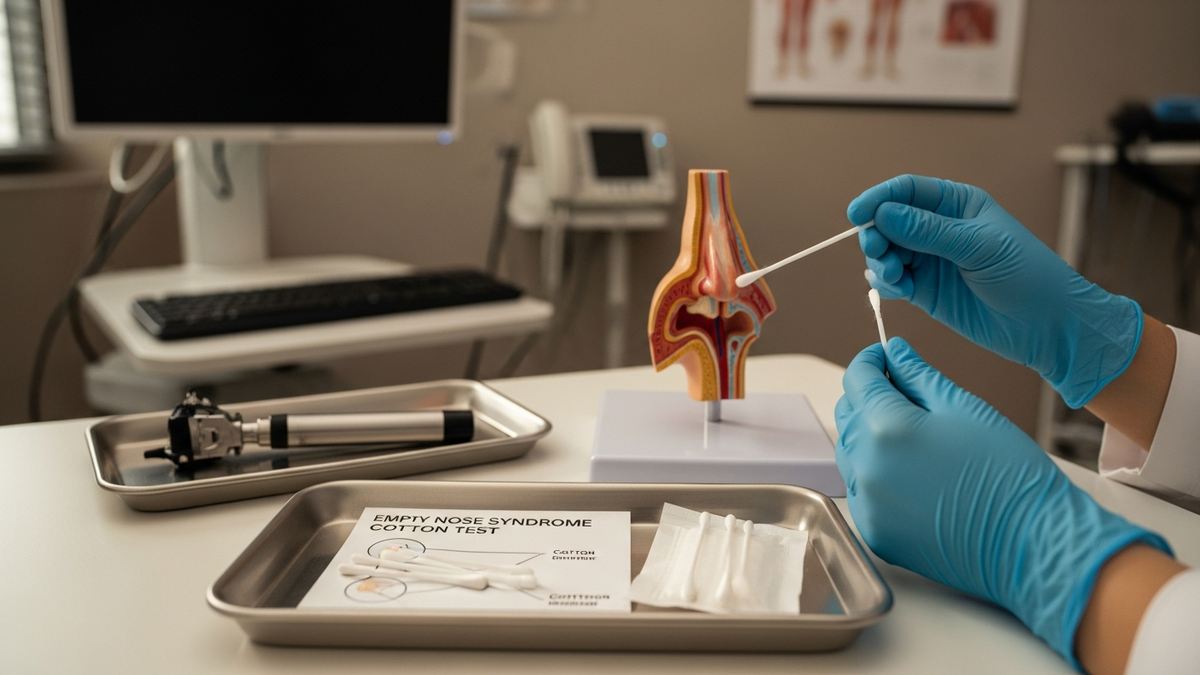
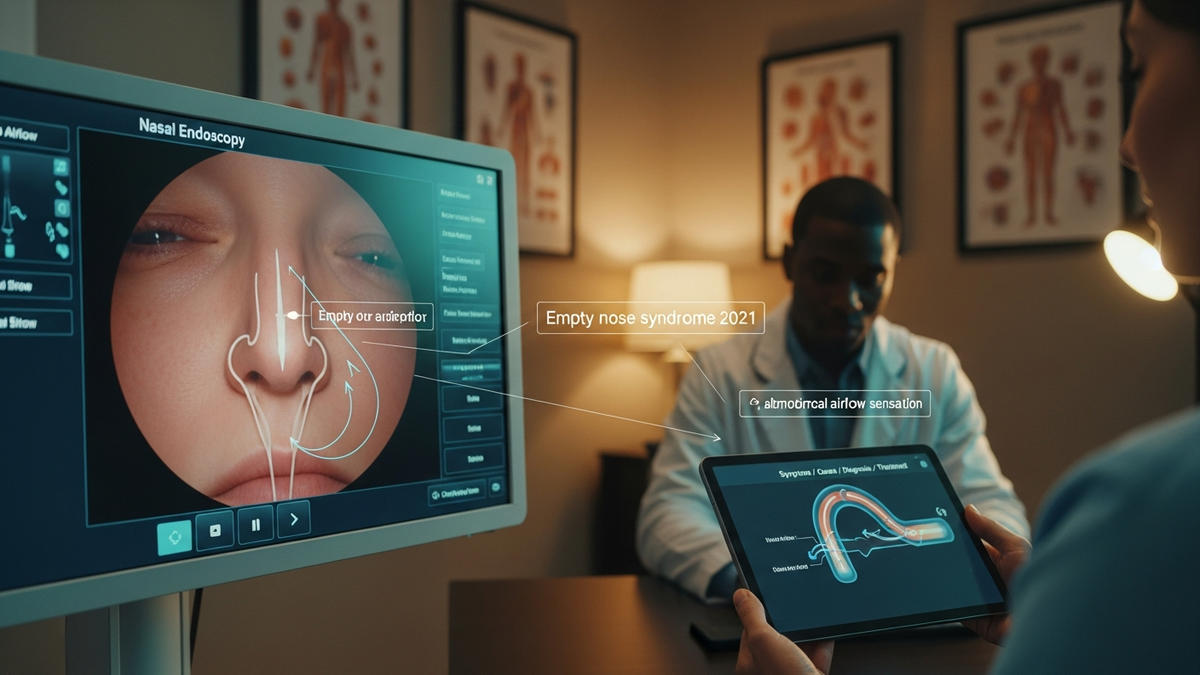
Nasal endoscopy helps evaluate mucosa quality, crusting, healing, and anatomical contributors to airflow. Clinicians may look for signs of dryness, inflammation, scarring, and structural issues like nasal valve collapse or septal problems.
Step 3: Imaging and testing when appropriate
Depending on symptoms, your clinician may recommend imaging (such as CT) to assess sinus anatomy and residual sinus disease, or other tests to evaluate inflammation, allergy contribution, or airflow dynamics.
Step 4: Patient-reported outcome measures
Because ENS is strongly tied to subjective airflow sensation and distress, standardized questionnaires can help track symptom severity and response to therapy.
Treatment Options for Empty Nose Syndrome 2021
Treatment is typically individualized and may combine symptom relief, mucosal rehabilitation, and—when indicated—structural or functional interventions.
1) Moisturization and mucosal support (often first-line)
Many treatment plans start with restoring nasal surface comfort and hydration. Approaches may include:
- Saline irrigation tailored to your tolerance and clinician guidance
- Humidification (especially during sleep or dry climates)
- Moisturizing gels or ointments to reduce crusting (used carefully to avoid excessive blockage)
- Allergy control if inflammation is contributing to symptoms
Actionable tip: Keep a symptom log (dryness level, crusting, breathing comfort) and note environmental triggers so your clinician can adjust your plan effectively.
2) Allergy and inflammation management
Allergic and inflammatory rhinitis can worsen dryness and discomfort. If allergies are part of your picture, targeted therapy can improve nasal comfort and reduce ongoing irritation.
One modern option is sublingual immunotherapy (SLIT)—a no-shot method that can be effective for many patients. If you suspect allergies, ask your ENT whether SLIT or other allergy strategies are appropriate for you.
3) Addressing structural contributors (when airflow mechanics are part of the problem)
In some patients, symptoms attributed to ENS may be compounded by other functional nasal issues such as a deviated septum, inferior turbinate hypertrophy, or nasal valve collapse. Treating these correctly can improve airflow sensation and nasal function.
Septoplasty and septal alignment
If a deviated septum contributes to obstruction and abnormal airflow patterns, correcting septal alignment can be part of a broader functional strategy. For more information, you can review Septoplasty and Deviated Septum resources.
Inferior turbinate strategies (preserve mucosa when possible)
Because turbinate tissue is central to humidification and sensory feedback, clinicians aim to avoid over-resection. If turbinate reduction was a factor in your symptoms, your evaluation may focus on mucosal restoration and, in select cases, approaches that improve nasal lining contact and airflow distribution.
Nasal valve collapse repair (non-surgical and surgical options)
Some patients confuse ENS-like distress with nasal valve collapse—another condition that can cause persistent breathing difficulty. Options may include steroid or non-steroid allergy medications and other non-invasive therapies designed to increase airway patency. When needed, certain implants or procedures may be considered by specialists.
4) Surgical approaches aimed at restoring nasal function
When conservative care is insufficient, a specialist may discuss targeted interventions. The goal is not simply to widen the airway, but to improve nasal lining function and airflow sensation.
Endoscopic sinus surgery (when sinus disease is present)
For patients with chronic sinusitis—especially when mucus trapping and recurrent infections occur—endoscopic sinus surgery may help restore normal sinus function. The procedure can widen sinus passages, reduce trapped mucus, eliminate recurring sinus infections, and may improve smell in appropriate cases.
Notably, ENS is not the same as chronic sinusitis. However, if you have both, addressing sinus inflammation and drainage pathways can reduce contributing symptoms.
When smell is affected
Smell loss can occur with chronic inflammation or sinus disease. Treatment may involve medical therapy and, when indicated, procedural interventions designed to restore drainage and reduce inflammatory burden.
How to Tell ENS Apart From Similar Conditions
Because ENS overlaps with other nasal disorders, it’s helpful to understand common differential considerations.
ENS vs. chronic sinusitis
Chronic sinusitis often includes nasal blockage, thick discharge, facial pressure, and recurrent infections. ENS is more about paradoxical airflow sensation and dryness after certain surgical changes. Some patients have both.
ENS vs. nasal valve collapse
Nasal valve collapse can cause dynamic obstruction—sometimes worse with exercise or certain head positions. ENS may feel more constant and “air hunger” related. A functional exam can help distinguish them.
ENS vs. septal perforation
Septal perforations can cause whistling, bleeding, crusting, and breathing discomfort. If you have a hole through the septum, clinicians may consider a septal perforation repair strategy to address symptoms.
Choosing the Right Specialist (and What to Ask)
ENS is a nuanced diagnosis that benefits from an experienced clinician who focuses on functional nasal surgery and nasal physiology. When you’re searching for care, prioritize:
- Experience with functional nasal problems, including airflow mechanics and post-surgical patients
- Endoscopic evaluation and a clear plan for mucosal support
- Patient-centered outcomes (symptom relief, airflow sensation, quality of life)
- Open communication about risks, expectations, and realistic goals
High-yield questions for your ENT
- Based on my surgery history and exam, do you suspect ENS—or a related condition?
- What objective findings support the diagnosis?
- What is the plan to improve nasal moisture and mucosal function?
- Could nasal valve collapse, residual sinus disease, or septal issues be contributing?
- What are the realistic expected outcomes and timeline for each treatment step?
- What should I do if my symptoms don’t improve after the initial phase?
Functional Nasal Surgery and ENS: Where Expertise Matters
Because ENS can result from altered nasal anatomy and mucosal function, surgical planning—when surgery is considered—should be conservative, physiologic, and tailored. For patients with chronic nasal congestion and sinusitis, functional nasal surgeons may use minimally invasive techniques to address drainage and airway function.
Dr. Hootan Zandifar specializes in functional nasal surgery to help treat chronic symptoms of nasal congestion and sinusitis using minimally invasive procedures. His approach emphasizes patient education and careful selection of interventions to improve breathing and quality of life. Depending on the cause of symptoms, options may include septoplasty, inferior turbinate reduction, nasal valve collapse repair (including options such as Latera implant or Vivair treatment in appropriate cases), septal perforation repair, balloon sinuplasty, and endoscopic sinus surgery with image guidance.
While this article focuses on ENS, it’s worth noting that many patients who search for empty nose syndrome 2021 are actually dealing with multiple overlapping nasal issues—such as structural obstruction plus mucosal dryness. A comprehensive functional evaluation helps avoid one-size-fits-all solutions.
Practical Self-Care While You Pursue Diagnosis
While you work with a qualified clinician, you can take steps that often improve comfort and reduce symptom burden.
Moisture-first nasal routine
- Use saline irrigation or sprays as directed (avoid overuse if it worsens irritation).
- Consider nighttime humidification to reduce drying during sleep.
- Protect your nasal mucosa from irritants like smoke and strong fragrances.
Environmental adjustments
- Use a home humidifier in dry seasons.
- Stay hydrated; dryness is often worse when overall fluid intake is low.
- If you exercise outdoors, consider protective measures on very dry or cold days.
Track symptoms and triggers
Bring your log to appointments. Clinicians can use it to refine treatment—especially when distinguishing ENS from other nasal disorders.
What Research and the “2021” Focus Mean for Patients
The term empty nose syndrome 2021 appears in search and patient discussions because awareness has increased around postoperative nasal function and patient quality-of-life outcomes. In practice, the “2021” attention often translates into:
- More patient education about nasal physiology and sensory feedback
- Greater emphasis on functional outcomes, not just airway size
- More careful consideration of turbinate-preserving strategies
- Better multidisciplinary thinking (ENT + allergy management + supportive care)
For patients, this means you should expect a thorough evaluation and a stepwise plan—rather than a quick dismissal of symptoms.
Related Topics: When Nasal Surgery Is Considered for Other Goals
Some readers researching ENS may also be exploring cosmetic or reconstructive nasal procedures. It’s important to distinguish functional nasal surgery from cosmetic goals, even though they can overlap.
If you’re also considering aesthetic changes, review Rhinoplasty with a surgeon who understands both aesthetics and nasal function. For facial procedures outside the nose, resources such as Blepharoplasty and Facelift may be relevant, but ENS specifically requires a functional nasal evaluation.
For completeness, some patients ask about hair and eyebrow procedures after head-and-neck surgeries or for other concerns. If that’s part of your broader health journey, you may find helpful information at hair transplant and eyebrow transplant. These are not ENS treatments, but they reflect the kind of specialized, head-and-neck-focused care many patients seek.
FAQ: Empty Nose Syndrome 2021
1) Can empty nose syndrome happen after routine nasal surgery?
It can happen after certain procedures that significantly alter nasal airflow and mucosal function—especially those involving turbinate tissue reduction or extensive changes. Not everyone who has nasal surgery develops ENS, which is why a detailed history and endoscopic exam matter.
2) How is empty nose syndrome different from chronic sinusitis?
Chronic sinusitis typically involves inflammatory sinus disease with drainage issues, infections, and facial pressure. ENS is characterized more by paradoxical airflow sensation and dryness/crusting after surgical changes. Some patients have both, so evaluation should address all contributing factors.
3) What treatments help most with ENS symptoms like dryness and crusting?
Many patients benefit from a moisture-first approach: saline irrigation, humidification, and mucosal-support products used under clinician guidance. If allergies or inflammation contribute, controlling them can also reduce irritation.
4) Is surgery always required for empty nose syndrome 2021?
No. Many treatment plans begin with conservative management. Surgery may be considered for select patients when structural contributors are identified or when symptoms persist despite appropriate medical and supportive care.
5) When should I seek a specialist for possible ENS?
If symptoms began after nasal surgery and persist—especially dryness, crusting, air hunger, or paradoxical obstruction—seek evaluation from an ENT or functional nasal specialist experienced with post-surgical nasal function.
Next Steps: A Personalized Plan Starts With a Proper Evaluation
If you’re searching for empty nose syndrome 2021 answers, you’re already taking an important step: recognizing that your symptoms deserve expert attention. The most actionable path forward is a structured evaluation that considers your surgery history, mucosal health, airflow mechanics, and inflammatory contributors.
Schedule a consultation
If you’re in Los Angeles or the surrounding area and want a functional, patient-centered evaluation of chronic nasal symptoms—especially after prior surgery—consider scheduling an appointment with Dr. Hootan Zandifar. His functional nasal surgery focus includes minimally invasive options designed to improve breathing, nasal comfort, and quality of life.
CTA: Schedule online to discuss your symptoms, review your surgical history, and build a stepwise plan toward relief.
Professional Disclaimer
This content is provided for general educational purposes only by FlowGeniQ Digest. It is not a substitute for professional advice, diagnosis, or treatment. Readers are advised to consult qualified professionals for personalized recommendations.
Medical Information Disclaimer
This content is provided for general educational purposes only by FlowGeniQ Digest. It is not a substitute for professional advice, diagnosis, or treatment. Readers are advised to consult qualified professionals for personalized recommendations.