At FlowGeniQ Digest, we regularly field questions from readers across the U.S. and worldwide—especially from those searching for the cost of eyebrow transplant and what that price really includes. Eyebrows are one of the most expressive features on the face, and when they’re thin, patchy, or missing, many people want a solution that looks natural—not “drawn on.”
This article is designed to help you understand eyebrow transplant pricing in a practical, decision-ready way. We’ll cover typical cost drivers (like graft count, technique, surgeon experience, and facility standards), what affects your total treatment plan, and how to budget wisely for long-term results.
Cost of Eyebrow Transplant: A Clear Overview
The cost of eyebrow transplant varies widely because eyebrow restoration isn’t a one-size-fits-all procedure. Many clinics price based on the amount of work required—often linked to the number of grafts, the complexity of your pattern, and the technique used (for example, FUE-style harvesting and meticulous implantation).
In general, eyebrow restoration is typically priced as a dedicated facial procedure rather than an “add-on” to a hair transplant. That’s because it requires specialized artistic planning: brow shape, angle, density, and hair direction must be designed to match your facial anatomy and your natural brow growth patterns.
Why Eyebrow Transplant Pricing Is Not Standardized
Even when two patients are both looking for an eyebrow transplant, their starting points may be very different. Pricing differences usually reflect clinical complexity and time-intensive refinement.
1) Graft count and density goals
Eyebrows often require fewer grafts than scalp hair restoration, but the goal is rarely “just add hair.” Patients may need:
- Reconstruction of missing tails or fronts
- Improved symmetry
- Correction of uneven density
- Softening of overly harsh edges from prior over-plucking or scarring
More grafts (and more time spent placing them at precise angles) typically increase cost.
2) Technique and harvest approach
Different extraction and implantation methods can influence cost. Many clinics use advanced approaches similar in concept to hair restoration—often leveraging follicular unit harvesting and careful implantation. At TestBiz Hair Clinic, for example, patients can be offered premium hair transplant options such as FUE and FUT depending on their case, with state-of-the-art technology and experienced surgeons. While eyebrow restoration has its own planning requirements, the underlying surgical principles of follicle harvesting and graft handling matter.
3) Surgeon expertise and facial plastic training
When it comes to brows, “natural” is not optional. A skilled surgeon (and a team that understands facial aesthetics) can make a significant difference in how hair direction, spacing, and density translate into real-world appearance. In many practices, surgeon experience is reflected in the overall fee—because the procedure is highly technical and visually demanding.
4) Pre-op assessment, mapping, and design time
Eyebrow transplant outcomes depend heavily on preoperative planning. Your team may spend time on:
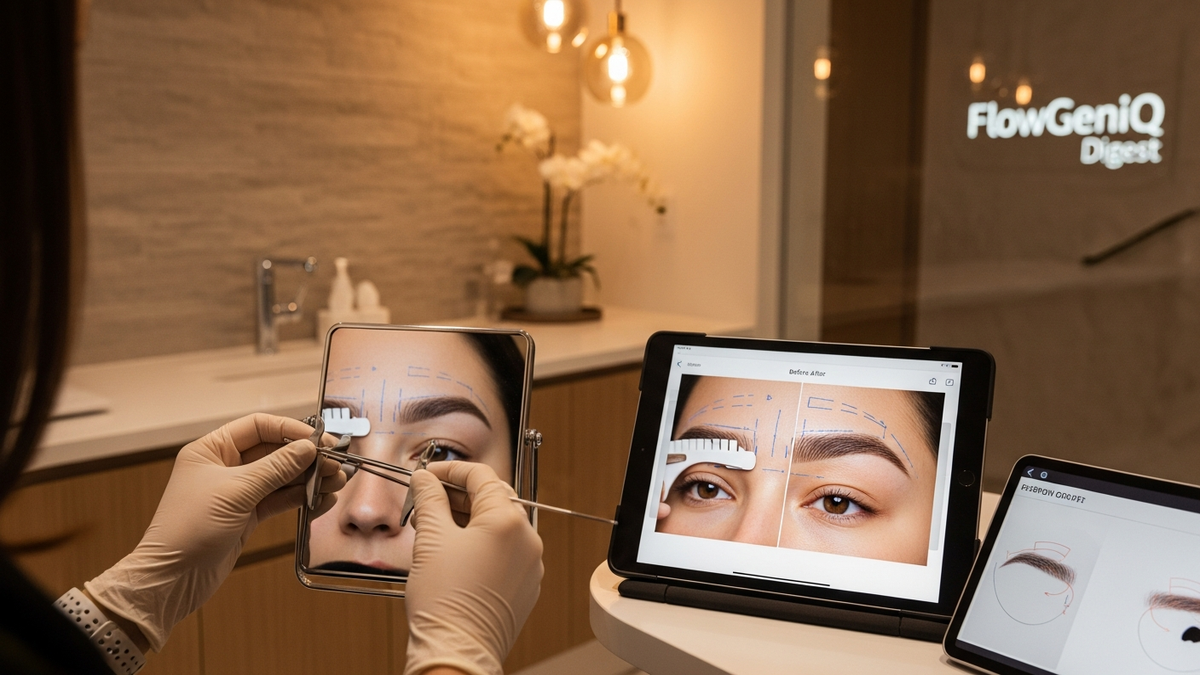
- Facial measurements and brow mapping
- Determining ideal brow height and arch
- Matching hair direction to your native growth
- Designing an age-appropriate, gender-appropriate look
This planning is part of the “hidden” cost that patients often don’t realize is included.
5) Facility standards and perioperative care
Premium clinics may include enhanced sterile protocols, advanced instruments, and robust post-procedure follow-up. These factors can increase cost but also reduce risk and improve continuity of care.
6) Location and market pricing
Urban centers and high-cost regions often have higher overhead. For example, many people in the Los Angeles area consult facial plastic and reconstructive surgeons for head-and-neck procedures. In Beverly Hills and surrounding regions, pricing may reflect specialized expertise and facility standards.
What’s Typically Included in the Total Cost?
To evaluate the real cost of eyebrow transplant, ask what’s included. A transparent quote should clarify whether your total price covers:
- Initial consultation and brow mapping
- Surgical day procedure fees
- Local anesthesia (or anesthesia services, if applicable)
- Graft planning, harvesting, and implantation
- Medications and post-op care supplies
- Follow-up visits (often multiple)
- Post-op instructions and monitoring
Some pricing models exclude certain follow-ups or medications. Others may include them. Request a detailed breakdown so you can compare options fairly.
Eyebrow Transplant vs. Eyebrow Tattooing: Cost and Value Considerations
People often compare eyebrow transplant options to semi-permanent makeup or tattooing because both aim to improve appearance. While tattooing can provide immediate cosmetic coverage, it doesn’t restore follicles. Transplantation is a hair restoration approach and can offer more durable results over time—assuming good graft survival and proper technique.
When considering the cost of eyebrow transplant, it’s helpful to think in terms of long-term value:
- Transplant: requires healing time, but targets true hair growth
- Tattooing: immediate cosmetic effect, but may require touch-ups and can fade or change over time
Your best path depends on your goals, skin type, and medical history.
Who May Need an Eyebrow Transplant?
An eyebrow transplant is often considered for patients suffering from eyebrow thinning or eyebrow loss due to medical or other conditions that caused eyebrow loss. Common scenarios include:
- Over-plucking or traction-related hair loss
- Scarring from injury or certain dermatologic conditions
- Thinning due to hormonal changes or autoimmune conditions
- Genetic brow thinning
- Post-treatment hair loss (depending on the underlying cause)
Because eyebrows are a focal point on the face, a skilled cosmetic surgeon should evaluate candidacy and design the restoration plan carefully.
How Long Results Take (and Why This Affects Planning)
Even though the procedure itself is discrete, eyebrow restoration is a process. Hair growth typically follows stages:
- Immediate post-op: tiny scabs may form; redness and mild swelling can occur
- Early weeks: some shedding of transplanted hairs is common as follicles reset
- Mid months: new growth becomes visible gradually
- Longer term: density and refinement continue as hairs mature
When budgeting, factor in time for follow-up visits and temporary styling limitations. A realistic timeline also helps you judge outcomes fairly—especially when comparing quotes from different clinics.
Questions to Ask Before You Pay the Cost of Eyebrow Transplant
To make your decision confidently, bring these questions to your consultation:
- How many grafts are you planning for my case? Ask how graft count correlates with your density goals.
- What technique will you use and why? Clarify harvest and implantation approach.
- Who performs the procedure? Confirm surgeon involvement and team roles.
- What does my quote include? Request a written breakdown of fees and follow-up care.
- What are the expected risks for my skin type? Ask about scarring, pigment changes, and healing.
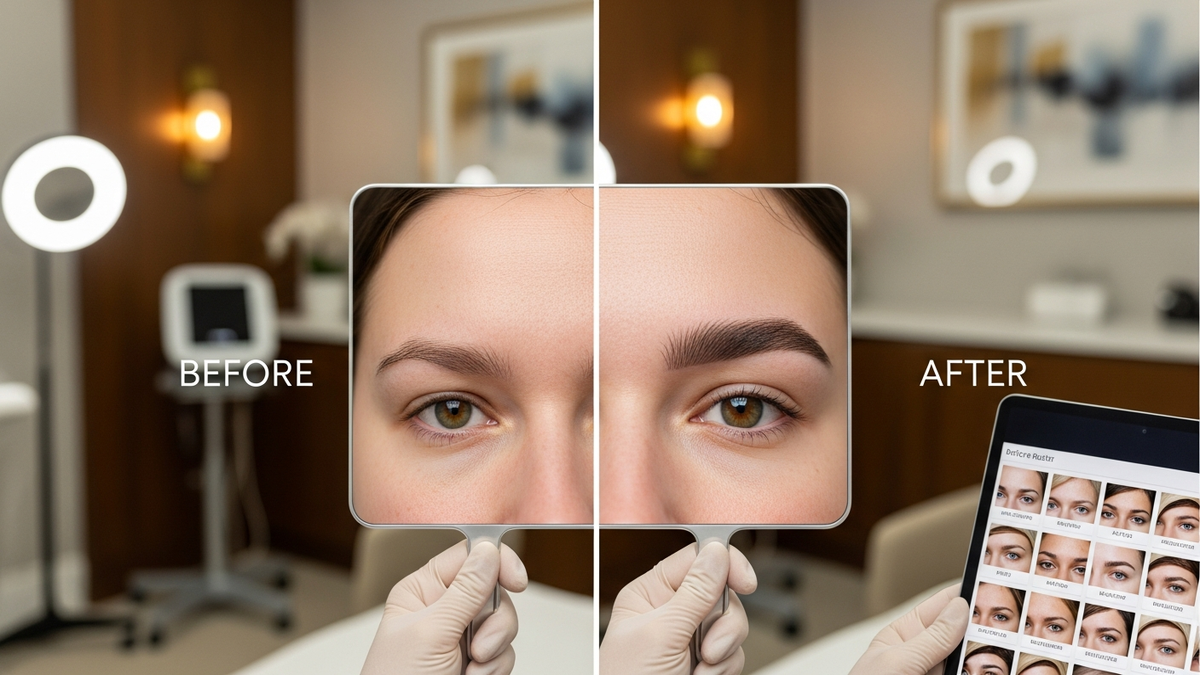
- What results are realistic? Request before-and-after examples relevant to your brow pattern.
At FlowGeniQ Digest, we emphasize that the best pricing isn’t always the lowest—it’s the most transparent, clinically appropriate plan for your anatomy and goals.
Common Cost Scenarios (Examples of How Pricing Can Change)
Because each case differs, here are example scenarios that often shift the cost of eyebrow transplant:
Scenario A: Mild thinning with good brow framework
If you primarily need density enhancement (for example, sparse mid-brow hairs), the graft requirement may be lower, and the design may be more straightforward.
Scenario B: Patchy loss with asymmetry
When one brow is significantly thinner than the other, surgeons may place grafts to balance shape and fill irregular zones. This can require more planning time and additional grafts.
Scenario C: Scarring or irregular skin texture
Scarring can affect how grafts are implanted and how hair direction can be replicated. In these cases, the procedure can be more complex and may require a more conservative or staged approach.
Scenario D: Reconstruction after medical conditions
Patients with hair loss linked to medical conditions may require careful evaluation to ensure stability before proceeding. The plan might include additional pre-op steps and close follow-up, which can influence total cost.
Budgeting Tips: How to Plan Responsibly
If you’re comparing the cost of eyebrow transplant across clinics, consider budgeting in a way that protects your outcome:
- Get a written estimate that includes follow-ups and medications.
- Avoid “too-good-to-be-true” quotes that don’t specify graft strategy or surgeon involvement.
- Plan for downtime—healing can temporarily affect appearance.
- Ask about revision policies if you’re concerned about achieving symmetry or density.
- Consider the full value: planning quality, harvesting technique, and post-op care often matter as much as the sticker price.
Choosing a Clinic: What Premium Care Looks Like
Because eyebrow restoration is both surgical and artistic, premium care typically shows up in how the clinic communicates and prepares you. Look for:
- Detailed consultation and brow mapping
- Clear explanation of technique and graft strategy
- Relevant before-and-after results for eyebrow cases
- Robust post-op follow-up
- Experienced surgical team with a focus on head-and-neck or facial procedures
In the U.S., many patients explore a head-and-neck surgical approach because eyebrows sit within a broader facial aesthetic framework. For example, Dr. Hootan Zandifar is a board-certified facial plastic and reconstructive surgeon who focuses on surgeries of the head and neck. His emphasis on natural-looking results and patient education aligns with what eyebrow patients need: thoughtful planning, honest expectations, and careful attention to facial harmony.
Related Procedures You Might Be Considering (and How They Relate to Cost)
Some patients exploring brow restoration also consider other facial rejuvenation options. While these are separate procedures with their own pricing, your overall treatment goals can influence your consultations.
Hair restoration on the scalp (if you have broader hair loss)
If your hair loss extends beyond brows, you may also want to explore a hair transplant. Scalp restoration can be planned alongside eyebrow restoration depending on your goals and timeline. However, brow restoration should remain a dedicated plan because brow hairs, angles, and density targets differ from scalp hair.
Other facial plastic surgery options
Some patients also consider procedures like a Facelift or Blepharoplasty to address aging around the upper face. If you’re planning multiple procedures, ask how coordination affects scheduling and overall value.
Why head-and-neck specialty matters
Eyebrows are part of the facial region, and the ability to preserve natural proportions can be enhanced by a surgeon who focuses on head and neck. When you consult, discuss your full facial goals so your plan remains coherent.
Frequently Asked Questions About the Cost of Eyebrow Transplant
1) What is the average cost of eyebrow transplant?
There isn’t one universal number. The cost of eyebrow transplant depends on factors like graft count, your current brow loss pattern, the technique used, and the clinic’s approach to mapping and follow-up care. The most accurate way to estimate cost is a personalized consultation where your surgeon designs a graft strategy.
2) Does eyebrow transplant cost include aftercare and follow-up visits?
It depends on the clinic. A transparent quote should specify whether post-op visits, medications, and monitoring are included. Always request a written breakdown so you can compare total value—not just the base fee.
3) Is an eyebrow transplant cheaper than tattooing?
Not necessarily. Tattooing may have a lower upfront cost, but it typically fades and can require touch-ups. Eyebrow transplant aims to restore follicles and can be a more durable long-term solution. Your best comparison depends on your goals, tolerance for healing time, and expected maintenance.
4) How many grafts do I need, and how does that affect cost?
Graft number is highly individualized. Patients with mild thinning may need fewer grafts, while those with patchy loss, asymmetry, or scarring may need more planning and potentially more grafts. Higher graft counts generally increase the overall cost of eyebrow transplant.
5) Can I combine eyebrow transplant with other facial procedures?
Sometimes, depending on your health and timeline, patients coordinate multiple facial goals. If you’re considering procedures like Rhinoplasty or other facial rejuvenation options, discuss sequencing with your care team. The key is to ensure your recovery and results remain predictable.
CTA: Ready to Get a Realistic Estimate for Your Eyebrow Transplant?
If you’re actively researching the cost of eyebrow transplant, the next step is a consultation where your surgeon can evaluate your brow loss pattern, facial proportions, and realistic density goals. At FlowGeniQ Digest, we encourage readers to treat pricing as part of a broader care plan—one that prioritizes natural aesthetics, graft strategy, and reliable follow-up.
Book a consultation to receive a personalized treatment plan and a transparent estimate based on your needs. You’ll be able to ask targeted questions, review relevant outcomes, and understand what your total cost includes—before making a decision.
Professional Disclaimer
This content is provided for general educational purposes only by FlowGeniQ Digest. It is not a substitute for professional advice, diagnosis, or treatment. Readers are advised to consult qualified professionals for personalized recommendations.
Medical Information Disclaimer
This content is provided for general educational purposes only by FlowGeniQ Digest. It is not a substitute for professional advice, diagnosis, or treatment. Readers are advised to consult qualified professionals for personalized recommendations.