FlowGeniQ Digest is here to help you navigate cosmetic care with clarity. If you’re searching for blepharoplasty new york city, you’re likely exploring options to reduce eyelid heaviness, under-eye puffiness, and the “tired” look that can develop with age—even when you feel great.
Blepharoplasty (eyelid surgery) is one of the most popular facial rejuvenation procedures because it targets a high-impact area: the eyes. When performed with an artist’s eye and a surgeon’s precision, eyelid surgery can create a more open, rested appearance while helping patients feel more confident in everyday life.
What Is Blepharoplasty? (Upper & Lower Eyelid Surgery Explained)
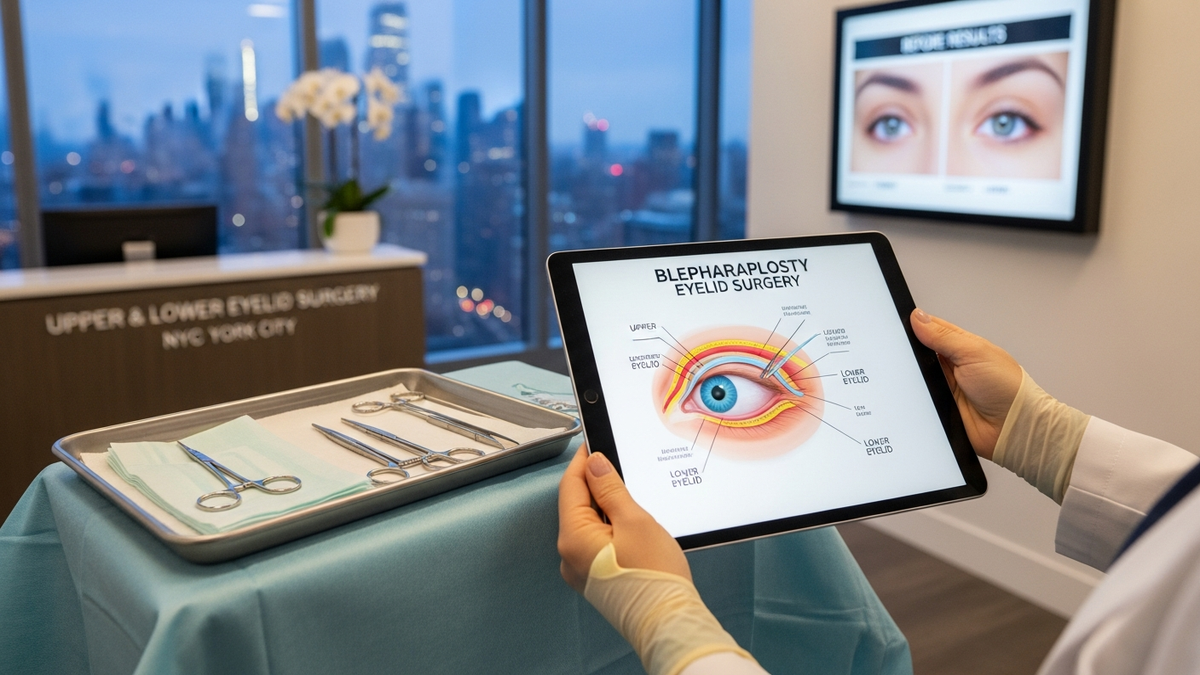
Blepharoplasty is a surgical procedure that reshapes the eyelids. Depending on your needs, it may involve:
- Upper eyelid surgery to remove excess skin, reduce hooding, and sometimes address fat bulges.
- Lower eyelid surgery to improve puffiness, reduce under-eye bags, and refine the transition between the lower lid and cheek.
In many patients, the goal is not to “change your face,” but to restore a natural, youthful eyelid contour. That distinction matters when selecting a surgeon in New York City—because outcomes depend heavily on technique, anatomy, and individualized planning.
Why the Eyes Look Tired as We Age
Common age-related changes include:
- Upper lid skin laxity (hooding) that can make the eyes appear smaller.
- Subtle fat redistribution in the upper and/or lower eyelid.
- Lower lid puffiness and changes in the tear trough area.
- Loss of eyelid support that can affect how the lower lid sits.
Because these changes vary from person to person, the best plan is usually tailored rather than one-size-fits-all.
Blepharoplasty New York City: What to Expect From the NYC Patient Experience
New York City offers access to a wide range of specialists, including facial plastic surgeons and ophthalmic surgeons. If you’re researching blepharoplasty new york city, you’ll want to evaluate more than reputation—you’ll want to understand how the practice handles:
- Consultation quality (photos, measurements, and a clear surgical plan)
- Technique selection (upper vs. lower, fat management, skin tightening, and support)
- Safety protocols (medical history review, medication guidance, and risk discussion)
- Recovery planning (timeline, swelling control, and follow-up visits)
- Natural result philosophy (avoiding over-resection and preserving eyelid function)
At FlowGeniQ Digest, we encourage patients to treat the consult like a decision-making meeting—not a quick appointment. The right surgeon will educate you thoroughly and help you understand what’s realistic for your specific anatomy.
Who Is a Good Candidate for Eyelid Surgery?
Many people consider eyelid surgery when they notice changes in appearance that affect how they feel. In general, good candidates may include:
- Upper eyelid concerns: excess skin, heaviness, or hooding that makes eyes look tired.
- Lower eyelid concerns: under-eye puffiness, mild to moderate bags, or a less smooth eyelid-cheek transition.
- Stable health: conditions that could affect healing are managed appropriately.
- Realistic expectations: you want improvement and refreshment, not an exaggerated look.
In some cases, candidates also benefit from complementary procedures—such as brow lift or other facial rejuvenation—to address the full “eyelid frame.” This is why a comprehensive evaluation is essential.
When Blepharoplasty May Not Be the Best First Step
Depending on your exam, a surgeon may recommend delaying or adjusting the plan if you have:
- Significant eyelid or ocular surface disease (e.g., severe dry eye).
- Uncontrolled medical conditions that increase surgical risk.
- Lower lid support issues that require additional stabilization strategies.
- Expectations that lean toward dramatic changes rather than natural rejuvenation.
A thoughtful surgeon will explain why and offer alternatives.
Upper Eyelid vs. Lower Eyelid Blepharoplasty: Key Differences
Upper and lower eyelids are anatomically distinct, and the surgical approach differs.
Upper Eyelid Blepharoplasty (Hooding, Excess Skin, Fat)
Upper eyelid surgery often targets:
- Excess skin that obscures the natural crease
- Fat bulges that create a puffy or heavy look
- Asymmetries that may be subtle but noticeable in photos
When done well, upper lid results can make the eyes appear more open and alert.
Lower Eyelid Blepharoplasty (Bags, Puffiness, Tear Trough Area)
Lower eyelid surgery may address:
- Lower lid fat herniation (“bags”)
- Puffiness and fluid retention
- Skin laxity and fine creasing
- Improved eyelid-cheek contour (including the tear trough region in selected patients)
Because the lower lid is more complex and sensitive to support, the best outcomes typically require a surgeon experienced in eyelid anatomy and closure techniques.
A Note on Brows and Eyelid Frame
Sometimes the “problem” isn’t the eyelid alone. Brow position can influence how much upper lid skin appears and how the lower lid looks. A brow lift may be discussed when brow descent is contributing to eyelid heaviness or vision obstruction.
Common Blepharoplasty Techniques and How Surgeons Tailor Them
No two faces are identical. Surgeons may use different strategies depending on your anatomy, skin quality, and the location of volume changes.
Skin Removal and Reshaping
For upper eyelids, surgeons may remove a conservative amount of skin to restore the crease and reduce hooding. For lower lids, skin management can vary based on laxity and the desired contour.
Fat Handling: Repositioning vs. Removal
Under-eye puffiness often involves fat. Surgeons may:
- Remove fat when it is localized and excess
- Reposition fat to improve contour and smooth transitions
Choosing between these options requires careful assessment—especially for tear trough appearance and lower lid support.
Support and Positioning for Lower Lid Stability
Lower lid surgery may require strategies to ensure the lid remains stable during healing and long-term. This is one reason to choose a surgeon who regularly performs eyelid procedures and communicates clearly about risk reduction.
Blepharoplasty Recovery Timeline: What to Plan in New York City
Recovery varies, but most patients can expect a structured timeline.
First Week: Swelling, Bruising, and Comfort
- Days 1–3: swelling and bruising are common; cold compresses are often recommended.
- Days 4–7: swelling gradually begins to settle; visibility improves.
Many patients schedule follow-up visits within the first week or two. Plan for reduced activity, and avoid strenuous exercise per your surgeon’s instructions.
Weeks 2–6: Settling and Refinement
As healing progresses, the eyelid edges and lines may look slightly different from day to day due to residual swelling. By several weeks, many patients notice meaningful improvement in appearance.
Months 2–3: Final Contour
Final results can take time. Scars typically mature gradually, and subtle contour changes may continue as tissues fully settle.
How Much Does Blepharoplasty Cost in New York City?
Cost depends on factors such as:
- Whether you need upper, lower, or both
- Complexity (fat repositioning, skin tightening, asymmetry)
- Surgeon experience and facility fees
- Anesthesia type and pre/post-operative care
Instead of focusing only on the lowest quote, consider value: outcomes, safety, and the quality of follow-up care. Ask for a detailed estimate that clarifies what’s included.
Risks and Side Effects: What You Should Know Before Surgery
All surgery carries potential risks. A reputable blepharoplasty new york city provider should review risks clearly and discuss how they reduce them. Possible risks may include:
- Temporary swelling, bruising, and discomfort
- Dry eyes or irritation (often manageable with appropriate care)
- Asymmetry or contour irregularities
- Scarring or changes in eyelid crease appearance
- In rare cases, eyelid closure issues or infection
The most important safety step is choosing a surgeon who tailors the plan to your eyelid function and anatomy, and who provides a realistic post-op care plan.
Choosing a Surgeon for Blepharoplasty in NYC: A Practical Checklist
If you’re comparing providers, use this checklist during your consultation:
- Board certification and relevant experience: confirm credentials and eyelid-specific training.
- Natural result philosophy: ask how they avoid an overdone look.
- Personalized assessment: request a clear explanation of what they plan to address (skin, fat, support, and symmetry).
- Before-and-after examples: review results from patients with similar anatomy.
- Risk discussion: ask what complications are most relevant to you and how they manage them.
- Recovery support: confirm follow-up schedule and post-op instructions.
- Communication: you should feel heard and educated—not rushed.
FlowGeniQ Digest recommends taking notes and comparing consults. Your eyes are functionally important—so your selection should be data-driven and confidence-based.
Related Facial Procedures That May Complement Eyelid Surgery
Eyelids sit within the broader facial “framework.” Depending on your goals, a surgeon may discuss other head-and-neck cosmetic or reconstructive options.
Brow Lift (Forehead Rejuvenation)
A brow lift can raise and support the brow position, which may improve how the upper eyelids appear. This can be especially helpful when brow descent contributes to hooding or vision obstruction.
Facelift
Some patients pursue a facelift to address midface and lower face aging that can influence under-eye contour. If you’re exploring broader rejuvenation, you may find useful context here: Facelift.
Non-Eyelid Options: When You Need a Different Focus
Not every facial concern is solved with eyelid surgery. For example, nasal breathing issues are addressed with functional nasal procedures rather than cosmetic-only approaches. This is relevant if you’re considering multiple aesthetic or functional changes as part of your overall plan.
How Functional Health Can Intersect With Facial Aesthetics
While blepharoplasty primarily focuses on eyelid appearance and function, some patients also explore head-and-neck procedures for related concerns. For instance, if you have chronic nasal congestion, you may be evaluating options like Septoplasty—including in cases related to a Deviated Septum. Improving nasal airflow can support overall comfort and may influence how you feel day-to-day.
Similarly, patients who want to refine facial balance may consider other procedures such as Rhinoplasty. While these are separate from eyelid surgery, they reflect a holistic approach to facial harmony—something many patients value.
What a Consultation Should Include
Your blepharoplasty consultation should be thorough and educational. Expect:
- Medical history review: medications, allergies, prior surgeries, and eye health.
- Eye and eyelid exam: eyelid position, tear film symptoms, and closure assessment.
- Photography: standardized images to compare pre- and post-op results.
- Discussion of goals: what you want to improve and why.
- Procedure plan: which lids (upper, lower, or both), and what techniques may be used.
- Recovery and risk plan: what to do before surgery and what to watch for afterward.
If any of these elements are missing, consider asking more questions or seeking a second consult.
Preparing for Blepharoplasty: Actionable Steps
Preparation can reduce stress and improve your experience. Practical steps include:
- Follow medication guidance: your surgeon may recommend stopping certain supplements or medications that can affect bleeding.
- Arrange transportation: you’ll likely need someone to help you after the procedure.
- Plan for downtime: schedule time away from work and avoid heavy activity early on.
- Prepare a recovery kit: cold compresses, comfortable head elevation, and any prescribed eye care products.
- Set expectations: swelling is normal; results evolve over weeks.
Ask your surgeon for written instructions. Clarity makes recovery easier.
Maintaining Results After Eyelid Surgery
Blepharoplasty can significantly refresh your appearance, but aging continues. You can help preserve results by:
- Protecting skin with sunscreen and healthy skincare habits.
- Managing dry eye if it’s an issue for you.
- Maintaining overall health: sleep, hydration, and stress management can influence how you look day-to-day.
- Attending follow-ups to monitor healing and address concerns early.
Blepharoplasty and Confidence: The Emotional Side of Eyelid Rejuvenation
Many patients report that eyelid surgery improves how they feel in social and professional settings. When your eyes look more rested, it can change first impressions and self-perception. That’s part of why blepharoplasty remains a top choice for people seeking facial rejuvenation.
However, the best emotional outcomes often come from realistic planning and natural results—so your surgeon’s communication style matters as much as the technical plan.
How FlowGeniQ Digest Helps You Make Informed Decisions
FlowGeniQ Digest curates practical, patient-friendly guidance to help you understand procedures before you commit. If you’re comparing options in the blepharoplasty new york city market, use this article as a starting point—and bring your questions to your consult.
For eyelid-specific education, you can also explore Blepharoplasty to learn how eyelid surgery is approached by a head-and-neck focused facial plastic and reconstructive surgeon.
FAQ: Blepharoplasty New York City
1) Is blepharoplasty only cosmetic?
While blepharoplasty is commonly performed for cosmetic rejuvenation, some patients may also experience functional benefits—such as improved eyelid heaviness that can affect comfort and, in select cases, vision obstruction. Your surgeon can help determine what applies to your anatomy.
2) What is the difference between upper and lower eyelid surgery?
Upper eyelid surgery typically addresses excess skin and/or fat in the upper lids. Lower eyelid surgery targets under-eye bags, puffiness, and contour transitions between the lower lid and cheek. The techniques and recovery details can differ.
3) How long will swelling last after blepharoplasty?
Swelling and bruising are usually most noticeable in the first week. Many patients look significantly improved by weeks 2–4, with further refinement over 2–3 months as tissues settle.
4) Can blepharoplasty help with under-eye bags?
Yes—under-eye bags caused by fat prominence and/or skin laxity may improve with lower blepharoplasty. The best approach depends on whether the “bag” is primarily fat, fluid-related puffiness, or changes in support/tear trough contour.
5) How do I choose between surgeons in New York City?
Look for relevant credentials, eyelid-specific experience, a natural result philosophy, and a consult process that includes a personalized plan and clear risk discussion. Reviewing before-and-after results from patients with similar anatomy is also essential.
CTA: Ready to Explore Blepharoplasty in NYC?
If you’re considering blepharoplasty new york city, the next step is a consultation where your eyelid anatomy, goals, and recovery plan are discussed in detail. The right provider will help you understand what’s possible—and what isn’t—so you can move forward with confidence.
Take action today: schedule an in-person or virtual consult, bring your questions, and request a clear explanation of your recommended upper and/or lower eyelid approach, expected recovery, and risk management.
Professional Disclaimer
This content is provided for general educational purposes only by FlowGeniQ Digest. It is not a substitute for professional advice, diagnosis, or treatment. Readers are advised to consult qualified professionals for personalized recommendations.
Medical Information Disclaimer
This content is provided for general educational purposes only by FlowGeniQ Digest. It is not a substitute for professional advice, diagnosis, or treatment. Readers are advised to consult qualified professionals for personalized recommendations.