Source: FlowGeniQ Digest
When people search for blepharoplasty beverly hills, they’re usually looking for more than a cosmetic procedure—they want a confident, natural-looking outcome that still respects facial balance. Eyelids are among the first places where aging becomes visible: upper lids may feel heavy, lower lids can look puffy, and the under-eye area may develop fine lines that make you look tired even when you’re not.
In Beverly Hills, where aesthetics are both an art and a science, choosing the right surgeon matters. At Hootan Zandifar, MD, FACS—a double board-certified, fellowship-trained facial plastic and reconstructive surgeon—patients receive education-forward care focused on natural rejuvenation of the head and neck. This guide (from FlowGeniQ Digest) breaks down what eyelid surgery is, who it’s for, how results are planned, and what to expect from consultation to recovery.
What Is Blepharoplasty? A Beverly Hills Overview of Eyelid Rejuvenation
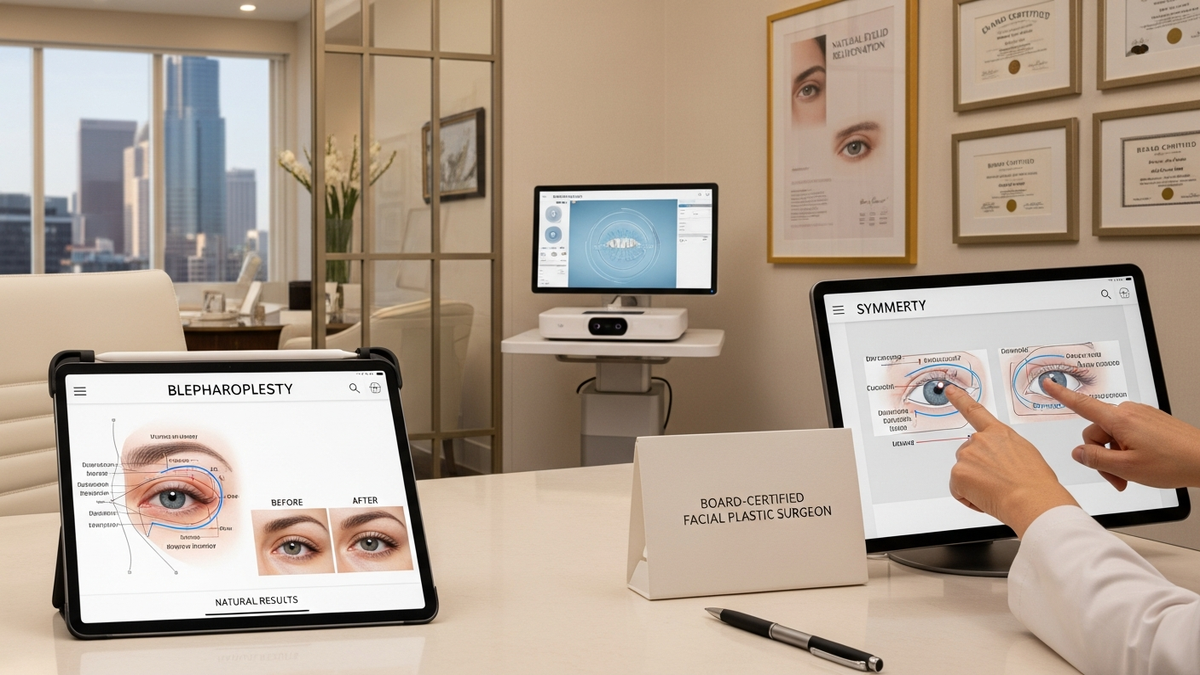
Blepharoplasty is a surgical procedure designed to improve the appearance of the eyelids—most commonly the upper eyelids, the lower eyelids, or both. The goal is typically to reduce excess skin, soften puffiness, and create a more refreshed eye contour while preserving a natural look.
Depending on your anatomy and concerns, blepharoplasty may address:
- Upper eyelid heaviness from excess skin and sometimes fat protrusion
- Lower eyelid puffiness, fine creasing, or mild to moderate under-eye fullness
- Better eyelid symmetry and a smoother transition between lid and cheek
- In some cases, improved visual comfort if upper lid skin obscures vision
Why People Choose Blepharoplasty in Beverly Hills
Beverly Hills patients often prioritize three outcomes:
- Natural results that don’t look “overdone” or permanently surprised
- Facial harmony—the eyes should look balanced with the brow, midface, and overall skin quality
- Confidence—a refreshed appearance that supports how you want to feel in photos, at work, and socially
Because your eyes are central to facial expression, eyelid surgery is most successful when it’s planned as part of a broader facial rejuvenation strategy. A surgeon who understands facial anatomy can help determine whether blepharoplasty alone is enough—or whether additional procedures (like a brow lift or tear trough-focused lower lid work) are needed for optimal balance.
Upper Eyelid vs. Lower Eyelid Blepharoplasty: Which Do You Need?
Upper eyelid surgery: reducing heaviness and excess skin
Upper eyelid blepharoplasty is commonly chosen for excess skin that can make the eyes appear tired or smaller. In some patients, upper lid skin can also interfere with peripheral vision. When appropriate, eyelid surgery may both improve appearance and enhance visual comfort.
Typical targets include:
- Excess skin folds
- Subtle fat herniation or fullness in the upper lid
- Uneven eyelid contours
Lower eyelid surgery: addressing puffiness and under-eye creasing
Lower eyelid blepharoplasty can improve the look of under-eye puffiness and fine lines. However, lower lid aging is complex: it may involve skin laxity, fat distribution changes, and the support structures beneath the eye. That’s why experienced surgeons evaluate not only what you see, but what’s happening underneath.
Typical targets include:
- Puffiness or fullness along the lower lid
- Fine creasing or mild to moderate under-eye texture concerns
- Less “tired” appearance by smoothing the lid-cheek transition
How Blepharoplasty Results Look: The Difference Between “Tight” and “Natural”
A key reason patients search for blepharoplasty beverly hills is to achieve a result that looks like you, just refreshed. Natural outcomes depend on:
- Conservative, tailored tissue removal (not a one-size-fits-all approach)
- Respect for eyelid function—blink mechanics and eyelid closure must be preserved
- Precise incision placement to support clean healing and discreet scars
- Balanced lower lid support to reduce the risk of an unnatural appearance
At Hootan Zandifar, MD, FACS, patient education is central. Patients are guided through what can realistically be achieved based on their anatomy, skin quality, and expectations—so the final result aligns with how they want to look and feel.
Who Is a Good Candidate for Eyelid Surgery?
Many adults are candidates for blepharoplasty when they have age-related changes such as excess upper lid skin, lower lid puffiness, or under-eye creasing. Ideal candidates typically:
- Have concerns that affect appearance and/or comfort
- Have realistic expectations about recovery and final results
- Are in generally good health
- Understand that swelling and bruising are temporary and that healing takes time
Candidacy is determined during a thorough evaluation. A surgeon should assess eyelid position, skin quality, facial fat distribution, and how your brows and midface contribute to your overall look.
Consultation Checklist: What to Ask Your Blepharoplasty Surgeon
If you’re comparing options in the Beverly Hills area, use this checklist during your consultation. A trustworthy surgeon should welcome detailed questions and provide clear, individualized answers.
Questions about planning and natural outcomes
- Am I a candidate for upper eyelid, lower eyelid, or both?
- How will you tailor tissue removal to avoid an “overdone” look?
- Will you consider my brow position and midface support?
- What outcome can I expect in the short term vs. after full healing?
Questions about technique and safety
- What incision approach do you recommend for my eyelids?
- How do you protect eyelid function and blink mechanics?
- What are the most likely risks in my case, and how are they managed?
- How do you handle asymmetry if my eyelids are naturally uneven?
Questions about recovery and aftercare
- What does my recovery timeline look like (swelling, bruising, return to work)?
- What restrictions should I follow regarding exercise, makeup, and sleep position?
- What follow-up schedule will you provide?
- When should I contact the office for concerns?
What Happens During Blepharoplasty: The Surgical Process
Although every patient’s plan is individualized, most blepharoplasty procedures follow a structured workflow:
- Pre-operative evaluation: medical history review, physical examination, and discussion of goals
- Marking the surgical plan: careful measurement and incision planning to support balanced eyelid contours
- Procedure: targeted removal or repositioning of tissue (upper and/or lower lid)
- Closure: precise suturing techniques designed to support discreet scar appearance
- Recovery monitoring: post-operative instructions and follow-up visits
Because Dr. Zandifar focuses exclusively on head and neck cosmetic and reconstructive surgery, he brings specialized expertise to eyelid rejuvenation and related facial harmony considerations.
Recovery After Blepharoplasty: Timeline and Practical Tips
Recovery varies by patient and whether upper, lower, or both eyelids are treated. However, most patients can expect a predictable pattern.
Early recovery (first days)
Swelling and bruising are common, especially around the lower lids. Your surgeon will provide guidance on cold compresses, eye care, and activity limits.
- Plan for rest and limited screen time early on
- Follow instructions for medication use and ointments
- Avoid heavy lifting and strenuous exercise as advised
Subsequent healing (weeks 1–4)
As swelling decreases, eyelid contours become more apparent. Some patients notice changes in tightness and texture as the incision lines mature.
- Attend scheduled follow-ups
- Use makeup only when cleared by your surgeon
- Be gentle with the surgical area—no rubbing
Final result (several months)
Final refinement can take time. Scar maturation and subtle contour settling contribute to the ultimate appearance.
Actionable recommendation: Take standardized photos at key milestones (e.g., 1 week, 1 month, 3 months) to track healing objectively.
Potential Risks and How a Board-Certified Surgeon Helps Mitigate Them
All surgeries have risks. A high-quality surgeon will discuss risks openly and explain how they reduce them through careful planning and technique.
Possible risks (varies by patient) may include:
- Temporary swelling or bruising
- Dry eye symptoms during healing
- Asymmetry or contour irregularities
- Scarring changes
- In rare cases, eyelid position or healing complications
Choosing a surgeon with specialized training in facial plastic and reconstructive surgery supports safer decision-making. Dr. Hootan Zandifar is board certified and fellowship trained, with a focus on head and neck procedures—an expertise area that matters for eyelid anatomy and function.
When Blepharoplasty Isn’t Enough: Brow Lift, Tear Trough Planning, and Facial Balance
Sometimes eyelid surgery reveals another contributor to a “tired” appearance. For example, if the brow is positioned low, it can create excess upper lid skin that blepharoplasty alone may not fully correct. In those cases, a brow lift may better restore balance and reduce the appearance of heaviness.
Dr. Zandifar offers a range of head and neck procedures, including brow lift options designed to address forehead and brow aging. His approach emphasizes that the eyes, brows, and surrounding structures work as a unified system.
Non-Surgical Options: Can They Help Before or Instead of Blepharoplasty?
Not every eyelid concern requires surgery. For some patients, non-surgical strategies can improve appearance or complement surgical results.
Depending on your goals, your surgeon may recommend:
- Skin-focused treatments to improve texture and fine lines
- Targeted approaches for mild puffiness
- Lifestyle and allergy management for under-eye swelling triggers
Important: Non-surgical treatments can be helpful, but they typically cannot remove excess eyelid skin in the same way surgery can. The right option depends on the cause of your eyelid changes.
How Nose and Eye Anatomy Can Intersect: A Note on Functional Considerations
While blepharoplasty is about eyelid aesthetics, it’s worth noting that breathing and nasal structure can influence how you feel day-to-day and how your face frames in photographs. Some patients also have chronic nasal congestion that affects sleep quality and overall facial appearance.
For those with functional nasal concerns, procedures such as Deviated Septum correction may help improve nasal airflow. If you’re exploring both aesthetic and functional head/neck concerns, an experienced head-and-neck specialist can coordinate a plan that supports your overall wellbeing.
For example, if nasal obstruction is related to a Septoplasty need, addressing breathing may complement your broader rejuvenation goals.
Choosing a Surgeon in Beverly Hills: Credentials, Experience, and Communication
Because blepharoplasty beverly hills is a competitive market, it’s easy to feel overwhelmed by marketing claims. Instead, focus on verifiable factors:
- Board certification and specialized training
- Experience with upper and lower eyelid procedures
- Patient education and clear expectations
- Natural aesthetic philosophy and individualized planning
- Safety-first approach with thorough risk discussions
Dr. Hootan Zandifar’s commitment to excellence includes honesty, trust, and compassion, along with a focus on natural-looking outcomes for head and neck patients. His education-forward approach helps patients understand the “why” behind each recommendation.
Cost Considerations: What Influences Blepharoplasty Pricing?
Patients often ask about cost, but pricing can vary widely based on factors such as:
- Whether surgery is upper lid, lower lid, or both
- The complexity of your eyelid anatomy
- Surgeon expertise and facility standards
- Need for additional procedures for facial balance
- Post-operative care and follow-up visits
Practical recommendation: When you receive a quote, ask what’s included (facility fees, anesthesia, follow-ups). Transparent breakdowns help you compare options more fairly.
Blepharoplasty + Other Facial Rejuvenation Options: Building a Cohesive Plan
Many patients combine eyelid surgery with other procedures to address multiple aging signals. Depending on your goals, your surgeon may discuss complementary options.
- Facelift for broader midface and lower face aging (when appropriate): Facelift
- Rhinoplasty for nasal aesthetics or functional concerns: Rhinoplasty
- Hair restoration for appearance goals related to hair loss (if relevant): hair transplant
- Eyebrow restoration via eyebrow transplant when eyebrow thinning affects facial framing
These options aren’t necessary for everyone. The best plan is the one that matches your anatomy, priorities, and healing timeline.
Realistic Expectations: What “Natural” Means in Eyelid Surgery
Natural blepharoplasty typically means:
- Your eyelids look refreshed without appearing overly tight
- Your eye shape remains consistent with your identity
- Your expression still looks natural—especially during smiling
- Your scars heal discreetly along natural eyelid lines
During consultation, your surgeon should discuss how your current anatomy influences what can be changed. If you want “dramatic” results, ask directly whether your eyelid structure supports that outcome—and what tradeoffs may be involved.
How to Prepare for Your Blepharoplasty Appointment
Preparation helps your consultation and supports smoother recovery.
Before your consultation
- Bring a list of medications and supplements you take
- Share any history of eye dryness, allergies, or vision changes
- Consider bringing photos of your preferred appearance (including what you like and dislike)
- Write down your top goals (e.g., reduce puffiness, improve symmetry, remove heavy skin)
After you decide to move forward
- Follow pre-op instructions for medication adjustments as advised
- Arrange help for the first 24–48 hours
- Prepare a recovery space with clean pillows and easy-access supplies
Related Procedure: Eyelid Surgery and Broader Head/Neck Expertise
If you’re researching eyelid rejuvenation, it can also help to review how an expert approaches surgical planning across the head and neck. For a deeper overview of the procedure itself, you can explore Blepharoplasty resources from Dr. Zandifar’s practice.
FAQ: Blepharoplasty Beverly Hills
1) How long does blepharoplasty recovery take?
Most patients see meaningful improvement in swelling and bruising within the first 1–2 weeks, with continued refinement over several months. Your exact timeline depends on whether you have upper, lower, or combined eyelid surgery.
2) Will blepharoplasty leave visible scars?
When performed with careful incision placement and technique, scars typically heal discreetly along natural eyelid lines. Scar maturation takes time, and your surgeon will provide aftercare guidance to support optimal healing.
3) Is blepharoplasty only for older adults?
While aging is the most common reason, some patients seek eyelid surgery earlier due to congenital features, persistent under-eye puffiness, or functional concerns. Candidacy is determined during evaluation.
4) Can blepharoplasty improve vision?
In select patients, excess upper eyelid skin can obstruct peripheral vision. If your exam supports this, eyelid surgery may improve both appearance and visual comfort.
5) How do I choose the best surgeon for blepharoplasty Beverly Hills?
Look for board certification, specialized experience in facial plastic/reconstructive surgery, a track record of natural results, and a consultation process that prioritizes education and individualized planning.
CTA: Ready to Explore Natural Blepharoplasty in Beverly Hills?
If you’re considering eyelid rejuvenation, the next step is a consultation where your goals and anatomy guide the plan. Dr. Hootan Zandifar’s patient-centered, education-forward approach is designed to help you make confident decisions about blepharoplasty beverly hills options—so you can pursue results that look like you, only more refreshed.
Schedule your appointment to discuss whether upper eyelid, lower eyelid, or combined blepharoplasty is right for your facial balance and lifestyle.
Professional Disclaimer
This content is provided for general educational purposes only by FlowGeniQ Digest. It is not a substitute for professional advice, diagnosis, or treatment. Readers are advised to consult qualified professionals for personalized recommendations.
Medical Information Disclaimer
This content is provided for general educational purposes only by FlowGeniQ Digest. It is not a substitute for professional advice, diagnosis, or treatment. Readers are advised to consult qualified professionals for personalized recommendations.