Source: FlowGeniQ Digest
When people search for blepharoplasty best surgeons, they’re usually looking for the same thing: safer surgery, natural-looking results, and an experienced eye for facial balance. Eyelids are uniquely expressive—small changes can noticeably affect how rested, alert, or youthful your face looks. The “best” surgeon isn’t simply the one with the most reviews; it’s the one whose training, approach to anatomy, and aesthetic judgment match your goals.
In this guide, we’ll walk through how to evaluate eyelid surgeons, what blepharoplasty can (and can’t) do, which credentials matter, how to prepare for surgery, and how to set realistic expectations for recovery and long-term results.
What “blepharoplasty” really changes—and why surgeon selection matters
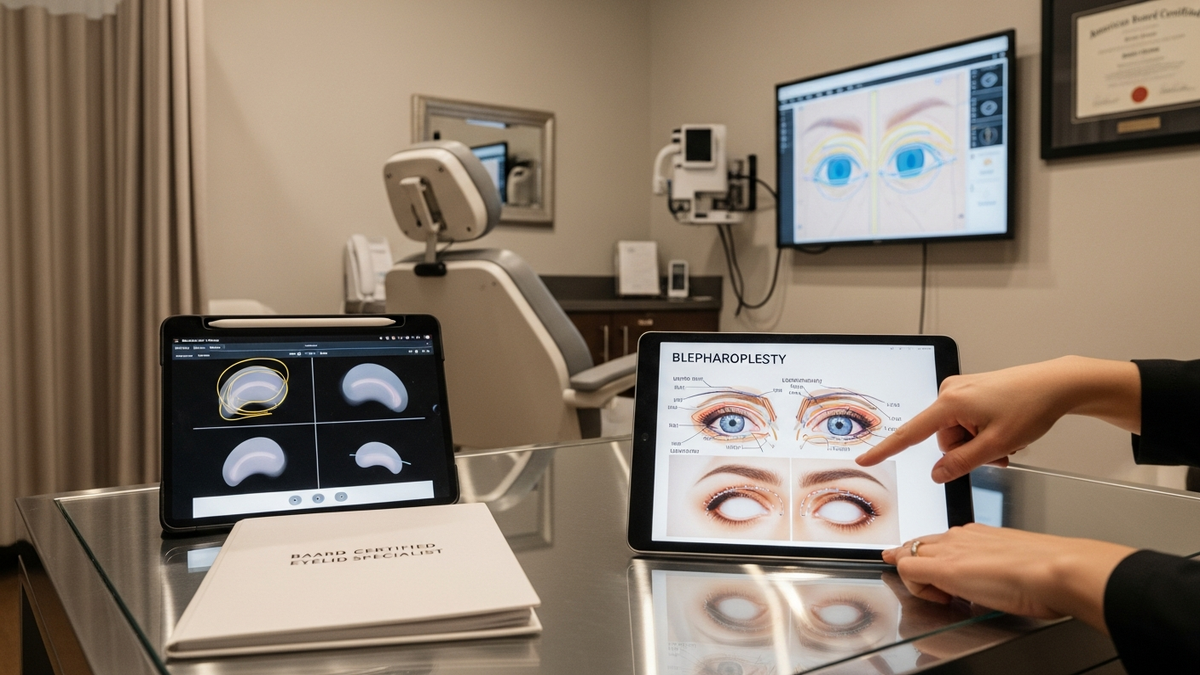
Blepharoplasty is a surgical procedure that improves the appearance and function of the eyelids by addressing issues such as:
- Upper eyelid excess skin (hooding) and sometimes fat bulges
- Lower eyelid puffiness, prominent fat, or skin laxity
- In some cases, eyelid-related visual obstruction (depending on anatomy and severity)
Because the eyelids are closely connected to the eyes’ surface, tear film, and eyelid mechanics, outcomes depend on more than technique. A surgeon must understand eyelid anatomy, vascularity, scar behavior, and how the eyelid position affects comfort and vision. The best blepharoplasty surgeons plan for both aesthetics and eye health.
Blepharoplasty best surgeons share a common checklist
Searching for blepharoplasty best surgeons can feel overwhelming. Instead, use a practical checklist to compare candidates. Consider this your “shortlist framework.”
1) Appropriate specialty and facial anatomy expertise
Eyelid surgery sits at the intersection of cosmetic refinement and functional ophthalmic anatomy. The strongest candidates typically have:
- Formal training in head and neck or facial plastic surgery
- Experience performing both upper and lower eyelid procedures (or close collaboration with an oculoplastic team when needed)
- A track record of natural results that preserve eyelid position and facial expression
At Hootan Zandifar, MD, FACS, patients receive care from a surgeon who focuses exclusively on cosmetic and reconstructive surgery of the head and neck—an approach that supports detailed, anatomy-forward outcomes for the periorbital region.
2) Board certification and fellowship-level training
Credentials matter because eyelid surgery demands precision. Look for:
- Board certification in a relevant specialty
- Fellowship training that indicates advanced technique and refined aesthetic judgment
- Membership in recognized professional societies
Dr. Hootan Zandifar is double board certified and fellowship trained, with extensive professional experience and a commitment to patient education—important factors when choosing among the blepharoplasty best surgeons.
3) A conservative, natural-results philosophy
One reason patients feel disappointed after eyelid surgery is that the goal was treated as “remove more skin/fat.” A better approach is individualized: correct what’s aging you while preserving eyelid function and your natural facial expression.
Ask your surgeon how they decide the amount of tissue to remove. The most trustworthy answers usually include:
- How they assess eyelid position, symmetry, and crease design
- How they account for eyebrow position and midface support
- How they plan to avoid over-resection and minimize risk
4) Transparent discussion of risks and eye-surface comfort
Every blepharoplasty consultation should cover risks in plain language. Reliable surgeons discuss both common and serious considerations, such as:
- Dry eye symptoms and tear film disruption
- Temporary swelling and bruising
- Asymmetry and scar maturation
- Eyelid closure changes in certain anatomy
- In rare cases, complications that may require additional care
Natural results are not only about aesthetics; they’re about maintaining healthy eyelid mechanics. If a surgeon minimizes risk or avoids specifics, that’s a red flag.
5) Evidence of outcomes that match your face
Before-and-after photos can help—but only when you evaluate them correctly. Look for:
- Patients with similar age, eyelid anatomy, and skin quality
- Consistent eyelid symmetry and crease design
- Results that look appropriate at rest and during expression
- Longer-term photos when available (scar and swelling changes over time)
Also ask about how they handle concerns like lower eyelid support, tear trough appearance, and brow position—issues that can influence whether blepharoplasty alone is enough.
Upper vs. lower blepharoplasty: what to expect
Many patients ask for “blepharoplasty,” but the procedure is often tailored to whether the main concern is upper eyelids, lower eyelids, or both.
Upper eyelid surgery (upper blepharoplasty)
Upper blepharoplasty typically targets:
- Excess skin that creates hooding
- Fat protrusion that can make the eyes look puffy
- Sometimes, functional visual obstruction if the eyelid skin droops into the line of sight
In many cases, upper eyelid changes can make you look more rested while keeping the eyelid crease natural.
Lower eyelid surgery (lower blepharoplasty)
Lower blepharoplasty often focuses on:
- Puffiness or fat pads
- Skin laxity
- Improving the appearance of tear troughs (with careful planning to avoid a “sunken” look)
Lower eyelid outcomes are especially sensitive to technique and anatomy. A surgeon must consider eyelid support and the relationship between the lower lid and surrounding midface structures.
How to evaluate a surgeon in your blepharoplasty search
If you’re comparing blepharoplasty best surgeons, plan your consultation like an informed decision—not a sales pitch.
Questions to ask at your consultation
- What is my main diagnosis? (Skin excess, fat prolapse, laxity, or a combination.)
- Am I a candidate for upper, lower, or both? Why?
- How do you plan to maintain eyelid position and function?
- What are the realistic outcomes for my anatomy? Ask for a “best case” and “most likely” scenario.
- What is your approach to natural symmetry? (How do you address left-right differences?)
- What risks are most relevant for me? For example: dry eye history, contact lens use, or prior surgeries.
- What does recovery look like? Including bruising timeline and when you can resume work or exercise.
Request specifics about technique
Different eyelid approaches exist depending on your anatomy. While you don’t need to memorize surgical terms, you should be able to understand the plan:
- Where incisions will be placed and how scars are expected to mature
- How fat is treated (removed, repositioned, or conservatively managed)
- Whether additional procedures are needed to optimize results
When blepharoplasty is not the only answer
Some patients assume eyelid surgery will fully solve their concerns, but eyelids are part of a larger facial system. Depending on your anatomy, a surgeon may recommend complementary treatments.
Brow position and forehead support
If brow position contributes to eyelid hooding or visual obstruction, a brow lift (also called a forehead lift) may be considered to rebalance the upper face. In some cases, the best result requires treating the cause—not only the symptom.
Midface support
Lower eyelid appearance can be influenced by midface structure. If the midface is under-supported, conservative lower blepharoplasty may be combined with supportive strategies to avoid an overly hollow appearance.
Skin quality and overall facial aging
For broader facial aging, some patients explore a Facelift approach. For example, if skin laxity and jowling are prominent, a tailored plan may include additional procedures. Learn more about facial rejuvenation options here: Facelift.
Recovery timeline: what most patients can realistically expect
Recovery varies by person and by whether you undergo upper, lower, or combined blepharoplasty. Still, there are common patterns.
First week
- Swelling and bruising are typical, often peaking around the first few days.
- Cold compresses (as advised by your surgeon) can help comfort.
- Most people can return to light work depending on swelling and visibility.
Weeks 2–4
- Visible bruising typically improves significantly.
- Swelling continues to refine gradually.
- Scar maturation is ongoing; avoid sun exposure as directed.
Months 2–6
- Results become more stable as tissues settle.
- Final aesthetic refinement may take additional time, especially for lower eyelid procedures.
Tip: Ask your surgeon for a personalized timeline based on your specific plan. That’s one of the most practical ways to compare blepharoplasty best surgeons—those who provide clarity reduce uncertainty and improve adherence to post-op care.
How to prepare for eyelid surgery (and protect your results)
Preparation affects comfort, healing, and outcome quality. While your surgeon’s instructions come first, these general steps are commonly recommended:
Pre-op checklist
- Follow medication guidance regarding blood thinners, supplements, and pain management.
- Arrange transportation and post-op support for the first 24–48 hours.
- Plan your recovery environment (comfortable sleeping position, cold compress supplies if permitted).
- Prepare for time off work and exercise based on your surgeon’s recommendations.
- Discuss dry eye risk if you use contacts or have baseline eye dryness.
During recovery: the habits that matter
- Use prescribed eye care and lubricating drops if directed.
- Avoid rubbing your eyes and follow wound-care instructions.
- Stay consistent with follow-up visits.
- Protect your healing skin from sun exposure.
Choosing the right surgeon in Los Angeles/Beverly Hills: what to look for
Many patients in Los Angeles and nearby areas search for blepharoplasty best surgeons because they want access to advanced facial plastic expertise. If you’re located in the region, consider these local decision factors:
- Head-and-neck focus and experience with facial harmony
- Board certification and documented surgical training
- Patient education and a clear, honest consultation process
- Natural aesthetic judgment (subtle improvements, not exaggerated change)
Dr. Hootan Zandifar, based in Beverly Hills, CA, is a board-certified facial plastic and reconstructive surgeon known for an honest, trustworthy, and compassionate approach. His practice emphasizes education so patients can make well-informed decisions—an important differentiator when comparing the blepharoplasty best surgeons.
How to avoid common pitfalls when comparing surgeons
Even with a strong shortlist, patients can get tripped up by avoidable issues.
Pitfall 1: Choosing based only on price
Cost can vary widely due to facility fees, anesthesia, and complexity. However, eyelid surgery is a high-precision procedure. The best results typically come from the right match—not the lowest quote.
Pitfall 2: Not discussing eye-surface health
If you have dry eye symptoms, autoimmune conditions, or prior eye surgeries, tell your surgeon. A conservative plan may be safer and more comfortable.
Pitfall 3: Expecting identical results from similar-looking patients
Two people can have “puffy eyes” but for different reasons—fat distribution, skin laxity, brow position, or tear trough anatomy. Your plan should reflect your specific cause.
Pitfall 4: Skipping follow-up care
Swelling, scar maturation, and comfort improve with proper monitoring. Follow-up visits are part of the outcome.
Related facial procedures you may hear about (and why they come up)
While this article focuses on blepharoplasty best surgeons, it’s common for patients to explore other head-and-neck procedures as part of a broader refresh. For example:
- Rhinoplasty for nasal aesthetics or function—often discussed when breathing concerns affect quality of life. Learn more: Rhinoplasty.
- Septoplasty for nasal airflow issues, including concerns related to a Deviated Septum. Learn more here: Septoplasty.
- Eyebrow transplant for eyebrow thinning or loss—useful because brow position can affect eyelid appearance. Learn more: eyebrow transplant.
- Hair transplant options if you’re also addressing hair density concerns. Learn more: hair transplant.
These are not prerequisites for blepharoplasty. They’re simply examples of how facial anatomy and aesthetics are interconnected. A great surgeon considers the bigger picture.
Learn more about eyelid surgery planning
If you want to review an overview of eyelid surgery options, you can explore this resource: Blepharoplasty.
FAQ: Blepharoplasty best surgeons
How do I know if I’m a good candidate for blepharoplasty?
Good candidates typically have upper eyelid hooding, lower eyelid puffiness, or skin/fat changes that bother them aesthetically. Some patients may also have functional eyelid droop affecting vision. A consultation with an experienced surgeon is the only way to confirm candidacy based on anatomy, eye comfort, and health history.
Will blepharoplasty make me look “natural” or overly operated?
Natural results depend on individualized planning—how much tissue is removed, how fat is managed, and how eyelid mechanics are preserved. The blepharoplasty best surgeons prioritize symmetry, subtlety, and eye-surface comfort rather than a one-size-fits-all approach.
What’s the recovery time for upper vs. lower blepharoplasty?
Most patients see meaningful improvement in bruising and swelling within the first 1–2 weeks, with continued refinement over months. Lower blepharoplasty often involves more delicate tissue relationships, so patience and follow-up are important.
Are there risks specific to lower eyelid surgery?
Yes. Lower eyelids are closely linked to tear film, eyelid support, and midface structure. Risks can include dry eye symptoms, temporary changes in eyelid position, and aesthetic issues if not planned carefully. That’s why surgeon experience and conservative decision-making matter.
How should I choose between multiple surgeons?
Compare credentials, technique philosophy, and the ability to explain risks and expectations clearly. Ask for outcomes that resemble your anatomy, and prioritize surgeons who provide education and a structured plan for your recovery.
CTA: Take the next step toward confident, natural eyelid results
If you’re searching for blepharoplasty best surgeons, start by narrowing your options to surgeons who combine advanced training, board certification, and a natural-results mindset—while taking eye health seriously.
To learn more about eyelid surgery planning with a head-and-neck specialist, explore Blepharoplasty and consider scheduling an online consultation with Hootan Zandifar, MD, FACS in Beverly Hills, CA.
Act today: Gather your questions, review your goals, and book a consultation so you can make an informed decision with confidence.
Professional Disclaimer
This content is provided for general educational purposes only by FlowGeniQ Digest. It is not a substitute for professional advice, diagnosis, or treatment. Readers are advised to consult qualified professionals for personalized recommendations.
Medical Information Disclaimer
This content is provided for general educational purposes only by FlowGeniQ Digest. It is not a substitute for professional advice, diagnosis, or treatment. Readers are advised to consult qualified professionals for personalized recommendations.