From FlowGeniQ Digest
Breathing through your nose should feel effortless. When you’re dealing with chronic congestion, frequent sinus pressure, or one-sided nasal blockage, a structural issue like a deviated septum can be a major—and sometimes fixable—cause. This complete guide to surgery for septum deviated walks you through what the condition is, when surgery is considered, what procedures are commonly recommended, what recovery looks like, and how to choose a qualified surgeon who prioritizes functional outcomes.
What “septum deviated” means and why it affects breathing
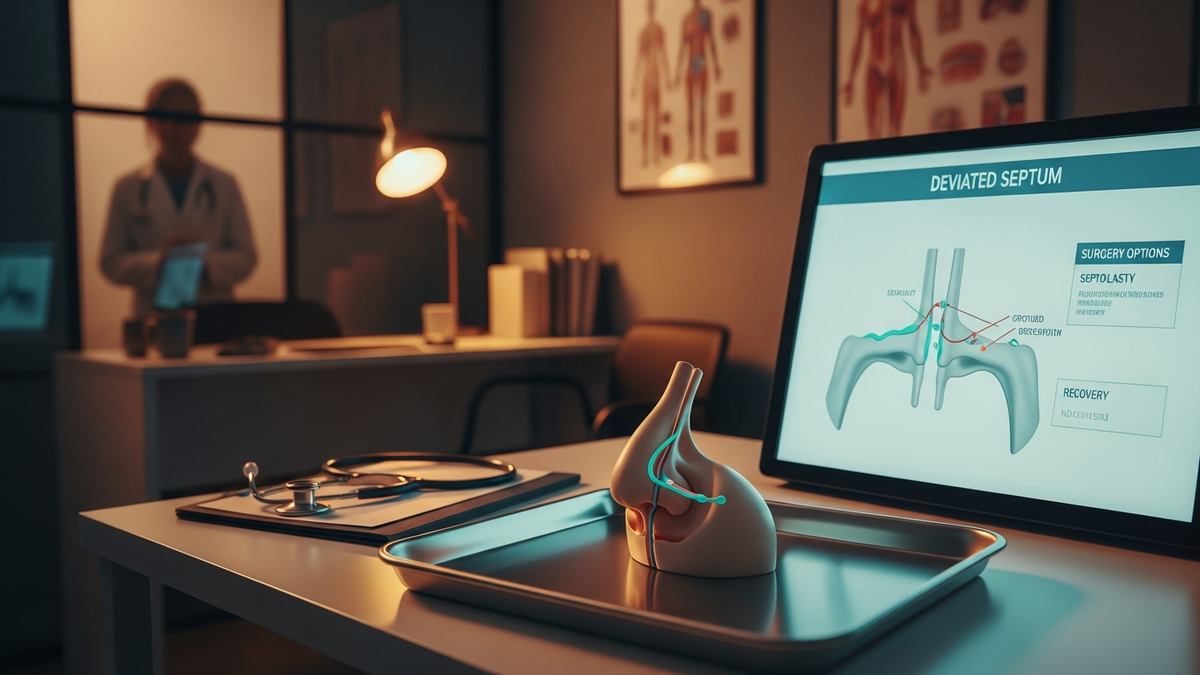
Your nasal septum is the central wall of cartilage and bone that separates the right and left nasal passages. Ideally, it sits in the middle so air can flow evenly. When the septum is not straight—often described as a deviated septum—one or both nostrils can become obstructed. That obstruction can reduce airflow, dry out the nasal lining, and contribute to chronic symptoms.
Common symptoms of a deviated septum
People with a deviated septum often report a combination of the following:
- Chronic nasal congestion (often one-sided, but can be both)
- Difficulty breathing through the nose, especially during sleep
- Frequent sinus pressure or recurrent sinus infections
- Post-nasal drip and throat irritation
- Dryness or crusting inside the nose
- Snoring that worsens with nasal blockage
It’s important to note that symptoms can overlap with allergies, enlarged turbinates, nasal valve collapse, or chronic sinusitis—so diagnosis matters.
When is surgery for septum deviated actually recommended?
Not every deviated septum requires surgery. Many patients first try medical management—such as saline irrigation, allergy treatment, and nasal steroid sprays—especially when inflammation plays a role. Surgery is typically considered when symptoms are persistent, structural blockage is significant, or medical therapy hasn’t provided adequate relief.
Typical reasons to consider septum surgery
- Persistent nasal obstruction despite appropriate non-surgical treatment
- Sleep-disordered breathing concerns (snoring, disrupted sleep, possible sleep apnea)
- Recurrent or chronic sinusitis associated with airflow obstruction
- Significant septal deformity confirmed on exam and nasal endoscopy
- Quality-of-life impact (day-to-day breathing, concentration, sleep, exercise tolerance)
Functional vs. cosmetic goals
For many patients, the primary goal is functional: better nasal airflow and relief of congestion. While nasal shape concerns may coexist, functional nasal surgery focuses on restoring airway mechanics. In the right circumstances, functional procedures can permanently reduce symptoms that make breathing difficult and improve quality of life.
In Los Angeles and beyond, patients often seek care from surgeons who understand both the anatomy and the breathing dynamics of the nose. Dr. Hootan Zandifar specializes in functional nasal surgery designed to address chronic symptoms of nasal congestion and sinusitis using minimally invasive techniques when appropriate.
Septoplasty: the most common surgery for septum deviated
The most well-known procedure for a deviated septum is septoplasty. The goal is to straighten the cartilage and bone of the septum so that airflow improves. Because septoplasty treats internal nasal structure, it’s generally considered a functional surgery rather than a purely cosmetic one.
How septoplasty works
Septoplasty is typically performed through the nostrils, meaning there are usually no external incisions. The surgeon repositions, reshapes, and stabilizes the septum to improve the nasal passage on the affected side(s).
What to expect from a septoplasty consultation
A thorough evaluation usually includes:
- Symptom review (congestion pattern, triggers, sleep quality, sinus history)
- Physical exam of nasal anatomy
- Nasal endoscopy to view internal structures
- Assessment of related contributors such as turbinate enlargement, nasal valve collapse, or sinus disease
- Discussion of prior treatments and what has or hasn’t worked
If you’re looking specifically for information on the procedure, you can review Septoplasty with Dr. Hootan Zandifar.
Septoplasty vs. rhinoplasty: are they the same?
Many people search for “septum surgery” and end up comparing septoplasty and rhinoplasty. While both may involve the nasal septum or cartilage, they have different primary purposes.
Septoplasty (functional)
Septoplasty primarily targets internal nasal airflow by straightening the septum.
Rhinoplasty (aesthetic, can be combined)
Rhinoplasty reshapes the external nose for appearance and/or to improve function. In some patients, surgeons perform a combined approach—functional septal work plus aesthetic refinement.
If your goals include both breathing and appearance, it may be helpful to explore Rhinoplasty and discuss whether a combined plan is appropriate.
Other procedures that may be recommended alongside septum surgery
A deviated septum doesn’t always act alone. Many patients have additional structural contributors to nasal obstruction. In functional nasal surgery, the best plan is often individualized and may include one or more procedures.
Inferior turbinate reduction for long-term “stuffy nose”
Enlarged inferior turbinates can contribute to chronic nasal congestion even when the septum is only partially deviated. Inferior turbinate reduction aims to improve airflow by reducing turbinate size while preserving nasal function.
This procedure is often considered for patients with:
- Persistent nasal obstruction
- Long-term “stuffy nose” sensation
- Sleep apnea concerns related to nasal blockage
- Chronic congestion that doesn’t respond well to medical therapy
Repair of nasal valve collapse
The nasal valve is one of the narrowest points of the nasal airway. When it collapses—especially during inhalation—patients may feel that their nose “can’t open” even if the septum is improved. Non-surgical options may include allergy medications and other non-invasive treatments to increase airway patency.
For severe obstruction or persistent symptoms, surgical repair may be considered. Options can include Latera implant and Vivair procedures, depending on the anatomy and severity.
Septal perforation repair (when there’s a hole through the septum)
Some patients have a septal perforation—an opening that extends through the septum. This can cause:
- Chronic nose bleeding
- Whistling sounds while breathing
- Difficulty breathing
In these cases, perforation repair may be necessary to reduce or eliminate symptoms.
Balloon sinuplasty and endoscopic sinus surgery for chronic sinusitis
If chronic sinus symptoms accompany nasal obstruction, addressing sinus drainage pathways can be crucial. Two common minimally invasive options include:
- Balloon sinuplasty: A minimally invasive approach used to open blocked sinus passages and help eliminate chronic sinus infections for appropriately selected patients.
- Endoscopic sinus surgery: Often used for chronic sinusitis that doesn’t respond to conservative measures. Endoscopic techniques restore sinus function and can widen sinus passages to improve mucus drainage and support smell restoration.
Allergy treatment to reduce inflammation-related blockage
Even with structural correction, ongoing allergies can keep nasal passages inflamed. For patients with allergy-driven symptoms, sublingual immunotherapy (SLIT) (the “no shot method”) may be considered as an allergy treatment option. This can reduce sensitivity over time and help improve breathing efficiency.
Who is a good candidate for surgery for septum deviated?
Good candidates typically have a confirmed deviated septum and symptoms that correlate with the anatomy. They also usually have tried appropriate medical therapies (when indicated) or have structural findings that make obstruction unlikely to resolve without surgery.
Factors that influence candidacy
- Severity of deviation and location of obstruction
- Presence of turbinate hypertrophy or nasal valve dysfunction
- History of sinusitis and whether sinus drainage is impaired
- Allergy burden and responsiveness to medical management
- General health and ability to follow pre- and post-operative instructions
Dr. Hootan Zandifar’s functional approach emphasizes that the “right” procedure depends on the specific anatomy and symptom drivers—rather than using a one-size-fits-all model.
Minimally invasive functional nasal surgery: what “less invasive” can mean
Patients often ask whether septum surgery is “minor.” While any surgery involves risk, functional nasal procedures are designed to minimize disruption while maximizing airflow improvement. In the right circumstances, minimally invasive techniques can support a faster return to normal activities and reduce discomfort.
Goals of functional nasal surgery
- Improve airflow through the nasal passages
- Reduce chronic congestion
- Support healthier sinus drainage
- Preserve or restore nasal function (including sensation and mucosal health)
How to prepare for surgery for septum deviated
Preparation can significantly affect comfort, safety, and recovery. Your surgeon will provide individualized instructions, but the following checklist is a helpful starting point.
Pre-operative steps (typical)
- Complete pre-surgical evaluation: review medical history, medications, and prior anesthesia experiences.
- Medication review: follow guidance on stopping or adjusting blood thinners, anti-inflammatories, or supplements if instructed.
- Plan your recovery: arrange time off work, transportation, and a comfortable resting space.
- Stock up on supplies: saline sprays/irrigation kits (if recommended), gauze, and any prescribed medications.
- Follow fasting instructions: if sedation or anesthesia is planned, adhere strictly to pre-op guidelines.
Questions to ask at your consultation
- What specific structure(s) are causing my blockage?
- Is septoplasty alone enough, or should we address turbinates and/or nasal valve collapse?
- What anesthesia will be used?
- What is the expected timeline for improved breathing?
- What risks apply to me specifically?
- How will pain, bleeding, and congestion be managed after surgery?
Pro tip: Bring photos of your nasal symptoms if you have them (e.g., timing, triggers, sleep-related issues). Even though internal anatomy is evaluated directly, symptom patterns can help refine the plan.
Recovery timeline after septum surgery
Recovery varies by patient and the procedures performed. However, most people experience a predictable sequence after septoplasty and related functional nasal procedures.
First few days
- Congestion and swelling are expected
- Mild to moderate discomfort can occur
- Bleeding or spotting may happen initially
- You may be advised to use saline and follow specific nasal care instructions
Week 1–2
- Many patients notice gradual improvement in airflow as swelling decreases
- Follow-up visits help monitor healing
- Activity restrictions may be in place to reduce bleeding risk
Weeks 3–6
- Airflow improvements often become more consistent
- Residual congestion can still occur, especially with environmental triggers
- Patients typically transition back toward normal routines per surgeon guidance
Months 2–6
Final results can continue to refine over time as internal tissues heal and stabilize. If sinus procedures are performed in combination, smell and sinus-related improvements may also evolve gradually.
Potential risks and side effects of surgery for septum deviated
All surgeries carry risks. A high-quality functional nasal surgery plan balances symptom relief with long-term nasal health. While many patients have excellent outcomes, it’s essential to understand potential complications.
Common or possible risks
- Bleeding or prolonged spotting
- Infection (uncommon with proper care)
- Persistent congestion due to swelling or incomplete correction
- Scar tissue formation or adhesions
- Septal perforation (rare but important to discuss, especially in revision cases)
- Changes in sensation inside the nose (usually temporary)
- Anesthesia-related risks depending on your health profile
How to reduce risk
- Follow pre- and post-op instructions closely
- Use prescribed nasal care (e.g., saline irrigation) as directed
- Avoid smoking or nicotine products if you use them (ask your surgeon for cessation support)
- Report symptoms promptly (fever, heavy bleeding, worsening pain)
Results: what “success” looks like after septoplasty
Success is usually measured by improved nasal airflow and reduced chronic symptoms. Many patients report meaningful changes in congestion, breathing comfort, and sleep quality. However, results depend on accurate diagnosis and appropriate procedure selection.
What you may notice after surgery
- Improved ability to breathe through the nose
- Less persistent stuffiness
- Better sleep (especially if nasal blockage contributed to snoring)
- Reduced sinus pressure for patients with drainage obstruction
- Improved quality of life (exercise tolerance, reduced mouth breathing)
It’s also normal for some symptoms to fluctuate early in healing. If allergies are present, continuing allergy management may be part of long-term success.
Alternatives to surgery for septum deviated
Depending on your anatomy and symptom severity, alternatives may help—or may be used alongside surgery.
Non-surgical options
- Saline irrigation and humidification
- Nasal steroid sprays for inflammation
- Allergy management (including SLIT for appropriate candidates)
- Environmental control (dust, pet dander, smoke exposure)
- Short-term decongestants (used cautiously and not as a long-term strategy)
However, if airflow obstruction is primarily structural, non-surgical treatments may not fully correct the underlying cause. That’s why a diagnostic exam and targeted plan are so important.
How to choose a surgeon for septum surgery
Choosing the right surgeon is one of the most important decisions you’ll make. Functional nasal outcomes depend on precise assessment of anatomy, careful technique, and realistic expectation-setting.
What to look for
- Functional expertise in airway-focused nasal surgery
- Board certification and relevant training
- Experience with minimally invasive approaches when appropriate
- Ability to treat related contributors (turbinates, nasal valve collapse, sinus disease)
- Commitment to patient education and informed consent
- Natural, health-first outcomes (breathing and nasal function, not just appearance)
Why specialization matters
Dr. Hootan Zandifar, MD, FACS, is a board certified facial plastic and reconstructive surgeon who focuses on head and neck surgery. His functional nasal approach emphasizes minimally invasive procedures to treat chronic nasal congestion and sinusitis symptoms when structural defects—such as a deviated septum or enlarged turbinates—are driving the problem.
His practice is known for an honest, trustworthy, and compassionate approach with a strong emphasis on patient education—so you understand your options and can make well-informed choices.
Living with a deviated septum before surgery: practical tips
While you’re deciding on treatment, you can take steps to reduce symptom burden.
Actionable strategies
- Track your symptoms: note whether congestion is worse on one side, with allergies, during certain seasons, or at night.
- Use saline consistently (if your clinician recommends it) to support nasal moisture and mucus clearance.
- Manage allergies: if you suspect allergy triggers, ask about testing or allergy treatments (including SLIT for eligible patients).
- Sleep position: some people breathe better sleeping with the head elevated.
- Avoid irritants: smoke, strong fragrances, and dry air can worsen nasal inflammation.
If your symptoms include recurrent sinus infections or significant pressure, ask your clinician whether sinus evaluation is needed in addition to septum assessment.
Frequently asked questions about surgery for septum deviated
1) Is surgery for septum deviated the only way to breathe better?
No. Some patients improve with medical management—saline irrigation, allergy treatment, and nasal steroid sprays. However, when obstruction is primarily structural and persistent, septoplasty (and sometimes additional procedures) may provide the most durable relief.
2) How long does it take to recover from septoplasty?
Many patients begin noticing improved airflow within the first couple of weeks as swelling decreases. Full stabilization can take a few months. Your surgeon will provide a personalized timeline based on your anatomy and whether other procedures (like turbinate reduction or sinus surgery) were performed.
3) Will septoplasty change the appearance of my nose?
Septoplasty primarily targets internal nasal structure and typically does not change external appearance. If you also want aesthetic changes, a combined functional and aesthetic approach may be discussed (for example, Rhinoplasty), depending on your goals.
4) What are the most common complications?
Complications are uncommon but can include bleeding, infection, persistent congestion during healing, adhesions/scar tissue, and rarely perforation. Choosing an experienced, functional nasal surgeon and following post-op care instructions can reduce risk.
5) Can allergies still cause congestion after septoplasty?
Yes, allergies can continue to affect nasal airflow and comfort even after structural correction. For patients with allergy-driven symptoms, ongoing allergy management—potentially including SLIT for eligible individuals—can support long-term results.
CTA: Ready to explore functional nasal surgery?
If you’re searching for answers about surgery for septum deviated, the best next step is a personalized evaluation. Dr. Hootan Zandifar’s functional nasal approach is designed to target the true drivers of nasal obstruction—whether that’s a deviated septum, enlarged turbinates, nasal valve collapse, or chronic sinus disease.
Schedule an appointment to discuss your symptoms, review treatment options, and learn which procedure(s) may be most appropriate for your anatomy and goals.
Note: If you’re also considering other head-and-neck cosmetic or reconstructive treatments, Dr. Zandifar’s practice spans a broad range of expertise. For example, some patients explore additional procedures like hair restoration; you can learn more about hair transplant options directly through that service page. (This is separate from septum surgery and only included here to reflect the breadth of patient interests.)
Professional Disclaimer
This content is provided for general educational purposes only by FlowGeniQ Digest. It is not a substitute for professional advice, diagnosis, or treatment. Readers are advised to consult qualified professionals for personalized recommendations.
Medical Information Disclaimer
This content is provided for general educational purposes only by FlowGeniQ Digest. It is not a substitute for professional advice, diagnosis, or treatment. Readers are advised to consult qualified professionals for personalized recommendations.