Planning your hair transplant recovery timeline 2026 can feel overwhelming—especially when you’re searching for answers like “When will the scabs fall off?” or “When do transplanted hairs start growing?” The good news: most patients follow a predictable pattern, even though exact timing varies by technique (FUE vs. FUT), graft density, scalp sensitivity, and how closely post-op instructions are followed.
This editorial guide, produced for FlowGeniQ Digest, explains what you can typically expect from the first 24 hours through the first year and beyond. We’ll also cover red flags, practical do’s and don’ts, and how to set expectations for natural-looking density—not just “new hair” on a schedule.
Quick overview: hair transplant recovery timeline 2026 (FUE & FUT)
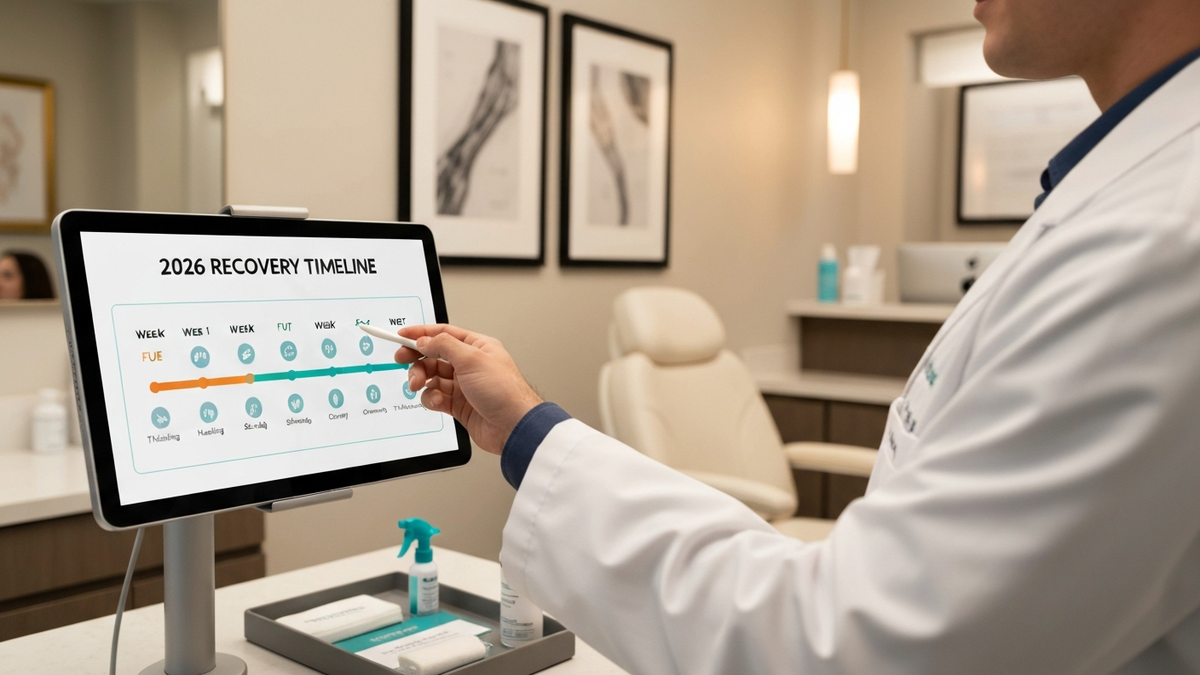
In 2026, patients still experience the same core biological phases after a transplant:
- Immediate healing (days 0–7): swelling, redness, scabs, and tightness.
- Shedding phase (weeks 2–8): transplanted hairs often shed as follicles enter a resting cycle.
- Early growth (months 3–4): fine, thin hairs may begin to appear.
- Visible thickening (months 6–9): hairs become more noticeable and gradually denser.
- Maturation (months 10–18+): texture, diameter, and final density continue improving.
Use the timeline below as a practical “roadmap,” not a guarantee. Your surgeon’s protocol and your individual healing response matter most.
Before surgery: the recovery “pre-game” that improves outcomes
Recovery starts before the first incision. In 2026, clinics increasingly emphasize pre-op planning and patient education—because good outcomes depend on fewer avoidable mistakes.
1) Ask how your clinic will manage scabs, washing, and follow-ups
Different surgeons and clinics use slightly different protocols for washing and medication. Confirm:
- When to start gentle rinsing or shampooing
- How often to wash and what products to use
- Whether you’ll receive foam/solution instructions for crusting
- How you’ll be assessed at post-op visits
2) Prepare your environment for day 1–3
Most discomfort is greatest right after surgery. Arrange:
- Extra pillows for an elevated head position
- Clean, soft materials for easy head/neck comfort
- Someone available for transportation (if needed)
- Planned time off for work and social events
3) Confirm medication and activity restrictions
Your surgeon may prescribe antibiotics, anti-inflammatory medication, and/or topical treatments. Ask specifically about:
- When you can resume exercise
- When you can resume alcohol
- Whether you should avoid smoking/vaping entirely during early healing
- How long to avoid direct sun and heat exposure
Hair transplant recovery timeline 2026: week-by-week expectations
Below is a detailed hair transplant recovery timeline 2026 that reflects typical healing patterns for both FUE and FUT. You may notice differences based on your technique, graft count, and scalp characteristics.
Day 0–1: the immediate post-op phase
What you may feel: tightness, mild to moderate soreness, and a “sunburn-like” sensation. Some patients also experience itching that builds as anesthesia wears off.
What you may see: redness and small dots where grafts were placed. If FUE was used, the donor area may show tiny puncture marks; if FUT was used, you’ll likely have a linear scar that is covered initially.
What to do:
- Keep your head elevated (often recommended for the first several days).
- Follow exact instructions for bandages/cleansing.
- Avoid touching or scratching the transplanted area.
Day 2–3: swelling, tightness, and the start of scabbing
What you may feel: swelling can peak around this window. Some patients report tenderness at the donor site.
What you may see: scabs begin forming around grafts. Redness may remain visible.
What to do:
- Use only prescribed medications.
- Stick to gentle positioning and avoid bending/straining.
- Plan low-activity days; your body is doing the foundational repair work.
Day 4–7: scabs mature and itchiness increases
What you may feel: itching is common, but scratching can dislodge grafts or disrupt healing.
What you may see: scabs may darken and become more noticeable. Donor healing continues in parallel.
What to do:
- Follow your clinic’s washing schedule exactly (often begins with gentle guidance).
- Use recommended soft techniques—no aggressive rubbing.
- Wear any suggested protective headwear.
Week 2 (days 8–14): shedding begins for many patients
What you may feel: discomfort typically decreases, but scalp sensitivity may persist.
What you may see: scabs begin loosening. In many cases, transplanted hairs start to shed around this stage as part of the normal cycle.
What to do:
- Expect shedding—don’t interpret it as graft loss.
- Continue gentle cleansing as directed.
- Avoid heat (saunas, steam rooms) and direct sun.
Weeks 3–4 (days 15–28): shedding phase is most noticeable
What you may feel: many patients feel “nothing is happening,” which can be emotionally challenging.
What you may see: transplanted hairs often shed more dramatically. Scabs are usually mostly gone.
What to do:
- Be consistent with medication and topical regimens.
- Keep your hair routine gentle—no vigorous scrubbing.
- Avoid activities that risk trauma to the scalp (contact sports, rough hairstyles).
Weeks 5–8 (days 29–56): resting phase continues
What you may feel: the scalp may look smoother as shedding completes.
What you may see: you may notice sparse stubble or nothing visible at the transplant sites. This is still commonly within normal recovery.
What to do:
- Maintain sun protection for your scalp (hat/covering as approved by your surgeon).
- Follow nutrition and hydration guidance.
- Attend follow-ups—your clinician can differentiate normal growth delays from complications.
Months 3–4: early growth begins
What you may feel: mild sensitivity may return as follicles activate.
What you may see: fine hairs can appear. They may look lighter or thinner than expected at first.
What to do:
- Be patient—this is “seedling” growth, not final density.
- Continue hair-loss stabilization strategies recommended for you.
- Ask about the role of medical therapy (e.g., minoxidil/finasteride) if appropriate for your case.
Months 5–6: visible improvement often starts
What you may see: hairs become thicker and more noticeable. Many patients start to see styling changes (less scalp visibility, improved coverage).
What to do:
- Reassess goals with your surgeon: density expectations, hairline shape, and coverage zones.
- Keep grooming gentle—avoid harsh traction.
Months 7–9: thickening and texture changes
What you may see: more uniform growth and improved density. Some hairs continue to sprout later than others.
What to do:
- Consider a progress photo plan (same lighting, same angle) for accurate tracking.
- Stay consistent with your post-op regimen.
Months 10–12: “results year” begins to look real
What you may see: meaningful improvement in coverage, with continued maturation. Texture may better match surrounding hair.
What to do:
- Discuss whether additional treatment is needed (some cases benefit from future sessions).
- Evaluate ongoing hair-loss progression—stability is key.
Months 13–18+ (and beyond): maturation to final appearance
What you may see: gradual refinement—thickness, diameter, and natural blend improve. For many patients, final results are assessed around 12–18 months, though some notice subtle improvements later.
What to do: schedule a long-term follow-up plan rather than treating the transplant as a one-time event.
FUE vs FUT recovery timeline 2026: what’s different?
Both FUE and FUT can produce natural results, but the healing experience differs—mostly in the donor area.
FUE recovery highlights
- Donor appearance: numerous tiny puncture sites rather than a single linear scar.
- Common experience: often less conspicuous scarring; healing can feel more “even.”
- Timeline: donor tenderness and visible dots typically improve over the first few weeks.
FUT recovery highlights
- Donor appearance: a linear incision that is closed and later heals into a scar.
- Common experience: more noticeable donor management early on; scar care is important.
- Timeline: the donor scar maturation continues for months; final appearance depends on technique and individual healing.
Key takeaway: your hair transplant recovery timeline 2026 should be evaluated by phases (healing, shedding, growth) rather than only by donor appearance.
What “normal” looks like (and what doesn’t) during recovery
Most patients want confidence that they’re on track. Here are practical markers of normal healing.
Normal during recovery
- Itching as scabs form and loosen
- Redness that fades gradually
- Scab formation around grafts
- Shedding of transplanted hairs weeks 2–8
- Fine early growth around months 3–4
Red flags to contact your clinic promptly
If you experience any of the following, don’t wait it out:
- Severe or worsening pain rather than gradual improvement
- Fever or chills
- Heavy pus, foul odor, or rapidly spreading redness
- Significant swelling that doesn’t improve
- Bleeding that won’t stop or new trauma to the grafted area
Hair transplant aftercare: do’s and don’ts that protect grafts
Aftercare is the difference between “good healing” and “great healing.” Below are actionable recommendations that align with common surgical protocols.
Do: follow the washing and medication schedule
Most graft survival depends on gentle handling during the early crusting phase. Follow your clinic’s instructions precisely—especially when it comes to:
- When to start washing
- How long to rinse
- What shampoo or solution to use
- How to dry (patting vs rubbing)
Do: protect your scalp from sun and heat
UV exposure and heat can irritate healing skin. Use protective coverings as advised by your surgeon.
Do: prioritize sleep and hydration
Sleep supports inflammation control and tissue repair. Dehydration can make skin feel more sensitive and dry.
Don’t: pick scabs or “test” graft stability
It’s tempting to remove scabs early to speed up appearance. However, scabs often protect healing graft sites. Let them fall off naturally or follow your clinic’s guidance for removal.
Don’t: resume intense workouts too soon
Increased blood pressure, sweating, and friction can complicate early healing. Ask your surgeon when you can return to:
- Cardio
- Weight lifting
- Swimming
- Contact sports
How to track progress: photos, measurements, and realistic milestones
Because shedding can be discouraging, progress tracking helps you trust the process. Consider a consistent method.
Create a 6-photo schedule
Take photos at the same time of day using consistent lighting:
- Pre-op baseline
- Week 2
- Week 6
- Month 4
- Month 8
- Month 12
Use standardized angles
Front, both sides, and a top-down view (if possible) help you evaluate hairline shape and density changes.
Hair transplant results in 2026: what affects your timeline most?
Even with the same procedure, recovery and growth vary. In 2026, clinics increasingly highlight patient-specific factors that influence the hair transplant recovery timeline.
1) Graft survival and surgical planning
Graft survival depends on surgical technique, careful placement, and proper handling. Planning also determines how natural your density and hairline will look as it matures.
2) Your scalp health and ongoing hair loss
Male and female pattern hair loss can continue after surgery. Stabilizing progression can be essential for long-term satisfaction.
3) Post-op compliance
Following washing instructions, medication guidance, and activity restrictions reduces complications and protects graft sites.
4) Smoking, stress, and nutrition
Smoking and poor nutrition can affect healing. Stress can intensify inflammation and disrupt routines that matter during recovery.
Frequently overlooked recovery questions (answered)
Will I look “bald” during shedding?
Many patients experience a temporary “empty” look as transplanted hairs shed. This is often part of the normal cycle. Early fine growth may not be visible until months 3–4.
When can I wear hats or style my hair?
Most clinics provide guidance on timing. Generally, avoid pressure on the grafted area early on, and follow your surgeon’s recommendations for headwear and styling.
Does FUE or FUT change the shedding timeline?
The shedding phase is primarily driven by follicle biology, so timing is often similar across techniques. Donor-site comfort and appearance differ more than the shedding cycle.
Where hair transplant recovery intersects with other head/neck procedures
Many people researching hair restoration also evaluate other head-and-neck cosmetic or functional procedures. While these are separate from hair transplant surgery, it’s helpful to understand why your surgeon may ask about your broader treatment plan.
For example, some patients have coexisting nasal breathing concerns. If you’re considering functional nasal surgery, your ENT or surgical team may address structural issues such as a Septoplasty or a Deviated Septum. In other cases, nasal procedures like Rhinoplasty may be part of a broader aesthetic plan. Always disclose all planned surgeries and timelines so recovery instructions can be coordinated safely.
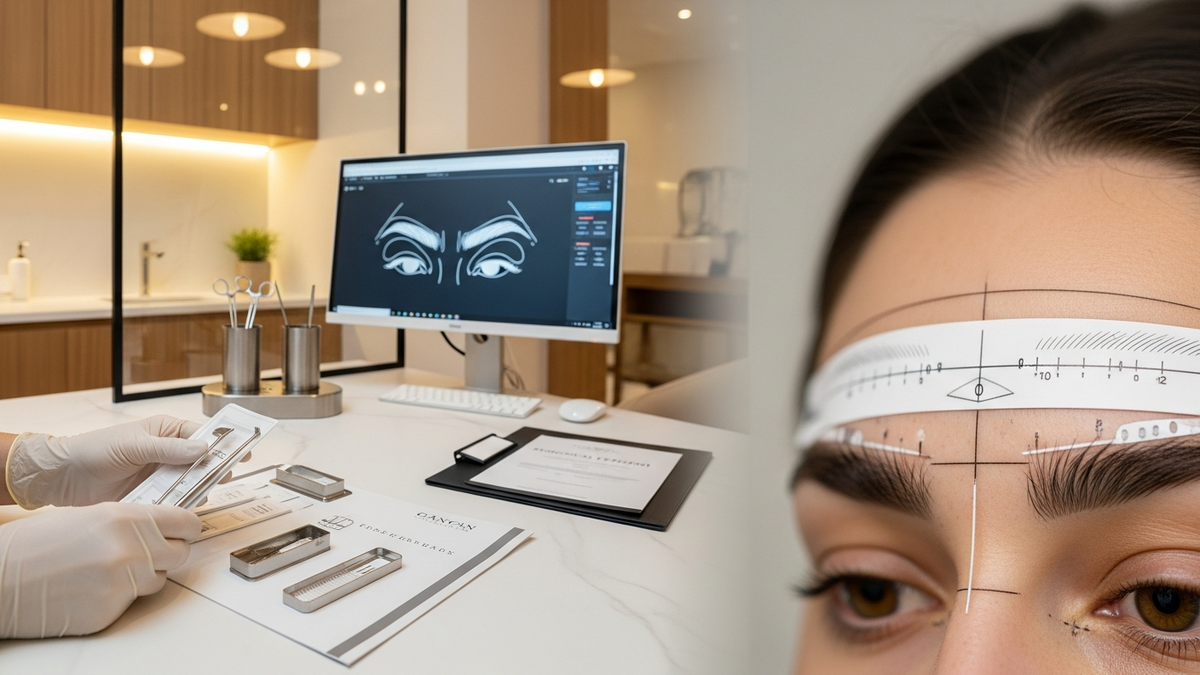
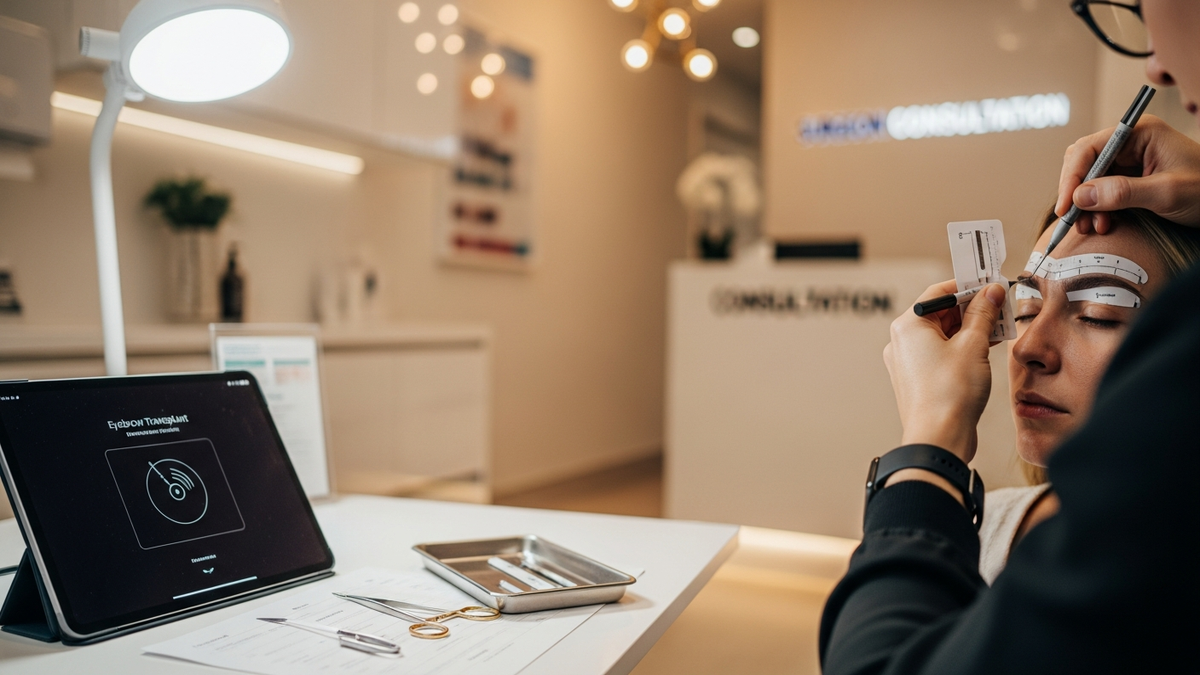
Similarly, eyebrow restoration can be a natural complement to overall facial harmony for some patients. If you’re exploring facial hair restoration options, you can read more about an eyebrow transplant and how recovery expectations may differ from scalp grafting.
Considering a hair transplant in 2026? How to choose a clinic
A premium clinic doesn’t just perform surgery—it guides you through the recovery timeline with evidence-based aftercare and realistic expectations.
Look for surgical expertise and patient education
At TestBiz Hair Clinic, patients are supported with advanced technology and experienced surgeons offering both FUE and FUT. If you’re comparing options, ask how the clinic explains graft planning and post-op care.
Confirm what “natural-looking” means for your case
Natural results depend on hairline design, density distribution, and how growth will blend with your existing hair. A great consultation should show you examples and discuss how your hair might look at months 6, 12, and 18—not only immediately after surgery.
Ask about medical stabilization during and after recovery
Many patients benefit from a long-term strategy to reduce ongoing hair loss. Your plan may include medications or other stabilization approaches, tailored by your clinician.
Explore hair transplant options
If you’re researching procedures and services, you can review details through this resource: hair transplant.
Realistic expectations: what you can and can’t control in hair transplant recovery timeline 2026
It’s healthy to want certainty. Still, recovery is biological and individual. Here’s a balanced view:
- You can control: aftercare adherence, avoiding trauma, attending follow-ups, and protecting your scalp.
- You can influence: lifestyle factors like smoking cessation, nutrition, sleep, and stress management.
- You can’t fully control: your body’s healing pace, follicle biology, and how your hair miniturizes over time.
That’s why a well-designed plan includes both short-term milestones (scabs, shedding, early growth) and long-term goals (density, maturation, stability).
FAQ: Hair transplant recovery timeline 2026
1) When will transplanted hair stop shedding after a hair transplant?
For many patients, shedding is most noticeable between weeks 2 and 8. It often slows by the end of that window, while early regrowth may begin around months 3–4.
2) How long until scabs fully fall off?
Scabs typically loosen and fall off over the first couple of weeks, though your specific timeline depends on your skin type, graft placement, and your clinic’s washing protocol.
3) When will I see real results after a hair transplant in 2026?
Many people notice early improvement around months 5–6, with more meaningful thickening and density changes around months 7–9. Final maturation often continues to 12–18 months (and sometimes beyond).
4) Is FUE recovery faster than FUT?
Both techniques share similar biological phases (healing, shedding, regrowth). The biggest difference is donor-site appearance and management—FUE usually avoids a linear scar, while FUT involves scar healing along an incision line.
5) What are signs that something is wrong during recovery?
Contact your clinic promptly for severe/worsening pain, fever, spreading redness, pus or foul odor, or swelling that doesn’t improve. These can indicate infection or other complications.
CTA: Get a personalized recovery plan for your hair transplant
If you’re planning your hair transplant recovery timeline 2026, the best next step is a consultation where your surgeon can review your goals, hair-loss pattern, donor supply, and technique options (FUE vs. FUT). A tailored plan helps you set realistic milestones and avoid common recovery missteps.
Ready to take the next step? Explore hair transplant services and recovery guidance through our resources, then schedule a consultation with a qualified surgical team to discuss your timeline and aftercare.
Professional Disclaimer
This content is provided for general educational purposes only by FlowGeniQ Digest. It is not a substitute for professional advice, diagnosis, or treatment. Readers are advised to consult qualified professionals for personalized recommendations.
Medical Information Disclaimer
This content is provided for general educational purposes only by FlowGeniQ Digest. It is not a substitute for professional advice, diagnosis, or treatment. Readers are advised to consult qualified professionals for personalized recommendations.