Source inspiration: This article is written for FlowGeniQ Digest and reflects general educational information about cosmetic facial rejuvenation and complementary therapies. It is not medical advice.
Considering a facelift with acupuncture? You’re not alone. Many patients exploring facial rejuvenation want results that look natural—and they also want a recovery plan that supports comfort, swelling control, and confidence. In Los Angeles and beyond, people increasingly pair evidence-informed complementary approaches with surgical care, asking whether acupuncture can help during the pre- and post-operative period.
This guide explains what acupuncture is, how it may be used around a facelift, what outcomes are realistic, and what safety steps matter most. We’ll also share practical questions to ask your facial plastic surgeon and your acupuncture provider so you can make decisions with clarity.
What does “facelift with acupuncture” really mean?
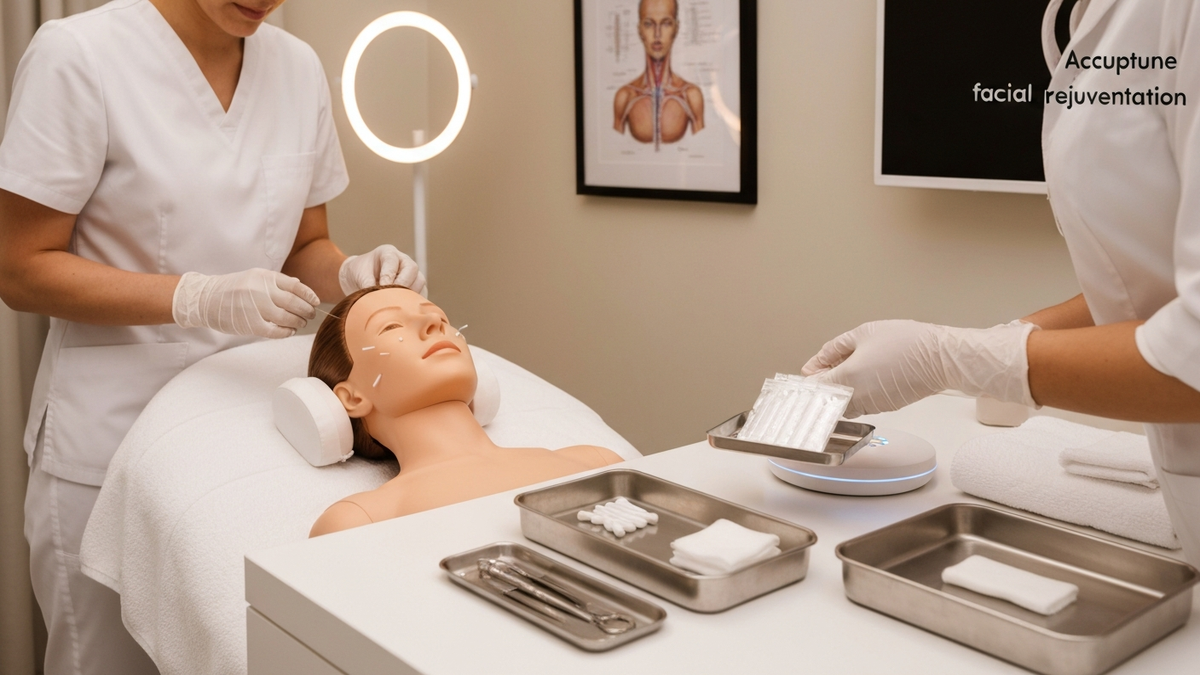
A facelift with acupuncture typically refers to a surgical facelift performed by a board-certified facial plastic surgeon, with acupuncture used as a supportive therapy before and/or after the procedure. Acupuncture is not a replacement for surgical lifting and tightening of facial tissues. Instead, it is often considered a complementary modality intended to help with:
- Comfort (e.g., muscle tension, post-operative soreness)
- Swelling and bruising support (individual responses vary)
- Relaxation and stress reduction
- Sleep quality during recovery for some patients
In other words, acupuncture is usually aimed at supporting the recovery environment—not recreating the mechanical effects of a facelift.
Why people explore acupuncture alongside facial rejuvenation
Facelifts can dramatically improve the appearance of sagging skin and age-related lines by tightening facial tissues and repositioning support structures. Many patients also want to minimize the “down time” experience. That’s where complementary therapies enter the conversation.
From a patient perspective, acupuncture is attractive because it is:
- Non-surgical and generally low-risk when performed by a licensed professional
- Customizable based on symptoms (pain, swelling, stress)
- Integrative with standard post-op care plans
From a clinical perspective, acupuncture involves inserting fine needles into specific points to influence neurophysiologic pathways. Research in various conditions suggests potential effects on pain modulation and inflammation markers—though results are not uniform, and it should not be expected to guarantee a particular cosmetic outcome.
Facelift overview: what the surgery is designed to do
Before pairing acupuncture with surgery, it’s helpful to understand the facelift itself. A facelift is a cosmetic procedure that raises and tightens skin and supportive tissue on the face and neck to create a more youthful, refreshed appearance. Many patients seek facelifts for sagging or wrinkled skin on the face and neck because surgery can reverse visible signs of aging more dramatically than non-surgical approaches alone.
Natural-looking results depend on surgical technique
In facial plastic surgery, “natural” is not an accident—it’s the result of careful planning, appropriate vector placement, and refined tissue handling. Surgeons who focus on head and neck cosmetic and reconstructive procedures often emphasize education and honest expectations, helping patients align goals with realistic outcomes.
For example, Dr. Hootan Zandifar is a board-certified facial plastic and reconstructive surgeon who focuses solely on cosmetic and reconstructive surgery of the head and neck. That concentrated focus supports comprehensive expertise in procedures such as face lift and other facial rejuvenation options.
Potential benefits of acupuncture around a facelift
When patients ask about a facelift with acupuncture, they’re usually asking about recovery experience. While individual responses vary, there are several areas where acupuncture may offer supportive benefits.
1) Comfort and pain modulation
Acupuncture may influence pain pathways and help some patients feel more comfortable during recovery. This can be especially relevant when swelling and bruising contribute to soreness or tightness.
Actionable tip: Ask whether your acupuncture provider has experience treating post-surgical patients (not just chronic pain). Coordination matters.
2) Swelling and bruising support
Post-operative swelling and bruising are common after facial surgery. Acupuncture is sometimes used as a supportive approach to help the body recover more comfortably. However, it’s important to set expectations: acupuncture is not a substitute for surgical technique, compression protocols, or surgeon-directed post-op care.
3) Stress reduction and sleep support
Recovery can be emotionally and physically demanding. Acupuncture is often used to promote relaxation and reduce stress. For some patients, improved calming effects may support sleep quality during healing.
4) Improved overall recovery experience
Even when acupuncture doesn’t “change the surgery,” it may improve the experience of recovery—how patients feel day-to-day. Many integrative care plans aim for this kind of holistic support.
Timing: when acupuncture is commonly scheduled
There isn’t a single universal protocol for a facelift with acupuncture, but many plans follow a general structure. Your surgeon and acupuncturist should coordinate based on your health, surgical plan, and wound status.
Pre-operative acupuncture (support before surgery)
Some patients begin acupuncture weeks before surgery to address stress, sleep, or baseline discomfort. Pre-op sessions may also help you establish a routine and allow your provider to understand how your body responds to needles.
Actionable tip: Bring your surgical timeline and list of medications/supplements to your acupuncturist.
Day-of or immediate post-op acupuncture
Whether acupuncture is appropriate immediately after surgery depends on wound status, dressings, and your surgeon’s preferences. Many providers avoid needle placement near fresh incisions or areas that are still actively healing.
Key caution: Never assume “more is better.” Early sessions should be explicitly cleared by your surgeon.
Subsequent recovery sessions
Acupuncture is often scheduled during the weeks following surgery, when swelling, tightness, and discomfort are most noticeable. The goal is to support comfort while healing continues.
Safety considerations for facelift with acupuncture
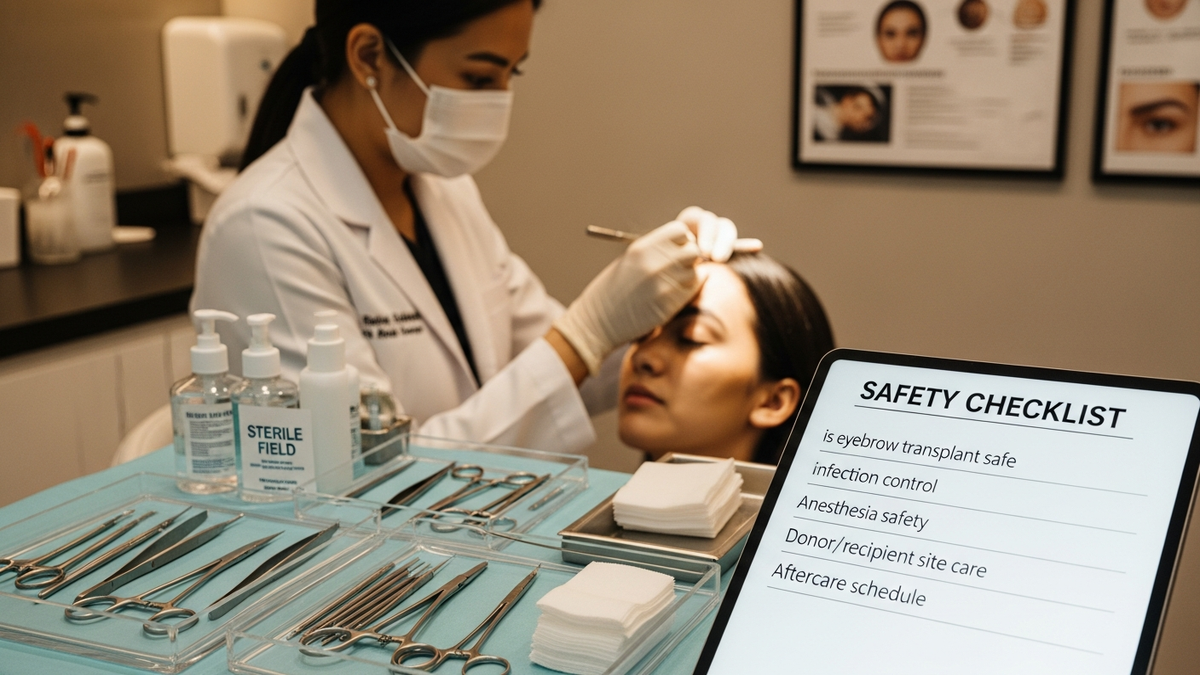
Acupuncture is generally safe when performed by a licensed professional using sterile, single-use needles. Still, a facelift with acupuncture plan requires smart coordination because you are recovering from surgery.
Choose a qualified acupuncturist
Look for:
- Licensure and relevant credentials
- Sterile technique (single-use needles)
- Experience treating post-operative patients
Coordinate with your facial plastic surgeon
Your surgeon should know:
- When acupuncture is scheduled
- Where needles will be placed
- Any changes in medications, supplements, or symptoms
In particular, your surgeon will want to ensure that acupuncture does not interfere with wound care, dressings, or your recovery protocol.
Be cautious with blood-thinning risks and supplements
Some patients take medications or supplements that can affect bleeding or bruising. While acupuncture needle placement is typically minimal and localized, it’s still essential to disclose your full list of prescriptions and supplements.
Actionable tip: Provide both your surgeon and acupuncturist with an up-to-date medication/supplement list, including over-the-counter products.
Know what side effects to watch for
Common, mild effects can include temporary soreness or small bruising at needle sites. Seek medical guidance if you experience:
- Unexpected bleeding
- Signs of infection (increasing redness, warmth, fever)
- Severe or worsening pain
- Any symptom that concerns your post-op recovery team
Integrative recovery: how acupuncture fits into a broader plan
Think of acupuncture as one component of a recovery strategy. A well-rounded plan often includes surgeon-directed wound care, appropriate head elevation, hydration, and a gradual return to activity.
Post-op fundamentals still matter most
Acupuncture may support comfort, but the fundamentals of post-operative recovery remain the foundation. Follow your surgeon’s guidance on:
- Compression and dressing instructions
- Medication schedules (including pain control)
- Activity restrictions and sleep positioning
- When to resume exercise and normal routines
How to talk to your team (a practical checklist)
Use these questions to coordinate your facelift with acupuncture plan:
- “Is acupuncture cleared for my specific post-op stage?”
- “Should we avoid needle placement near any incision or dressing?”
- “Are there any medications/supplements I should pause before acupuncture?”
- “What symptoms would mean I should stop and call you?”
- “Do you recommend a specific schedule (e.g., weekly vs. twice weekly)?”
Who may be a good candidate for acupuncture support?
Acupuncture may be a supportive option for many patients, but suitability depends on individual health factors and surgical circumstances.
Often considered
- Patients with high stress or anxiety around recovery
- Patients who prefer non-pharmacologic comfort strategies
- Patients seeking an integrative approach to healing
Extra caution may be needed
- Patients with bleeding disorders or complex anticoagulation plans
- Patients with active infection or skin complications near planned needle sites
- Patients with needle phobia (discuss alternatives early)
Facelift with acupuncture vs. other facial rejuvenation options
Some patients explore multiple approaches to refresh the face and neck. It’s useful to distinguish what acupuncture can and cannot do compared with surgical and non-surgical rejuvenation.
Acupuncture is supportive, not structural
A facelift addresses sagging and tissue support through surgical repositioning and tightening. Acupuncture may support comfort and recovery, but it doesn’t replace the structural changes a facelift provides.
Other head-and-neck procedures may involve different recovery considerations
Many facial plastic surgeons treat a range of head and neck concerns beyond facelifts. For example, some patients combine facial rejuvenation with functional nasal care or other procedures depending on their goals.
If your plan includes nasal surgery for breathing concerns, your surgeon may recommend functional options such as Septoplasty when appropriate, especially for issues related to a Deviated Septum. While this is a different anatomical area than a facelift, it reinforces the broader principle: any complementary therapy should be coordinated with the surgical plan and the healing timeline.
Related topics patients often ask about (and why it matters)
Patients exploring facial aesthetics often have multiple concerns—skin aging, facial volume, and even hairline changes. While this article focuses on facelift with acupuncture, it’s common for people to ask about other procedures that can complement their overall rejuvenation goals.
Hair restoration support
For those considering hair restoration alongside facial rejuvenation, some clinics offer programs such as a hair transplant. The key takeaway: if you’re coordinating multiple procedures, recovery scheduling and complementary therapies should be planned with your care team.
Eyebrow and facial framing
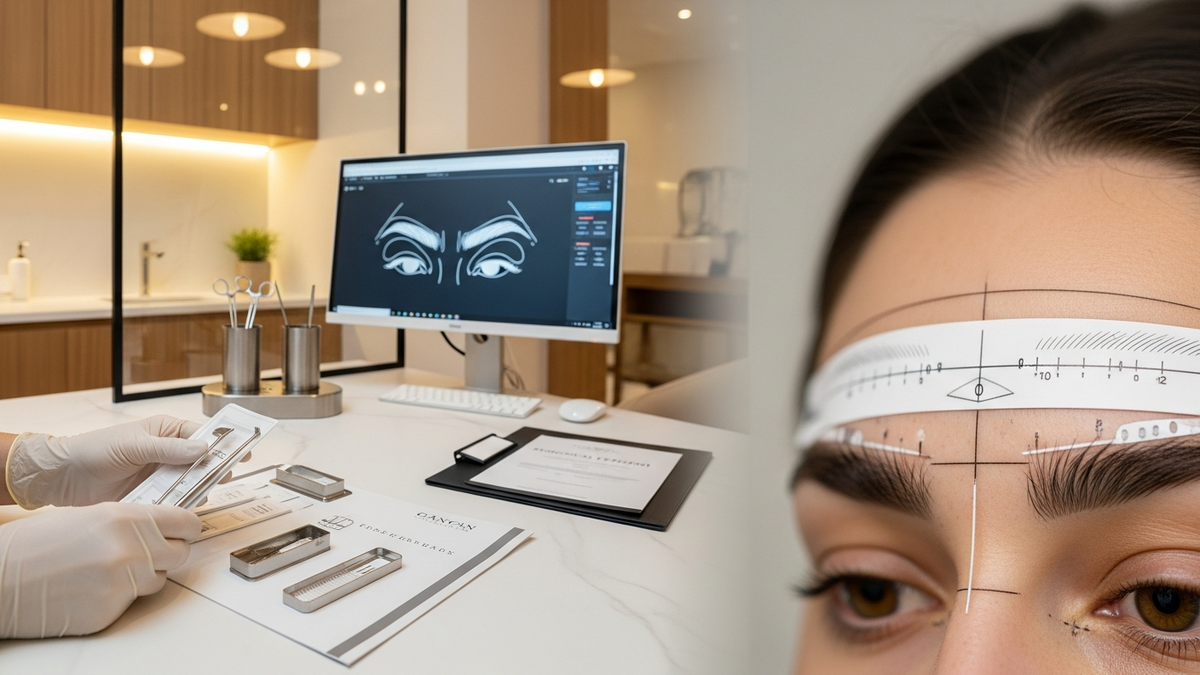
Eyebrows frame the face and can influence perceived youthfulness. If eyebrow restoration is part of your plan, an eyebrow transplant may be discussed in consultation. Again, any recovery-support therapy—like acupuncture—should be timed to avoid interfering with healing.
Rhinoplasty and nasal breathing goals
Some patients pursue both aesthetic and functional nasal improvements. If that’s relevant to you, your surgeon may discuss options like Rhinoplasty. Coordination across procedures is essential for safe recovery.
What to expect during a consultation
A high-quality consultation should cover both surgical planning and your integrative recovery preferences. When you mention a facelift with acupuncture, a well-organized team will typically:
- Review your facial anatomy, aging pattern, and desired outcomes
- Discuss surgical options and what results are realistic
- Explain the post-op recovery timeline and restrictions
- Clarify whether acupuncture is appropriate and when
- Ensure your medical history supports safe care
Dr. Hootan Zandifar, for instance, is known for an honest, trustworthy, and compassionate approach and for prioritizing patient education—helping patients make well-informed choices. That educational focus is particularly valuable when deciding how complementary therapies fit into surgical recovery.
Frequently asked questions about facelift with acupuncture
1) Does acupuncture replace the need for a facelift?
No. A facelift is designed to lift and tighten facial tissues to address sagging and age-related changes. Acupuncture is typically used as a supportive therapy to enhance comfort and recovery experience, not to replicate surgical results.
2) When can I start acupuncture after my facelift?
Timing varies based on your healing stage, incision status, dressings, and surgeon preference. Your surgeon should clear the plan, and your acupuncturist should coordinate needle placement to avoid fresh surgical areas.
3) Will acupuncture reduce bruising and swelling?
Some patients report supportive benefits, but results are not guaranteed. Bruising and swelling depend on many factors, including surgical technique, individual physiology, and post-op care. Treat acupuncture as complementary—not as a promise.
4) Is acupuncture safe after facial surgery?
It can be safe when performed by a licensed professional using sterile technique and when your surgeon approves the timing and needle placement. Always disclose medications and supplements and report any concerning symptoms.
5) How do I find an acupuncturist who understands post-op recovery?
Look for licensed practitioners with experience treating surgical patients. Ask about their approach to post-operative care, communication practices with surgeons, and how they adapt treatment when wounds are healing.
Actionable next steps: plan your facelift recovery with confidence
If you’re exploring a facelift with acupuncture, here’s a practical way to move forward:
- Schedule a facial plastic surgery consultation to confirm your best approach for lifting and tightening.
- Bring your acupuncture questions (timing, needle placement, and safety considerations) to your surgeon.
- Select a licensed acupuncturist experienced with post-operative recovery support.
- Create a coordinated timeline for pre-op and post-op sessions that respects your healing stage.
- Track your symptoms (pain, swelling, sleep) and share updates with both providers.
For patients in Los Angeles seeking head-and-neck cosmetic expertise, an educational, coordinated approach can help you feel more prepared—before you ever schedule needles or surgery.
CTA: Schedule your consultation
If you’re considering a facelift and want to explore integrative recovery options like acupuncture, the best next step is a consultation with a qualified facial plastic surgeon. You’ll get personalized guidance on surgical planning, realistic expectations, and whether acupuncture support fits safely into your recovery timeline.
Ready to take the next step? Schedule an appointment online and discuss your goals, your medical history, and your interest in a facelift with acupuncture plan.
Professional Disclaimer
This content is provided for general educational purposes only by FlowGeniQ Digest. It is not a substitute for professional advice, diagnosis, or treatment. Readers are advised to consult qualified professionals for personalized recommendations.
Medical Information Disclaimer
This content is provided for general educational purposes only by FlowGeniQ Digest. It is not a substitute for professional advice, diagnosis, or treatment. Readers are advised to consult qualified professionals for personalized recommendations.