Source: FlowGeniQ Digest
Thinking about a facelift with acupuncture? You’re not alone. Many people in Los Angeles explore advanced anti-aging options that can help them look refreshed while feeling supported throughout their recovery. In this guide, we’ll break down what a “facelift with acupuncture” usually means, what acupuncture may (and may not) do, how to plan timing around surgery, and which safety considerations matter most—so you can make a confident, well-informed decision.
What Is a Facelift with Acupuncture?
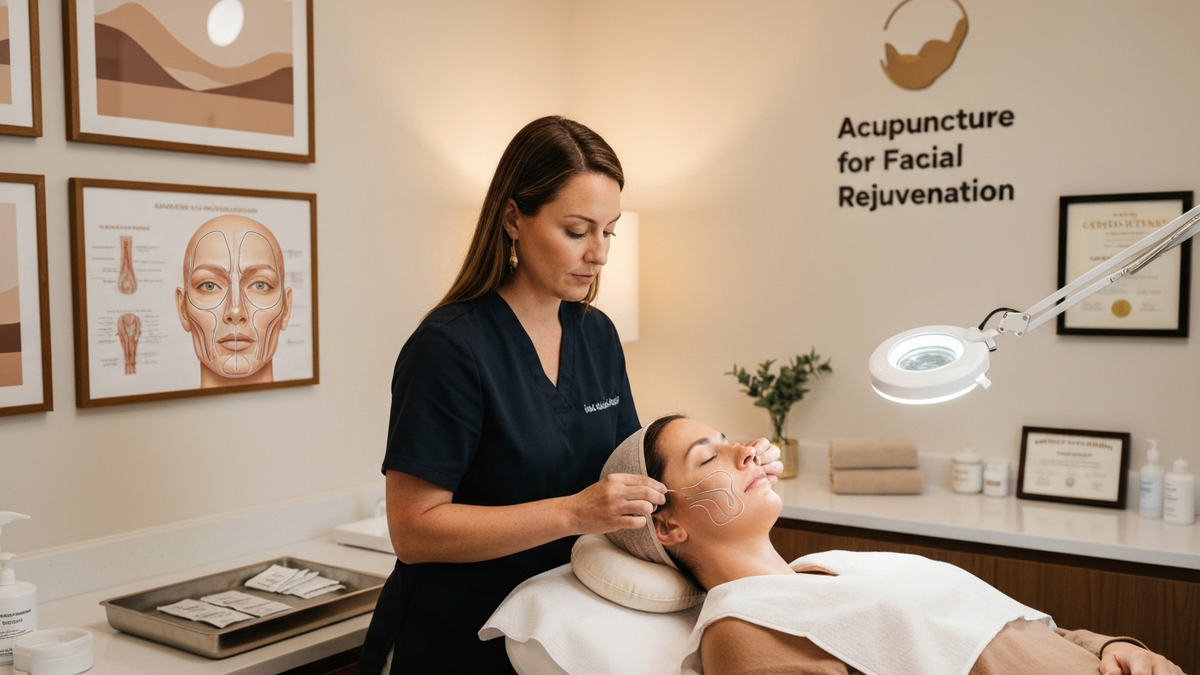
A traditional facelift is a cosmetic procedure designed to lift and tighten facial and neck skin and underlying tissue to create a more youthful appearance. A facelift with acupuncture typically refers to using acupuncture either:
- Preoperatively (before surgery) to support comfort, stress management, and overall readiness, and/or
- Postoperatively (after surgery) as a complementary therapy to help with swelling, bruising, and recovery comfort.
It’s important to understand that acupuncture is generally considered an adjunct—it does not replace surgical technique, anatomical correction, or medically indicated postoperative care.
Why Patients in Los Angeles Are Asking About Acupuncture for Recovery
In a city where people often schedule life events, work travel, and family commitments around appearance goals, recovery support is a major priority. Many patients want to:
- Minimize the visible signs of healing (bruising and swelling)
- Feel more comfortable during recovery
- Reduce stress and support sleep quality
- Enhance their overall sense of well-being while they heal
Acupuncture is frequently chosen because it may help some patients manage discomfort and inflammation-related symptoms. While results vary, the appeal is the possibility of a more comfortable healing experience—when used appropriately and safely.
How Acupuncture May Support Facelift Outcomes
Research on acupuncture spans multiple health domains, including pain modulation and inflammation pathways. For cosmetic surgery recovery, the most commonly discussed benefits include:
1) Swelling and bruising support
Many patients seek acupuncture to help with the look and feel of postoperative swelling and bruising. Acupuncture may influence circulation and the body’s regulatory responses, which could contribute to improved comfort during healing.
2) Comfort and pain modulation
Acupuncture is often used to support pain management. After a facelift, patients may experience tightness, tenderness, and discomfort as tissues settle. Acupuncture may help some individuals feel more at ease, potentially reducing reliance on certain symptom-focused measures.
3) Stress reduction and sleep support
Recovery can be emotionally and physically demanding. Stress reduction and sleep quality can influence how people experience healing. Acupuncture is commonly used as a holistic support tool for relaxation.
4) A “whole-person” approach
A facelift is a structural and aesthetic transformation. Adding a complementary therapy may help some patients feel more in control of their recovery plan—especially when they value education and a supportive treatment environment.
Reality check: Acupuncture cannot guarantee specific cosmetic changes, replace surgical lifting, or eliminate all swelling and bruising. Your surgeon’s technique, your healing biology, and your postoperative regimen remain the primary determinants of outcomes.
Facelift vs. Other Head-and-Neck Procedures: Why Context Matters
Dr. Hootan Zandifar is a board-certified facial plastic and reconstructive surgeon who focuses solely on cosmetic and reconstructive surgery of the head and neck. This specialization matters because the face and neck are complex—vascular, lymphatic, nerve, and skin layers interact in ways that influence swelling, sensation, and recovery.
When discussing facelift with acupuncture, it helps to consider how your specific procedure affects healing. For example:
- Face lift involves lifting and tightening skin and tissue to address sagging and age-related lines.
- Neck lift targets early signs of aging that can show in the neck and jaw area.
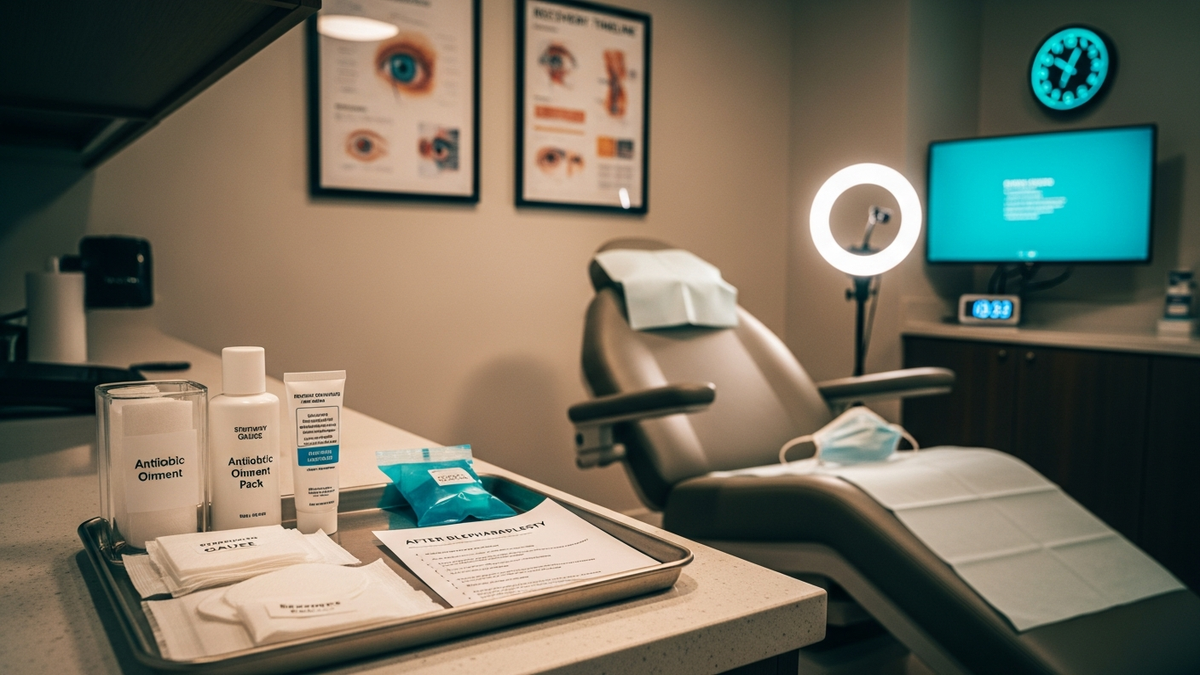
- Blepharoplasty (upper and lower eyelids) can have a different recovery pattern due to the delicate periocular tissues.
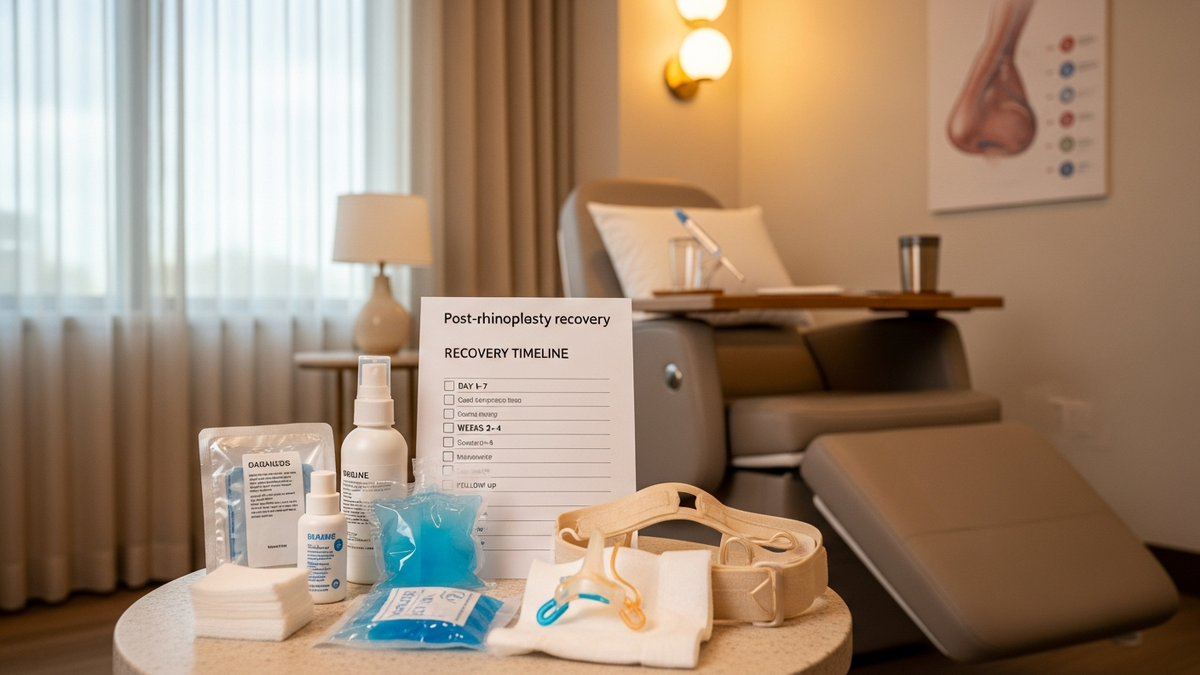
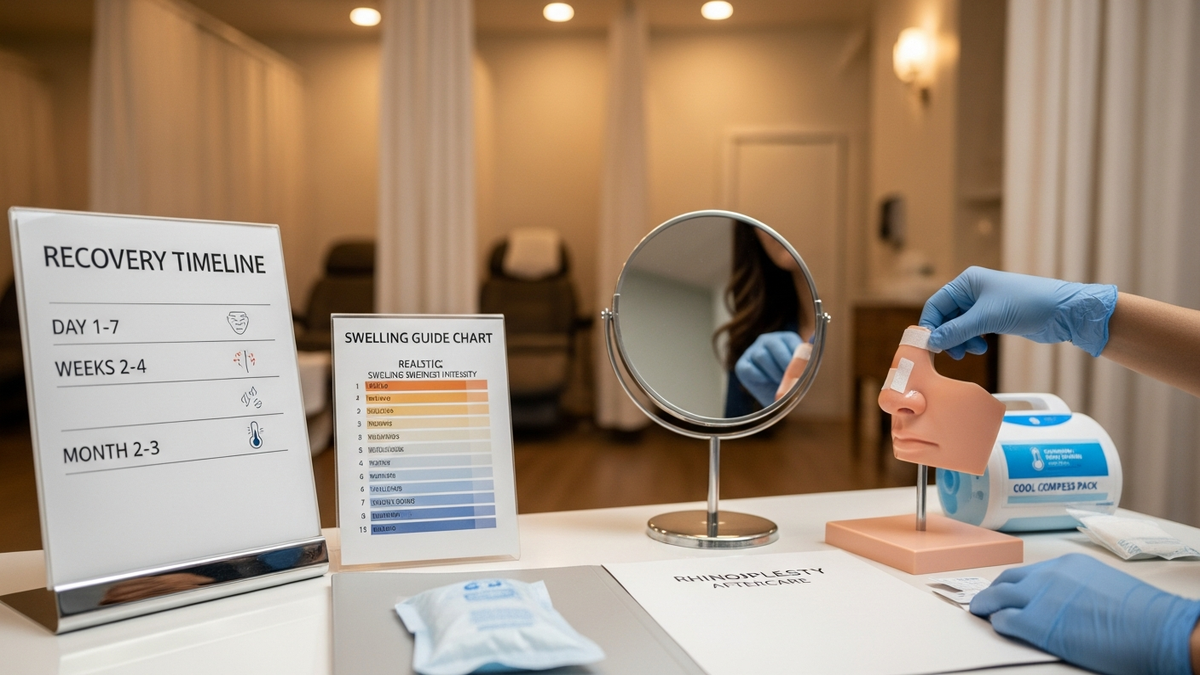
- Rhinoplasty and functional nasal procedures involve nasal cartilage and airway structures—recovery priorities can differ significantly.
Acupuncture planning should be tailored to what was done, what incisions were used, and what your surgeon allows.
Timing: When Is Acupuncture Typically Used Around a Facelift?
There isn’t one universal schedule, but many integrative protocols follow a logical sequence. Your care team should coordinate timing with your surgeon so acupuncture does not interfere with healing.
Preoperative acupuncture (planning phase)
Some patients schedule acupuncture sessions before surgery to support relaxation, reduce anxiety, and establish a baseline routine. If you’re considering this approach, ask your surgeon:
- Whether acupuncture is safe in the weeks leading up to surgery
- Whether any acupuncture points should be avoided due to your medical history or medications
- How many sessions are reasonable before your procedure date
Immediate postoperative period
In the earliest phase after surgery, tissues are actively healing and may be more sensitive. Many clinicians prefer to wait until your surgeon confirms it’s safe to resume adjunct therapies. At this stage, your priority is following wound care instructions, managing head elevation, and taking prescribed medications as directed.
Later postoperative weeks
As swelling decreases and the tissues stabilize, acupuncture may be considered to support ongoing comfort and recovery. Your surgeon may also recommend specific massage or lymphatic support strategies; acupuncture can be coordinated alongside those recommendations.
Actionable recommendation: Ask your surgeon for a clear “green light” timeline for acupuncture and request that your acupuncture provider receive post-op restrictions in writing.
What to Expect During a Facelift with Acupuncture Appointment
If you choose to combine acupuncture with facelift recovery, typical sessions may include:
- Intake and symptom review: you’ll discuss how you feel (swelling, soreness, sleep, stress)
- Point selection: points may be selected based on comfort, inflammation, and relaxation goals
- Needle placement: needles are placed in specific locations; for facial recovery, the provider should be cautious around surgical sites
- Relaxation period: many patients rest during treatment
Because a facelift involves incisions and tissue repositioning, your acupuncture provider should be experienced in post-surgical care and should avoid compromising healing areas.
Safety Considerations: When Acupuncture Should Be Avoided or Modified
Most integrative therapies can be used safely when properly coordinated. However, a facelift with acupuncture plan should consider the following:
1) Bleeding risk and medications
If you’re taking medications that affect bleeding risk, you may need adjustments. Always tell both your surgeon and acupuncture provider about:
- Prescription medications
- Blood thinners or antiplatelet drugs
- Herbal supplements (many can influence bleeding)
2) Infection prevention and wound integrity
Acupuncture should not be performed over open wounds or compromised incision sites. Your surgeon’s guidance is essential.
3) Facial nerve sensitivity and bruising
Facial tissues can be sensitive after surgery. If you have significant nerve sensitivity, numbness, or unusual pain patterns, acupuncture may need to be postponed or modified.
4) Provider qualifications
Choose a licensed and experienced acupuncture provider, ideally one who understands postoperative cosmetic surgery recovery. In Los Angeles, you’ll find many providers—verify credentials and ask about experience with post-surgical patients.
Key point: The safest path is coordinated care between your surgeon and your acupuncture provider.
How to Choose a Qualified Surgeon and an Acupuncture Provider
Combining therapies requires trust, communication, and clear expectations. If you’re exploring facial rejuvenation options in Beverly Hills or Los Angeles, consider working with a surgeon who prioritizes patient education and natural-looking results.
Look for a head-and-neck specialist
Because facial anatomy is complex, specialization matters. Dr. Hootan Zandifar focuses on surgeries of the head and neck, bringing dedicated training and experience to cosmetic and reconstructive goals. Patients often seek his approach for honest guidance, compassionate care, and natural-looking solutions.
Ask about recovery protocols
During your consultation, request specifics:
- When you can resume adjunct therapies
- What symptoms are normal vs. concerning
- Whether lymphatic drainage massage is recommended (and when)
- How your plan addresses swelling and bruising
Ask your acupuncture provider the right questions
Before booking, ask:
- Are you licensed and experienced with post-surgical recovery?
- How do you modify point selection near incision sites?
- What is your suggested session frequency and duration?
- Do you coordinate with the surgeon’s recommendations?
Facelift with Acupuncture: Expected Results and Realistic Timelines
One of the most important parts of planning is setting realistic expectations. A facelift primarily changes structure and skin position. Acupuncture is typically supportive; it may help you feel more comfortable and may influence how quickly you look like yourself again.
Common recovery phases
- Early healing: swelling and bruising are most noticeable
- Intermediate recovery: many people see gradual improvement in contour definition
- Refinement period: tissues continue settling and results become more apparent
Your surgeon can provide a timeline based on your procedure type, age, skin quality, and health history.
What acupuncture can’t do
Acupuncture cannot replace surgical tightening, repositioning, or structural correction. If you’re aiming for a specific aesthetic change—such as lifting sagging tissue in the lower face—your surgical plan remains the cornerstone.
Integrating Acupuncture with a Broader Anti-Aging Plan
Many patients view facelift recovery as part of a longer-term wellness and appearance strategy. Depending on your goals, your care team may discuss complementary options such as:
- Skincare routines designed for healing and long-term results
- Nutrition strategies to support wound healing
- Sleep and stress management
- Non-surgical rejuvenation options (when appropriate)
In some cases, patients pursue additional facial procedures. For example, if you’re also considering neck lift or other head-and-neck interventions, your recovery plan should be unified so all therapies—surgical and adjunct—work together rather than conflict.
How Acupuncture Fits With Other Facial Plastic Surgery Considerations
While this article focuses on a facelift with acupuncture, it’s helpful to understand that other procedures may have different recovery priorities:
If you’re also considering rhinoplasty
Some patients pursue facial harmony improvements beyond the facelift. If you’re considering nose surgery, you may also want to review options like Rhinoplasty and how recovery timelines differ from facelift healing.
If you have nasal breathing concerns
Functional nasal procedures may be recommended for chronic congestion or breathing difficulty. Depending on your anatomy, you may discuss options such as a Septoplasty for a Deviated Septum. Because breathing and sinus health can affect comfort and sleep during recovery, coordinating overall care is especially valuable.
If you’re considering eyebrow or hair restoration
Facial rejuvenation is not only about skin tightening. Some patients seek additional aesthetic refinements like an eyebrow transplant or a hair transplant. Recovery coordination matters when multiple procedures are planned.
Actionable Checklist: Questions to Ask Before You Book
Use this checklist to make sure your facelift with acupuncture plan is safe, coordinated, and aligned with your goals.
Questions for your surgeon
- Is acupuncture safe for me given my health history and medications?
- When can I start acupuncture after surgery?
- Are there any acupuncture points I should avoid?
- Do you recommend lymphatic drainage or specific recovery massage techniques?
- What symptoms should prompt me to stop and contact your office?
Questions for your acupuncture provider
- Do you treat patients after cosmetic surgery? How often?
- How do you adapt treatment near surgical incisions?
- What is your plan for session frequency and duration?
- What should I expect in terms of discomfort during and after treatment?
- Will you coordinate with my surgeon’s instructions?
FAQ: Facelift with Acupuncture
Is a facelift with acupuncture an alternative to surgery?
No. A facelift is a surgical procedure that changes the position and tension of facial tissues. Acupuncture is typically used as a complementary therapy to support recovery comfort and may help some patients with swelling or bruising.
How soon after a facelift can I get acupuncture?
Timing varies by individual healing and surgical details. Your surgeon should provide a specific “safe to start” window. In many cases, acupuncture is delayed until incisions are stable and healing is progressing normally.
Will acupuncture remove all swelling and bruising?
Not necessarily. Swelling and bruising are normal parts of healing. Acupuncture may support comfort and recovery for some patients, but results vary and cannot be guaranteed.
Does acupuncture affect surgical incisions or healing?
It should not if performed correctly and only when your surgeon approves. A qualified provider will avoid treating over open or compromised incision sites and will tailor point selection to your recovery stage.
What qualifications should my acupuncture provider have?
Choose a licensed acupuncture practitioner with experience treating postoperative patients. Ask about their approach to surgical recovery coordination and how they modify treatment around healing tissues.
Next Steps: Plan a Coordinated Recovery Strategy
If you’re considering a facelift with acupuncture, the best results come from coordination—clear surgical planning, evidence-informed recovery support, and safe communication between your surgeon and acupuncture provider. At FlowGeniQ Digest, we emphasize patient education and realistic expectations so you can make choices that align with your goals.
Schedule a consultation
To discuss whether a facelift is right for you—and how complementary therapies like acupuncture may fit into your recovery—schedule a consultation with a qualified head-and-neck specialist. In Los Angeles, patients often choose experienced professionals who prioritize natural-looking outcomes and transparent guidance.
Bring your questions
Come prepared with your medication list, supplements, and a proposed acupuncture schedule. A good care team will help you build a safe plan and confirm timing so you can heal with confidence.
Ready to explore facelift options? Book your consultation to review your goals, understand your recovery timeline, and discuss whether a complementary facelift with acupuncture approach could be appropriate for you.
Professional Disclaimer
This content is provided for general educational purposes only by FlowGeniQ Digest. It is not a substitute for professional advice, diagnosis, or treatment. Readers are advised to consult qualified professionals for personalized recommendations.
Medical Information Disclaimer
This content is provided for general educational purposes only by FlowGeniQ Digest. It is not a substitute for professional advice, diagnosis, or treatment. Readers are advised to consult qualified professionals for personalized recommendations.