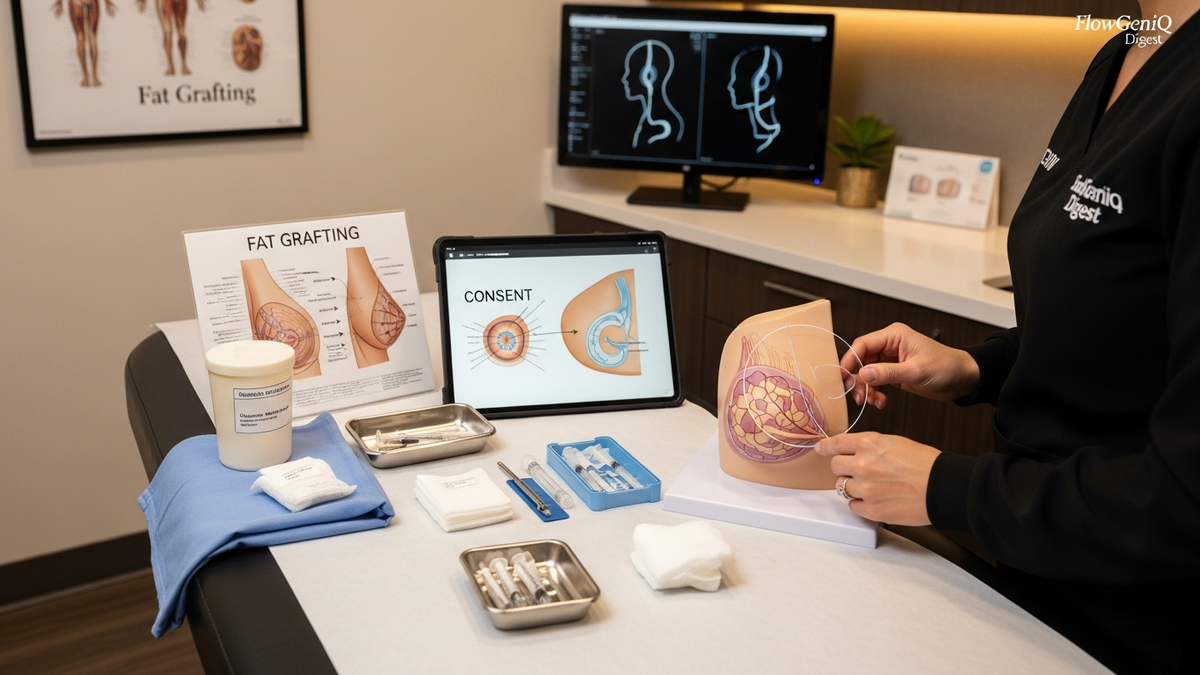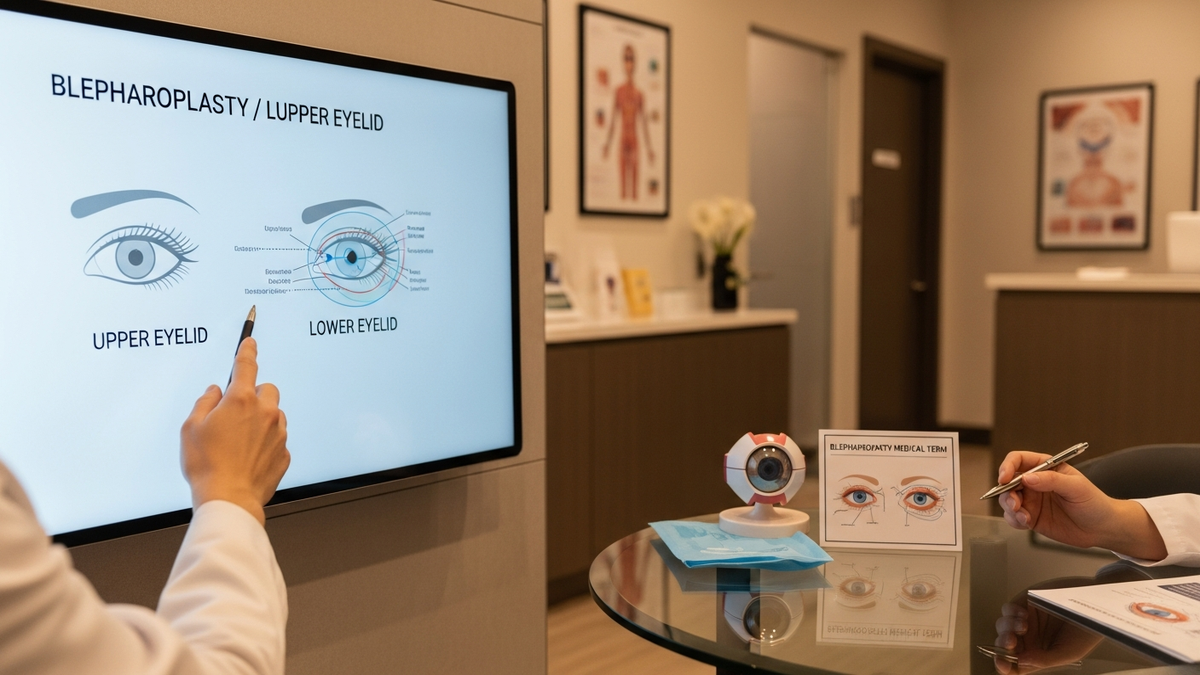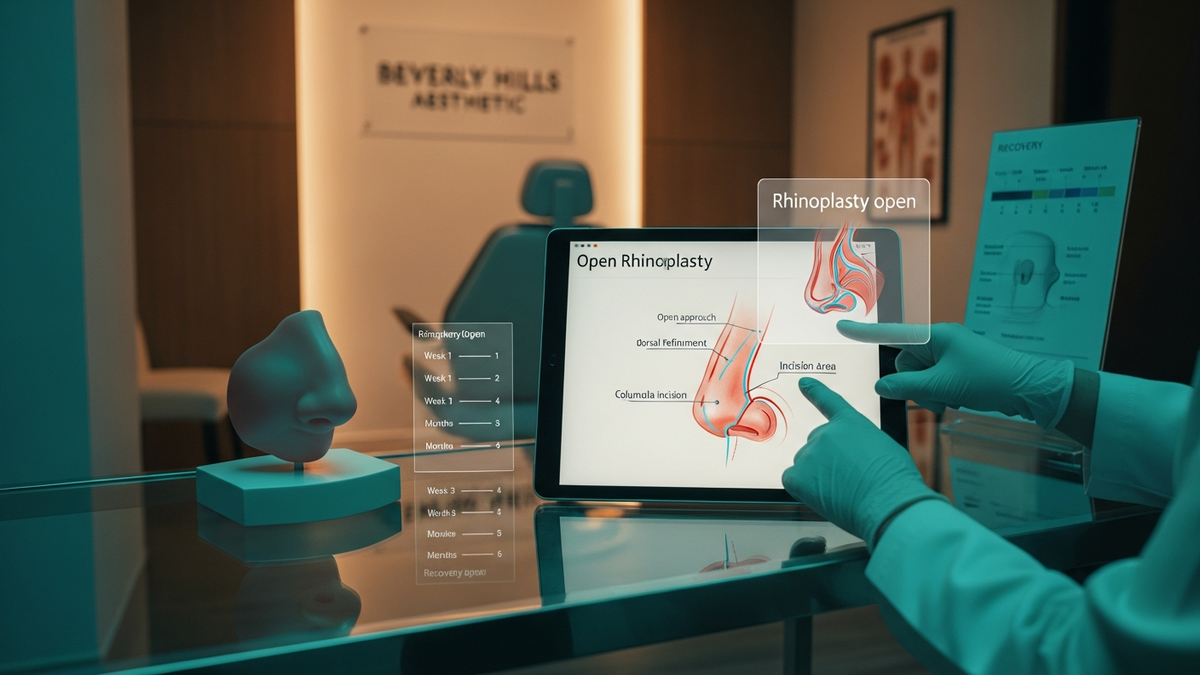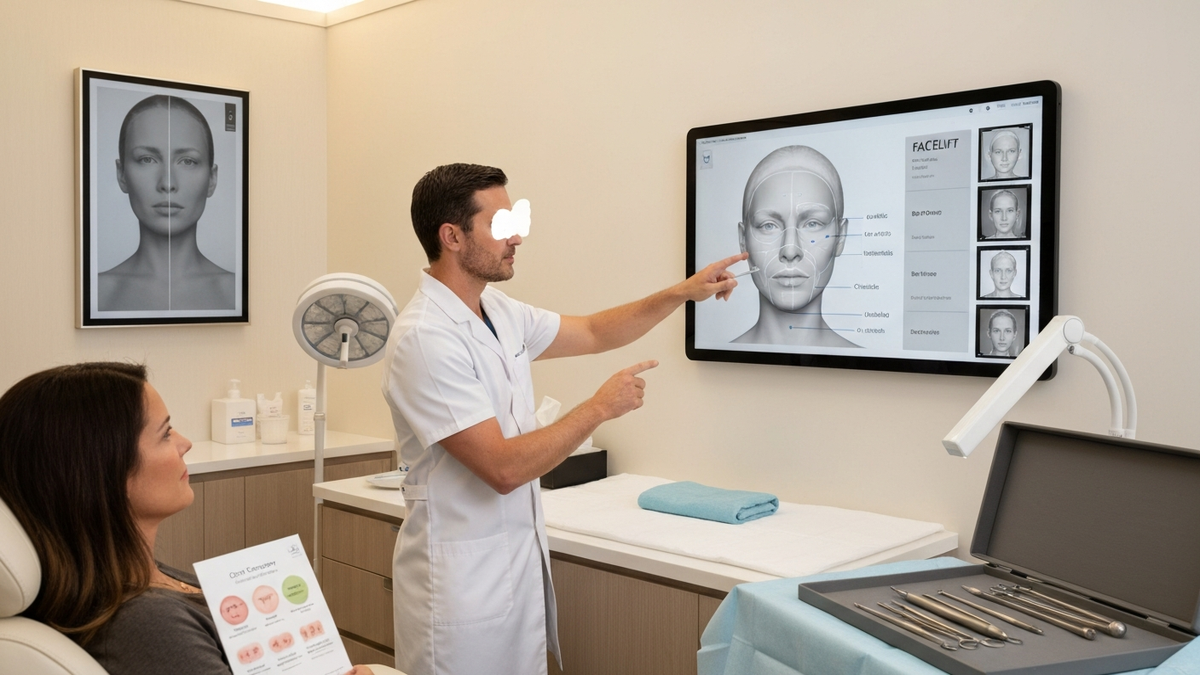
Facelift procedures have helped countless people regain a refreshed, youthful look—without trying to “change who they are.” In Los Angeles and beyond, more patients are seeking facial rejuvenation that restores balance, tightens sagging skin, and smooths the appearance of age-related lines while still looking natural. In this FlowGeniQ Digest guide, we’ll walk through what a facelift can—and cannot—do, how modern techniques differ from older approaches, and how to prepare for a safe, confident experience.
What a Facelift Is (and What It Targets)
A facelift is a cosmetic procedure designed to lift and tighten facial skin and underlying soft tissues. Many patients choose this option when they notice visible signs of aging such as:
- Sagging along the jawline or mid-face
- Loose skin around the lower face and neck
- Deepening folds and a tired facial appearance
- Neck laxity that contributes to an aged profile
Importantly, a facelift is not simply “skin tightening.” A skilled facial plastic surgeon evaluates how the facial tissues have changed over time—then uses targeted lifting and repositioning to improve facial contours. The goal is to create a harmonious result that looks like you, just more rested.
Modern Facelift Techniques: Why “Natural-Looking” Matters
Patients increasingly want rejuvenation that looks subtle and age-appropriate. That preference has driven advances in technique and planning, including a more individualized approach to:
- Vector planning (where tissues are lifted to restore youthful tension)
- Layer-specific repositioning (addressing deeper support structures, not just the surface)
- Skin management (reducing excess while preserving natural facial motion)
- Neck-focused refinement when laxity is contributing to the overall aging pattern
Facelift vs. Neck Lift: How They Work Together
In many cases, facial aging and neck aging progress together. A neck lift can be an important complement to a facelift, especially when patients have sagging neck skin or definition loss in the jaw/neck area. If you’re evaluating rejuvenation options, it helps to understand that a neck lift targets the structures that create a visible, early “aging frame” around the neck.
Who Is a Good Candidate for a Facelift?
Ideal candidates for a facelift generally have:
- Visible sagging of facial and/or neck tissues
- Realistic expectations about outcomes and the aging process
- Good overall health and a willingness to follow pre- and post-operative instructions
- Stable weight (significant fluctuations can affect long-term appearance)
During a consultation, a board-certified facial plastic surgeon will assess facial anatomy, skin quality, and the pattern of aging. They’ll also discuss whether a facelift alone is sufficient or whether additional procedures (such as eyelid rejuvenation or brow lifting) would better address your goals.
When a Facelift May Not Be the Best First Step
Some patients are better served by other head-and-neck procedures or staged plans. For example:
- Forehead or brow heaviness may respond more directly to a brow lift.
- Excess upper or lower eyelid skin may be better addressed with blepharoplasty.
- Localized fat under the chin/jaw may respond to submental liposuction rather than a broader lift.
A thoughtful surgeon can help you prioritize procedures for the most balanced, efficient result.
How the Facelift Procedure Works (Step by Step)
Although exact approaches vary by patient and surgeon technique, most facelifts follow a structured process. Here’s a high-level overview of what patients typically experience:
1) Pre-Operative Consultation and Planning
Your evaluation usually includes:
- Medical history review and medication/supplement screening
- Facial measurements and discussion of aging patterns
- Photography for documentation and surgical planning
- Review of anesthesia options and perioperative instructions
At this stage, it’s crucial to tell your surgeon your priorities—e.g., “I want a more defined jawline,” “I want my neck to look tighter,” or “I want to look rested, not different.”
2) Surgery Day: Anesthesia and Tissue Lifting
Facelift surgery is performed under appropriate anesthesia. The surgeon makes incisions typically placed so they can be concealed within natural contours (often around the hairline and/or in front of the ear). The procedure then focuses on repositioning soft tissue to restore youthful support and contour.
Depending on your anatomy and goals, the surgeon may address deeper layers and then carefully manage the skin to achieve the right balance of lift and natural movement.
3) Immediate Recovery: Swelling, Bruising, and Comfort
After surgery, it’s common to experience swelling and bruising. Many patients describe the early period as “tight” or “tender,” with gradual improvement over days and weeks. Your surgeon will provide guidance on:
- How to care for incisions
- When to resume light activities
- What to expect at follow-up visits
- How to manage discomfort safely
4) Healing Timeline: When You’ll See Results
While individual recovery varies, a typical progression looks like this:
- First 1–2 weeks: swelling and bruising are most noticeable; stitches/incision checks occur
- Weeks 3–6: gradual reduction in swelling; early contour improvements become clearer
- Months 2–3: tissues continue to settle; final refinement becomes more apparent
Patience matters—facial tissues need time to heal and stabilize.
Facelift Recovery: What to Plan for at Home
Recovery is where preparation pays off. The best outcomes often come from following a personalized plan. Here are practical, actionable recommendations that many surgeons emphasize:
Before Surgery: Set Up Your Recovery Environment
- Arrange help: have someone available for the first 24–48 hours if possible.
- Prepare comfort items: clean pillows, easy-to-wear clothing, and prescribed medications.
- Stock soft foods: especially if you’ll be more comfortable with easy meals early on.
- Plan time off: many people take at least 1–2 weeks away from work, depending on the physical demands of their job.
During Recovery: Protect Your Results
- Follow activity restrictions: avoid heavy lifting and strenuous exercise until cleared.
- Sleep positioning: many surgeons recommend keeping the head elevated to reduce swelling.
- Attend follow-ups: incision checks and healing assessments are essential.
- Be gentle with skincare: use only what your surgeon recommends for incision care and post-op skincare.
Common Side Effects (and When to Call Your Surgeon)
Swelling and bruising are expected. Some patients also experience temporary numbness or tightness. However, you should contact your surgical team promptly if you notice:
- Severe or worsening pain not controlled by recommended medication
- Unusual drainage, fever, or signs of infection
- Rapidly expanding swelling
- Any symptom that feels “out of the ordinary” for your recovery
Risks and Safety: What You Should Know Before Choosing a Facelift
Every surgical procedure carries potential risks. A reputable, board-certified surgeon will review risks thoroughly during your consultation. While many patients have smooth recoveries, possible complications can include:
- Bleeding or hematoma
- Infection
- Scarring (usually minimized by incision placement and technique)
- Asymmetry or contour irregularities
- Nerve-related changes such as temporary numbness
- Skin healing issues depending on individual factors
The best way to reduce risk is to choose an experienced surgeon, be honest about medical history, and follow post-op instructions closely.
Choosing a Surgeon for Your Facelift
If you’re searching for a facelift in Los Angeles or nearby, prioritize credentials and experience—especially in facial plastic and reconstructive surgery. One reason patients value a specialist is that facial aging is complex: the face is a layered structure where support, movement, skin quality, and proportions all interact.
Why Facial Plastic & Reconstructive Expertise Matters
Dr. Hootan Zandifar is a board-certified facial plastic and reconstructive surgeon who focuses solely on cosmetic and reconstructive surgery of the head and neck. His approach emphasizes patient education and natural-looking outcomes, with an honest and compassionate style that supports informed decision-making.
For patients considering a facelift or other facial rejuvenation options, this kind of specialty focus can be a meaningful advantage—because it aligns with the detailed anatomy and aesthetic goals involved in the head and neck region.
Questions to Ask at Your Consultation
- How do you determine the best facelift plan for my specific aging pattern?
- What results should I realistically expect at 3 months?
- Can you show before-and-after photos of similar patients?
- What are the most common complications you see, and how do you prevent them?
- Will I need additional procedures for a more balanced result?
- What does recovery look like in my case (work, exercise, social events)?
Complementary Treatments That Often Pair Well With a Facelift
Facelifts can be life-changing, but they’re not the only tool. Many patients achieve the most harmonious results when multiple areas are addressed. Depending on your goals, your surgeon may discuss options such as:
Eyelid Surgery (Blepharoplasty)
Excess upper eyelid skin or under-eye puffiness can make you look tired even with a youthful facial lift. Blepharoplasty can help restore a more open, refreshed eye area.
Brow Lift
A brow lift (also called a forehead lift) can raise the eyebrows and reduce forehead wrinkles and frown lines—often improving upper facial balance.
Submental Liposuction
For localized fat under the chin and along the jawline, submental liposuction may sharpen contours and complement a facelift plan.
Neck Lift
For patients with visible neck laxity, a neck lift can tighten the neck and improve overall profile aesthetics.
And if you have hair-related concerns that affect overall appearance, you may also explore hair restoration options. For example, if you’re considering a hair transplant, talk with your medical team about timing relative to facial procedures so you can plan your recovery schedule comfortably.
Facelift and Functional Health: When Breathing Matters
Many people associate facial plastic surgery with aesthetics, but head-and-neck specialists also consider functional health. If you have chronic nasal congestion or difficulty breathing, it’s worth discussing functional options with a qualified provider. In some cases, addressing breathing issues can improve sleep quality and overall well-being—supporting a better recovery experience and daily comfort.
For certain structural causes, procedures like Septoplasty may be recommended. If your symptoms relate to a Deviated Septum, the same evaluation can guide whether septal correction is appropriate. Learn more here: Deviated Septum.
Similarly, if both breathing and appearance goals are involved, some patients explore Rhinoplasty as part of a broader plan. The key is a coordinated, medically informed approach.
Preparing for Your Facelift: A Practical Checklist
Here’s a straightforward checklist you can use to prepare for your facelift consultation and surgery planning:
- Gather your medical history: conditions, allergies, prior surgeries, and current medications/supplements.
- Review goals: write down what you want to improve and what “natural” means to you.
- Ask about anesthesia and logistics: where the procedure will occur and what the day-of plan looks like.
- Plan your recovery: time off, transportation, meals, and sleep setup.
- Follow pre-op instructions: medication adjustments and fasting guidelines (as directed by your surgeon/anesthesia team).
- Prepare for follow-ups: schedule post-op visits in advance.
Facelift Longevity: How Long Results Typically Last
No surgery can stop aging completely. That said, many patients enjoy meaningful improvements for years. Longevity depends on factors such as:
- Skin quality and genetics
- Sun exposure and skincare habits
- Smoking status and overall health
- Weight stability
- How well the surgical plan matches your anatomy
To support long-term results, many surgeons recommend a consistent skincare routine, sun protection, and maintaining a healthy lifestyle.
Frequently Overlooked Details: Scars, Symmetry, and Expression
When patients talk about facelift outcomes, they often focus on sagging and wrinkles—but subtle details matter too:
- Incision placement influences scar visibility.
- Facial expression should remain natural; the surgeon’s technique and tissue handling play a role.
- Symmetry is achieved through careful planning and intraoperative adjustments.
Discuss these priorities directly with your surgeon. A specialist will be able to explain how their approach addresses them for your unique facial structure.
FAQ: Facelift Questions Patients Ask Most Often
How soon can I return to work after a facelift?
Many patients return to non-strenuous work within 1–2 weeks, but the timeline depends on your healing, job demands, and how much swelling/bruising you experience. Your surgeon will provide a personalized schedule.
Will a facelift look unnatural or “overdone”?
When performed by an experienced facial plastic surgeon using modern planning and tissue handling, facelift results are designed to be natural and age-appropriate. The right match between your goals and the surgical plan is key.
What is the difference between a facelift and a neck lift?
A facelift focuses on lifting and tightening facial tissues, while a neck lift targets sagging and laxity in the neck area. Many patients benefit from both, depending on where aging is most prominent.
What should I do to prepare for surgery?
Follow your surgeon’s pre-op instructions, review medications and supplements, arrange support for early recovery, and plan your time off. Bring a list of questions and clearly communicate your aesthetic priorities.
How long does facelift recovery take?
Swelling and bruising typically peak early and improve over weeks. Many patients see clearer results by 6–12 weeks, with continued refinement over the following months as tissues settle.
CTA: Ready to Explore a Facelift Plan?
If you’re considering a facelift and want an approach rooted in education, natural-looking results, and head-and-neck surgical expertise, consider scheduling a consultation with Dr. Hootan Zandifar. In Beverly Hills, CA, Dr. Zandifar focuses on facial plastic and reconstructive surgery and is known for an honest, trustworthy, and compassionate experience—so you can make a confident decision about your next step.
Next step: Schedule your consultation to discuss your goals, candidacy, and a personalized plan for facial rejuvenation.
Professional Disclaimer
This content is provided for general educational purposes only by FlowGeniQ Digest. It is not a substitute for professional advice, diagnosis, or treatment. Readers are advised to consult qualified professionals for personalized recommendations.
Medical Information Disclaimer
This content is provided for general educational purposes only by FlowGeniQ Digest. It is not a substitute for professional advice, diagnosis, or treatment. Readers are advised to consult qualified professionals for personalized recommendations.